Why Living in Ras Al Khaimah & Working in Dubai Is a Smart Choice

Why Living in Ras Al Khaimah & Working in Dubai Is a Smart Choice
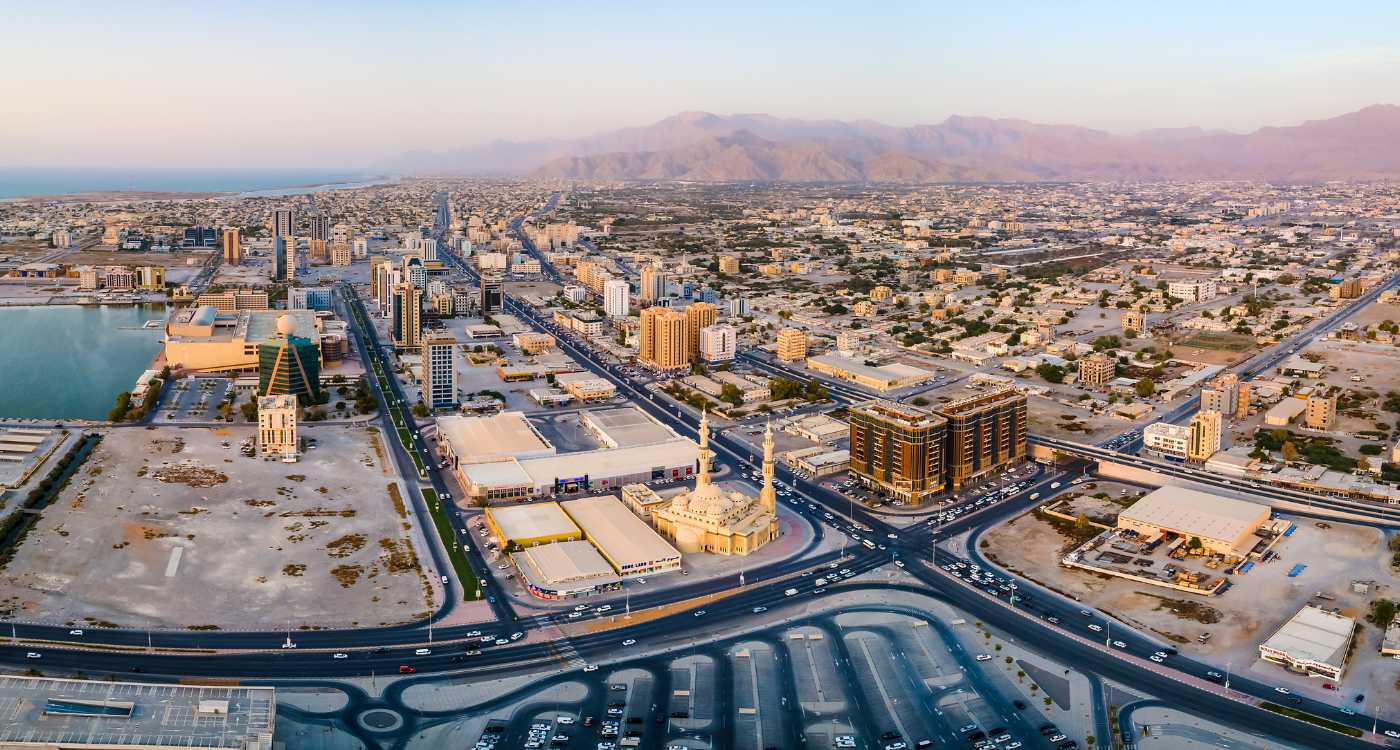
Over the past few years, an increasing number of professionals have chosen Ras Al Khaimah (RAK) as their place of residence while continuing to work in Dubai. This choice isn’t random. This shift is driven by the desire for a better quality of life, lower living costs, and a more peaceful environment. RAK offers a relaxed lifestyle, well-connected communities, and unique outdoor experiences, making it much more than just a weekend escape. While it may not match the glitz and grandeur of Dubai or Abu Dhabi, Ras Al Khaimah is redefining luxury living in a way that doesn’t burn a hole in your wallet.. With improved road connectivity and modern infrastructure, commuting between RAK and Dubai has become more convenient than ever before.

Living in Ras Al Khaimah offers a perfect balance between affordability and lifestyle. Residents enjoy spacious homes, scenic surroundings, and a calmer pace of life, while still benefiting from the career opportunities, business hubs, and amenities that Dubai provides. As property prices and daily expenses continue to rise in major cities, this smart lifestyle choice is becoming increasingly popular among professionals, families, and investors across the UAE.

Ras Al Khaimah – A New Hub of Luxury and Lifestyle in the UAE

Located at the northern tip of the UAE, Ras Al Khaimah has seen significant growth in real estate, infrastructure, and leisure attractions. With a blend of natural beauty and modern developments, it is steadily positioning itself as a key tourist and lifestyle hub in the country.

Many people choose to live in RAK and work in Dubai because of its stable present and promising future. The emirate is quickly establishing itself as a center for luxury, hospitality, and an exclusive way of life, making it an appealing choice for both residents and investors.

The modern residential projects, expanding hospitality sector, and increasing number of commuters to Dubai all highlight Ras Al Khaimah’s rising popularity as a preferred living destination.

Top Reasons People Choose to Live in Ras Al Khaimah and Work in Dubai

Ras Al Khaimah is roughly an hour’s drive from Dubai, which can extend to 90 minutes during peak traffic. Unlike Sharjah, which is just 20 minutes away, RAK requires a longer commute. Despite this, many people still find it worthwhile.

Why? Let’s explore the main reasons why living in RAK while working in Dubai has become a popular lifestyle choice.

Affordable Luxury Living in Ras Al Khaimah

Finding an affordable sea-view apartment is far easier in Ras Al Khaimah than in neighbouring emirates. Annual rents can start from around AED 19,000, which is almost impossible to match in Dubai or even Sharjah. In comparison, searching for a similar property at that price elsewhere could leave you scrolling listings endlessly without success.

Residential communities in Ras Al Khaimah redefine luxury by making it accessible. You don’t need an extravagant budget to live in a premium neighbourhood or enjoy upscale amenities. Stylish homes, scenic surroundings, and modern facilities are available without stretching your finances.

Couples and small families can comfortably opt for 1-bedroom apartments for rent in RAK, while buyers looking for more space can consider 2-bedroom apartments or larger homes. The emirate also stands out for its strong presence of seafront properties — something that affordable hubs like Sharjah and Ajman largely lack.

Ras Al Khaimah offers an impressive selection of luxury villas, beach-facing apartments, and well-planned residential developments, all complemented by a refined and relaxed lifestyle. This combination makes it especially appealing for professionals who choose to live in Ras Al Khaimah while commuting to Dubai for work.

Property prices are another major advantage. Homes here often cost nearly half of what you would pay in Dubai. For example, a 4-bedroom villa in RAK can be available from approximately AED 480,000. Whether you’re looking to rent an apartment or invest in a villa, the options are diverse and cater to different budgets. Many of the best residential areas in Ras Al Khaimah feature a balanced mix of low-rise buildings, luxury villas, and community-oriented living.

Popular neighbourhoods among expats working in Dubai include Al Hamra Village and Al Marjan Island. These premium master-planned developments are known for their resort-style environment, waterfront views, and high-end residences — all offered at surprisingly reasonable prices.

Lower Cost of Living in Ras Al Khaimah

Another key reason people prefer living in Ras Al Khaimah while working in Dubai is the lower overall cost of living. The emirate has built a reputation as a refined yet budget-friendly alternative to Dubai.

Housing affordability is just one part of the picture. Everyday expenses such as utilities, groceries, clothing, and essential services are also more reasonably priced. Since rent and basic necessities make up the bulk of monthly expenses, living in RAK allows residents to manage their finances more efficiently without compromising on comfort or lifestyle quality.

Peaceful and Community-Focused Lifestyle

Unlike Dubai’s fast-paced and energetic environment, Ras Al Khaimah offers a calmer, more relaxed way of life. Surrounded by natural landscapes and pristine beaches, the emirate is ideal for those who value peace and balance.

Traffic congestion is minimal compared to Dubai, and the constant buzz of city noise is noticeably absent. While the slower pace may take some adjustment for those used to larger cities, many residents find it refreshing. Despite its tranquil atmosphere, Ras Al Khaimah doesn’t feel disconnected — daily necessities, shopping centres, schools, and healthcare facilities are always within a short drive.

This blend of serenity and convenience makes living in Ras Al Khaimah and working in Dubai a practical and appealing lifestyle choice.

Ideal for Family Living

Ras Al Khaimah has become a preferred choice for families seeking a calm and comfortable lifestyle in the UAE. The emirate is made up of well-planned, close-knit communities that naturally support family living. Residents have easy access to reputed schools, green parks, children’s play zones and beautiful beaches — ensuring kids stay active, engaged and happy.

Another major advantage for families is space at an affordable cost. Compared to Dubai, housing in RAK offers far better value. For instance, a family of four can comfortably rent a spacious villa in Ras Al Khaimah for the same budget that might only cover a studio apartment in Dubai.

Furnished villas for rent in RAK start from approximately AED 30,000 per year. Even a 3-bedroom villa typically falls between AED 30k and AED 350k annually, making it a cost-effective option without compromising on lifestyle quality.

A Paradise for Adventure Enthusiasts

Ras Al Khaimah stands out for its rich cultural history and archaeological significance, combined with striking natural diversity. The emirate features an impressive mix of wetlands, open plains, desert landscapes, sandy beaches and rugged mountain ranges.

This unique terrain makes RAK a haven for adventure lovers who live here and commute to Dubai for work. From hiking through the Hajar Mountains and experiencing thrilling activities at Jebel Jais to enjoying water sports or desert camping under the stars — the adventure options are endless. Life in Ras Al Khaimah offers far more than just scenic views; it delivers unforgettable outdoor experiences.

Daily Commute from Ras Al Khaimah to Dubai

If you’re considering this lifestyle setup, commute time is an important factor. On average, travelling from Ras Al Khaimah to Dubai takes around 90 minutes one way. While this distance may feel manageable for occasional travel, daily commuting can be demanding for some professionals.

Many commuters rely on the Dubai–RAK bus service, which is economical but may feel exhausting over time. That said, a significant number of people adapt comfortably, especially those with flexible working hours. Travelling during off-peak hours helps reduce traffic stress and commute fatigue.

Additionally, professionals who have the work-from-home or hybrid option benefit greatly. Reduced travel time means lower fuel costs, less congestion and improved work-life balance — making this living arrangement far more sustainable.

Is Living in Ras Al Khaimah While Working in Dubai Worth It?

Dubai continues to be one of the strongest employment hubs in the UAE, offering diverse career opportunities across industries such as real estate, finance, technology, tourism, and logistics. By living in Ras Al Khaimah, professionals can still access Dubai’s dynamic job market while avoiding the high cost of living associated with the city’s prime areas.

This lifestyle choice allows individuals to enjoy the best of both worlds — professional growth in Dubai and a more affordable, relaxed lifestyle in RAK. Lower rental prices, reduced daily expenses, and less congestion mean residents can save more without compromising on comfort or convenience.

Additionally, the quieter environment of Ras Al Khaimah helps create a healthier work-life balance. After a busy workday in Dubai, returning to a peaceful home surrounded by nature and open spaces allows professionals to unwind, spend quality time with family, and maintain overall well-being. This balance between career success and personal comfort is what makes living in RAK and working in Dubai a smart and sustainable choice.

When you weigh the pros, living in Ras Al Khaimah and working in Dubai offers clear long-term advantages. While RAK may not offer the same glitz as Dubai, it strongly appeals to those focused on financial savings, comfort and quality of life.

The cost of living in RAK is significantly lower than in Dubai, yet residents still enjoy access to affordable luxury homes and a relaxed pace of life. It’s an excellent choice for anyone looking to escape the constant rush of major cities.

Some of the best residential areas in RAK offer premium apartments at nearly half the rental price of comparable properties in Dubai, Abu Dhabi or Sharjah. These yearly savings often exceed commuting expenses, making the arrangement financially sensible.

RAK also presents strong opportunities for property investment. Several freehold areas, such as Al Hamra Village, offer attractive options. A 2-bedroom apartment here can be purchased from around AED 780,000 — a price that’s considerably lower than similar upscale properties in Dubai or Abu Dhabi.

Who Should Consider This Lifestyle?

Living in Ras Al Khaimah while working in Dubai is an ideal choice for individuals and families who want a better balance between career growth and quality of life. This lifestyle suits a wide range of people, especially those looking to reduce living costs without compromising on opportunities.

Working professionals: who commute to Dubai can enjoy affordable housing, less congestion, and a calmer home environment while still being close to major business districts.

Entrepreneurs and business owners: benefit from Dubai’s strong commercial ecosystem while enjoying the lower operational and living costs offered by Ras Al Khaimah. This makes it easier to scale businesses while maintaining financial flexibility.

Families seeking peaceful living: will appreciate RAK’s quieter neighborhoods, spacious homes, family-friendly communities, and access to schools and healthcare facilities. It offers a safe and relaxed atmosphere away from the fast-paced city life.

Remote and hybrid workers: find Ras Al Khaimah especially appealing due to its serene environment, reliable connectivity, and affordable lifestyle—making it an ideal place to work productively while enjoying a higher quality of life.

Conclusion

Choosing to live in Ras Al Khaimah while working in Dubai is a practical and future-ready lifestyle decision that continues to gain popularity across the UAE. With rising living costs in major cities, more professionals and families are recognizing the value of smarter living without compromising on career growth or comfort.

Ras Al Khaimah offers the ideal combination of affordability, spacious living, and a peaceful environment, making it an excellent alternative to Dubai’s fast-paced lifestyle. At the same time, easy connectivity allows residents to stay professionally active in Dubai while enjoying lower expenses and a better quality of life at home.

This balance of career opportunity, financial savings, and personal well-being makes Ras Al Khaimah an increasingly attractive residential choice. For anyone seeking a sustainable, comfortable, and future-focused lifestyle in the UAE, living in RAK while working in Dubai is truly a smart move.

Frequently Asked Questions (FAQ)

Is it practical to live in Ras Al Khaimah and work in Dubai?

Yes, it is completely practical and increasingly common. Many professionals choose to live in Ras Al Khaimah due to its lower living costs and peaceful lifestyle while continuing to work in Dubai. With well-developed highways and improved connectivity, daily or weekly commuting is convenient and manageable.

How long is the commute from Ras Al Khaimah to Dubai?

The average commute time from Ras Al Khaimah to Dubai ranges between 60 to 90 minutes, depending on the location and traffic conditions. Major roads like Sheikh Mohammed Bin Zayed Road (E311) make travel smoother, and many professionals find the commute worthwhile considering the lifestyle and cost benefits.

Is Ras Al Khaimah cheaper than Dubai?

Yes, Ras Al Khaimah is significantly more affordable than Dubai. Rental prices, utility costs, and daily living expenses are much lower. Residents can enjoy larger homes, better space, and a relaxed lifestyle at a fraction of the cost compared to Dubai’s prime areas.

Is Ras Al Khaimah good for property investment?

Absolutely. Ras Al Khaimah is emerging as a strong real estate investment destination due to its growing infrastructure, rising demand, and attractive property prices. Investors benefit from good rental yields, increasing property value, and long-term growth potential, making RAK a smart choice for both end-users and investors.


Home Staging in Dubai: Dos and Don’ts to Sell Your Property Faster

Home Staging in Dubai: Dos and Don’ts to Sell Your Property Faster

Planning to sell your property in Dubai? Keep in mind that your apartment or villa won’t be the only option available to buyers. The market is filled with similar listings, all competing for attention. To attract serious buyers and make a strong first impression, your home needs to stand out and showcase its best features. That’s where effective home staging plays a crucial role. Below are some practical and proven home staging tips specifically for the Dubai real estate market.

What Is Home Staging?

Home staging is the process of preparing a property for sale or rent by enhancing its appearance, layout, and overall appeal. It involves arranging furniture, improving lighting, decluttering spaces, and adding subtle décor elements to help potential buyers visualize the home at its best. The goal is simple — to make the property look inviting, spacious, and move-in ready.

Why Home Staging Is Important in Dubai’s Competitive Real Estate Market

Dubai’s real estate market is one of the most dynamic and competitive in the world. With hundreds of properties available across different communities, buyers and investors have endless choices. In such a fast-paced market, first impressions matter more than ever. A well-staged home stands out instantly, attracts more viewings, and creates a stronger emotional connection with potential buyers or tenants.

In a city known for luxury living, modern design, and high standards, an unstaged or poorly presented property can easily be overlooked — even if it’s priced well or located in a prime area.

How Home Staging Impacts Buyer Perception, Property Value, and Selling Time

Home staging directly influences how buyers perceive a property. A clean, well-lit, and thoughtfully staged home feels more spacious, more valuable, and easier to imagine living in. Professionally staged homes often:

  • Attract more online views and inquiries

  • Sell faster than unstaged properties

  • Receive better offers and stronger negotiations

  • Create a premium impression, even for mid-range homes

In Dubai’s real estate market, where presentation plays a major role in decision-making, effective home staging can significantly reduce time on market and increase overall return on investment.

Essential Tips for Home Staging in Dubai

If you want to present your property in the best possible way, follow these useful home staging strategies.

Create a Well-Balanced and Spacious Layout

Start by preparing a clear floor plan that includes accurate room dimensions and share it with potential buyers. This helps them understand the layout and visualize how the space can be used, making it one of the most important elements of home staging.

Buyers prefer homes where they can imagine placing their own furniture. Make sure wardrobes, kitchen cabinets, and bathroom storage areas are clean and clutter-free. Storage space is a major selling point in Dubai homes. Showing organized and spacious storage reassures buyers that the property can comfortably accommodate their lifestyle.

Make Bedrooms Look Elegant and Inviting

Bedrooms should feel calm, cosy, and welcoming. You can achieve this by using high-quality linens in soft, neutral shades that create a relaxing atmosphere and appeal to a wide range of buyers.

If investing in a brand-new bed and mattress isn’t an option, there’s no need to worry. You can find affordable bed frames in Deira markets and pair them with a budget-friendly air mattress. Complete the look with simple, neutral-toned bedding, and the bedroom will still appear stylish, comfortable, and ready to impress potential buyers.

Use Eco-friendly Materials

Dubai strongly promotes sustainable living, making eco-friendly home staging a smart and future-ready choice. Today’s property buyers are increasingly willing to pay a premium for homes that support a green lifestyle. One cost-effective and durable option is cork flooring, which offers excellent longevity while costing nearly half as much as traditional hardwood flooring.

Another popular sustainable solution among home stagers in Dubai is plastered walls. This natural material helps resist dust buildup and fingerprint marks, keeping interiors cleaner for longer. Since plaster absorbs moisture effectively, it performs especially well in high-humidity areas like bathrooms. If you’re planning to invest further in sustainable décor, several stores in Dubai specialize in eco-friendly home products worth exploring.

Give Awkward Spaces A Purpose

Unused or oddly shaped areas shouldn’t go to waste. Assigning a clear function to such spaces can significantly boost a home’s appeal. For example, installing wall-to-wall shelving and a compact desk in an attic bedroom can instantly transform it into a quiet home office. Smart utilization of tight or awkward spaces not only enhances functionality but also creates memorable features that potential buyers are likely to appreciate.

Repurpose Existing Materials

Home staging expenses can add up quickly if purchases aren’t planned wisely. A budget-friendly approach is to reuse and repurpose materials you already have. The goal is to turn unused or discarded items into practical design elements.

Leftover hardwood flooring strips can be reused to build a stylish fence, while old laminate countertops can be cut and converted into shelves. Even unused doors can be creatively transformed into unique headboards. With a little imagination, you can stage your home beautifully using items most people would otherwise throw away.

Complete Essential Repairs

Before hosting property viewings, addressing necessary repairs should be a top priority. Poor maintenance is one of the biggest deal-breakers for buyers. Walk through every room from a buyer’s perspective and create a detailed checklist of areas that need attention. Once identified, hire professional handymen in Dubai to fix issues such as:

  • Roof leaks or damaged roofing materials

  • Worn-out flooring or carpeting

  • Peeling or chipped paint

  • Water stains on ceilings or walls

  • Cracked pavements

  • Broken drawer handles

  • Loose cabinet fittings

  • Damaged or cracked tiles

Timely repairs help create a well-maintained impression and significantly improve buyer confidence.

How To Make Your Home More Visually Appealing For Potential Buyers

KEEP YOUR HOME CLUTTER-FREE

First impressions matter, especially when you’re selling a home. A neat, clutter-free space helps buyers imagine themselves living there. Start by clearing unnecessary items from every corner of your house, including shelves, countertops, and storage areas.

Along with deep cleaning, consider refreshing the look of your home with subtle pops of colour. Swap outdated, apartment-style blinds for modern window treatments that instantly uplift the room. Skip old floor-to-ceiling mirrors — instead of making spaces look larger, they often make interiors feel dated and out of style.

A FRESH COAT OF PAINT CAN TRANSFORM YOUR HOME

Bright, open, and airy homes naturally attract more buyers. One effective way to make rooms appear larger is by using the same paint colour in adjacent spaces. For example, painting a small kitchen and dining area in a single shade can visually merge them into one spacious zone.

Matching wall colours with draperies can also enhance the sense of space while creating a refined, cohesive look. If doors, trims, or casings look worn, repainting them in white can instantly modernise your interiors. Opting for professional house painting services in Dubai ensures a clean and contemporary finish. While planning home staging costs, don’t forget to account for these essential touch-ups.

AVOID OVERCROWDING YOUR ROOMS

Once painting is complete, furnish each room thoughtfully to highlight its purpose. Avoid placing oversized or excessive furniture, as it can make even large rooms feel cramped. Decluttering is one of the most important steps when preparing homes for sale.

For narrow areas, wall-mounted shelves can add depth and improve functionality without occupying floor space. Painting shelves in the same colour as the walls helps create a seamless look. In larger rooms with wide windows, choose bold or large-patterned window treatments — smaller designs often get lost in expansive spaces.

UPGRADE TO MODERN APPLIANCES

Although it’s not always expected, upgrading kitchen appliances like cooktops, stoves, or refrigerators can significantly boost your home’s appeal and resale value. In many cases, sellers recover the full cost of these upgrades. You may also consider adding smart Google-enabled devices to your Dubai home to attract tech-savvy buyers.

BRING LIFE INTO YOUR HOME

After addressing major upgrades, focus on the finer details that leave a lasting impression. Enhance empty corners with area rugs, fresh flowers, or tasteful artwork. Wall-mounted lighting, elegant centrepieces, and subtle decorative elements can add warmth and character, making your home feel welcoming and complete.

Common Home Staging Mistakes to Avoid in Dubai

Even a well-located property can struggle to attract buyers if staging is done incorrectly. In Dubai’s competitive real estate market, small mistakes can significantly impact buyer interest and perceived value. Below are some of the most common home staging mistakes sellers should avoid.

Ignoring Buyer Psychology

One of the biggest mistakes in home staging is failing to think from a buyer’s perspective. Buyers in Dubai often look for homes that feel spacious, modern, and lifestyle-oriented. Overly personal décor, bold colors, or cluttered layouts can make it difficult for them to visualize themselves living in the space.
Effective staging focuses on creating a neutral, welcoming environment that appeals to a wide audience rather than reflecting personal taste.

Using Outdated Furniture

Old or mismatched furniture can instantly reduce a property’s appeal, even if the home itself is in great condition. Outdated designs make spaces look smaller and less valuable.
Modern, minimal, and well-proportioned furniture works best for Dubai properties, especially in apartments and luxury homes where aesthetics play a major role in decision-making.

Poor Lighting Setup

Lighting has a major impact on how a property feels. Dim or uneven lighting can make rooms look dull, cramped, or uninviting. Many sellers overlook the importance of proper lighting, especially for evening viewings.
Using warm lighting, maximizing natural light, and ensuring all fixtures work properly can dramatically improve the overall ambiance and visual appeal of the home.

Overlooking Photography Preparation

In today’s digital-first market, most buyers form their first impression online. Poor-quality photos or unprepared spaces can instantly reduce interest, no matter how good the property is.
Before professional photography, ensure the home is fully staged, clean, and well-lit. High-quality images not only attract more clicks but also increase the chances of faster inquiries and site visits.

Conclusion

Home staging plays a crucial role in shaping how a property is perceived in Dubai’s highly competitive real estate market. By following the right dos—such as keeping the space clean, well-lit, modern, and clutter-free—and avoiding common don’ts like outdated furniture, poor lighting, or over-personalization, sellers can significantly improve their property’s appeal.

In a market where buyers have countless options, presentation often becomes the deciding factor. A well-staged home not only attracts more attention online but also creates a strong emotional connection during site visits. It helps buyers visualize the lifestyle the property offers, which is especially important in a city known for luxury, comfort, and high living standards.

Ultimately, good home staging is an investment, not an expense. When done correctly, it can reduce time on market, increase buyer interest, and even help secure a better selling price. Whether you’re selling an apartment, villa, or luxury residence in Dubai, professional staging can make the difference between an average listing and a highly desirable property.

How Global Economic Trends Will Impact UAE Property Buyers in 2025

How Global Economic Trends Will Impact UAE Property Buyers in 2025

The global economy in 2025 is undergoing a significant phase of change, shaped by uneven growth trends, evolving monetary policies, and rapid technological advancements. For international property buyers, these worldwide shifts can create uncertainty—but they also open doors to opportunities in resilient and well-regulated markets. This makes it increasingly important to understand how global economic movements directly influence regional real estate markets such as the UAE.

Many investors eyeing UAE real estate in 2025 struggle to translate broad global economic developments into clear, actionable property decisions. This article is designed to simplify that connection. By breaking down key international economic changes and explaining how they affect property investment in the UAE, we aim to provide practical insights for informed decision-making. For serious overseas buyers, understanding this global-to-local relationship is essential, especially when supported by credible economic insights from authorities like the UAE Ministry of Economy.

Global Growth and Inflation: Changing Economic Currents

The global economic landscape in 2025 continues to reflect a period of transition. Growth rates vary widely between regions, and while inflationary pressures may have softened in some economies, they remain a concern worldwide. For international investors, recognising these macroeconomic trends is a critical first step before exploring overseas property markets such as the UAE.

Understanding the Global Economic Environment

Economic recovery across the world is far from uniform. While certain major economies are showing strength and adaptability, others are dealing with slower growth and the lingering effects of previous inflation spikes. Central banks are responding cautiously, adjusting interest rates and monetary policies based on domestic conditions. At the same time, emerging economies are playing a larger role in shaping global investment flows, influencing both capital movement and investor confidence. This creates a complex yet opportunity-rich environment for global investors seeking stable growth.

What This Means for UAE Property Buyers in 2025

For investors considering UAE real estate in 2025, these global trends present both challenges and advantages. The UAE’s long-term commitment to economic diversification—particularly in sectors like tourism, technology, trade, and finance—helps shield its economy from global volatility. This diversification reduces reliance on oil revenues and strengthens overall market stability.

In regions where inflation remains a concern, investing in high-quality UAE property—especially in prime locations across Dubai and Abu Dhabi—can serve as a reliable store of value. Real estate in the UAE has the potential to preserve capital while offering attractive long-term appreciation. Additionally, the country’s strong regulatory framework, political stability, and proactive measures to control domestic inflation continue to enhance its appeal among international investors seeking security and consistent returns.

For a deeper understanding of global economic trends, resources such as the International Monetary Fund’s (IMF) World Economic Outlook provide valuable macroeconomic insights that complement property investment strategies in stable markets like the UAE.

What This Means for UAE Property Buyers in 2025

For investors considering UAE real estate in 2025, these global trends present both challenges and advantages. The UAE’s long-term commitment to economic diversification—particularly in sectors like tourism, technology, trade, and finance—helps shield its economy from global volatility. This diversification reduces reliance on oil revenues and strengthens overall market stability.

In regions where inflation remains a concern, investing in high-quality UAE property—especially in prime locations across Dubai and Abu Dhabi—can serve as a reliable store of value. Real estate in the UAE has the potential to preserve capital while offering attractive long-term appreciation. Additionally, the country’s strong regulatory framework, political stability, and proactive measures to control domestic inflation continue to enhance its appeal among international investors seeking security and consistent returns.

For a deeper understanding of global economic trends, resources such as the International Monetary Fund’s (IMF) World Economic Outlook provide valuable macroeconomic insights that complement property investment strategies in stable markets like the UAE.

The Changing Global Interest Rate Environment

Interest rate decisions made by major central banks around the world play a crucial role in shaping international real estate markets. For overseas investors, understanding how this evolving financial environment works is essential when considering property opportunities in the UAE.

Are Higher Global Interest Rates the New Standard?

During 2024 and moving into 2025, leading central banks have been carefully balancing inflation control with economic growth. While the sharp interest rate hikes seen in earlier periods have slowed, borrowing costs are expected to settle at levels higher than those of the last decade. This emerging “new normal” continues to influence mortgage accessibility and shifts investor interest between asset classes across global markets.

What This Means for UAE Property Buyers

Because the UAE dirham is pegged to the US dollar, interest rate movements within the country often follow decisions made by the US Federal Reserve, although not always on a one-to-one basis. As a result, mortgage affordability can fluctuate for buyers relying on financing. That said, Dubai’s real estate market benefits from a strong base of cash buyers—particularly international investors—which helps reduce exposure to interest rate volatility. Additionally, in a global environment where returns are being reassessed, Dubai’s attractive rental yields and long-term capital growth prospects continue to position it as a compelling destination for investors seeking stable, income-producing assets. For official guidance on monetary policy and financial stability, the Central Bank of the UAE (CBUAE) remains the authoritative source.

Technology-Driven Change and Digital Evolution

Rapid advancements in technology—especially in artificial intelligence (AI) and digital connectivity—are reshaping how people live, work, and interact with their environments worldwide. This digital transformation is now a key factor influencing real estate preferences and architectural planning in forward-thinking cities such as Dubai.

AI, Remote Work, and the Rise of Smart Homes

AI is increasingly influencing multiple industries, redefining job roles and driving demand for specialised skill sets. At the same time, remote and hybrid work models have become a permanent feature of the modern workforce, offering professionals greater flexibility in choosing where they live. This shift has created growing demand for intelligent, tech-enabled homes that support productivity, efficiency, comfort, and enhanced security.

Impact on UAE Property Buyers

In the UAE—where technological progress is actively supported through national initiatives led by entities such as the Office of the Minister of State for Artificial Intelligence, Digital Economy and Remote Work Applications—these global trends are clearly reflected in property demand. Buyers now prioritise homes with high-speed internet infrastructure, flexible layouts, and dedicated or adaptable spaces for home offices, online learning, and multi-functional living. There is a noticeable move toward versatile floor plans that support both professional and personal lifestyles. At Ellington Properties, we respond to this evolution by designing residences that seamlessly integrate smart technologies and adaptable living solutions, ensuring homeowners are well-equipped for the future of work and everyday life.

Geopolitical Shifts and Dubai’s Position as a Global Safe Haven

In today’s world, marked by major geopolitical shifts and rising uncertainty across regions, stability has become a top priority for both global investors and individuals. These evolving global conditions play a decisive role in shaping where people choose to invest, live, and secure their long-term assets.

A Multipolar World and Changing Global Alliances

By 2025, the global order continues to move toward a multipolar structure, with changing economic partnerships and ongoing geopolitical tensions in different parts of the world. As a result, high-net-worth individuals and multinational businesses are increasingly drawn to destinations that offer political neutrality, economic reliability, and long-term security. The search for safe havens—both financially and socially—has become a defining trend in modern global investment strategies.

Impact on UAE Property Buyers

These global developments further reinforce the UAE’s—and particularly Dubai’s—longstanding reputation as a stable and secure investment destination. The country’s commitment to neutrality, strong safety standards, multicultural social fabric, and consistently pro-business environment make it highly attractive to international investors. This approach is clearly reflected in the UAE’s foreign policy and global engagement, often highlighted through official channels such as the UAE Ministry of Foreign Affairs.

As a result, Dubai continues to witness a steady inflow of skilled professionals, entrepreneurs, and high-net-worth individuals seeking a secure and prosperous lifestyle for themselves and their families. This migration directly impacts the real estate sector, driving sustained demand for premium residential properties that meet the expectations of a sophisticated global audience.

The Rise of Sustainable and ESG-Focused Investing

Another powerful global trend influencing real estate investment is the growing emphasis on Environmental, Social, and Governance (ESG) principles. Investors today are far more conscious of how their financial choices affect the environment, communities, and long-term sustainability.

Emphasising Environmental, Social, and Governance Values

Globally, there is a clear shift toward investments that go beyond financial performance and deliver positive environmental and social outcomes. Investors now closely evaluate factors such as energy efficiency, environmental impact, social responsibility, and corporate governance standards. This approach is driven by ethical considerations, better risk management, and the understanding that sustainable assets tend to generate stronger long-term value.

Impact on UAE Property Buyers

This global ESG focus is increasingly shaping the UAE real estate market in 2025. International buyers are showing a growing preference for properties that demonstrate genuine environmental responsibility. Demand is rising for developments that feature green building certifications, energy- and water-efficient systems, sustainable construction materials, and wellness-oriented amenities that enhance residents’ quality of life.

Developers in the UAE are responding proactively by integrating sustainability into their project designs, creating communities that balance luxury living with environmental consciousness.

The UAE government also plays a pivotal role in promoting sustainability, supported by national initiatives such as the Net Zero 2050 strategy led by the Ministry of Climate Change and Environment. At Ellington Properties, sustainability is embedded into our design philosophy. Developments like Arbor View, for example, prioritise expansive green spaces and eco-conscious architectural elements—aligning perfectly with the goals of responsible investors who seek both premium living standards and a positive environmental impact.

Rent-to-Own Properties in Dubai: How It Works, Costs, Eligibility

Rent-to-Own Properties in Dubai: How It Works, Costs & Eligibility

Dubai’s real estate market has evolved rapidly over the years, shaped by progressive regulations, world-class infrastructure, and a steady influx of global residents. Today, the city offers a wide range of property ownership models designed to suit different financial goals and lifestyles. Among these, rent-to-own has emerged as a flexible alternative that bridges the gap between renting and buying, especially in a market known for innovation and adaptability.

The growing popularity of rent-to-own properties in Dubai is driven by changing buyer behavior and economic practicality. Many residents prefer to secure a home without committing to a large upfront payment or immediate mortgage approval. For investors and developers, this model ensures consistent rental income while attracting serious, long-term occupants who may convert into buyers. As a result, rent-to-own has become a mutually beneficial solution in a competitive real estate environment.

Rent-to-own properties in Dubai have become a practical and flexible option for both buyers and property owners. This model allows aspiring homeowners to move into a property as tenants first and gradually transition to ownership, without the immediate burden of a large upfront down payment.

But how does a rent-to-own arrangement actually function? Why is this option gaining popularity among buyers? And is it still a relevant choice in Dubai’s real estate market today? This guide explains everything you need to know about rent-to-own properties in Dubai — including how the process works, key agreements involved, expert tips, and how it differs from lease-to-own options.

What Is a Rent-to-Own Property?

A rent-to-own property is a housing arrangement that allows a tenant to live in a home as a renter while gradually working toward ownership. In this model, the occupant pays monthly rent, and a portion of that payment may be set aside as a future contribution toward the property’s purchase price. At the end of the agreed term, the tenant usually has the opportunity to buy the property under pre-defined conditions.

Unlike traditional renting, where monthly payments offer no ownership benefit, rent-to-own creates a pathway toward buying the home you already live in. At the same time, it differs from conventional property buying, which typically requires a substantial down payment, mortgage approval, and immediate ownership transfer. Rent-to-own offers a middle ground by providing flexibility, time, and reduced upfront financial pressure—particularly appealing in a dynamic market like Dubai.

Key terms explained:

  • Initial agreement period: This is the fixed duration of the rent-to-own contract, often ranging from a few years, during which the tenant occupies the property before deciding whether to proceed with the purchase.

  • Monthly rent contribution: A portion of the monthly rent may be credited toward the final purchase price. The exact percentage and structure are clearly outlined in the agreement.

  • Purchase option vs obligation: A purchase option gives the tenant the right—but not the requirement—to buy the property at the end of the term. A purchase obligation, on the other hand, legally requires the tenant to complete the purchase once the agreement period ends, making it essential to understand the contract terms in detail.

What Are Rent-to-Own Schemes in Dubai?

A rent-to-own scheme enables a tenant to lease a property with the option to purchase it after a fixed period, usually between two and three years. During this time, a portion of the rent paid is credited toward the future purchase price of the property.

Rent-to-own projects in Dubai are especially suitable for buyers who plan to finance their purchase through a mortgage but struggle to arrange the required initial down payment. Under UAE banking regulations, buyers must typically pay 20% to 25% of the property value upfront to qualify for a home loan.

To address this challenge, rent-to-own properties in Dubai offer a structured alternative. Buyers usually pay 20% to 30% of the property value as rent over a period of three to four years, based on terms agreed with the seller. Once the rental period ends, this accumulated amount is treated as the down payment, allowing the buyer to complete the purchase through a mortgage or full cash payment.

How Does the Rent-to-Own Process Work?

To better understand the rent-to-own process, here’s a simple real-life example:

  • Assume the property price is AED 1,000,000

  • The tenant enters a rent-to-own agreement and pays AED 100,000 per year in rent for three years

  • Over three years, the total rent paid equals AED 300,000

  • A pre-agreed portion of this amount — usually 80% to 100% — is credited as the down payment

  • The remaining balance is financed through a mortgage, typically at a 70%–80% Loan-to-Value (LTV) ratio

The most critical component of this process is the Memorandum of Understanding (MoU) between the tenant and the property owner. This document clearly defines how much of the rent will count toward the down payment and outlines the procedure for transferring ownership once the rental period ends.

Understanding Rent-to-Own Agreements in Dubai

A rent-to-own agreement is a legally binding contract signed between the tenant (future buyer) and the landlord (seller). This agreement is usually documented through an MoU and may be registered with the Dubai Land Department (DLD). It typically includes:

  • Length of the rent-to-own period

  • Percentage of rent allocated toward the down payment

  • Final agreed purchase price of the property

  • Roles and responsibilities of both parties during the rental phase (such as maintenance and service charges)

In most rent-to-own arrangements, the landlord continues to pay the service charges until the ownership is officially transferred to the tenant at the end of the agreement.

Rent-to-Own vs Lease-to-Own: Key Differences Explained

Although the terms are often used interchangeably, rent-to-own and lease-to-own properties in Dubai follow different structures.

In a rent-to-own arrangement, a portion of your rental payments contributes toward the initial down payment, while the remaining property value is usually financed through a mortgage. In contrast, lease-to-own agreements cover the full purchase price of the property, eliminating the need for external financing.

Because of this, lease-to-own contracts generally span longer periods, typically 7 to 10 years, during which the buyer pays the agreed property price in fixed instalments until full ownership is achieved.

Mortgage Involvement: A Major Distinction

One of the most important differences between these two models is mortgage eligibility.

  • Rent-to-own properties in Dubai are ideal for buyers planning to secure a bank mortgage later.

  • Lease-to-own schemes, however, operate under a Memorandum of Understanding (MOU) between the buyer and seller. This legally binding agreement excludes third parties such as banks, meaning no mortgage is involved.

How Lease-to-Own Works: An Example

For instance, a developer may offer a 10-year lease-to-own plan where you rent the property for AED 100,000 annually. After completing all payments over the agreed period, the property transfers fully into your name—with no outstanding loan or mortgage.

This approach is similar to vehicle financing models, where ownership is achieved after completing scheduled payments.

Is Lease-to-Own Still Common in Dubai?

Lease-to-own models were once popular in Dubai, especially with leading developers like Emaar. However, due to the city’s rapid property sales cycle, such schemes are less frequently offered today.

That said, lease-to-own opportunities still exist, particularly for high-value properties like villas. Some sellers remain open to flexible payment terms, especially in private negotiations. Additionally, buyers should watch upcoming off-plan project launches, as developers may revive flexible ownership options to attract new investors.

Rent-to-Own vs Traditional Property Buying in Dubai

AspectRent-to-OwnTraditional Buying
Down PaymentLow / FlexibleHigh
OwnershipDeferredImmediate
Risk LevelModerateHigher upfront
FlexibilityHighLimited

Where to Find Rent-to-Own Properties in Dubai

Several developers and real estate companies currently offer rent-to-own properties across Dubai. Established names like Emaar continue to provide select options, while demand for rent-to-own homes in Dubai South is steadily rising.

According to Icon Real Estate’s property listings, popular communities offering rent-to-own opportunities include:

  • Jumeirah Golf Estates

  • Al Furjan

  • Jumeirah Village Circle (JVC)

  • Discovery Gardens

  • Dubai International Financial Centre (DIFC)

Buyers can explore rent-to-own properties in JVC, a well-known, family-oriented residential area. Alternatively, Al Furjan, located near Jebel Ali, also offers attractive rent-to-own housing options with excellent connectivity.

Rent-to-own schemes for residential properties aren’t just limited to Dubai and Abu Dhabi anymore; Ras Al Khaimah is among the other emirates now providing these enticing options to prospective buyers.

Are Buyers Considered Tenants or Owners in Rent-to-Own Properties in Dubai?

eriod, which typically lasts three to four years. Most developers and property owners formalise this arrangement through a registered tenancy contract via Ejari.

During this phase, the agreement clearly states that the monthly rent paid by the tenant-buyer is adjusted against the agreed down payment for the property. Once the rental tenure ends, the transaction moves forward as a standard property purchase, completed either through cash payment or a mortgage, depending on the buyer’s financial arrangement.

It’s important to note that subleasing is not permitted under rent-to-own agreements in Dubai. These schemes are specifically designed for end-users, not investors or subtenants.

For rent-to-own villas or apartments in Dubai, maintenance responsibilities are also clearly defined. While the buyer is still considered a tenant, the seller or landlord remains responsible for major structural maintenance, whereas the tenant handles minor repairs and regular wear and tear. After the title deed is officially transferred, all property-related costs and maintenance obligations shift entirely to the new owner.

Additionally, landlords in Dubai can extend rent-to-own options to existing tenants. In such cases, the purchase price is fixed at the start of the agreement, and a portion of the rent paid over time is allocated toward the property’s down payment.

How Do Rent-to-Own Properties in Dubai Benefit Sellers?

Rent-to-own schemes offer multiple advantages for property sellers in Dubai. One of the key benefits is the ability to command higher property prices, as sellers are offering buyers greater payment flexibility.

By introducing rent-to-own options, sellers can also attract a broader range of potential buyers, including individuals who may not yet qualify for immediate financing but plan to purchase in the near future.

From a seller’s perspective, rent-to-own arrangements are often a low-risk, high-reward strategy. Even if the tenant-buyer ultimately decides not to proceed with the purchase, the seller still gains from enhanced rental income, which is typically higher than standard leasing rates.

Overall, rent-to-own properties in Dubai create a mutually beneficial setup, providing sellers with steady income, better pricing opportunities, and access to a larger buyer pool.

Tips to Choose the Right Rent-to-Own Property

Choosing the right rent-to-own property requires careful evaluation, as the decision combines both rental and ownership commitments. Paying attention to the finer details can help protect your investment and ensure a smooth transition from tenant to owner.

Evaluate the developer’s reputation
Before committing, research the developer’s track record, completed projects, and delivery timelines. A well-established developer with a history of quality construction and transparent dealings reduces the risk of delays or unexpected changes to the agreement. Reviews, past projects, and market presence can provide valuable insight into their credibility.

Compare rent-to-own terms, not just price
While monthly rent is important, it should not be the only factor. Compare how much of the rent contributes toward ownership, the agreed purchase price, contract duration, and any additional fees. Favorable terms can make a significant difference in long-term affordability, even if the headline rent appears slightly higher.

Understand exit clauses clearly
Life circumstances can change, so it’s essential to understand what happens if you choose not to proceed with the purchase. Review exit clauses carefully to know whether any portion of your payments is refundable, the penalties involved, and the notice period required. Clear exit terms provide peace of mind and financial clarity.

Seek professional real estate advice
Rent-to-own agreements can be more complex than standard leases or sales contracts. Consulting an experienced real estate professional familiar with the Dubai market can help you interpret terms, identify potential risks, and negotiate better conditions. Expert guidance ensures your decision aligns with both your financial goals and long-term plans.

Conclusion

Rent-to-own properties offer a balanced approach for those who want to move beyond renting without taking on the immediate financial commitment of full ownership. By combining the comfort of living in a home with a structured pathway toward buying it, this model provides flexibility, time, and clarity—key advantages in a fast-moving real estate market like Dubai.

As highlighted throughout this guide, rent-to-own can be especially beneficial for end-users, expats, and first-time buyers who may need time to build savings, improve eligibility, or simply gain confidence before making a long-term investment. When approached thoughtfully, it allows residents to secure a home today while preparing for ownership tomorrow.

However, informed decision-making is essential. Understanding the agreement terms, evaluating developers, and seeking professional advice can help avoid unnecessary risks and ensure the arrangement truly supports your financial goals. With the right planning and guidance, rent-to-own can serve as a smart and practical stepping stone toward property ownership in Dubai’s evolving real estate landscape.

Frequently Asked Questions (FAQ)

1. Is rent-to-own property legal in Dubai?
Yes, rent-to-own arrangements are legal in Dubai when structured under compliant agreements. These contracts are usually offered directly by developers and must clearly outline rental terms, purchase conditions, and buyer rights to ensure transparency.

2. Do rent-to-own payments contribute to the final property price?
In most cases, a portion of the monthly rent is credited toward the agreed purchase price. However, the percentage and structure vary by developer, so it’s important to review the contract carefully.

3. What happens if I decide not to buy the property?
This depends on the exit clause in your agreement. Some contracts allow flexibility with partial refunds, while others may forfeit the ownership-linked portion of payments. Understanding this clause before signing is crucial.

4. Who should consider rent-to-own properties?
Rent-to-own is ideal for expats, first-time buyers, and long-term residents who want to live in a property before purchasing, or who need time to arrange financing or build savings.

5. How is rent-to-own different from a mortgage purchase?
Unlike a mortgage, rent-to-own does not usually require immediate bank approval or a large down payment. Ownership is deferred, giving buyers time and flexibility before committing fully.

Which Country Has the Most Powerful Passport in the World in 2025?

Which Country Has the Most Powerful Passport in the World in 2025?

A passport is not just an identification document—it represents global mobility and freedom. The stronger a passport is, the easier it becomes to travel internationally without the hassle of lengthy visa processes. Every year, global rankings like the Passport Index highlight which countries offer their citizens the widest visa-free or visa-on-arrival access.

In 2025, the power of a passport goes far beyond being a simple travel document. It represents freedom of movement, access to global opportunities, and ease of international travel in an increasingly connected world. As borders reopen, travel demand rises, and international policies evolve, passport strength has become a key factor influencing how freely individuals can move across countries without lengthy visa processes.

Global mobility now plays a crucial role in passport rankings. Countries that offer visa-free or visa-on-arrival access to a large number of destinations naturally provide their citizens with greater flexibility. These benefits directly impact international business travel, global tourism, overseas education, and cross-border investments—making passport power more relevant than ever before.

In 2025, the race for the most powerful passports in the world is more competitive than ever. Asian and European nations continue to dominate the rankings, reflecting their strong diplomatic ties and global influence. Whether for tourism, education, or international business, holding a powerful passport is a major advantage.

Strongest Passports in the World

Citizens of the countries listed below enjoy smoother access to global opportunities, including international trade, higher education, and leisure travel. The rapid rise of some nations also proves that strategic diplomacy and global engagement can significantly strengthen a country’s passport power in a short time.

Rank 1: United Arab Emirates – Access to 179 Destinations

The United Arab Emirates has witnessed a remarkable rise in global mobility rankings. In 2025, the UAE passport allows visa-free or visa-on-arrival access to 179 destinations worldwide. This achievement is the result of years of proactive diplomacy, strong international partnerships, and investment in soft power.

For Emirati citizens, international travel has become almost seamless, reinforcing the UAE’s position as a global bridge connecting the East and the West.

Rank 2: Singapore and Spain – Access to 175 Destinations

Singapore and Spain share the second spot among the world’s strongest passports in 2025. Citizens of both countries can travel to 175 destinations without a pre-arranged visa.

Singapore has built its reputation as a global hub for finance, trade, and diplomacy. The strength of its passport reflects not only its economic success but also its strong bilateral relationships across the globe.

Spain, on the other hand, benefits from its historical global presence and strong international ties. The high level of trust placed in both countries by the global community is clearly reflected in their passport strength.

Rank 3: Access to 174 Destinations

At the third position, 15 countries, mainly from Europe, provide their citizens access to 174 destinations worldwide.

Italy, Germany, and Luxembourg

Major European economies such as Germany, Italy, and Luxembourg continue to benefit from their European Union and Schengen memberships. For their citizens, this means extensive freedom of movement across borders.

These passports offer hassle-free global travel for business expansion, higher education, and leisure purposes.

Austria, Denmark, Ireland, Switzerland, Netherlands, Finland, Belgium, France

Several Northern and Western European nations also rank third, thanks to political stability, strong governance, and powerful international alliances. Finland stands out for its consistently high standards of governance and public trust.

Danish passport holders are often associated with high living standards and progressive social values. Meanwhile, Ireland has seen increased demand, particularly after Brexit, as it remains a gateway to the EU.

Portugal, Greece, Norway, South Korea

Norway and Portugal continue to attract attention due to their high quality of life and strong global reputations. Greece, despite its smaller size, benefits significantly from EU and Schengen privileges, making its passport highly valuable.

South Korea remains one of the strongest passport holders in 2025. Once primarily recognised for its rapid economic growth, the country is now equally admired for its cultural influence—ranging from K-pop and Korean cinema to cutting-edge technology—further strengthening its global standing.

Rank 4: Sweden, Poland, Croatia, Hungary, Estonia & Japan – Visa-Free Access to 173 Destinations

Six countries share this position, each demonstrating strong passport power through different advantages. Sweden and Hungary benefit greatly from their strategic European location, while Poland’s consistent economic growth and EU membership have significantly expanded global travel freedom for its citizens, allowing Poles to travel more widely than ever before.

Estonia and Croatia’s inclusion at this rank is particularly impressive. By leveraging EU membership and positioning themselves as digitally advanced nations, both countries now offer passports that rival those of major global powers in terms of mobility.

Japan’s passport continues to be one of the most respected worldwide due to the country’s economic stability, strong diplomatic relations, and leadership in innovation. Japanese citizens enjoy smooth access to international tourism, business, and education, facing minimal travel barriers across Europe and the Americas.

Rank 5: Slovenia, Slovakia, Czech Republic, Latvia & New Zealand – 172 Destinations

Holding the fifth position, these countries provide visa-free or visa-on-arrival access to 172 destinations. The Czech Republic and Latvia benefit from EU and Schengen Area membership, enabling unrestricted travel across most of Europe.

A Czech passport reflects Europe’s dominance in global travel freedom, proving that even smaller nations can hold strong positions in passport rankings. Latvia, despite its modest size, enjoys high mobility thanks to Schengen privileges.

New Zealand stands out despite its geographic isolation, earning global respect for its peaceful environment, safety, and international reputation. Meanwhile, Slovenia and Slovakia have gained immense advantages through EU membership and digital advancement, offering their citizens a level of travel freedom comparable to that of the world’s most powerful nations.

Rank 6: Malta, Romania & Liechtenstein – 171 Destinations

Malta, Romania, and Liechtenstein occupy this rank, granting access to 171 global destinations. Malta’s EU membership and well-known investor residency and citizenship programs play a key role in attracting global investors and enhancing passport strength.

Romania and Liechtenstein are part of Europe’s highly integrated mobility framework, allowing passport holders the right to live, work, and study across EU and EEA countries.

Liechtenstein’s passport is considered exclusive due to the country’s wealth, political stability, and strict naturalization policies. In contrast, Romania offers broad global access with a comparatively more attainable pathway to citizenship.

Rank 7: Lithuania, Malaysia, Bulgaria, Iceland & Australia – 170 Destinations

Passports from Lithuania, Malaysia, Bulgaria, Iceland, and Australia provide visa-free or visa-on-arrival entry to 170 destinations worldwide, placing them among the most powerful globally.

Lithuania and Iceland secure their ranking through EU and EEA membership, which guarantees full Schengen travel rights. Malaysia stands out in Asia, ranking just behind Japan and Singapore, and offers exceptional travel freedom across many regions.

Bulgaria benefits from EU privileges and its full Schengen entry expected in 2025, strengthening its global position. Australia’s passport remains influential due to the country’s strong economy, global presence, and robust diplomatic relationships throughout the Asia-Pacific region.

Rank 8: Cyprus, United Kingdom & Canada – Visa-Free Access to 169 Destinations

Despite the changes brought by Brexit, the United Kingdom continues to secure a strong position among the world’s most powerful passports. This highlights the UK’s long-standing global influence and its extensive international connections, particularly through the Commonwealth. As a result, the British passport remains highly trusted and valuable for international travel.

The Canadian passport has consistently been regarded as one of the most respected travel documents worldwide. Canada’s reputation as a welcoming nation, combined with its strong diplomatic relations, plays a key role in maintaining the passport’s global strength and acceptance.

As a member of the European Union, Cyprus offers its citizens the right to live, work, and study across all EU member states, along with unrestricted access to the Schengen Area. This blend of EU privileges and excellent global mobility makes the Cypriot passport one of the most valuable travel documents in Europe.

Rank 9: United States of America – Visa-Free Access to 168 Destinations

The United States passport is widely recognized as one of the most powerful passports in the world. It provides visa-free or visa-on-arrival access to approximately 168 countries and territories, consistently securing a place within the global top 10 rankings.

Beyond travel convenience, the US passport carries significant prestige and offers strong consular support abroad. This ensures American citizens benefit from enhanced security, global acceptance, and extensive international mobility.

Rank 10: Monaco – Visa-Free Access to 166 Destinations

The Monegasque passport ranks 10th globally, granting visa-free or visa-on-arrival access to around 166 destinations. Its strength lies not only in travel freedom but also in Monaco’s status as a wealthy, stable, and highly exclusive microstate.

Through close agreements with France and the European Union, Monaco enjoys strong ties to the Schengen Area. This allows its citizens to move freely across Europe, further enhancing the passport’s overall value and global standing.

Top 10 Most Powerful Passports in 2025 (Global Rankings)

RankCountryVisa-Free DestinationsKey Reasons for Passport Strength
1United Arab Emirates179Strong international diplomacy, strategic global connectivity, and powerful bilateral relations.
2Singapore, Spain175Singapore excels in global trade and finance, while Spain benefits from historic ties and global influence.
3Italy, Germany, Luxembourg, Austria, Denmark, Ireland, Switzerland, Netherlands, Finland, Belgium, France, Portugal, Greece, Norway, South Korea174Extensive EU & Schengen access, economic stability, rich cultural influence, and advanced technology exports (notably South Korea).
4Sweden, Poland, Croatia, Hungary, Estonia, Japan173Growing EU economies, innovation leadership, political stability, and Japan’s strong global trust.
5Slovenia, Slovakia, Czechia, Latvia, New Zealand172Schengen mobility advantages combined with New Zealand’s reputation for safety, peace, and quality of life.
6Malta, Romania, Liechtenstein171EU/EEA mobility rights, Liechtenstein’s exclusivity, and Malta’s strong investor and residency links.
7Lithuania, Malaysia, Bulgaria, Iceland, Australia170Seamless European movement, Malaysia’s strength in Asia, and Australia’s broad Asia-Pacific access.
8Cyprus, United Kingdom, Canada169Cyprus’ EU benefits, the UK’s Commonwealth reach, and Canada’s trusted global reputation.
9United States of America168High international prestige, widespread recognition, and robust consular support worldwide.
10Monaco166Exclusive high-income microstate status with direct Schengen Area access.

Conclusion

The 2025 global passport rankings clearly show that international mobility is closely linked to strong diplomacy, political stability, and global trust. Leading Asian nations like the UAE, Singapore, South Korea, and Japan now stand alongside major European countries, reflecting a balanced partnership driven by economic strength and cooperative global relations.

For citizens of these nations, holding a powerful passport opens doors to worldwide business opportunities, quality education, and seamless travel experiences. Ultimately, a passport is more than just an identification document—it represents national pride, global credibility, and a country’s standing and influence on the world stage.

Complete Guide to Buying Property in Dubai from the UK

Complete Guide to Buying Property in Dubai from the UK

Dubai has become an increasingly popular choice for UK investors looking to expand their property portfolio. If you’re exploring how to buy property in Dubai from the UK, you’ll be pleased to know the city offers strong rental yields, zero property tax, a thriving expat population, and a stable currency pegged to the US dollar — all of which position Dubai as a leading global real estate investment hub.

One of the biggest advantages of investing in Dubai property is the potential for high rental yields, often outperforming major UK cities. In addition, Dubai’s tax-free environment—no property tax, no capital gains tax, and no tax on rental income locally—makes it a compelling choice for investors looking to maximise returns. Modern developments, premium amenities, and excellent transport links further strengthen Dubai’s position as a long-term investment hub.

For UK residents considering property ownership in Dubai, the buying process is far simpler than expected. Investor-friendly ownership laws, clear legal frameworks, and advanced digital platforms now allow international buyers to complete the entire purchase remotely, making Dubai property investment both accessible and secure.

Why UK Buyers Are Investing in Dubai Real Estate

Dubai’s real estate market has gained strong momentum among UK buyers, driven by its stability, investor-friendly policies, and global appeal. The city offers a well-regulated property market with clear ownership laws, modern developments, and consistent demand from international residents, tourists, and professionals. For UK investors, Dubai represents a secure overseas market that combines strong fundamentals with long-term growth potential.

When compared to the UK property market, Dubai often delivers higher rental yields and a more favourable tax environment. While UK landlords typically factor in income tax, capital gains tax, and rising maintenance costs, Dubai offers zero property tax and no capital gains tax locally. In addition, freehold ownership in designated areas allows foreign buyers full ownership rights, giving UK investors greater flexibility and control over their assets.

Beyond financial returns, Dubai offers a unique lifestyle-driven investment. World-class amenities, year-round sunshine, luxury residences, and a vibrant international community make properties attractive for both tenants and end users. This blend of strong investment performance and premium lifestyle appeal is a key reason why more UK buyers are choosing Dubai as part of their global property portfolio.

Who Can Buy Property in Dubai? Understanding Eligibility and the Market

Purchasing real estate in Dubai as a UK resident is a smooth and well-regulated process. However, having a clear understanding of eligibility rules and ownership structures will help you make a confident and informed investment decision.

Eligibility Criteria for UK Property Buyers

Dubai imposes no age, nationality, or residency restrictions on foreign property ownership. UK nationals are permitted to buy property outright in approved freehold areas across the city. Buyers can choose from off-plan developments, ready-to-move resale properties, or leasehold options with terms extending up to 99 years.

The primary requirement is that the property must be located within a government-designated freehold zone, as outlined under Dubai’s Real Property Law.

Approved Freehold Areas for Foreign Buyers

Dubai offers a wide range of communities where international investors can legally own property. These locations are well-established, highly sought-after, and known for strong rental demand and resale potential. Popular freehold areas include:

  • Dubai Marina

  • Downtown Dubai

  • Business Bay

  • Jumeirah Beach Residence (JBR)

  • Palm Jumeirah

  • Dubai Hills Estate

  • Arabian Ranches

  • Major waterfront master-planned communities

Freehold vs. Leasehold Property Ownership

Understanding the difference between ownership types is essential before making a purchase.

Freehold properties grant buyers full and permanent ownership of both the property and the land, making them ideal for long-term investment, capital appreciation, or residency-linked benefits.

In contrast, leasehold properties provide the right to occupy and use the property for a fixed period—usually up to 99 years—without full ownership. While leasehold options may suit short-term objectives, they generally offer fewer long-term investment and residency advantages compared to freehold homes.

Step 1: Clarify Your Investment Goals and Establish a Budget

Identify Your Investment Approach

Start by defining what you want to achieve from your property investment. Whether your focus is on generating steady rental income, benefiting from long-term capital growth, or a mix of both, this decision will guide the type of property you choose, the location you invest in, and how long you plan to hold the asset.

Plan a Practical and Achievable Budget

Your budget should go beyond just the property price. Factor in all related costs and keep a 3–5% buffer to manage any unforeseen expenses smoothly.

When calculating your overall budget, be sure to include:

  • Property purchase cost

  • Title deed charges (AED 4,000 for properties priced up to AED 500,000; AED 8,000 for properties above AED 500,000)

  • Real estate agent commission (usually 2–3% of the property value)

  • Registration and legal expenses

  • Ongoing service fees and maintenance costs

Step 2: Secure Financing or Verify Cash Readiness

If you plan to use a mortgage, it’s best to begin the application process early. For cash buyers, ensure all source-of-funds paperwork is ready in advance.

Mortgage options for UK non-resident buyers

UAE banks generally provide mortgage facilities to UK non-residents with financing of up to 50% loan-to-value (LTV), subject to individual eligibility. Interest rates are commonly linked to EIBOR plus a bank margin. The full approval process, including property valuation, usually takes two to three weeks.

Documents typically required for a mortgage application

To apply for a mortgage, buyers are usually asked to submit:

  • A valid passport

  • Proof of residential address in the UK

  • Income confirmation or salary certificate

  • Recent payslips

  • Bank statements demonstrating financial stability

  • Tax returns (for self-employed applicants)

  • UK credit report

Buying property with cash

Cash buyers must provide recent bank statements along with proof and source-of-funds documentation to comply with UAE anti-money-laundering (AML) regulations.

Step 3: Choose Your Property Type and Preferred Location

Select between ready properties and off-plan developments based on your investment goals, budget, and purchase timeline.

Ready properties vs off-plan investments

Both options come with unique benefits depending on your strategy and long-term objectives.

Property TypeKey BenefitsBest Suited For
Ready PropertiesImmediate rental returns, established condition, move-in readyInvestors focused on steady income and quick cash flow
Off-Plan PropertiesFlexible payment plans, potential price growth before handover, higher capital gainsLong-term investors targeting capital appreciation

Location Selection Criteria

When assessing potential neighbourhoods, consider the following important factors:

  • Level of tenant demand and expected rental returns

  • Availability of lifestyle amenities and overall liveability

  • Annual service charges calculated per square foot

  • Building upkeep standards, management quality, and past maintenance records

  • Upcoming developments and future supply in the area

  • Recent resale transactions and ease of selling properties in the market

Step 4: Perform Due Diligence and Validate the Developer

Before committing any funds, carry out detailed checks on both the property and the developer. Essential verification steps include:

  • Confirm ownership and title details through Dubai Land Department records

  • Identify any legal issues, liens, or pending financial obligations

  • Examine historical service charges and maintenance quality

  • Compare current rental values with similar properties in the same area

  • Analyse recent sales data and overall market movement

Due Diligence for Off-Plan Properties

Buying off-plan requires extra scrutiny to safeguard your investment. Key checks include:

  • Verifying the project is officially registered with the Dubai Land Department

  • Ensuring all buyer payments are deposited into a regulated escrow account

  • Reviewing the developer’s past projects and delivery history

  • Evaluating project specifications and the feasibility of construction timelines

  • Assessing demand for similar developments in the chosen location

Step 5: Reserve Your Property

Once satisfied with the due diligence, proceed to secure the property by following the seller’s or developer’s reservation process.

Secondary Market (Ready Property)

  • Sign the Memorandum of Understanding (MOU) or Form F, which outlines the agreed price, timelines, and responsibilities

  • Pay a deposit, usually around 10%, held in escrow with an authorised trustee until the transaction is completed

Off-Plan Property Reservation

  • Sign a reservation form and pay a booking amount to lock in the unit

  • Complete the Sales and Purchase Agreement and register the transaction through Oqood with the Dubai Land Department

  • Make payments in line with construction milestones as per the agreed payment plan

Deposit Requirements

Deposit amounts depend on the property category and developer terms. In most cases, buyers can expect the following:

  • Secondary (resale) properties: Usually require around 10% of the purchase price, which is securely held in an escrow account.

  • Off-plan properties: Involve an initial booking fee, followed by milestone-based payments aligned with construction progress.

Overall, the minimum down payment is generally approximately 25% of the total property value, depending on the project and payment structure.

Step 6: Complete Compliance and Finalise the Purchase Remotely

UK buyers can complete almost the entire buying process without travelling to Dubai, thanks to digital solutions and professional representation.

Remote purchase options available to UK buyers

  • Virtual property tours and video walkthroughs

  • Online consultations with agents and developers

  • Electronic document signing, where legally permitted

  • Power of Attorney (POA) for situations requiring physical signatures or final ownership transfer

Power of Attorney (POA) Process

If you choose to appoint a representative in Dubai, the POA must follow a formal legal process:

  1. Draft and sign the Power of Attorney in the UK

  2. Get it notarised by an authorised UK notary

  3. Legalise the document at the UAE Embassy in London

  4. Obtain attestation from the UAE Ministry of Foreign Affairs (if applicable)

  5. Submit the fully processed POA to your appointed Dubai representative

Know Your Customer (KYC) and Regulatory Compliance

To meet UAE compliance requirements, buyers must prepare complete KYC documentation, including:

  • Evidence of source of funds

  • Recent bank statements and financial records

  • Valid identity documents

  • Proof of residential address in the UK

  • Employment confirmation or proof of business ownership

Fund Transfers and Payment Processing

All property payments are typically made via international SWIFT bank transfers to the approved escrow account or developer account. Buyers should coordinate with their bank to ensure each transfer clearly states the transaction purpose and fund origin, ensuring full regulatory compliance.

Step 7: Complete the Registration Process and Receive the Title Deed

Once payments are completed and documents are approved, the purchase is registered with the Dubai Land Department (DLD). This step legally confirms ownership and results in the issuance of the Title Deed, usually within a few working days after submission.

Dubai Land Department title deed fees

  • Properties valued up to AED 500,000: AED 4,000

  • Properties valued above AED 500,000: AED 8,000

Step 8: Explore Residency and Visa Opportunities Through Property Investment

Buying property in Dubai may also allow you to apply for a UAE residency visa, depending on the value of your investment.

Property Investor Visa (2-Year Residency)

  • Minimum property value: Approximately AED 750,000 (as per current regulations)

  • Grants legal residency in the UAE

  • Provides access to local services such as banking, utilities, and healthcare

Golden Visa (10-Year Residency)

  • Minimum qualifying property value: Typically AED 2 million

  • Designed for high-net-worth investors

  • Can include off-plan properties purchased from approved developers

  • Additional paperwork may be required if the property is purchased with a mortgage

Visa Application Process

  • Verify eligibility based on the latest visa requirements

  • Prepare and submit the necessary documents with assistance from your agent or property lawyer

  • Apply through UAE immigration authorities and attend biometric or in-person appointments if required

Best Practices and Expert Tips for UK Property Buyers

1. Partner with Licensed and Regulated Real Estate Agents

Always work with RERA-registered and trusted agents to protect yourself from fraud or misleading listings. Experienced agents provide accurate market insights, verify property authenticity, and support you throughout the buying process. They can also advise on neighbourhood performance, rental yields, and long-term investment potential.

2. Appoint a Qualified Property Lawyer

Engaging a professional property lawyer ensures your transaction is legally sound and stress-free. They review contracts, verify documentation, ensure compliance with UAE property laws, and represent your interests—especially important when purchasing remotely from the UK.

3. Carry Out In-Depth Market Research

Before committing, take time to analyse Dubai’s real estate market. Look into rental returns, capital appreciation, buyer demand in different communities, and future infrastructure developments. A clear understanding of market trends helps you make informed and timely investment decisions.

4. Create a Comparative Property Data Set

Gather recent sales figures and rental prices for similar properties in your chosen area. Compare this data with agent recommendations to validate pricing. Using factual market data increases confidence and helps determine whether a property offers fair value.

Conclusion

UK buyers are allowed to purchase freehold property in approved areas of Dubai without needing UAE residency or citizenship. The entire purchase can be handled remotely, with no requirement to travel to the UAE. The process generally involves eight clear stages, starting from setting your investment objectives and securing finance, to selecting and reserving a property, completing compliance remotely, registering the sale with the Dubai Land Department, and finally reviewing eligible residency options.

UK nationals buying as non-residents can obtain UAE mortgages of up to 50% loan-to-value, with approvals typically issued within 2–3 weeks. Thanks to digital documentation, virtual property tours, electronic signatures, and power of attorney, the transaction can be completed fully online without physical presence.

Buyers should budget for additional costs of approximately 7–10% of the property value, which include government fees, registration charges, and agent commissions. Properties valued at AED 750,000 or above qualify for a renewable 2-year investor visa, while investments of AED 2 million or more make buyers eligible for the 10-year Golden Visa.

Dubai also provides strong financial incentives for investors, such as tax-free rental income and zero capital gains tax, offering clear advantages compared to property ownership in the UK.

Dubai Real Estate Market Analysis 2025: Impact of Supply and Demand

Dubai Real Estate Market Analysis 2025: Impact of Supply and Demand

Dubai has evolved into one of the world’s most dynamic real estate hubs, attracting investors, end-users, and global developers with its iconic skyline, modern infrastructure, and fast-growing economy. From ultra-luxury waterfront homes to large-scale master-planned communities, the city’s property market continues to expand at a remarkable pace, positioning Dubai as a leading destination for long-term investment and lifestyle living.

Property prices in Dubai largely follow the basic economic rule of supply and demand. When demand rises above available supply, prices naturally climb. Conversely, when supply exceeds demand, the market often undergoes price adjustments. Since real estate is a tangible and reactive asset, it quickly responds to changes in market conditions.

Dubai’s growing population, expanding tourism sector, and rising investor confidence are the key factors driving strong demand—especially in premium and upcoming neighbourhoods. However, maintaining a healthy balance between supply and demand is crucial. This balance protects the market from overheating, prevents property bubbles, and ensures that both investors and end users enjoy fair pricing and stable returns.

Population Growth and Its Impact on Real Estate Demand

Dubai’s population has risen significantly in recent years, supported by tax-free benefits, business-friendly opportunities, strong investment potential, and long-term residency options like the Golden Visa. According to data from the Dubai Statistics Centre, the population has shown consistent annual growth:

  • 2021: Around 3.44 million (+44,000 | +1.3%)

  • 2022: Approximately 3.52 million (+78,900 | +2.3%)

  • 2023: Roughly 3.61 million (+91,000 | +2.6%)

  • 2024: Around 3.75 million (+143,300 | +4%)

  • October 2025: Reached 4,036,863

From 2021 to 2024 alone, Dubai added 357,200 new residents. In 2025 (January to November), the city welcomed nearly 200,000 additional people—including skilled professionals, global investors, and highly talented workers. This rapid population expansion continues to fuel strong demand across the real estate market. Overall, demand is currently outpacing supply, resulting in increased competition for both sales and rentals.

Additionally, the number of high-net-worth individuals (HNWIs) living in Dubai has doubled over the last decade. This surge has significantly increased demand for luxury properties, particularly in areas like Downtown Dubai, Palm Jumeirah, Jumeirah Bay Island, and The World Islands. At the same time, rising expat inflow is boosting the need for rental apartments and villas in affordable and mid-market communities.

Understanding Dubai’s Real Estate Supply: Market Insights and Analysis

Over the past few years, Dubai’s housing inventory has seen consistent growth. A variety of apartments, townhouses, and villas have been launched across popular communities such as Downtown Dubai, Dubai Marina, Jumeirah Village Circle (JVC), and Dubai South. The supply of properties is carefully monitored by government authorities like the Real Estate Regulatory Authority (RERA) to avoid oversupply in the market.

  • 2021: ~35,000 units delivered

  • 2022: ~38,000 units delivered

  • 2023: ~36,000 units delivered

  • 2024: 34,165 units delivered

  • 2025 (up to November): 31,437 units delivered

These numbers indicate that, on average, around 35,000 units are added to the market each year. Despite the launch of multiple new developments, the overall supply has remained relatively steady due to construction timelines and occasional delays.

Limited Supply Amid Rising Demand

The data highlights a clear trend: population growth and property demand in Dubai are outpacing supply. This surge in demand is driven by factors such as increased foreign investment, strong interest in both affordable and luxury properties, world-class infrastructure, and a premium lifestyle.

As supply remains constrained, property prices have steadily risen, positioning Dubai real estate as a lucrative option for investors seeking high returns. With demand exceeding supply, the market continues to be competitive, offering significant capital appreciation and attractive rental yields for both homeowners and investors.

Key Factors Fueling Real Estate Demand in Dubai

The demand for properties in Dubai is influenced by several key factors:

Population Growth
Dubai’s population has seen a remarkable rise over the decades. From just 175,000 residents in 1975, the emirate now houses around 4 million people — a staggering increase of over 2,185%. Families and professionals seeking a premium lifestyle and better career opportunities are relocating to Dubai, which is driving strong demand for residential properties, including apartments, townhouses, and villas.

Expansion in Tourism
Tourism in Dubai has surged in recent years. In 2024, the city welcomed 18.72 million visitors, and in the first half of 2025 alone, 9.88 million tourists visited. This growth has fueled demand for short-term rental accommodations, including holiday homes and Airbnb-style properties, thereby boosting the real estate market.

Business and Employment Opportunities
Dubai’s business-friendly policies continue to attract companies. In the first nine months of 2025, 261 new corporations established their presence in the city, creating numerous job opportunities. Professionals looking to advance their careers or set up businesses are moving to Dubai, which in turn drives demand for both commercial office spaces and residential properties.

Foreign Ownership and Attractive Incentives
Many areas in Dubai, such as Downtown Dubai, Palm Jumeirah, Dubai Marina, and Jumeirah Village Circle, are designated as freehold zones, allowing 100% property ownership for foreign buyers. Additionally, investors and expats can qualify for a Golden Visa (long-term renewable residency) with a minimum investment of AED 2 million (~$544,588). Dubai also offers zero property, income, and capital gains taxes, making it an ideal location for wealth growth and investment.

World-Class Infrastructure
Dubai’s advanced infrastructure is a major draw for homebuyers. State-of-the-art transport networks, modern residential developments, and world-class amenities make the city highly attractive, further boosting demand for real estate.

Will Dubai Face a Real Estate Oversupply in the Coming Years?

Dubai’s real estate market has delivered exceptional performance in recent years, driven by rapid population growth, strong investor confidence, and proactive government initiatives. With a large number of projects scheduled for handover, many investors are questioning whether the market could face an oversupply of properties in the near future. However, current data suggests that this scenario is unlikely, as demand and supply remain well-aligned.

Dubai’s population is projected to reach nearly 5 million by late 2029 or early 2030. During the same period, approximately 350,000 residential units are expected to be completed. This translates to an average of 2.8 people per unit, a ratio that indicates a healthy market balance rather than excess inventory. The figures reflect strong end-user and investor demand, leaving minimal room for oversupply concerns.

Additionally, both property demand and active listings continue to rise in key locations such as Dubai Creek Harbour and Dubai South. These high-demand communities demonstrate that new supply is being absorbed efficiently, especially in prime and well-planned developments. This trend reinforces the sustainability of supply and demand across Dubai’s most desirable residential zones.

If these market conditions persist, property prices are expected to remain stable or experience moderate growth in the coming years. Should demand show signs of slowing, developers are likely to respond by adjusting launch timelines, thereby preventing market saturation. Supported by Dubai’s tax-free environment, expanding economy, Golden Visa program, and consistently high returns on investment, buyer demand is expected to stay resilient. While premium locations will continue to perform strongly, certain secondary areas may experience minor price corrections.

Conclusion

Dubai’s real estate growth is fundamentally linked to a well-maintained balance between supply and demand. Factors such as population expansion, rising tourism, and increasing foreign investment continue to fuel demand across both affordable and luxury property segments. Importantly, supply levels have not exceeded demand, supporting long-term market stability and gradual price appreciation.

The Real Estate Regulatory Authority (RERA) plays a key role in regulating project launches and deliveries, helping to prevent oversupply and enhance investor confidence. Looking ahead, Dubai’s real estate market is well-positioned for steady and sustainable growth. Both investors and end-users stand to benefit from strong returns and long-term value. For those seeking a profitable and secure investment, now is an ideal time to invest in Dubai’s thriving property market.

Most Profitable Creative Business Ideas to Start in Dubai (2025–2026)

Most Profitable Creative Business Ideas to Start in Dubai (2025–2026)

Dubai has earned its reputation as one of the world’s most dynamic hubs for innovation and entrepreneurship. With its strategic location, multicultural population, and bold vision for the future, the city continues to attract ambitious founders and investors from across the globe. Whether it’s cutting-edge technology, luxury lifestyle concepts, or high-growth digital ventures, Dubai provides an ecosystem where creative business ideas can turn into successful, scalable brands.

Over the past few years, evolving consumer trends, supportive government initiatives, and the long-term impact of Expo 2020 have opened doors to a new wave of opportunities. From smart city developments to sustainability-focused ventures, Dubai’s push toward becoming a global innovation capital makes it an exciting landscape for entrepreneurs in 2025 and beyond.

Here’s a curated list of the most creative and future-proof business ideas that are thriving right now—and are expected to grow even stronger by 2026. Whether you’re an investor, a startup enthusiast, or a budding entrepreneur, these insights will help you discover which business concepts align with the UAE’s fast-evolving market.

Why Dubai Is the Best Place to Start a Business

If you’re wondering what makes Dubai such a powerful business destination, here are the top advantages:

1. Full 100% Foreign Ownership
Entrepreneurs can enjoy complete ownership in most sectors—especially in Free Zones and many Mainland categories—giving them total control over their business operations.

2. Prime Global Connectivity
Located strategically between the East and West, Dubai offers exceptional access to international markets through world-class airports, ports, and logistics networks connected to 180+ destinations.

3. Zero Personal & Income Tax
Residents pay no personal income tax, and businesses benefit from some of the world’s most favourable tax policies, making Dubai a highly attractive financial hub.

4. Fast & Hassle-Free Company Setup
With digital government portals, streamlined processes, and dedicated support centres, launching a business in Dubai can be completed within just a few days.

5. Exceptional World-Class Infrastructure
Dubai provides everything from advanced transport systems to modern business parks, tech hubs, and high-end co-working spaces—ensuring that every industry has a strong foundation to grow.

6. Access to a Highly Diverse Global Market

Dubai hosts people from 200+ nationalities, giving businesses access to a massive, multicultural customer base and acting as a strategic gateway to Middle Eastern, African, and South Asian markets.

7. Strong Investor-Friendly Regulations

The UAE consistently introduces new reforms, incentives, and transparent policies that safeguard investor rights and support long-term, sustainable business growth.

8. A Thriving Innovation & Technology Ecosystem

Dubai’s smart city vision and tech-driven economy make it a magnet for startups in AI, FinTech, sustainability, and digital transformation, opening doors to countless innovative opportunities.

9. Politically & Economically Stable Environment

With its secure, well-regulated, and business-supportive framework, Dubai offers political stability and a solid legal system—ideal conditions for global investors.

10. World-Class Lifestyle & Skilled Talent Pool

Dubai’s premium lifestyle, safety, and high living standards attract top international talent, ensuring businesses can easily access highly skilled and diverse professionals.

Best Business Ideas in Dubai for 2026 and Beyond

Here’s a refreshed, future-ready list of innovative business ideas in Dubai that are expected to grow strongly in 2026 and the years ahead:


1. AI-Powered Customer Experience Automation

AI-enabled customer support tools are transforming how brands interact with their audience. Companies can now deliver 24/7 multilingual service, predict customer behaviour, and reduce operational expenses. With Dubai’s D33 digital transformation vision, the city actively encourages startups building AI and automation solutions.


2. Bilingual EdTech Learning Platforms

A dual-language e-learning platform (Arabic + English) focused on coding, AI, or finance can close Dubai’s skills gap. With a diverse population and a strong appetite for professional upskilling, this idea has massive potential, especially for corporate training markets.


3. Cybersecurity Consulting Services

As businesses move online, digital security has become critical. Launching a SaaS-based cybersecurity consultancy can help companies in banking, logistics, and healthcare protect their systems. With cyber threats rising, UAE companies are more willing than ever to invest in protection.


4. Web3 & Metaverse Creative Agency

Dubai is among the world’s biggest supporters of the Metaverse. A design agency offering VR real estate tours, immersive brand experiences, or NFT-based loyalty programs can attract luxury brands and developers. The city’s open regulations make it ideal for Web3 entrepreneurs.

5. Robotic Process Automation (RPA) for SMEs

SMEs need automation without expensive IT setups. Providing RPA solutions for HR, finance, or logistics helps companies cut manual work and boost accuracy. It’s scalable, affordable, and one of the best low-investment business ideas in Dubai.

6. FinTech Robo-Advisory Investment Platforms

Dubai’s investor community is expanding rapidly. A robo-advisory platform that uses AI to provide smart, low-cost wealth guidance can attract millennials and busy professionals who prefer automated investment tools.

7. IoT Fleet Management Systems

Dubai’s logistics ecosystem is huge. IoT-powered fleet monitoring helps businesses reduce fuel costs, track routes, and prevent breakdowns through predictive analytics. With hubs like Dubai South and Jebel Ali, the sector is ready for tech disruption.

8. Blockchain-Powered Supply Chain Tracking

In a global trading city like Dubai, transparency is everything. Blockchain solutions can confirm product authenticity, minimise fraud, and strengthen food security. This is especially powerful for luxury goods, pharmaceuticals, and perishables.

9. Real Estate Data Analytics Studio

Dubai’s property market thrives on insights. A data analytics firm offering real-time rental yields, pricing trends, and ROI forecasts can empower global investors. AI-driven models can help buyers make smarter decisions.

10. DAO (Decentralized Autonomous Organization) Consulting

As Dubai supports blockchain governance, DAO consulting is gaining attention. You can help companies create tokenised voting systems or transparent governance models. With VARA regulations in place, this niche is set for fast growth.

11. Vertical & Hydroponic Urban Farming

Dubai is investing heavily in food security. Hydroponic and vertical farming use minimal land and water while delivering fresh produce to hotels and restaurants. Entrepreneurs can start small and scale as demand rises.

12. Home-Based Baking & Dessert Business

If baking is your passion, launching a home dessert studio is a great low-cost idea. From cupcakes to healthy treats, demand is high for events and corporate gifting. A home business licence from DET or a free zone keeps operations compliant.

13. Smart Waste-to-Energy (WTE) Technology

Converting waste into renewable energy helps reduce landfill use and supports Dubai’s circular economy goals. With government support for private-sector innovation, this is both impactful and commercially viable.

14. Solar Energy-as-a-Service

Dubai’s solar sector is expanding rapidly. Offering solar panel installations on a subscription basis (no upfront cost) makes clean energy affordable for SMEs and homeowners while ensuring long-term recurring revenue.

15. EV Charging & Maintenance Services

Electric vehicles are on the rise, creating huge demand for charging stations. Installing and maintaining EV chargers in residential and commercial zones is a future-proof business backed by government incentives.

16. Sustainable Fashion Rental & Upcycling Studio

Dubai’s fashion industry is evolving towards sustainability. A rental platform or upcycling boutique appeals to consumers who prefer eco-friendly lifestyle choices. Perfect for fashion-focused entrepreneurs.

17. Green Building Material Supply & Retrofitting Consultancy

New sustainability regulations have increased the need for eco-friendly construction materials and energy-efficient retrofits. This business helps clients cut energy bills while increasing property value.

18. Fitness Coaching or Yoga Instructor Services

Part-time personal training or yoga classes—at homes, parks, or online—remain in high demand. Dubai’s wellness-focused community makes this a flexible, low-investment business with great earning potential.

19. Eco-Friendly Event Planning Consultancy

Sustainability is now expected in Dubai’s event industry. A service that helps organise zero-waste, eco-conscious events can attract corporates, government entities, and premium clients.

20. Advanced Water Desalination & Recycling Tech

Water is the UAE’s most valuable resource. Offering advanced desalination or greywater recycling technology aligns with national sustainability priorities and offers high-value business opportunities.

21. Longevity & Biohacking Wellness Clinics

High-net-worth individuals are adopting science-based wellness routines. Clinics offering genetic tests, IV therapy, and anti-aging treatments—especially in Dubai Healthcare City—are gaining strong traction.

22. Mental Wellness & Corporate Resilience Coaching

Corporate stress is increasing, making resilience coaching and wellness retreats essential. A hybrid model using in-person sessions and AI-backed support apps works well for individuals and companies alike.

23. Luxury Pet Wellness & Boarding Services

Pet owners in Dubai love pampering their furry companions. A luxury centre offering grooming, hydrotherapy, and premium boarding can tap into this rapidly growing niche.

24. Zero-Waste Culinary Experience Studio

Instead of a traditional restaurant, offer experiential dining—chef’s tables, food art, and zero-waste cooking classes. It appeals to tourists and residents seeking unique, memorable food experiences.

25. Non-Alcoholic Mixology Lounge

Dubai’s culture makes upscale mocktail bars a perfect fit. These venues serve premium non-alcoholic drinks with the ambience of luxury lounges—ideal for mindful drinkers.

26. Hybrid Fitness Studios

Boutique studios offering barre, pilates, or prenatal training combined with digital memberships create a loyal fitness community and multiple income streams.

27. Digital Detox & Mindfulness Retreats

Desert and mountain retreats in places like Hatta are ideal for digital detox experiences. These premium wellness escapes attract corporates and busy professionals.

28. IV Drip & Vitamin Therapy Clinics

Quick-recovery wellness solutions like nutrient IV drips are trending. Offering in-clinic and at-home services provides convenience and exclusivity to high-paying clients.

29. AI-Based Personalised Supplement Services

Using genetic tests and AI to create personalised supplement packs taps into Dubai’s rapidly growing health optimisation trend. A subscription model boosts long-term revenue.

30. Smart Home Automation & Maintenance

Luxury homeowners are adopting smart systems for lighting, climate, and security. Offering installation plus ongoing maintenance contracts ensures recurring income.

31. Luxury Car Detailing & Paint Protection Studio

Dubai’s car enthusiasts love perfection. A studio specialising in ceramic coatings and PPF can attract a wealthy, loyal customer base and deliver high margins.

32. Drone & UAV Inspection Services

Drone inspections for real estate, solar plants, and events offer safer and quicker results. With supportive UAE drone laws, this is a futuristic, low-investment niche.

33. AI-Based Virtual Tourism Agency

Virtual 3D tours of Dubai’s attractions can be sold globally to schools and travellers. It’s infinitely scalable with minimal overhead while promoting Dubai worldwide.

34. Tech Talent Recruitment Agency

With Dubai’s booming startup ecosystem, a recruitment agency specialising in AI, cybersecurity, and fintech talent can fill a crucial gap. Visa and relocation guidance adds extra value.

35. Cultural & Heritage Experience Hub

Tourists want authentic, educational experiences. Offering Emirati cooking, calligraphy, and heritage workshops can create meaningful cultural connections.

36. Corporate Tax Advisory Services

Dubai’s new corporate tax law has increased demand for expert guidance. Specialised services in transfer pricing, group relief, and free zone compliance can attract long-term clients.

37. Subscription-Based Cloud Kitchen

Dubai’s delivery market is booming. Offering subscription meal plans for vegan, keto, or diet-specific meals ensures steady monthly revenue with low operational costs.

38. Co-Living & Flexible Rental Management

As expats and digital nomads grow, flexible, community-driven rental spaces are in demand. Managing co-living properties offers strong returns for property owners and operators.

39. Hyperloop Logistics Maintenance & Components

Dubai’s futuristic transport vision opens the door to Hyperloop-related opportunities. A firm providing maintenance or vacuum system components can secure early contracts in this high-tech field.

40. Solar-Powered Micro-Mobility Charging Network

With rising e-bike and e-scooter usage, solar-powered charging hubs in busy areas like Marina or JLT can support both fleet operators and daily commuters.

41. RegTech Compliance Solutions

FinTech and crypto companies require automated tools for reporting and AML checks. A RegTech system that simplifies compliance can scale across the UAE’s fast-growing financial market.

42. AI-Assisted Arabic Content Localisation

Brands entering the Middle East need culturally accurate Arabic content. A localisation agency combining AI tools with human expertise improves SEO and trust for businesses expanding in the region.

43. Niche InsureTech Platforms

Digital insurance platforms for drones, marine cargo, or cyber threats can simplify quotes, claims, and onboarding. It’s ideal for Dubai’s trade-driven industries.

44. Pharma-Grade Cold Chain Logistics

With Dubai emerging as a pharma hub, certified temperature-controlled logistics for medicines and vaccines is a high-demand, high-margin B2B opportunity.

45. Luxury Home Organising Services

High-end clients value organisation and efficiency. Offering wardrobe structuring, home cataloguing, and storage optimisation can attract luxury homeowners and relocation clients.

46. VR/AR Industrial Safety Training

Immersive VR training for construction, oil, and manufacturing companies increases safety and reduces risk. It aligns perfectly with Dubai’s push for digital innovation.

47. Digital Will Writing & Estate Planning

A secure digital platform for DIFC- or ADGM-compliant wills helps expats safeguard their assets. It’s a tech-driven solution for an important long-term need.

48. Eco-Friendly Corporate Catering

Corporate clients now expect sustainable, local, and low-waste catering. A green-focused catering service can secure big contracts while supporting Dubai’s ESG goals.

49. Automated Micro-Retail Kiosks

Smart kiosks powered by AI and IoT can sell essentials 24/7 in malls, metros, and business districts. They require minimal staff and offer high operational efficiency.

50. Fractional Ownership Platform for Luxury Assets

A digital platform enabling shared ownership of yachts, jets, or luxury cars lets investors access high-value assets at lower cost. It aligns with Dubai’s luxury lifestyle and investment culture.

Conclusion

Dubai opens the door to limitless opportunities for entrepreneurs, and exploring innovative business ideas in Dubai is the perfect first step toward building a successful venture. Whether you’re searching for profitable small business ideas in Dubai or aiming to launch a larger project, the city’s fast-growing market and supportive business environment provide the ideal foundation for long-term growth.

With the right idea and a strategic approach, you can tap into Dubai’s thriving industries and establish your presence in one of the world’s most dynamic business destinations. Partnering with a reliable business setup company can further streamline the process and set you up for success.

What Are the Best Habits of Successful Real Estate Investors?

What Are the Best Habits of Successful Real Estate Investors?

Real estate investing is often seen as one of the most reliable paths to building long-term wealth and financial independence. While many people enter the market with hopes of earning passive income or securing future assets, not everyone achieves the same level of success. The truth is, top investors aren’t just lucky — they think differently, make smarter decisions, and follow habits that consistently set them apart from the rest. In this article, we won’t just share generic tips; we’ll uncover the mindset, strategies, and daily practices that successful real estate investors rely on to grow and scale their portfolios with confidence.

Top real estate investors don’t rely on luck—they succeed through discipline, strategic planning, and proven systems. Achieving success in real estate investing means treating it as a long-term business: doing thorough research, planning meticulously, and staying consistent. The idea of “overnight success” is a myth. Behind every thriving investor lies a set of repeatable, smart habits and daily routines that gradually lead to financial mastery.

In this guide, you’ll discover the essential habits that separate average investors from the best: structured planning, careful risk management, continuous learning, and an unwavering focus on creating value.

Best Habits of Successful Real Estate Investors: Proven Strategies to Win in Property Investing

Real estate success doesn’t happen instantly—it comes from consistent, intentional actions repeated over time. The most successful investors share a core set of habits that guide their decision-making, analysis, and execution.

Whether you’re buying your first property or managing a growing portfolio, adopting these principles can help you make smarter choices, reduce risk, and build lasting wealth in any market environment.

Strategic Planning and Clear Goal Setting for Real Estate Success

Every successful real estate investor starts with a well-defined plan. They create SMART goals—Specific, Measurable, Achievable, Realistic, and Time-bound—to build a roadmap that aligns with their income expectations, risk appetite, and long-term lifestyle vision.

A seasoned investor never stops at vague intentions like “buy more properties.” Instead, they set actionable targets such as acquiring three positive cash-flow units within 18 months or expanding into short-term rentals before the year ends. This clarity transforms ambition into trackable progress.

Tips to Stay on Track:

  • Break your investment goals into quarterly, achievable milestones.

  • Review your portfolio every month and adjust based on market movements.

  • Document each acquisition strategy along with your exit plan.

In-Depth Research and Strong Due Diligence

Top investors approach every purchase with the mindset of a researcher. They analyze market fundamentals, including job growth, rental demand, population shifts, and upcoming infrastructure. They also inspect micro-level factors like school scores, walkability, and access to public transport.

Due diligence goes far beyond comparing price per square foot. It also includes:

  • Checking zoning rules and land-use regulations

  • Reviewing title documents, HOA fees, and property maintenance records

  • Running detailed financial projections that consider taxes, insurance, and vacancy rates

  • In the UAE, confirming DLD procedures, Ejari rules, and community bylaws before closing a deal

Smart and Disciplined Financial Management

Top-tier investors manage their cash flow with the same precision that CEOs use for their financial statements. With Dubai’s rental yields typically ranging from 6% to 8%—among the highest globally—they prioritize consistency and long-term discipline.

They focus on:

  • Maintaining accurate budgets and tracking expenses for every property

  • Keeping cash reserves for vacancies, repairs, or unexpected market shifts

  • Using leverage strategically—benefiting from financing without overextending themselves

Building Strong Networks & Meaningful Relationships

Successful investors surround themselves with the right people — mentors, agents, contractors, and lenders — who share insights and alert them to fresh opportunities. Many profitable chances such as off-market deals, early project access, or partnership options come through trusted relationships rather than public listings.

How to strengthen your network:

  • Attend real estate events, workshops, and investor meetups.

  • Join local property associations or online investor communities.

  • Offer value first by sharing insights, referrals, or helpful introductions.

  • Expand your circle by working with verified SuperAgents who specialise in your investment niche and can act quickly when the right deal appears.

Specialisation & Clear Market Focus

Dubai’s top-performing real estate investors don’t spread themselves thin across every segment. Instead, they master a specific niche and build deep expertise. Whether it’s short-term rentals in Dubai Marina, off-plan projects in JVC, or ultra-luxury villas on Palm Jumeirah — focused specialisation helps investors identify value faster and make smarter, data-driven decisions.

Adaptability & Continuous Learning

The property market evolves every year, with shifts in technology, regulations, and financing. High-performing investors make learning part of their routine — attending webinars, following market reports, and studying global trends in sustainability, co-living, and PropTech.

As highlighted in Harvard’s real estate research, ongoing education strengthens risk management and enhances opportunity recognition. This adaptability gives successful investors a competitive edge during market shifts; while others hesitate, they strategically reposition.

Technology has also become a major advantage. Tools like Property Finder’s DataGuru and portfolio analytics platforms provide live insights on price movements, rental yields, and new off-plan launches — empowering investors to make faster and more confident decisions.

Effective Time Management & Productivity Discipline

Top real estate investors treat their time like capital — every hour must generate value. They prioritise high-impact activities such as deal analysis, networking, and market research, while automating or delegating routine tasks like rent tracking, documentation, and admin work.

Many investors utilise CRMs, automation tools, property management apps, or virtual assistants to streamline operations. They also protect time for self-care and strategic planning, understanding that clarity and focus drive long-term performance.

Smart Risk Assessment & Mitigation

Before committing to any deal, successful investors evaluate risks carefully. They study market exposure, tenant reliability, liquidity buffers, and worst-case scenarios.

They also stay updated on Dubai Land Department (DLD) requirements, Ejari processes, and property ownership laws to ensure every transaction aligns with UAE regulations.

Their risk-mitigation toolkit includes:

  • Diversifying across property types or locations.

  • Maintaining conservative loan-to-value ratios.

  • Using insurance and emergency funds for repairs or unexpected events.

Commitment to Value Creation

Leading investors actively seek underpriced or under-managed properties with potential for improvement — whether through renovations, layout optimisation, or a better tenant mix.

Common value-creation strategies include:

  • Converting unused areas into income-generating spaces.

  • Improving energy efficiency to lower long-term costs.

  • Rebranding or repositioning a property to attract higher-quality tenants.

This approach boosts equity, enhances rental income, and builds long-term credibility. Investors who create value become market leaders rather than market followers.

Long-Term Vision & Patience

The strongest portfolios grow steadily over time — not by trying to outsmart market cycles. Successful investors hold through fluctuations, reinvest their returns, and allow rental appreciation and compound growth to build wealth over decades.

Short-term strategies may deliver occasional wins, but sustainable success comes from consistent, disciplined long-term ownership.

Real-World Insights from Leading Investors

The world’s most accomplished real estate investors show that consistent habits—not luck—are what truly create results. Their journeys highlight exactly how to succeed in real estate investing.

Grant Cardone

Grant Cardone is known for prioritising steady cash flow instead of speculation. He advocates investing in multi-family properties that offer reliable rental income. Through conservative financing and partnering with other investors, he demonstrates how scale and long-term stability can grow together.

Joe Fairless

Joe Fairless credits his success to building a strong network and finding the right mentors early in his career. His popular podcast, “Best Ever Show,” stands as proof that consistency, continuous learning, and community-building drive long-term real estate success.

Warren Buffett

Warren Buffett’s real estate approach focuses on buying undervalued commercial properties and holding them long-term. His philosophy reinforces that patience, discipline, and smart buying decisions outperform short-term speculation.

Common Mistakes Investors Should Avoid

In Dubai’s fast-moving real estate market, steering clear of these common errors is just as important as selecting the right property:

  • Skipping due diligence: Entering deals without verifying ownership, service charges, or rental history can lead to unexpected costs.

  • Overleveraging: Excessive debt without adequate cash reserves increases risk during market slowdowns or rate hikes.

  • Weak networking: Many of Dubai’s strongest opportunities are off-market and shared through trusted contacts.

  • Lack of focus: Chasing every trending neighbourhood or property type results in inconsistent outcomes.

  • Not adapting: Dubai’s regulations, yields, and buyer behaviour shift rapidly — investors must evolve their strategies accordingly.

Action Plan for Aspiring Investors

Use this quick, practical checklist to apply the habits of top investors to your own investment journey:

  • Set SMART goals: Clearly define measurable targets for your real estate portfolio.

  • Conduct weekly market research: Track price trends, supply shifts, and new launches.

  • Monitor cash flow: Use simple tools or spreadsheets to manage income and expenses.

  • Build your network: Attend at least one real estate event or online meetup each month.

  • Find a mentor: Learn directly from someone active in your niche.

  • Choose a niche: Start with one property type or location before diversifying.

  • Review strategies quarterly: Adjust your approach based on regulations and trends.

  • Automate routine tasks: Use digital tools for reminders, expenses, and tenant management.

  • Plan for risks: Have backup strategies for unexpected market changes.

  • Track progress consistently: Evaluate performance every quarter and refine your strategy.

Conclusion

Real estate success is built on discipline, consistency, and long-term thinking—not luck or perfect timing. Top investors rely on research, verified data, and strategic decisions to grow their portfolios.

They stay flexible, keep learning, and remain patient through market cycles. Instead of chasing fast profits, they focus on creating sustainable value, reinvesting their returns, and improving their methods over time.

With the right mix of planning, persistence, and knowledge, real estate can shift from a risky venture to a reliable path to long-term wealth and financial freedom.

What Real Estate Terms Should Every Buyer Know in Dubai?

What Real Estate Terms Should Every Buyer Know in Dubai?

Dubai’s real estate market has become one of the most dynamic and rapidly growing sectors in the world. With ongoing mega projects, strong investor demand, and a globally recognized property ownership structure, the city continues to attract buyers, renters, and investors from every corner of the globe. Whether you’re planning to purchase your first home, secure a rental property, or explore investment opportunities, navigating the Dubai property landscape can feel overwhelming—especially if you’re unfamiliar with the common industry terms.

Understanding core real estate terminology is crucial whether you’re planning to buy, rent, or invest in Dubai. The emirate follows its own legal and regulatory system, which means many property-related terms differ from those used internationally. From reviewing a Sales and Purchase Agreement (SPA) to registering a tenancy contract or analysing off-plan developments, knowing these terms allows you to make confident and informed decisions.

To make the process easier, this guide breaks down the most important real estate terms used in Dubai in a clear, simple, and practical way. Whether you’re new to the market or simply need a refresher, you’ll find everything you need to make smarter and more informed property decisions.

Introduction to Dubai Real Estate Terms

Dubai’s property market includes a mix of freehold neighbourhoods, leasehold zones, commercial districts, and large master-planned communities. Since the market operates under the Dubai Land Department (DLD) and its regulatory authority, the Real Estate Regulatory Agency (RERA), many commonly used terms relate to legal procedures and official processes.

Having a clear understanding of these terms helps buyers, tenants, and investors read contracts correctly, navigate government platforms, register rental agreements, and complete off-plan or mortgage transactions with confidence.

Ownership Terms

Knowing how property ownership works in Dubai is essential for anyone entering the market. You will frequently come across three key ownership types in listings and legal papers: freehold, leasehold, and Musataha. Here’s a simplified explanation of each:

Freehold

Freehold ownership grants the buyer full legal rights over the property and the land it stands on.

Where expatriates can purchase:
Dubai Marina, Downtown Dubai, Palm Jumeirah, JBR, JLT, Arabian Ranches, and other government-approved freehold areas.

Leasehold

Leasehold ownership gives the buyer the right to use and occupy a property for a set period—typically between 50 and 99 years—while the land continues to belong to the original owner or landlord.

Musataha (مُساطحة)

Musataha is a long-term land-use right that allows the holder to build, develop, and operate structures on someone else’s land.

FeatureDetail
DurationUp to 50 years, renewable
RightsBuild, develop, use, or lease constructed facilities
Common Use CasesCommercial, industrial, logistics, and mixed-use developments
Arabic Termمُساطحة

Essential Regulatory Terms in Dubai Real Estate

Dubai’s property market functions under a strict regulatory framework. These authorities and systems ensure transparency, safeguard investor interests, and streamline both buying and renting processes.

TermMeaningWhy It’s Important
Dubai Land Department (DLD)The main government authority responsible for overseeing all real estate transactions in Dubai.Handles property registrations, issues title deeds, and ensures proper regulation of property ownership.
RERA (Real Estate Regulatory Agency)A regulatory arm of DLD that monitors developers, brokers, rental laws, and service charges.Ensures fair practices, protects buyers and tenants, and maintains industry standards.
EjariDubai’s official tenancy registration system that records tenancy contracts online.Mandatory for DEWA activation, visa procedures, and securing tenant rights.
OqoodA platform for registering off-plan (under-construction) property contracts.Safeguards buyers by ensuring all off-plan sales are documented and regulated.
Title DeedThe legal document that proves ownership of a property.Required for reselling, renting out, transferring ownership, or applying for a mortgage.

Common Property Transaction Terms You’ll See in Every Sale or Lease

These are the most frequently used terms throughout real estate buying, selling, or leasing procedures:

Key Real Estate Transaction Terms (Simplified Table)

TermMeaning
SPA (Sales and Purchase Agreement)A legally binding contract between the buyer and seller that outlines the agreed price, payment schedule, and all deal conditions.
Form BA formal agreement between the buyer and the real estate broker.
Form F (Unified Contract)A mandatory contract that finalises the agreement between the seller and buyer for property transfer.
POA (Power of Attorney)A legal document that authorises another person to act on your behalf in specific property-related matters.

Measurement Terms (Real Estate Property Size Explained)

These terms help you understand how the size of a property is calculated:

BUA (Built-Up Area)

The total constructed area of a property, including all internal spaces, balconies, exterior walls, and any usable covered sections.

Saleable Area

The net interior space you can actually use inside the unit. This does not include shared areas such as lobbies, hallways, or common corridors.

Site Plan

A registered map that outlines the property’s plot, building layout, unit divisions, and all common/shared areas.

Alt-text: Exterior view of the Dubai Land Department building in Riggat Al Buteen.

Mortgage & Financing Terms (What Buyers Must Know)

TermMeaningWhy It Matters
Mortgage Pre-ApprovalA bank confirms the loan amount you qualify for.Helps you set a clear budget before you start viewing properties.
LTV (Loan-to-Value Ratio)The percentage of the property price your bank will finance.Determines how much down payment you must pay upfront.
IjaraAn Islamic, Shariah-compliant lease-to-own financing option.Ideal for buyers who prefer non-interest-based, Islamic financing structures.


Renting & Tenancy Terms in Dubai

These key terms are important for anyone renting or leasing property in Dubai — both landlords and tenants.

Tenant

An individual who rents and resides in a property.

Landlord

The property owner who leases the unit to a tenant.

RERA Rental Index

An official rental guide used to determine the permitted rent increase based on the property’s location, type, and size.

RDSC (Rental Dispute Settlement Centre)

A government authority responsible for resolving conflicts between landlords and tenants.

Off-Plan & Development Terms

These terms apply when purchasing property that is still under construction or located within a master-planned community.

Off-Plan Property

A property sold before construction is completed.

  • Payments are linked to the developer’s approved construction milestones

  • All off-plan purchases must be registered in Oqood

  • Preferred by investors for flexible payment plans and early-stage pricing

Approved Builder / Developer

A developer officially certified by DLD and RERA.

  • Meets Dubai’s quality, escrow, and construction regulations

  • Legally allowed to launch, market, and hand over real estate projects

  • Offers greater trust and assurance to buyers and financiers

Free Zone

A designated economic area where full foreign ownership is allowed.

  • Popular examples: DIFC, DMCC, Dubai South

  • Typically created for commercial, trade, or mixed-use activities

  • Offers simplified licensing and business-friendly regulations

Subdeveloper

A developer operating under a larger master developer within a planned community.

  • Builds specific plots, clusters, or sub-projects

  • Must comply with approved design, infrastructure, and planning guidelines

  • Ensures overall development stays aligned with the community master plan

Brokerage & Registration Terms

These terms relate to licensed real estate agents and the property transfer process in Dubai.

BRN (Broker Registration Number)

A unique identification number issued to every certified real estate broker in Dubai.

  • Can be verified on RERA or DLD platforms

Registration Trustee

A DLD-approved office that processes property transfers outside regular government working hours.

  • Handles payments, ownership transfer, and Title Deed issuance

STR (Special Transaction Register)

A mandatory daily log maintained by brokers.

  • Ensures transparency, accurate transaction reporting, and compliance with RERA guidelines

Common Property Abbreviations

AbbreviationMeaning
DLDDubai Land Department
RERAReal Estate Regulatory Agency
SPASales and Purchase Agreement
BUABuilt-Up Area
POAPower of Attorney
BRNBroker Registration Number

Conclusion

Dubai’s property market runs on specific real estate terms that every buyer, tenant, and investor should understand. Key ownership types like freehold, leasehold, and Musataha explain who controls the land or property. Regulatory terms such as DLD, RERA, Ejari, and Oqood outline the legal rules you must follow, while essential sale documents like the SPA and Form F appear in almost every transaction. On the financing side, mortgage terms including LTV and Ijara guide how loans work, whereas rental concepts like the Rental Index and RDSC set the standards for tenancy agreements. Learning these terms helps you make confident, informed decisions in Dubai’s real estate market.

Frequently Asked Questions

1. What are the key real estate terms I should know in Dubai?

Important terms include Freehold, Leasehold, Ejari, Oqood, Service Charges, ROI, and Off-Plan Property. Knowing these helps buyers and investors understand contracts and market processes clearly.

2. What is Ejari and why is it required?

Ejari is a government-registered tenancy system that makes rental agreements legally valid. It is required for utilities, rental disputes, and visa services in Dubai.

3. What does Freehold ownership mean for buyers?

Freehold gives full and permanent ownership of the property and land, and it’s available to UAE nationals and foreign buyers in designated areas.

4. What is Oqood in Dubai real estate?

Oqood is a registration platform for off-plan properties. It ensures buyer agreements for under-construction units are recorded and protected by the Dubai Land Department.

5. What are service charges for Dubai properties?

Service charges are annual fees paid for maintenance, security, landscaping, and shared building facilities. Costs vary based on location, building type, and amenities.

6. What is the difference between off-plan and ready property?

Off-plan properties are purchased while still under construction and often offer flexible payment plans. Ready properties are completed and available for immediate occupancy or rental.