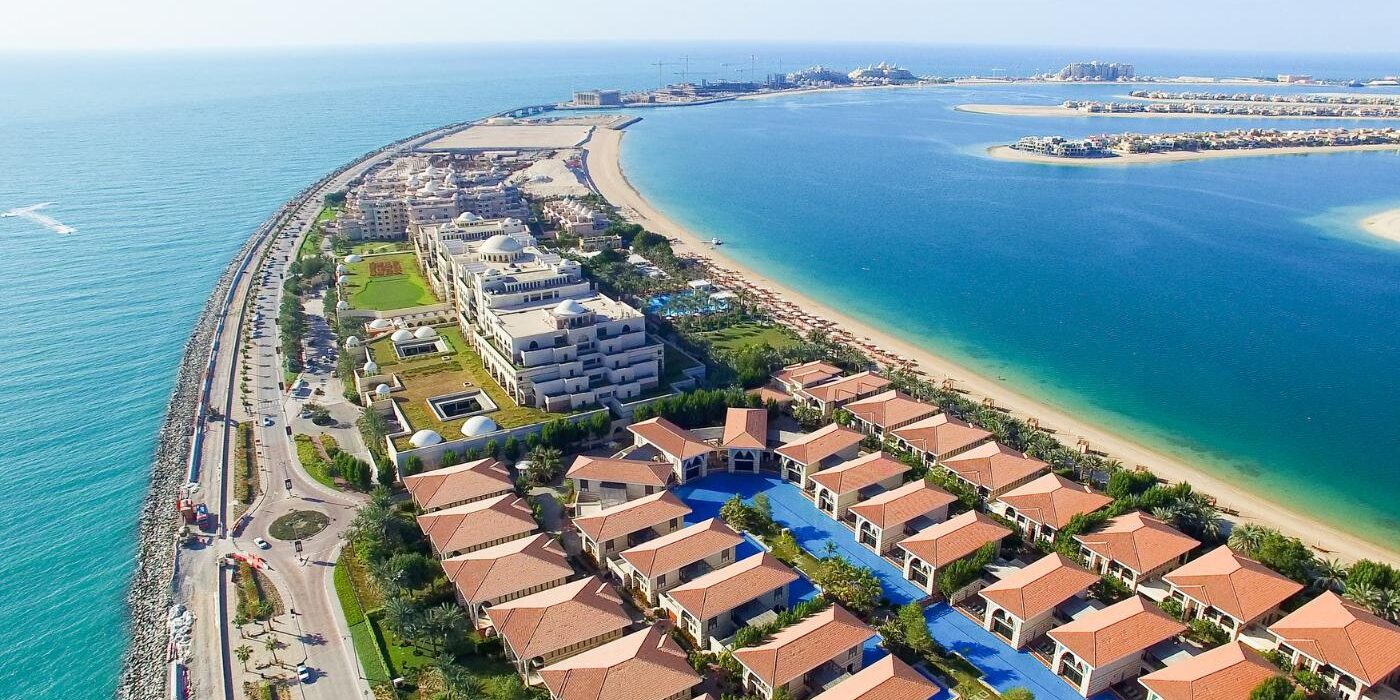
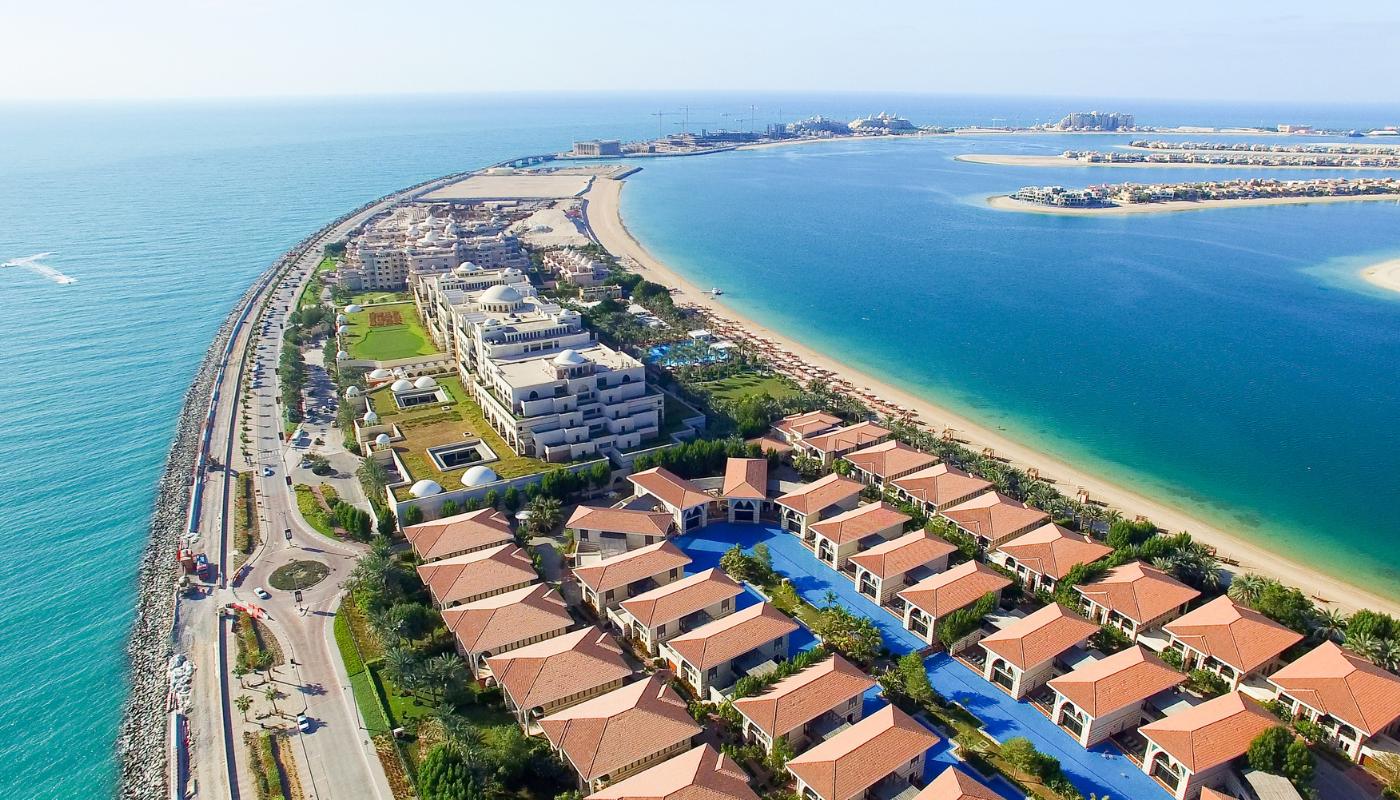
Dubai Real Estate 2026: Should You Invest in Villas or Apartments?

Dubai Villas vs Apartments 2026: Which Property Is the Smarter Investment?

Dubai’s real estate market continues to attract investors from around the globe, thanks to its potential for high returns and luxurious lifestyle offerings. A common dilemma for buyers and investors remains: should you put your money into a villa or an apartment? This decision not only impacts your lifestyle but also shapes your long-term investment strategy.

Villas provide exclusivity, larger spaces, higher capital appreciation, and a premium living experience, whereas apartments are often more affordable, easier to maintain, and offer higher rental yields. Your choice should align with your personal preferences, budget, and investment objectives. In this guide, we’ll compare villas and apartments in Dubai across critical factors like ROI, location, lifestyle, and more, helping you make an informed investment decision.

Understanding Dubai’s Real Estate Market

Dubai has emerged as one of the most dynamic and investor-friendly property markets in the world. From beachfront villas to high-rise apartments in the city center, buyers have a wide spectrum of options to choose from. Strong regulations, transparent governance, and investor-focused policies make Dubai a reliable destination for both local and international investors.

Zero personal income tax, increasing tenant demand, and the introduction of the Golden Visa have further boosted investor confidence. Additionally, the city’s modern infrastructure and booming tourism sector ensure long-term growth potential. Foreign investors can also enjoy 100% ownership in Dubai’s freehold areas, making it an even more attractive market.

Some of the most popular freehold apartment communities include Downtown Dubai, Dubai Marina, Business Bay, Jumeirah Beach Residences, Emaar Beachfront, and Bluewaters Island, offering a mix of luxury and convenience. On the villa side, prestigious communities such as Emirates Hills, Arabian Ranches, The Meadows, The Springs, and Jumeirah Islands are highly sought-after for their exclusivity, space, and premium lifestyle.
Villas in Dubai: Advantages and Disadvantages

Villas in Dubai symbolise luxury, space, and exclusivity, making them a top choice for investors across the world.

Advantages of Investing in Villas

  • Spacious Living: Villas in Dubai come with expansive layouts that include multiple bedrooms, large living areas, private gardens, and swimming pools. Their generous size makes them ideal for big families or anyone who values open space and privacy.

  • Complete Ownership: When you buy a villa, you gain full ownership of both the property and the land. This gives you complete freedom to design, renovate, and furnish your home according to your personal taste and lifestyle.

  • Outdoor Living: Many villas feature terraces, balconies, and private gardens, offering residents a true outdoor living experience. This becomes even more enjoyable during Dubai’s pleasant winter months.

  • Family-Friendly Lifestyle: Villas are standalone properties, providing privacy and ample space for children to play safely. The presence of gardens and yards encourages outdoor activities within a secure environment.

  • Long-Term Value Growth: Although villas generally provide lower rental yields compared to apartments, their property values tend to appreciate steadily, making them an excellent long-term investment.

Disadvantages of Investing in Villas

  • High Purchase Prices: Villas, especially those located in prime neighbourhoods or gated communities, come with high price tags due to their size and exclusivity.

  • Costly Maintenance: Maintaining a villa can be expensive. Regular expenses include landscaping, pool cleaning, and ongoing repairs or renovations.

  • Lower Liquidity: Villas usually take longer to sell because of their higher price and niche market appeal, making them a less liquid investment option.

  • Distance from the City Centre: Most villa communities are located on the outskirts of Dubai, which can result in longer commute times.

  • Limited Access to Amenities: Suburban villa areas may be farther away from shopping malls, restaurants, and public transportation, reducing convenience for daily needs.

Apartments in Dubai: Advantages and Disadvantages

Advantages of Investing in Apartments

  • Affordable Entry Point: Apartments are more affordable than villas, making them the most accessible option for first-time investors or those with limited budgets.

  • Low Maintenance Costs: With fewer rooms and smaller spaces, apartments are easier and cheaper to maintain. Building management usually handles common area maintenance, landscaping, and facilities upkeep—saving both time and money.

  • Modern Amenities: Many apartment complexes come equipped with luxury amenities such as gyms, swimming pools, concierge services, and 24/7 security, ensuring comfort and convenience.

  • Prime Urban Locations: Apartments are often located close to public transport, shopping centers, restaurants, and entertainment hubs, adding to their lifestyle appeal.

  • High Rental Demand and Returns: Areas such as Downtown Dubai, Dubai Marina, and Jumeirah Village Circle (JVC) see strong tenant demand, leading to higher rental yields for landlords.

  • Easy Resale: Apartments are generally easier and faster to sell, providing high liquidity for investors.

Disadvantages of Investing in Apartments

  • Limited Space: Apartments offer smaller living areas compared to villas, which can impact comfort and lifestyle for larger families.

  • Reduced Privacy: Shared walls with neighboring units mean less privacy and greater exposure to noise.

  • Oversupply Concerns: The constant addition of new apartment projects can increase competition, affecting rental demand and resale prices.

  • Service Charges: Maintenance and service charges in premium buildings can be quite high, potentially reducing overall returns for property owners.

Investment Comparison: Villas vs Apartments

Before investing in a property, it’s crucial to understand which type—villa or apartment—aligns better with your financial goals. Apartments generally offer stronger rental returns, averaging between 6% and 9%, especially in high-demand locations like Dubai Marina, Downtown Dubai, and Jumeirah Village Circle (JVC). In contrast, villas typically yield around 4% to 6%, as tenant demand for villas is relatively lower compared to apartments in Dubai.

Over the long term, however, villas tend to appreciate more in value than apartments, making them ideal for capital growth. On the other hand, apartments serve as an easier entry point for most investors due to their affordability. For instance, the average price of a one-bedroom apartment in Downtown Dubai is approximately AED 2.3 million, although prices vary depending on location, floor level, and size. Naturally, villas come at a higher upfront cost.

If your goal is short-term ROI, apartments are the smarter choice, thanks to their high liquidity and consistent tenant demand. They are quick to rent and easier to resell, offering faster returns. In contrast, villas are better suited for long-term investments, as their value appreciates steadily over time. Choose villas if your focus is on long-term capital appreciation.

Key Differences Between Apartments and Villas

FeatureVillasApartments
OwnershipFull ownership of landOwnership limited to the unit
PrivacyGreater privacy, no shared wallsShared walls, less privacy
CustomizationHigh flexibility to modifyLimited customization options
MaintenanceMore complexEasier to manage
SizeLarger built-up areaTypically smaller layouts
Rental DemandModerateHigh
ConvenienceLessMore
Purchase CostHighLower
LiquiditySlower to sellFaster resale potential
Rental Yield4%–6%6%–9%

Which Property Is the Smarter Investment in 2026?

Both villas and apartments are expected to deliver strong returns in 2026. With limited availability and increasing demand for luxury villas in Dubai, property values are projected to rise steadily. Villas are particularly attractive to large families and high-net-worth individuals seeking privacy, spacious layouts, and exclusivity. If your goal is long-term capital growth, investing in villas can be a rewarding choice—though it does come with a higher initial cost.

For those aiming for consistent rental income, apartments stand out as the better option. They serve as an accessible entry point for investors and remain highly popular among young professionals and expatriates, keeping rental demand strong. By 2026, both property types are expected to see rising demand, offering investors opportunities for both capital appreciation and steady rental yields. Ultimately, your investment decision should align with your financial goals—choose villas for long-term gains or apartments for higher rental returns.

Icon Real Estate – Your Trusted Property Investment Partner

Icon Real Estate is a leading Dubai-based agency specializing in the purchase and sale of both luxury and affordable properties. Our experienced professionals have helped countless investors and homebuyers make informed decisions tailored to their goals and budgets. Whether you’re looking for a modern apartment or a luxurious villa in Dubai’s thriving real estate market, our experts will guide you to the perfect property. Get in touch with Icon Real Estate today to start your investment journey!

Conclusion

Deciding between a villa and an apartment ultimately depends on your investment priorities and lifestyle needs. Villas provide generous space, enhanced privacy, and solid long-term appreciation, making them a popular choice for families and wealthy investors searching for Luxury Homes in Dubai. Apartments, on the other hand, are more affordable and offer higher rental yields due to continuous tenant demand and easy market liquidity.

Both asset types hold strong potential—your ideal choice simply depends on whether you value steady rental income or long-term capital growth.

FAQ

Q1. Are villas or apartments better for rental income in Dubai 2026?
Apartments generally offer higher rental yields in 2026, especially in central areas like Downtown Dubai, Business Bay, and Dubai Marina. These locations attract professionals, tourists, and short-term tenants, ensuring consistent occupancy. Villas, on the other hand, provide stable long-term rental income, particularly from families and expatriates looking for spacious living.

Q2. Which areas offer the best ROI for villa investments?
Some of the top-performing villa communities in 2026 include Dubai Hills Estate, Palm Jumeirah, Arabian Ranches, and Damac Hills. These areas continue to see strong demand from both buyers and tenants, ensuring high capital appreciation and steady rental returns.

Q3. Is 2026 a good time to invest in Dubai real estate?
Yes, 2026 is expected to be a promising year for real estate investment in Dubai. The city’s continued economic growth, infrastructure expansion, and investor-friendly policies—such as long-term visas and zero property taxes—make it an ideal time to enter the market.

Q4. Can foreigners buy villas and apartments in Dubai?
Absolutely. Foreign investors can buy freehold properties in designated zones across Dubai. Popular freehold areas include Downtown Dubai, Business Bay, Palm Jumeirah, Dubai Hills Estate, and Jumeirah Village Circle (JVC). This allows expats and international buyers to fully own and manage their properties without restrictions.

Q5. What factors should investors consider before choosing a property type?
Investors should evaluate key factors such as budget, location, target tenant type, rental yield potential, and maintenance costs. Villas are ideal for those seeking luxury, long-term appreciation, and exclusivity, while apartments are better suited for investors focused on affordability, liquidity, and higher short-term returns.


Why Dubai South Is the Best Property Investment in Dubai in 2025

Why Dubai South Is the Best Property Investment in Dubai in 2025

Dubai South has evolved from an emerging district into one of Dubai’s most attractive investment destinations in 2025. Its proximity to the Expo 2020 legacy site and the ongoing expansion of Dubai World Central (DWC) have significantly boosted its appeal among investors worldwide. Additionally, the seamless mix of commercial zones, advanced logistics infrastructure, and reasonably priced residential options adds a unique edge to the area.

For investors looking to grow their capital, Dubai South presents a rare opportunity. It allows exposure to aviation and logistics sectors while offering residential properties without the hefty price tags typical of Dubai’s prime areas. In this post, we explore why Dubai South stands out as the smartest investment choice in 2025, thanks to its free zone business benefits, government-led incentives, thoughtfully designed master plan, and large-scale infrastructure development.

Why Dubai South Is Becoming the Next Investment Hotspot

Dubai South has evolved from an emerging district into one of Dubai’s most attractive investment destinations in 2025. Its proximity to the Expo 2020 legacy site and the ongoing expansion of Dubai World Central (DWC) have significantly boosted its appeal among investors worldwide. Additionally, the seamless mix of commercial zones, advanced logistics infrastructure, and reasonably priced residential options adds a unique edge to the area.

For investors looking to grow their capital, Dubai South presents a rare opportunity. It allows exposure to aviation and logistics sectors while offering residential properties without the hefty price tags typical of Dubai’s prime areas. In this post, we explore why Dubai South stands out as the smartest investment choice in 2025, thanks to its free zone business benefits, government-led incentives, thoughtfully designed master plan, and large-scale infrastructure development.

1. Government-Driven Master Plan

Dubai South, launched in 2006, is a flagship urban development project backed by the Government of Dubai. Spanning an impressive 145 square kilometers, the city is designed with clearly defined districts and a strong focus on public infrastructure investment.

Key zones—such as Residential, Golf, Aviation, Logistics, and Commercial—aim to support economic diversification while boosting state-of-the-art infrastructure. The project aligns closely with Dubai’s 2040 Urban Vision and reinforces the city’s ambition to be a leading global business center. This strong institutional support makes Dubai South particularly appealing to investors who prefer low-risk, government-backed developments.

2. Expansion of Al Maktoum International Airport (Phase 2)

At the heart of Dubai South lies Al Maktoum International Airport, currently undergoing a massive AED 128 billion expansion. The second phase is set to transform the area into a world-class aviation and logistics hub, ultimately making it five times larger than Dubai International Airport (DXB).

The expansion includes five parallel runways and 400 aircraft gates, enabling the airport to handle up to 260 million passengers annually. This strategic growth is expected to stimulate aviation supply chains and attract cargo operators, freight services, and MRO (maintenance, repair, and overhaul) businesses.

For investors, this means sustained commercial demand in sectors such as last-mile logistics, warehousing, hospitality for business travelers, and employee accommodations. With high occupancy potential and strong rental yields, properties in Dubai South present a compelling medium-term investment opportunity.

3. The Impact of the Expo City Legacy

Expo City Dubai, located near Dubai South, has become a major catalyst for growing demand in the area. Rather than being a one-time global event, Expo 2020 planted the foundation for long-term developments in education, tourism, innovation, and international business.

The presence of legacy institutions from Expo 2020 continues to attract visitors, corporations, and entrepreneurs to Dubai South. This influx is fueling strong demand for both short-term and long-term rentals, as well as boosting opportunities in hospitality and residential investments.

4. Diversity Across Multi-Purpose Districts

Dubai South has been masterfully planned as a multi-functional urban hub, not limited to a single purpose. It seamlessly integrates residential, retail, aviation, and logistics sectors—creating a balanced and sustainable ecosystem.

This diversity minimizes risk exposure associated with any single industry and allows investors to benefit from a wide range of opportunities beyond housing and luxury tourism. As a result, Dubai South offers a well-rounded investment environment with resilience and long-term growth potential.

5. Investor-Friendly Setup and Free Zone Benefits

Dubai’s business ecosystem offers some of the most attractive incentives globally. Setting up a business or regional headquarters in Dubai South comes with simplified licensing procedures and quick approvals, allowing entrepreneurs to launch with ease.

Moreover, investors in Dubai’s free zones enjoy 100% foreign ownership, tax-friendly policies, and efficient customs clearance processes—especially advantageous for trade and logistics businesses.

This investor-oriented environment fuels rising tenant demand from logistics companies and international SMEs, particularly among those seeking office spaces, commercial units, or warehouses in a growth-ready location.

6. Affordable Entry Points and High Investment Value

Compared to established premium areas such as Downtown Dubai and Palm Jumeirah, Dubai South stands out for its affordability. While Downtown properties average around AED 2,899 per sq. ft and Palm Jumeirah reaches AED 3,813 per sq. ft, Dubai South offers prices averaging around AED 1,469 per sq. ft—nearly three times lower.

This cost advantage provides investors with an ideal entry point into Dubai’s real estate market. As the district continues to develop, property values are projected to appreciate steadily, ensuring strong capital gains and higher rental yields compared to other parts of the city.

7. Transactions and Rising Market Demand

As of September 2025, Dubai South continues to experience strong transaction activity and rising property prices. This growth is primarily fueled by favorable visa policies and a steady inflow of foreign investment, positioning the area as one of Dubai’s top real estate investment destinations in 2025.

Between April and October 2025, approximately 2,827 property transactions were recorded — a 2.8% increase in sales volume. Additionally, the total sales value reached AED 3 billion, highlighting the area’s impressive growth momentum.

This upward trend has significantly benefited Dubai South investors. Expo-related developments and employment growth in the aviation and logistics sectors continue to attract residents, boosting both rental demand and housing occupancy. The community’s thriving population of young professionals, hospitality staff, and corporate employees plays a key role in maintaining this strong demand.

8. Rental Market and Yield Opportunities in Dubai South

With more affordable entry prices compared to central Dubai, Dubai South presents investors with an excellent opportunity for sustained long-term rental income. The tenant mix primarily includes small business owners, airport personnel, and logistics professionals who prefer practical and cost-efficient housing over luxury properties.

The area’s average rental yield of around 7.52% makes mid-market projects in Dubai South particularly appealing for investors seeking high returns and stable cash flow.

9. Sustainability, Long-Term Vision, and Master Plan Insights

Beyond financial gains, Dubai South provides investors with sustainable and future-focused benefits in 2025. The master plan integrates eco-friendly urban planning and phased development, fully aligned with Dubai’s 2040 Urban Vision.

Whether you’re a savvy investor or an eco-conscious buyer, this visionary approach ensures a high-quality living environment and sustained property value growth over time. The project’s alignment with Dubai’s long-term regulatory framework further supports steady capital appreciation, ensuring returns that extend well beyond short-term gains.

Practical Investment Strategies for 2025

1. Newly Launched Off-Plan Projects:
Focus on recently announced developments from reputable builders. Opting for properties with completion-linked payment plans can help manage financial risk and reduce payment pressure during the construction phase.

2. Mixed-Use Commercial Properties:
When investing in Dubai South, consider spaces catering to F&B outlets, airport services, and last-mile retail operations—all of which offer consistent demand and stable rental income.

3. Small Warehouses & Logistics Units:
These assets are highly attractive to corporate tenants, especially international freight companies. They often provide short lease terms, strong occupancy rates, and impressive ROI.

4. Buy-to-Let Apartments:
Target mid-market residential units in locations with a dependable tenant base. These properties typically ensure regular occupancy and sustainable rental yields.

Conclusion

In 2025, Dubai South emerges as a top-tier investment destination, strengthened by its advanced infrastructure and proximity to the Expo City Dubai site. Its investor-friendly policies, diverse real estate mix, and growing business ecosystem continue to fuel long-term value appreciation.

Whether your goal is to acquire growth-oriented assets without paying the premium of central Dubai, or to earn high rental yields, Dubai South is a strategic and rewarding choice—especially for investors exploring Luxury Homes in Dubai as part of their long-term portfolio strategy. However, investors should always practice thorough due diligence—assessing projected returns, partnering with credible developers, and focusing on properties close to transport links and operational hubs to ensure sustainable success.

How to Cancel UAE Residency Visa in Dubai: Complete Guide

How to Cancel UAE Residency Visa in Dubai: Complete Guide

Cancelling a residency visa in Dubai is a crucial step for anyone planning to leave the UAE permanently, change jobs, or switch to a new visa category. The process ensures that your legal status in the country is properly updated and that you remain compliant with UAE immigration laws.

According to UAE regulations, every expatriate must have their residency visa officially cancelled before exiting the country or applying for a new one. Failing to do so can result in fines, travel restrictions, or even bans on future entry.

A UAE residency visa gives individuals the legal right to live, work, invest, and enjoy access to government services and financial facilities within the country. However, if you intend to leave the UAE permanently, it’s essential to officially cancel your residence visa. Below is a complete overview of the Dubai residency visa cancellation process, including key procedures, fees, and important requirements.

Residency Visa Cancellation in Dubai and the UAE: Steps, Fees, and Details

Here’s a detailed guide to help you understand how to cancel a Dubai residence visa efficiently.

Who Can Cancel a UAE Residence Visa?

Only the sponsor—either an individual or an organisation—has the authority to cancel your residence visa.

If you hold a UAE property investor visa or any other type of investor visa, you are allowed to initiate the cancellation process independently. These are the only circumstances under which an individual can cancel their own Dubai residence visa.

Dubai Residence Visa Cancellation Process for Company-Sponsored Employees

If your UAE residence visa is sponsored by a company, your employer is responsible for initiating the cancellation process. The first step involves submitting a request to cancel your labour card and employment contract with the Ministry of Human Resources and Emiratisation (MOHRE). Your signature is required on this application to confirm your consent.

After receiving approval from MOHRE, the company can proceed to cancel your visa through the Federal Authority for Identity, Citizenship, Customs & Port Security (ICP).

Your employer must also cancel your work permit, but this step requires a signed clearance letter from you. The letter should confirm that you have received all your final dues, including gratuity, repatriation costs, and any other agreed benefits.

Steps to Cancel a UAE Residence Visa via GDRFA Dubai

Once your company has completed the above procedures, you’ll receive a clearance statement, which allows the company to file a visa cancellation request through the General Directorate of Residency and Foreign Affairs (GDRFA) in Dubai.

If you have dependents (such as family members) under your residence visa, their visas must be cancelled first before yours can be processed. You can complete this either online through the official GDRFA website or by visiting an Amer typing centre.

1. Online Visa Cancellation Process

  1. Visit the official GDRFA online portal.

  2. Navigate to Services → Residency Services → Cancellation of Residence Visa → Cancellation of All Types of Residence Permits.

  3. Click the red “Start Service” button on the left-hand side.

  4. Log in using your UAE Pass credentials, or create a new account if you don’t already have one (you’ll need to download the UAE Pass app and verify your identity through facial recognition).

  5. Fill out the online application form, entering details such as your passport number, visa number, and nationality.

  6. Attach the required documents, including a copy of your residence visa and Emirates ID (if it wasn’t stamped).

  7. Pay the applicable service fees online.

  8. Submit your application for processing.


2. Visa Cancellation via Registered Typing Centres

  1. Visit your nearest Amer typing centre (open from 8:00 AM to 8:00 PM).

  2. The centre’s staff will assist you in completing the cancellation form and reviewing your documents.

  3. Pay the service fee at the counter.

  4. Submit your application, and you will be notified once the process is complete.


Applicable Fees

  • Service Fee: AED 100

  • Innovation Fee: AED 10

  • Knowledge Dirham Fee: AED 10

Visa Cancellation through the Federal Authority for Identity

UAE sponsors can submit a visa cancellation request directly through the ICP (Federal Authority for Identity, Citizenship, Customs & Port Security). Below are the main ways to complete the process.

Online Method

  1. Visit the official ICP website.

  2. Go to “Services for Individuals” and choose “Cancel Residency Permit.”

  3. Upload or submit the required documents:

    • Residency permit

    • Trade licence (for partners or investors)

    • Death certificate (if the visa holder has passed away within the UAE)

  4. Proceed to the payment page and pay the applicable fees using a credit or debit card.

  5. Once completed, click Submit to finalize your application.

Through Registered Typing Centres

You can also cancel a visa by visiting any authorized ICP typing centre. Follow these steps:

  1. Locate and visit the nearest ICP typing centre.

  2. Fill out the cancellation form.

  3. Submit all required documents.

  4. Pay the necessary fee.

  5. Submit your request and wait for approval.

Dubai Residence Visa Cancellation Fees

The visa cancellation fee depends on the visa type or sponsorship category:

CategoryFee (AED)
Family member of a foreign resident150
Retired resident150
Property owner resident150
Family member of a UAE or GCC national150
Foreign student150
Employee of a public, private, or free zone companyNo fees

In addition to the above methods, visa holders can also cancel their UAE visa using the ICP mobile app, available for both Android and iOS devices.

The UAE visa cancellation process usually takes around 48 hours, though it may take longer during public holidays or depending on employer procedures.

Visa Validity and Important Notes

The validity of a UAE residence visa varies according to its type and sponsor. You can check your Dubai visa status using your passport number to confirm if it’s still active.

If you’ve been outside the UAE for more than six months, your residence visa will automatically be cancelled. In this case, you will not be allowed to re-enter the UAE using that visa and will need to obtain a visit visa or visa on arrival, depending on your nationality — something important to remember, especially for people frequently travelling while exploring Luxury Homes in Dubai.

Employees who leave the UAE without proper resignation or visa cancellation may be reported as absconding, leading to a travel ban or even arrest upon re-entry into the country.

Before departing, it’s essential to clear all outstanding payments—including loans, utility bills, and other liabilities—to avoid legal complications.

Always ensure you obtain your visa cancellation proof (either a stamped document or a printed confirmation) before leaving the UAE.

FAQs

Q1. How can I cancel my UAE residency visa online?
You can cancel your UAE residency visa online through the GDRFA (General Directorate of Residency and Foreigners Affairs) portal or by visiting an AMER Centre. Your sponsor or employer must initiate the cancellation request.

Q2. How long does it take to cancel a UAE residency visa?
The process usually takes 1 to 3 working days, provided all required documents are submitted correctly and there are no pending fines or obligations.

Q3. Can I cancel my own visa without my employer?
No. Only your employer or sponsor has the legal authority to cancel your residency visa. If your employer refuses, you can approach MOHRE or GDRFA for assistance.

Q4. What happens if my UAE visa is not cancelled properly?
If your visa is not officially cancelled, it remains active in the system, which can lead to overstay fines, legal issues, or even a travel ban when you try to re-enter the UAE.

Q5. How long can I stay in the UAE after visa cancellation?
You are allowed a 30-day grace period after visa cancellation to either leave the country, apply for a new visa, or change your visa status.

Q6. What is the cost of cancelling a UAE residency visa?
The average cost ranges between AED 100 and AED 250, depending on the visa type and service centre used.

Q7. Do I need to cancel my family’s visas before my own?
Yes. If you are a sponsor for dependents (spouse or children), you must cancel their visas before cancelling your own residency visa.

Q8. Can I transfer my visa to a new employer without leaving the UAE?
Yes, you can transfer your visa locally if your new employer files a visa status change before the 30-day grace period expires.

Q9. What documents are needed for visa cancellation?
Commonly required documents include:

  • Original passport

  • Emirates ID

  • Visa page copy

  • Signed cancellation form from sponsor

  • Labour card cancellation proof (for employees)

Q10. Can I cancel my UAE visa if I am outside the country?
Yes. Your sponsor can still cancel your visa while you are outside the UAE by applying through GDRFA, provided all dues are settled and documents are complete.

Where to Find Affordable Office Space for Rent in Dubai

Where to Find Affordable Office Space for Rent in Dubai

The process of locating the perfect office space in Dubai can often seem daunting, given the abundance of choices available. It’s crucial to select a location that aligns with your specific business needs without exceeding your financial limits. A good strategy is to focus on the price per square foot, which allows you to secure a workspace perfectly sized for your team. This post will examine various Dubai neighborhoods where you can rent office space, detailing the average annual rents based on the cost per square foot.

Disclaimer: Although these figures offer a general perspective, the actual size of the office you need will be determined by elements such as your unique requirements, the nature of your company’s operations, and your total headcount. We strongly suggest seeking advice from a seasoned real estate agent or an office space consultant for personalized recommendations.

Small Office Spaces for Rent in Dubai

Looking for the best locations in Dubai to rent compact office spaces based on square footage? Below are the top three areas offering offices under 1,000 sq. ft., ideal for startups, freelancers, or small businesses. Keep in mind that rental prices can differ depending on the location, amenities, and building facilities.

SizeLocationAverage Annual RentAvg. Price per Sq. Ft. (PPSF)
Up to 1,000 sq. ft.Business BayAED 164,000AED 216.23
Up to 1,000 sq. ft.DeiraAED 23,000AED 142.00
Up to 1,000 sq. ft.Bur DubaiAED 32,000AED 150.04

Business Bay

Business Bay tops the list of popular neighbourhoods for renting office spaces in Dubai. This vibrant district offers a mix of residential, commercial, and multipurpose developments, making it ideal for tenants, investors, and growing businesses alike. Located alongside the scenic Dubai Canal and bordering the energetic Downtown Dubai, Business Bay spans approximately 46.9 million sq. ft. Of this area, 22.1% is dedicated to residential projects, 18.5% to commercial use, and the remaining 59.4% to mixed-use developments.

Office spaces for rent in Business Bay under 1,000 sq. ft. are priced at around AED 164K per year, with an average cost of AED 216.23 per sq. ft.

Deira

Deira — one of Dubai’s oldest and most iconic business districts — sits strategically between Dubai Creek, Sharjah, and the Arabian Gulf. Despite its vintage charm, this lively hub continues to attract both residents and entrepreneurs seeking affordable yet high-traffic commercial locations.

Recognized as one of the best areas to rent offices in Dubai per square foot, Deira offers budget-friendly rental and sales options. On average, office spaces in Deira are available for AED 23,000 annually, with a price per square foot (PPSF) of AED 142.

Bur Dubai

If you’re still searching for cost-effective office spaces in Dubai by size, Bur Dubai is another excellent option. Known for its rich heritage, this historical district showcases a blend of cultural landmarks, traditional souks, and classic architecture. In addition to its old-world charm, Bur Dubai hosts several modern commercial buildings equipped with the latest facilities for business operations.

The average rent for office spaces in Bur Dubai is approximately AED 32,000 per year, with a PPSF of AED 150.04.

Mid-Sized Office Spaces for Rent in Dubai

If your business has started to grow and you’re now looking for a medium-sized office space in Dubai ranging from 1,000 to 2,500 sq. ft., you’ll find some of the best options in Business Bay, Jumeirah Lake Towers (JLT), and Sheikh Zayed Road. These prime locations offer well-equipped office units perfectly suited for expanding companies.

Square FootageAreaAverage Annual RentAverage Price per Sq. Ft.
1,001 – 2,500 sq. ft.Business BayAED 211,000AED 210.97
1,001 – 2,500 sq. ft.JLTAED 223,000AED 188.95
1,001 – 2,500 sq. ft.Sheikh Zayed RoadAED 301,000AED 212.29

Business Bay

If you’re searching for office rentals in Dubai based on specific square footage, Business Bay stands out as one of the top choices. This vibrant commercial hub attracts both international and local businesses, featuring striking architecture, luxury hotels, excellent connectivity, and a full range of amenities.

For offices between 1,000 and 2,500 sq. ft., Business Bay offers an average annual rent of AED 211,000, with a price per square foot around AED 210.97. The area’s mix of prestige, accessibility, and professional environment makes it ideal for growing companies.

Jumeirah Lake Towers (JLT)

Jumeirah Lake Towers (JLT) is another popular destination for renting mid-sized offices in Dubai. This stunning waterfront development is home to the Dubai Multi Commodities Centre (DMCC) free zone and is divided into 26 clusters (A–Z) featuring residential, commercial, and hospitality properties. The community is well-connected through Sheikh Zayed Road and First Al Khail Street.

JLT is not just a sought-after residential area — it’s also recognized as one of the most in-demand districts for office rentals per square foot in Dubai. Businesses benefit from modern infrastructure, diverse amenities, and competitive rental rates.

Currently, renting an office in JLT costs approximately AED 223,000 per year, with an average price of AED 188.95 per square foot.

Sheikh Zayed Road (SZR)

Sheikh Zayed Road (SZR) is another prime area for office rentals in Dubai, particularly for those searching based on square footage. Known for its heavy traffic and iconic skyline of high-rise buildings, SZR is a thriving hub for both residential and commercial purposes, including those exploring Luxury Homes in Dubai. Its proximity to major business centers makes it an attractive choice for professionals.

For office spaces under 2,500 sq. ft. in Sheikh Zayed Road, the annual rent averages AED 301,000, with a per square foot cost of AED 212.29.

Large Office Spaces in Dubai

Expanding businesses often require larger workspaces to accommodate staff and operations. Areas such as Business Bay, JLT, and Sheikh Zayed Road are excellent options for mid-sized to large office rentals. These locations not only provide spacious offices of over 2,500 sq. ft. but also offer state-of-the-art facilities and convenient access to public transport, making day-to-day business operations smooth.

Square FootageLocationAverage Annual RentAvg. Price per Sq. Ft.
2,501+ sq. ft.Business BayAED 178,000AED 226.58
2,501+ sq. ft.Sheikh Zayed RoadAED 198,000AED 191.00
2,501+ sq. ft.JLTAED 175,000AED 216.49
  • Large office spaces in Business Bay are available at an annual rent of AED 178,000, averaging AED 226.58 per sq. ft.

  • Offices in Sheikh Zayed Road cost around AED 198,000 annually, with a price of AED 191 per sq. ft.

  • JLT offers spacious office units over 2,500 sq. ft. at an annual rent of AED 175,000, with an average of AED 216.49 per square foot.

❓ Frequently Asked Questions (FAQs)

1. What is the average office rent per square foot in Dubai?
The average office rent in Dubai ranges between AED 50 to AED 250 per square foot, depending on the area, building quality, and amenities. Prime locations like DIFC and Downtown Dubai are on the higher end, while areas like JLT and Al Quoz offer more affordable options.

2. Which are the most popular areas for office rentals in Dubai?
Top areas for renting offices in Dubai include Business Bay, DIFC, Downtown Dubai, Jumeirah Lake Towers (JLT), and Dubai Media City. Each area offers unique advantages such as business connectivity, transport access, and brand visibility.

3. What factors should I consider before renting an office in Dubai?
You should evaluate the location, square footage, budget, license type (free zone or mainland), parking availability, and lease terms. Proximity to clients, employees, and transport hubs is also crucial for long-term convenience.

4. Can foreign companies rent office space in Dubai?
Yes, foreign-owned companies can rent office space in Dubai. You can lease property either in a free zone (where you can own 100% of your business) or on the mainland (where you operate under the Department of Economic Development with a local license).

5. What is the minimum office space requirement in Dubai free zones?
Most Dubai free zones require a minimum of 100 to 200 square feet of office space to register a company. However, this varies depending on the free zone’s regulations and the type of license being applied for.

6. Are there flexible office spaces or coworking options available in Dubai?
Absolutely. Dubai has seen a surge in flexible and coworking office spaces, especially in Business Bay, DIFC, and JLT. These options are ideal for startups, freelancers, and remote teams seeking cost-effective and collaborative environments.

7. How can I find affordable office space in Dubai?
To find affordable offices, explore emerging business districts such as Al Quoz, Al Barsha, or JLT. Compare listings on trusted real estate platforms like LuxurySpaces.co to evaluate size, amenities, and per-square-foot pricing before making a decision.

8. Are office rental prices negotiable in Dubai?
Yes, rental prices are often negotiable—especially for long-term leases or if the office space has been vacant for a while. It’s advisable to work with a professional property broker to help you negotiate better terms and secure the most favorable deal.

How Fractional Property Investment Works in Dubai (2025 Guide)

What Is Fractional Property Ownership in Dubai? A Smart Real Estate Investment

Dubai’s real estate market in 2025 continues to stand out as one of the most dynamic and resilient in the world. With consistent demand from both local and international investors, the city has positioned itself as a global hub for luxury living, innovation, and long-term growth. As property prices and demand for prime locations continue to rise, investors are actively seeking smarter, more flexible ways to participate in this booming market without committing to the full financial burden of traditional ownership.

Dreaming of owning property in Dubai without spending millions? Fractional property ownership is turning that dream into reality. Known for its futuristic skyline and luxurious lifestyle, Dubai has always been a magnet for global investors. However, high capital requirements often make entry difficult for many. With fractional ownership, the barrier is lowered — instead of purchasing an entire apartment or villa, you simply buy a share. That share grants you legal ownership, rental income potential, and resale rights. For many expats and first-time buyers, this model offers one of the most affordable ways to invest in Dubai real estate today.

Benefits of fractional ownership include:

  • Enables investors to start with smaller budgets

  • Offers access to prime locations without the full cost of ownership

  • Provides flexibility through shared management and resale opportunities

Backed by regulations from the Dubai Land Department (DLD), shared property ownership is now a recognized and growing segment of the mainstream Dubai real estate market.

What is Fractional Ownership in Real Estate?

Fractional ownership is an investment model where multiple individuals collectively own a single property, each holding a defined share or percentage of ownership. Unlike buying an entire property, fractional ownership allows investors to pool their resources and purchase a portion of a high-value asset — such as a luxury apartment, villa, or commercial unit — while still enjoying the benefits of ownership, including rental income and potential appreciation.

While shared ownership isn’t a new concept globally, Dubai has brought structure and security to the model through clear legal frameworks. Licensed platforms now facilitate fractional ownership in luxury properties, ensuring full compliance, escrow protection, and professional property management. Investors can now participate in prestigious areas such as Downtown Dubai, Business Bay, and Palm Jumeirah, without shouldering the entire financial load.

Major advantages include:

  • Lower entry cost: Minimum investment starts from AED 5,000, making property ownership accessible to young professionals and expats.

  • Diversification of risk: Rather than investing all your capital into a single property, you can spread your portfolio across several high-demand areas.

  • Shared expenses: Costs like service charges, maintenance, and registration are divided among co-owners.

  • Liquidity options: Many platforms provide secondary marketplaces to sell your shares when needed.

This model is gaining popularity as one of the smartest real estate investments in Dubai, blending true equity ownership with lower financial exposure. For many investors, it’s an entry point to consistent rental returns and long-term capital appreciation in a market once considered beyond reach.

Key Advantages of Fractional Ownership in Dubai

1. Affordable Entry Point for Investors

One of the biggest benefits of fractional ownership is its accessibility. You can start investing in Dubai real estate with as little as AED 5,000 through fractional ownership platforms. Mid-range properties may require between AED 25,000 and AED 50,000 per share, while premium assets can range from AED 50,000 up to AED 200,000. This model lowers the financial barrier, allowing more investors to participate in the Dubai property market.

2. Opportunity for Portfolio Diversification

Instead of purchasing a single property, fractional ownership allows you to spread your investment across multiple units. Investors can hold shares in both residential and commercial properties, balancing their risk and exposure. Many diversify across key locations like Jumeirah Village Circle (JVC), Downtown Dubai, and Arjan, ensuring a well-rounded portfolio.

3. Shared Costs and Lower Financial Risk

With fractional ownership, expenses such as Dubai Land Department (DLD) registration fees, service charges, and maintenance costs are divided among all co-owners. This shared structure makes property ownership more financially manageable. In addition, most platforms appoint professional property management companies to oversee tenant management, upkeep, and rent collection—reducing stress and effort for investors.

4. Flexibility and Liquidity Through Resale Options

Many regulated fractional ownership platforms in Dubai feature secondary markets where investors can resell their shares. These resale options are typically based on current market values, offering a practical exit strategy. While it may not be as fast as selling an entire property, this added liquidity gives investors greater control and flexibility over their investment timeline.

Legal Framework and Regulations

Is Fractional Ownership Legal in Dubai?

Yes — fractional ownership is fully recognised and permitted under Dubai’s property co-ownership laws. Investors can legally share ownership of a property, provided that each co-owner’s stake is registered with the Dubai Land Department (DLD). All related contracts must clearly define ownership rights, profit distribution terms, and dispute resolution mechanisms to ensure transparency among investors.

DLD and RERA Oversight

The Dubai Land Department (DLD) and the Real Estate Regulatory Authority (RERA) are the main governing bodies that regulate fractional ownership projects. Developers and platforms operating in this segment must comply with official escrow account regulations, property registration protocols, and advertising standards. Additionally, fractional property investment platforms are required to undergo regular compliance checks and investor identity verifications to maintain legal integrity.

Co-Ownership Agreement and Registration Process

A valid co-ownership agreement should clearly specify:

  • The percentage of ownership held by each investor

  • Voting and decision-making rights

  • Terms for profit distribution

  • Exit and resale clauses

Once finalized, the agreement is officially registered with the DLD. Ownership is recorded either as a joint title deed or through a Special Purpose Vehicle (SPV) — an entity supervised and regulated by the DLD to manage shared ownership structures securely.

How to Invest in Fractional Real Estate in Dubai

Step 1: Sign Up with a Licensed Platform or Developer
Start by registering on a trusted fractional ownership platform or with an authorized real estate developer.

Step 2: Complete Your KYC Verification
Submit your identification and compliance (KYC) documents to verify your profile before investing.

Step 3: Review Property and Legal Documents
Go through the property details, agreements, and disclosures provided by the platform to understand your rights and obligations as an investor.

Step 4: Proceed with the Payment
Once you’re satisfied, make your investment payment. The minimum amount varies based on the type and value of the property.

Step 5: Receive Your Ownership Certificate
After successful payment, you’ll receive a digital or physical ownership certificate confirming your share in the property.

Selecting the Right Platform or Developer

Choose only reputable and licensed platforms like SmartCrowd, Real Share, and Stake. These companies are regulated and transparent, offering complete visibility into:

  • Property details and investment terms

  • Projected ROI and rental income

  • Tenant information and DLD certification

Before transferring any funds, verify the platform’s regulatory status and ensure it’s registered with the relevant authorities.

Conducting Legal and Financial Due Diligence

Engage a registered real estate lawyer to review contracts and verify legal compliance. Examine how investor funds are held (custody model), and look for:

  • Independent financial audits

  • SPV (Special Purpose Vehicle) structure

  • Clear dispute resolution policies

If you’re a non-GCC investor, confirm that the property is located within freehold zones to ensure full ownership rights.

Understanding Returns and Exit Strategy

Fractional ownership returns differ by asset class:

  • Residential units typically generate 5% to 7.5% net ROI.

  • Short-term rental properties can yield up to 9%.

  • Commercial assets often offer higher returns but carry greater vacancy risk.

Key factors influencing returns include:

  • Occupancy and rental yield

  • Property management and service charges

  • Long-term capital appreciation

Exit Strategies

You can exit your fractional investment through the following options:

  • Sell your share via the platform’s internal resale marketplace.

  • Request a group exit—this applies if all co-owners mutually agree to sell the property.

  • Wait until maturity, as most fractional ownership projects in Dubai come with a 3–5 year holding period.

Your returns from fractional real estate in Dubai will generally follow overall market trends, so it’s wise to review each platform’s performance forecasts and projections before making a decision.

Risks and Challenges of Fractional Ownership

While fractional investing offers accessibility, it also comes with certain risks, such as:

  • Limited liquidity, as reselling your share might take several weeks.

  • Disagreements among co-owners over property decisions.

  • Platform inefficiencies or mismanagement.

  • Regulatory or policy changes that can affect ownership structures.

To minimize these risks, choose platforms that:

  • Keep investor funds in independent escrow accounts.

  • Register every transaction transparently.

  • Maintain legal segregation of client and company funds.

Having strong legal protection is crucial for safeguarding your investment.

Who Should Invest in Fractional Ownership?

Fractional property investment is an ideal choice for:

  • First-time investors exploring Dubai’s real estate market.

  • Expats with smaller budgets seeking property exposure.

  • Individuals seeking passive rental income.

  • Long-term residents who don’t qualify for traditional mortgages.

For expats investing in Dubai real estate, fractional ownership provides a lower-risk entry point, helping them diversify and balance their property portfolios effectively.

Fractional Ownership vs. Full Property Ownership in Real Estate

FeatureFractional OwnershipFull Ownership
Initial InvestmentTypically ranges from AED 5,000 to AED 200,000, making it accessible to more investors.Requires a larger capital outlay, usually starting from AED 600,000 or more.
Ownership RightsThe property is jointly owned by multiple investors.You enjoy complete and exclusive ownership of the property.
Legal RegistrationRegistered through a joint agreement or a Special Purpose Vehicle (SPV).Ownership is registered directly under your name.
Maintenance ResponsibilityCosts are divided among the co-owners.You bear all maintenance expenses individually.
Ease of ResaleModerate flexibility — resale depends on market demand and co-owner agreements.High flexibility, allowing you to sell or transfer ownership freely.
Rental ReturnsIncome is shared based on each investor’s ownership percentage.You receive 100% of the rental income.

The Future of Fractional Ownership in Dubai

Emerging Trends and Market Expansion

Dubai’s fractional ownership sector has grown rapidly in recent years. By 2025, tokenized real estate assets in the city reached an estimated AED 3.67 billion, with forecasts predicting this number could soar to AED 36.7 billion by 2030. This surge is largely fueled by rising interest from young investors and expatriates seeking affordable entry into the Dubai property market.

Technology and Blockchain Transforming Ownership

Modern platforms now rely on blockchain technology to record and manage shared property ownership. Smart contracts automate essential functions such as dividend distribution, dispute resolution, and ownership transfers. This innovation enhances transparency, minimizes fraud, and significantly builds investor confidence within the sector.

Global Momentum in Fractional Property Investment

Worldwide, investors are increasingly exploring fractional real estate ownership to access high-value properties without purchasing them outright. Dubai’s adoption of this model mirrors successful trends in New York, London, and Singapore, where shared ownership is reshaping property investment. The concept remains consistent—multiple stakeholders share ownership in a single asset, lowering the entry barrier and spreading risk. As technology, regulation, and investor demand evolve, Dubai stands out globally for its market transparency, innovation, and investment opportunities that cater to both residents and international buyers.

Digital Platforms Reshaping Shared Property Models

Advancements in digital platforms have revolutionized how shared ownership properties are marketed and managed. Previously, such investments involved lengthy paperwork and complex agreements. Now, blockchain-powered systems simplify transactions and ensure transparency throughout the process. Dubai’s regulators have actively supported tokenized property ownership, enabling easier, legally compliant management of fractional assets.

Key benefits include:

  • Tamper-proof ownership records supported by blockchain

  • Faster and more secure transactions through smart contracts

  • Greater investor confidence with transparent performance reporting

By integrating these systems, Dubai’s property platforms can register transactions directly with the Dubai Land Department (DLD), ensuring full legal recognition. This digital shift is attracting global investors interested in affordable, secure, and efficient property investment in Dubai.

Changing Investor Profiles and Preferences

Over the last decade, the profile of fractional investors has evolved. Today’s buyers include millennials, remote workers, and digital nomads who value flexibility and prefer owning part of a property rather than a full unit. In Dubai, many expatriates see fractional ownership as a stepping stone into the market before purchasing a complete property.

Typical investor trends include:

  • Millennials opting for accessible entry points with manageable costs

  • Retirees favouring income-generating properties with lower risks

  • International investors pursuing cross-border diversification

Districts like Business Bay and Jumeirah Village Circle (JVC) have become top choices due to their high rental yields and investment stability. This diversification approach shows that smart real estate investment in Dubai is no longer limited to ultra-luxury buyers—it’s now accessible to a wide range of income levels and global investors.

Expansion of the Luxury Fractional Ownership Market

Luxury shared property is emerging as one of the fastest-growing investment sectors worldwide. Traditionally, purchasing vacation homes, branded residences, or hotel apartments required millions in upfront capital. Today, through fractional ownership models, investors can collectively buy and share high-end assets.

This trend is gaining strong momentum in Dubai, where fractional ownership in luxury real estate now extends to branded towers on Palm Jumeirah and serviced residences in Downtown Dubai.

  • Enables mid-tier investors to access premium real estate locations

  • Offers both equity ownership and lifestyle benefits in a single investment

  • Enhances Dubai’s global image as a sophisticated property destination

Globally, investors are seeking luxury assets that combine prestige with steady rental returns. Fractional ownership offers that balance—allowing participation in iconic projects with lower financial risk. For Dubai, it means a broader investor base and a stronger position as a global real estate hub, especially appealing to expats and those priced out of full luxury ownership.

Regulation and Investor Security

The long-term success of fractional property investment relies heavily on strong legal and regulatory frameworks. In mature markets like the UK and the US, co-ownership and real estate crowdfunding already operate under structured guidelines. Dubai has followed suit by enabling DLD (Dubai Land Department) registration for fractional units and enforcing compliance through RERA.

These measures ensure that investors in shared property ownership in Dubai have the protection and transparency needed for confidence.

  • Contracts must clearly define profit distribution and exit clauses

  • Escrow accounts are mandatory for fractional property platforms

  • Regular audits maintain compliance with real estate laws

Dubai’s structured and transparent system draws attention from global investors. Unlike unregulated markets, investors here enjoy legally recorded and transferable ownership stakes. Coupled with lower entry barriers, this creates one of the most attractive and affordable investment opportunities in Dubai, ideal for first-time buyers and international investors seeking a secure yet innovative market.

How Fractional Ownership Stands Apart from Other Property Investment Models

At first glance, fractional ownership might resemble timeshares, REITs, or joint ventures. However, there are key distinctions. While each offers access to real estate without purchasing an entire unit, the ownership rights, income potential, and risk profiles differ significantly.

In Dubai, fractional property investment platforms emphasize that buyers receive real equity, not just limited usage rights. Unlike stock-based REITs or vacation clubs, this model provides direct legal ownership under DLD regulations.

To understand why this has become one of the smartest real estate investment models in Dubai, it helps to compare fractional ownership with other formats.

Fractional Ownership vs. Timeshares

Timeshares only grant usage rights for a specific period annually, typically offering little or no rental income and often losing value over time. In contrast, fractional ownership—especially in Luxury Homes in Dubai—provides actual equity, allowing investors to benefit from rental returns and long-term capital appreciation.

For instance, in Dubai’s shared property model, your ownership stake or SPV share is legally recorded under your name—ensuring legitimate co-ownership of the asset.

  • Timeshare = Limited usage rights

  • Fractional = Equity ownership + income potential

  • Fractional shares can be resold or transferred

This structure makes fractional systems highly appealing to investors seeking profitable Dubai real estate opportunities rather than just seasonal holiday access.

How to Check and Pay Traffic Fines in Dubai

How to Check and Pay Traffic Fines in Dubai

Dubai is renowned for its modern infrastructure, world-class roads, and advanced traffic management systems. However, maintaining such high standards requires strict enforcement of traffic rules and regulations. The Dubai government, through the Roads and Transport Authority (RTA) and Dubai Police, has implemented a comprehensive traffic system to ensure the safety and smooth flow of vehicles across the city.

Curious about the latest Dubai traffic fines? Even if you’ve been driving in the city for years, you might still not be aware of certain violations that could lead to hefty penalties. To help you stay informed, we’ve prepared a detailed list of Dubai traffic fines, along with key information about the black points system and how to pay your fines. Let’s dive into the details below.

Understanding the Black Points System in Dubai

Dubai follows a black points system designed to discourage dangerous driving and promote road safety. Introduced by the Roads and Transport Authority (RTA), this system assigns black points to drivers who commit traffic violations.
If a driver accumulates 24 black points, their driving licence may be suspended, and they could be banned from operating any vehicle for up to one year.

Complete List of Dubai Police Traffic Fines

The Roads & Transport Authority (RTA) regularly updates the traffic fines in Dubai to maintain road safety across the emirate. Knowing and understanding Dubai’s traffic regulations is crucial to avoid unexpected penalties.

In this comprehensive guide, we’ve categorized RTA traffic violations into three main sections: speeding, reckless driving, and general or other violations. Explore the specific fines and additional penalties linked to each type of traffic offense.

Speeding Fines in Dubai

The following table outlines the fines and penalties for speed-related traffic violations in Dubai.

Speed ViolationFine AmountBlack Points
Driving below the minimum speed limit (if applicable)AED 4004
Exceeding the speed limit by more than 80 km/hAED 2,00012
Exceeding the speed limit by more than 60 km/hAED 2,00012
Exceeding the speed limit by up to 60 km/hAED 1,5006
Exceeding the speed limit by up to 50 km/hAED 1,000
Exceeding the speed limit by up to 40 km/hAED 700
Exceeding the speed limit by up to 30 km/hAED 600
Exceeding the speed limit by up to 20 km/hAED 300

Complete Dubai Police Reckless Driving Fines List

Dubai imposes strict fines for reckless driving. Below is a detailed list of violations along with the corresponding penalties and black points.

ViolationFine AmountBlack Points
Dangerous driving or street racingAED 2,00023
Driving under the influence of alcohol, drugs, or similar substancesCourt decision23
Operating a vehicle without number platesAED 3,00023
Causing serious injury or deathCourt decision23
Running a red light (light vehicle)AED 1,00012
Running a red light (heavy vehicle)AED 3,000 + 1-year licence freeze
Damaging public or private propertyAED 2,00023
Fleeing from a traffic officerAED 800 (light vehicle) / AED 1,000 (heavy vehicle)12 / 16
Failing to give way to emergency, police, public service vehicles, or official convoysAED 3,0006
Driving against trafficAED 6004
Using a mobile phone while drivingAED 8004
Not wearing a seatbeltAED 4004
No car seat for children under 4 yearsAED 400

Additional Dubai Police Traffic Fines

The following are other situations in which drivers in Dubai may be fined:

ViolationFine AmountBlack Points
Stopping unnecessarily on the roadAED 1,0006
Incorrect parkingAED 500
Throwing litter from a vehicle window while drivingAED 1,0006
Motorcyclist riding without a helmetAED 500
Turning at non-designated pointsAED 5004
Dangerous reversingAED 5004
Using a vehicle for purposes other than intendedAED 3004
Placing stickers or writing phrases on a vehicle without authorizationAED 500
Driving with an expired licenseAED 5004

Updates to Traffic Regulations

In 2023, Dubai introduced updates to traffic laws, introducing stricter penalties for specific violations.

Vehicles impounded for the following offenses require a release fine of AED 50,000:

  • Reckless driving that endangers lives or property.

  • Running a red light.

  • Using a forged, fake, obscured, or illegally altered number plate.

  • Riding recreational motorcycles on public roads.

  • Driving under the age of 18.

  • Intentionally colliding with a police vehicle or causing damage to it.

If the vehicle is impounded due to participation in an unauthorized road race, the fine increases to AED 100,000.

A fine of AED 10,000 applies for vehicles confiscated under these circumstances:

  • Evading police.

  • Driving without license plates.

  • Major vehicle modifications that increase speed, noise, or cause disturbances.

  • Organizing or attending gatherings that involve street racing, chaotic activities, or vehicle displays.

  • Exceeding the permitted window tint or tinting the front windshield without approval.

How to Pay Traffic Fines in Dubai

Paying in Person
Motorists can clear their traffic fines by visiting any Dubai Police station, authorised bank, or one of the many smart police stations available across Dubai. This allows for a straightforward and direct payment process.

Paying Online
For greater convenience, traffic fines in Dubai can also be settled online through several official platforms:

  • Dubai Police website or mobile app

  • Roads and Transport Authority (RTA) website or app

  • UAE Ministry of Interior official portal

  • Emirates Vehicle Gate platform

  • DubaiNow app or website

Tips to Avoid Traffic Fines

Staying compliant with Dubai’s traffic laws is simple when you follow a few responsible driving habits. Here are some essential tips to help you avoid costly traffic fines and ensure safe driving:

1. Follow Speed Limits and Road Signs
Always pay attention to posted speed limits and adjust your driving according to road and weather conditions. Dubai’s roads are monitored by smart cameras that detect speeding instantly, so maintaining the correct speed is the easiest way to avoid fines.

2. Avoid Distractions While Driving
Using your mobile phone, eating, or adjusting navigation while driving can lead to severe penalties. Stay focused on the road at all times to prevent accidents and unnecessary violations.

3. Regularly Maintain Your Vehicle and Renew Registration
A well-maintained car is safer and less likely to cause violations such as broken lights, excessive smoke, or mechanical failures. Also, ensure your vehicle registration, insurance, and Salik account are always up to date.

4. Respect Pedestrian Crossings and Traffic Lights
Always stop at red lights and give way to pedestrians at designated crossings. Running a red light or blocking a crosswalk are serious offenses that can result in hefty fines, black points, and even vehicle impoundment.

Conclusion

Understanding Dubai’s traffic fines is essential for every driver, whether you’re a resident, expatriate, or visitor. The city’s traffic system is designed not just to penalize, but to encourage responsible driving and ensure public safety — an important factor for anyone living in or even exploring Luxury Homes in Dubai.

By staying informed about fines, following road signs, and respecting traffic rules, you can avoid unnecessary penalties while contributing to a safer and more efficient road network.

Driving responsibly in Dubai isn’t just about compliance—it reflects respect for others and the city’s vision of safety and innovation. When you follow the law, you enjoy a smooth, secure, and worry-free driving experience in one of the world’s most advanced cities.

FAQs on Dubai Traffic Fines

1. How can I dispute a traffic fine in Dubai?
If you believe you’ve received a fine by mistake, you can file a dispute through the Dubai Police website, Dubai Police app, or by visiting a Dubai Police service center. You’ll need to provide evidence, such as dashcam footage or photos, to support your claim. The authorities will review your request, and if your appeal is valid, the fine may be waived or corrected.

2. What happens if I don’t pay my fines on time?
Delaying payment can result in additional penalties, vehicle registration suspension, or even vehicle impoundment. In some cases, unpaid fines can prevent you from renewing your car registration or residence visa. It’s best to check and settle fines promptly to avoid complications.

3. Can tourists receive fines and how do they pay them?
Yes, tourists driving rental cars or private vehicles can receive traffic fines just like residents. Fines are usually linked to the vehicle’s plate number, and rental agencies will deduct the fine amount from your security deposit or charge it to your card. Tourists can also check and pay fines online through the RTA or Dubai Police websites.

4. Do black points affect car insurance?
Yes, accumulating black points can impact your car insurance premium. Insurance companies often consider your driving record when renewing or issuing policies. A driver with frequent violations or high black points may face higher premiums as they are considered a higher-risk driver.

Top Real Estate Trends & Property Features in High Demand Across the UAE

Top Real Estate Trends & Property Features in High Demand Across the UAE

The real estate landscape in the United Arab Emirates (UAE) is evolving beyond the traditional focus on price and location. Today, lifestyle compatibility has become a key factor influencing buying and renting decisions.

Modern home seekers prioritize properties that enhance comfort, convenience, and community living. From spacious balconies that offer a breath of fresh air to private pools that promote leisure and relaxation — and even pet-friendly environments that cater to evolving family needs — these features have become essential.

According to the latest Property Finder insights for 2024–2025, the UAE’s most sought-after amenities across apartments and villas reveal what truly matters to residents. These trends are shaping the future of real estate across the Emirates, offering valuable guidance for developers, investors, and homebuyers planning their next step in this dynamic market.

Key Features UAE Homebuyers Want in Their Properties

Our 2024–2025 search insights highlight three key categories shaping housing preferences in the UAE: Essential Living Features, Climate & Community Priorities, and Comfort & Luxury Additions. Together, these reveal how residents aim to balance functionality, comfort, and lifestyle aspirations when selecting a home.

Below is a closer look at each category, along with an explanation of why these features hold such strong appeal.

Essential Living Features
Certain home elements have become non-negotiable in today’s UAE real estate market. These are the features that consistently top search trends among both property buyers and renters:

FeatureTotal Searches
Balcony10.1M
Maids’ Rooms5.7M

Balconies are now considered an almost standard inclusion in Dubai’s rental apartments and other UAE cities. They expand the living area, providing residents with outdoor space and a refreshing connection to open air.

At the same time, the growing demand for maids’ rooms reflects the unique household dynamics in the UAE. Many families accommodate live-in domestic staff, making a dedicated maid’s room a key practical feature in modern home design.

Climate and Community Preferences in the UAE

The UAE’s unique climate, combined with evolving lifestyle expectations, plays a major role in shaping property search trends. Insights from Property Finder’s 2024 and 2025 data highlight these preferences:

FeatureTotal Searches
Central AC4.4M
Shared Pool3.4M
Shared Gym3.0M
Pet-Friendly2.8M

Central air conditioning tops the list, reflecting its status as an indispensable feature in the region’s hot desert climate.

Shared pools and gyms indicate a strong demand for community-focused amenities, especially among renters who prefer access to leisure and fitness facilities without the hassle of private maintenance.

At the same time, pet-friendly communities are becoming increasingly popular, as more residents look for neighborhoods that welcome their cats and dogs as part of the family.

Luxury Living with Ultimate Convenience

Beyond meeting basic living requirements, UAE residents increasingly look for features that elevate comfort and offer a sense of exclusivity in their homes. Our data from 2024 and 2025 highlights these trends clearly:

FeatureTotal Searches
Private Pool2.7M
Covered Parking2.5M
Waterfront Views2.5M
Private Gardens0.9M

Private pools continue to be a hallmark of the villa lifestyle, offering a blend of relaxation, privacy, and luxury. For many homeowners, a pool represents not only a functional space but also a statement of prestige.

Waterfront views remain a major factor in increasing property value and distinguishing premium homes, especially in sought-after communities across Dubai and Abu Dhabi.

Covered parking addresses a practical need that is highly valued in the UAE. With extreme heat and occasional sandstorms, shaded or enclosed parking is essential for protecting vehicles, making it a top priority for both buyers and renters.

Although private gardens are less frequently searched, they remain an attractive feature for villa buyers. They provide a personal outdoor retreat for landscaping, family activities, and private leisure—features that resonate strongly in a market focused on lifestyle and exclusivity.

Top 10 Property Amenities UAE Buyers Are Looking For

An analysis by Property Finder, based on over 30 million searches conducted throughout 2024 and 2025, highlights what homebuyers and renters in the UAE prioritize the most. Covering both apartments and villas, this data offers a comprehensive view of current residential preferences.

The study reveals distinct trends between different types of properties:

  • Villa buyers tend to prioritize private features such as gardens and pools.

  • Apartment seekers often focus on balconies and community facilities.

Despite these differences, one common thread emerges: UAE residents value comfort, convenience, and a lifestyle that matches their personal needs.

Here’s a breakdown of the 10 most in-demand property amenities in the UAE:

RankAmenityTotal Searches (2024–2025)
1Balconies10,109,303
2Maids’ Rooms5,714,533
3Central Air-Conditioning4,399,155
4Shared Pools3,435,081
5Shared Gyms2,986,525
6Pet-Friendly Spaces2,832,134
7Private Pools2,737,366
8Covered Parking2,490,579
9Waterfront Views2,482,462
10Private Gardens914,293

1. Balcony

Total Searches: 10,109,303
Buy: 2,548,337
Rent: 7,560,966

Balconies top the list of most-searched property features, generating nearly twice as much interest as the next most popular amenity. This growing demand mirrors a global shift in urban housing preferences that has intensified since the pandemic.

Balconies hold universal appeal for residents across all property types:

  • For apartment dwellers, they extend limited indoor space and offer a private outdoor escape.

  • For villa owners, they enhance ventilation, natural light, and scenic views.

In the UAE, the long and warm summer season—when outdoor activity is limited—has redefined how people view balconies. They are now seen not merely as open areas, but as comfortable, climate-controlled extensions of the living space that add both practicality and luxury.

2. Maids’ Rooms

Total Searches: 5,714,533
Buy: 1,973,399
Rent: 3,741,134

Securing the second spot in the rankings, maids’ rooms represent a distinctive cultural and lifestyle element within the UAE housing market. Many expatriate families employ live-in domestic staff, making a dedicated room not just a convenience—but an essential part of daily living.

This requirement highlights one of the UAE’s most unique real estate characteristics compared to international markets. Demand remains consistently strong among both buyers and renters, reflecting its importance across income groups.

For developers and investors in off-plan properties, incorporating well-designed staff quarters is now a key priority. Doing so demonstrates a deep understanding of the UAE’s family structures and lifestyle preferences—ensuring the property aligns with resident expectations and market demand.

3. Central Air Conditioning (AC)

Total Searches: 4,399,155
Buy: 985,652
Rent: 3,413,503

Central air conditioning ranks third overall and is considered an essential feature for UAE homes—especially among renters, who make up the majority of search interest. In a desert climate, efficient cooling is not a luxury; it’s a necessity for both comfort and wellbeing.

However, residents today expect more than just cooling—they look for energy-efficient, sustainable, and smart air conditioning solutions. This shift has driven demand for advanced systems such as:

  • Inverter-based technologies

  • Variable Refrigerant Flow (VRF) systems

  • Smart, IoT-enabled AC units

These innovations align with national initiatives like the UAE Green Building Regulations and the Energy Strategy 2050, which promote sustainability and environmental efficiency. Developers in Dubai who adopt these technologies not only meet modern resident expectations but also ensure their projects remain future-ready and compliant with evolving green standards.

4. Shared Pools

Total Searches: 3,435,081
Buy: 834,559 | Rent: 2,600,522

Shared pools continue to rank among the most desirable community amenities, largely driven by renter demand. They strike the perfect balance between relaxation and affordability, offering residents a taste of resort-style living without the high maintenance costs of a private pool.

This preference also reflects the UAE’s strong culture of community living. In popular urban destinations such as Dubai Marina and Jumeirah Village Circle (JVC), shared pools have become a defining feature of modern high-rise developments. Their growing popularity highlights a market shift toward well-managed, accessible communal spaces that enhance daily living and foster a sense of connection among residents.

5. Shared Gyms

Total Searches: 2,986,525
Buy: 661,955 | Rent: 2,324,570

Shared gyms closely follow pools in popularity, ranking fifth overall with a strong preference among renters. They combine health, convenience, and cost-efficiency—allowing residents to maintain active lifestyles without commuting or paying for external memberships.

Since the pandemic, there has been a global rise in demand for on-site wellness amenities, and the UAE property market has mirrored this trend. Developers who incorporate modern, well-equipped fitness centers within communities cater to a growing group of health-conscious residents who prioritize time-saving, wellness, and convenience in their housing choices.

6. Pet-Friendly Homes

Total Searches: 2,832,134
Buy: 448,830 | Rent: 2,383,304

Pet-friendly properties have become one of the fastest-growing preferences—particularly among renters. Many UAE residents now consider pets as part of the family, contributing to a booming pet care market valued between USD 350–400 million in 2024.

As a result, communities that welcome pets, offer dedicated walking zones, or have flexible leasing policies stand out significantly in the rental market. These features are increasingly viewed not just as lifestyle perks but as essential components of a comfortable, inclusive living experience.

7. Private Pools

Total Searches: 2,737,366
Buy: 1,292,713 | Rent: 1,444,653

Private pools remain one of the signature features of villa living, ranking seventh among the most searched amenities on Property Finder. For many buyers, a private pool represents far more than recreation—it’s a statement of prestige, comfort, and exclusivity.

High-net-worth individuals, in particular, continue to favor villas with private pools, fueling record-breaking transactions in luxury areas such as Palm Jumeirah and Dubai Hills Estate. While some renters also seek pool-equipped properties, private pools hold greater value for long-term buyers focused on lifestyle permanence and future property appreciation.

8. Covered Parking

Total Searches: 2,490,579
Buy: 590,468 | Rent: 1,900,111

Though not as glamorous as other amenities, covered parking is essential in the UAE’s climate. With temperatures soaring above 45°C during summer, shaded or enclosed parking spaces protect vehicles from heat and sand, ensuring comfort and maintaining vehicle condition.

The high number of searches emphasizes its importance, especially among renters. Easy and secure parking is often a top consideration for those looking to rent apartments in Abu Dhabi, Dubai, and other major cities, making it a practical yet vital feature in the housing market.

9. Waterfront Views

Total Searches: 2,482,462
Buy: 1,162,162 | Rent: 1,320,300

Waterfront views remain one of the UAE’s most coveted luxury features, attracting over 2.4 million searches. Their appeal extends beyond aesthetics—limited supply makes them highly exclusive, while prime coastal developments such as Jumeirah Bay Island have witnessed double-digit annual price growth.

Studies also show that proximity to water offers psychological benefits, from stress reduction to enhanced well-being. Consequently, homes with sea, marina, or canal views not only elevate lifestyle quality but also command higher property values in communities like Palm Jumeirah, Bluewaters Island, and Al Raha Beach.

10. Private Gardens

Total Searches: 914,293
Buy: 404,471 | Rent: 509,822

Private gardens complete the list of the UAE’s top ten most searched property features, particularly appealing to villa residents. Though slightly lower in demand compared to pools or gyms, gardens offer unmatched privacy, outdoor space for children and pets, and room for landscaping or entertainment.

In a country where outdoor living is a core part of the lifestyle, gardens add significant value to homes. Villas with generous, flexible garden areas attract families and buyers seeking a personal retreat and a touch of exclusivity. Developers focusing on these features cater directly to the UAE’s growing market for lifestyle-oriented and family-friendly properties.

The Future of the UAE Property Market: What to Expect Next

Search patterns reveal clear differences between what buyers and renters are looking for — distinctions that are expected to shape the property landscape in the coming years.

Homebuyers tend to focus on long-term lifestyle investments such as private swimming pools, lush gardens, and scenic waterfront views.
Renters, on the other hand, prioritize practical comforts and community-focused amenities like central air conditioning, dedicated parking, fitness centers, and pet-friendly living spaces.

This contrast presents a key challenge for developers and landlords — creating properties that appeal to both groups without compromising on quality or value.

The data also points to where future demand is moving:

  • Balconies are rapidly becoming a standard feature in UAE properties.

  • Climate-ready essentials such as air conditioning and covered parking will remain indispensable.

  • Luxury add-ons will continue to attract premium pricing in the market.

Developers and investors who tailor their projects around these lifestyle-driven demands are the ones most likely to lead in the UAE’s evolving real estate scene.

Homes Designed for Modern Lifestyles

Lifestyle preferences are redefining what people want in their homes across the UAE. From balconies and private pools to pet-friendly layouts and waterfront access, today’s residents seek properties that align with how they live.

Property Finder makes this journey easier with real-time market insights and personalized search tools — helping you discover Luxury Homes In Dubai that perfectly match your lifestyle and priorities.

Dubai Property Ownership Laws for Expats: Complete Guide 2025

Dubai Property Ownership Laws for Expats: Complete Guide 2025

Dubai’s real estate market has become one of the most dynamic and lucrative in the world, attracting expatriates and investors from every corner of the globe. Known for its modern infrastructure, luxurious lifestyle, and business-friendly environment, the city offers endless opportunities for those seeking both residential and investment properties.

Dubai has introduced a series of progressive property ownership laws designed to make the market more transparent, secure, and accessible to foreigners. These reforms have transformed Dubai into a global hub for property investment, giving expatriates the confidence to own, rent, and manage real estate with legal clarity. Before making any investment, however, it’s crucial to understand the legal framework that governs property ownership in Dubai. Knowing the laws, rights, and obligations ensures that your investment journey is smooth, compliant, and profitable.

This guide breaks down the key aspects of Dubai’s property laws for expats, helping you navigate the buying process confidently and efficiently.

Understanding Property Laws in Dubai

Property Ownership for Expats
Foreign nationals can own property in designated freehold areas across Dubai. Popular neighborhoods such as Palm Jumeirah, Downtown Dubai, and Dubai Marina are among these zones. In these areas, expats can freely buy, sell, and lease properties without restrictions. Following the property ownership rules ensures that your investment is legally protected and secure.

Freehold vs. Leasehold Properties
Dubai offers both freehold and leasehold property options. Freehold ownership grants full rights over the property, including the land itself, giving owners complete control. On the other hand, leasehold properties allow long-term leasing—typically up to 99 years—without granting land ownership.

Deciding between freehold and leasehold depends on your personal goals, investment strategy, and long-term plans in Dubai. Choosing wisely will align your property ownership with your lifestyle and financial objectives.

Key Regulatory Bodies and Property Laws in Dubai

RERA – Real Estate Regulatory Agency
The Real Estate Regulatory Agency (RERA) is responsible for regulating and supervising Dubai’s real estate sector. It oversees all property-related transactions, promotes transparency, and safeguards the rights of buyers, sellers, and investors. Understanding RERA’s regulations is vital to ensure a smooth and secure property purchase experience in Dubai.

DLD – Dubai Land Department
The Dubai Land Department (DLD) manages property registrations and oversees all real estate transactions within the emirate. DLD ensures that every deal is conducted legally, transparently, and in compliance with Dubai’s property laws. Having a clear understanding of DLD’s role and procedures helps expats and investors navigate the property buying process efficiently.

Foreign Property Ownership Regulations
Foreign investors can purchase property in designated freehold areas across Dubai. However, they must comply with specific rules and legal procedures when buying freehold property. Adhering to these ownership regulations is crucial to secure your investment and avoid any potential legal complications.

Property Buying Process

Property Search and Selection
The first step to buying real estate in Dubai is finding the perfect property that fits your needs and lifestyle. Working with reputable real estate agents or trusted developers can help expatriates explore various options that align with their preferences. Before making any decision, it’s essential to conduct thorough research and perform due diligence to ensure the property meets all legal and personal requirements.

Legal Documentation
Once the right property is selected, the next phase involves completing all legal formalities. This includes preparing and signing the Sale and Purchase Agreement (SPA), which outlines the terms and conditions of the deal. It’s crucial to make sure the SPA protects your interests and complies with Dubai’s property laws. Expat buyers are strongly advised to have the agreement reviewed by a qualified property lawyer before signing.

Payment and Financing
Expatriates can finance their property purchase through bank mortgages, developer payment plans, or personal savings. Understanding the payment structure—such as down payment amounts, instalment schedules, and deposit requirements—is vital. Buyers should also be aware of additional costs like registration fees, taxes, and other related charges to avoid unexpected expenses during the purchase process.

Property Apply Steps
The final step in acquiring a property is registering it with the Dubai Land Department (DLD). This process involves submitting the required documents, paying the registration fee, and receiving the official title deed. Property registration legally confirms ownership and guarantees the buyer’s full property rights in Dubai.

Dubai Property Tax Rates and Regulations

Key Laws Governing Property Tax in Dubai
One of the main reasons Dubai remains a top destination for real estate investors is the absence of property tax. However, expatriates should still account for other mandatory charges—most notably the Dubai Land Department (DLD) registration fee, which equals 4% of the property’s purchase price. Understanding these costs is vital for accurate financial planning and budgeting.

Service Charges
In Dubai, property owners are responsible for maintaining and managing the common areas within residential communities. The service charges vary depending on the type, size, and location of the property. For expatriates, it’s essential to include these recurring maintenance costs when calculating the total expenses of property ownership.

Property Transfer Fees
When selling a property, expatriates are required to pay property transfer fees to the Dubai Land Department. Typically, this cost—around 4% of the property’s sale value—is split equally between the buyer and the seller. Having a clear understanding of these transfer fees helps sellers make well-informed financial decisions during resale.

Inheritance Laws for Expatriate Property Owners
For expatriates who own property in Dubai, understanding inheritance regulations is critical. The UAE’s inheritance framework is largely based on Sharia law, which may differ significantly from the legal systems in many expatriates’ home countries. These differences can influence how property assets are distributed after the owner’s death, making it important to plan accordingly.

Why Estate Planning Matters
Due to the complex nature of inheritance laws in Dubai, expat property owners are strongly encouraged to engage in proper estate planning. Key steps include:

  • Consulting legal professionals experienced in both UAE and international estate laws.

  • Drafting a comprehensive will that covers all assets, including those located outside Dubai.

  • Regularly updating the will to reflect any personal or financial changes.

  • Considering the use of trusts or legal entities to streamline asset management and distribution.

Legal Guide to Dubai Property Laws and Regulations

Hiring a Real Estate Lawyer
Foreign investors purchasing property in Dubai are highly encouraged to seek assistance from a qualified real estate lawyer. A legal expert can thoroughly review all contracts, provide professional guidance, and ensure full compliance with Dubai’s property laws. Taking this step helps minimize potential risks and protects the buyer’s interests throughout the entire purchasing process.

Granting Power of Attorney
If an expat cannot be physically present in Dubai to complete a property transaction, they can authorize a reliable representative through a Power of Attorney (POA). This legal document allows the representative to act on behalf of the buyer, ensuring that the property dealings are completed smoothly and efficiently. It’s crucial that the POA is accurately drafted and legally valid to prevent any complications.

Resolving Property Disputes
In the event of a disagreement, foreign buyers have the option to file complaints through recognised authorities such as the Dubai International Arbitration Centre (DIAC) or the Rental Dispute Settlement Centre (RDSC) under the Dubai Land Department. Understanding these legal channels enables expats to resolve conflicts effectively and uphold their property ownership rights.

Legal Property Advice for Expats in Dubai

Thorough Research and Due Diligence
When purchasing property in Dubai, expats must conduct comprehensive research and due diligence. It’s important to review the developer’s reputation, verify all property documents, and personally visit the site before making any commitments. This careful evaluation ensures a safe and well-informed investment decision.

Partnering with Trusted Real Estate Professionals
Working with reliable real estate experts can simplify the buying process. Professional agents — like the experienced team at Ellington Properties — assist with property searches, comparisons, and legal procedures. Their guidance helps expatriates navigate Dubai’s real estate regulations smoothly and ensures transparent, hassle-free transactions.

Staying Updated on Market Trends
Keeping an eye on Dubai’s ever-evolving property market is crucial for smart investment choices. Monitoring factors such as upcoming projects, demand-supply balance, and current price trends provides valuable insights. Understanding these market shifts enables expats to make more strategic and profitable investment decisions.

Smart Budgeting and Financial Planning
Expats looking to invest in Dubai real estate should carefully plan their finances in advance. It’s essential to account for all expenses — including the purchase price, registration fees, service charges, and ongoing maintenance costs. A well-prepared budget ensures financial stability and makes the property-buying journey smooth and stress-free.

Legal Property Advice for Expats in Dubai

For expatriates looking to invest in Dubai’s real estate market, especially those exploring Luxury Homes In Dubai, understanding the property laws is crucial. Keeping yourself informed about the latest regulations ensures that your investments are secure and your decisions are well-informed. This guide aims to help you better understand Dubai’s legal framework, the key regulatory authorities, and the property purchase process.

At Icon Real Estate, we are committed to providing expats with complete support and guidance as they navigate Dubai’s real estate landscape. Discover our range of premium freehold properties and begin your investment journey in Dubai with confidence.

Top Ways to Find High-Yield Subleasing Properties in Dubai 2025

Top Ways to Find High-Yield Subleasing Properties in Dubai 2025

Subleasing has emerged as one of the top real estate investment trends in Dubai for 2025. With the growing preference for flexible and short-term living options, subleasing offers a strategic way for investors to boost their property returns while diversifying income sources.

More buyers today are actively looking for Dubai properties with subleasing potential, appealing to tenants who prefer temporary or semi-permanent housing. Meanwhile, Dubai’s updated subleasing laws have become clearer and more structured, offering greater transparency and safety for both landlords and subtenants.

For investors, sublease rental opportunities in Dubai present a path to earn higher yields without being tied to long-term tenant commitments. For homeowners and families, it provides the flexibility to balance mortgage costs while maintaining ownership of their primary residence.

Whether you’re exploring subleasing investment properties in Dubai for the first time or optimizing your current portfolio, understanding which properties, communities, and legal frameworks provide the best subleasing advantage is key to long-term success.

Dubai Subleasing Laws: Essential Rules Every Investor Must Know

The foundation of identifying properties with strong subleasing potential lies in understanding Dubai’s subleasing regulations. Subleasing refers to renting out an entire property or a part of it to another individual while you are still the legal tenant or owner with leasing rights.

Under Dubai Law No. 26 of 2007 and Law No. 33 of 2008, subleasing is fully legal — but only when the landlord grants explicit written approval. Your lease agreement must include a clear clause that allows subleasing. If not, unauthorised subleasing can result in eviction, penalties, or termination of the tenancy contract.

Important Points to Remember

  • Always secure written permission from the property owner or landlord.

  • Ensure your sublease contract follows the official RERA and Dubai Land Department (DLD) templates.

  • Any form of unauthorized subleasing can invalidate your tenancy agreement.

Is Subleasing Allowed in Dubai?

Yes — subleasing is legal in Dubai, provided that it aligns with the city’s tenancy regulations. As per Law No. 26 of 2007, amended by Law No. 33 of 2008, tenants can sublease their property only when:

  • The original lease agreement specifically allows subleasing, or

  • The landlord or property owner gives clear, written consent.

This approval should ideally be dated and registered with RERA or the Dubai Land Department to ensure legal protection. Having these documents in order safeguards you in the event of a dispute, proving that the sublease is authorised and compliant.

By obtaining written consent and drafting a legitimate sublease agreement, you remain fully compliant with Dubai’s subleasing laws, minimising conflict with landlords or authorities. This legal backing also makes your property more appealing to investors who seek stability and consistent rental income.

What Are the Risks of Subleasing Without Approval?

Engaging in subleasing without your landlord’s consent or without a valid subleasing clause in your contract is a direct violation of Dubai’s tenancy laws. Possible consequences include:

  • Eviction: The landlord can file a case with the Rental Dispute Settlement Centre (RDSC) to remove both you and the subtenant.

  • Contract termination: Your lease may be legally voided, resulting in loss of tenant rights.

  • Penalties and fines: RERA or Dubai Municipality can impose fines for unauthorised subleasing.

  • Legal accountability: You’ll be held responsible for rent defaults or property damage caused by your subtenant.

Unauthorised subleasing also puts your subtenant at risk — they could be forced to vacate immediately and lose any advance rent or deposits paid.

Why Understanding Subleasing Laws Is Essential

Dubai’s rental market operates under strict regulations to ensure transparency and fairness. By following subleasing rules, both landlords and tenants benefit from enhanced protection and trust. Landlords retain control over who occupies their property, while tenants and investors gain peace of mind knowing their sublease arrangement is legally valid.

This legal clarity strengthens Dubai’s subleasing market, enabling investors to promote their properties confidently, attract reliable subtenants, and secure stable rental income throughout 2025 and beyond.

Key Features of Dubai Properties With High Subleasing Opportunities

When assessing properties for subleasing in Dubai—whether off-plan or ready-to-move—location is the primary consideration. Prime areas for subleasing include business-centric districts like DIFC, Dubai Marina, and JLT for professionals, as well as Academic City and Dubai Silicon Oasis for student tenants. Properties near metro stations, major highways, and workplaces ensure a steady flow of prospective tenants.

Property type plays a crucial role in rental appeal. Apartments, townhouses, and medium-sized villas are generally the most sought-after for subleasing. One- and two-bedroom apartments close to transport hubs often experience the fastest occupancy. Meanwhile, villas in family-friendly communities such as Arabian Ranches 3 or Town Square attract tenants looking for flexible living options.

Community rules and developer policies should always be checked before investing. Some developers, like Emaar and Damac, allow more flexible subleasing arrangements, while others maintain strict restrictions.

Amenities that drive demand can significantly impact rental returns. Properties featuring gyms, swimming pools, retail outlets, and on-site schools typically enjoy higher tenant retention and stronger rental offers. Such facilities are particularly attractive to short-term professionals and families, helping maximize sublease income in Dubai.

Off-Plan vs Ready-to-Move Dubai Properties: Which Yields Better Subleasing Returns?

When it comes to subleasing, both off-plan and ready-to-move properties offer distinct advantages. Understanding these can help investors make informed decisions.

Off-Plan Properties

  • Affordable entry and flexible payment options: Off-plan properties often come with lower initial prices and attractive instalment plans.

  • Potential for capital growth: Investors can benefit from price appreciation before the property is handed over.

  • Strategic subleasing opportunities: Planning your sublease in advance is easier since you know the expected completion timeline.

Risks: Delays in construction, shifts in market trends, or changes in developer policies can impact the timing and profitability of subleasing.

Ready-to-Move Properties

  • Immediate rental returns: These properties generate rental income from day one.

  • Proven demand: Established occupancy rates make it easier to find tenants quickly.

  • Simplified due diligence: Investors can assess community rules and subtenant profiles more reliably.

Real-World Examples in Dubai

Investors who purchased off-plan studios in Dubai Hills were able to sublet them at premium rates due to high demand. Similarly, ready-to-move apartments in Business Bay have provided consistent sublease income since 2023.

Making the Choice

Choosing between off-plan and ready-to-move properties comes down to balancing flexibility against certainty. Off-plan investments offer growth potential but involve higher risk, while ready-to-move properties provide immediate returns with predictable outcomes. Investors should align their choice with their individual risk tolerance and subleasing strategy.

Market Research Strategies for Assessing Subleasing Returns

To accurately gauge subleasing potential, thorough market research is essential. Begin by examining rental yields, vacancy trends, and the demand from potential subtenants in your chosen communities. Resources such as RERA reports offer up-to-date insights on rental patterns and tenant preferences.

Important Metrics to Track

  • Average rent per square foot

  • Occupancy trends over the past 12 months

  • Subtenant demographics and demand patterns (e.g., professionals, students, tourists)

2025 Average Sublease Rental Yields in Key Dubai Communities

CommunityAverage Annual Rent (AED)Average Sublease Yield (%)Vacancy Rate (%)Typical Subtenant Profile
Dubai Marina85,0007.5%6%Young professionals
Business Bay75,0007.2%8%Corporate tenants
Jumeirah Village Circle60,0008.0%5%Families, remote workers
Academic City55,0007.8%4%Students, faculty
Dubai Silicon Oasis50,0007.9%5%Tech workers

Comparing these communities side by side allows investors to identify properties with higher returns on investment and faster tenant placement, streamlining the decision-making process for subleasing opportunities.

Best Strategies for Managing Dubai Properties with Strong Subleasing Returns

Once you’ve identified a property with strong subleasing prospects, the next step is to implement smart lease negotiation and management practices.

Negotiating Lease Agreements

  • Request the landlord or developer to include a subleasing clause from the outset.

  • Opt for flexible lease terms that align with your intended subleasing schedule.

  • Obtain written consent from the developer’s community management to ensure compliance.

Choosing Tenant-Friendly Communities

Focus on developments that support subleasing and have high demand among expats. Popular investor choices include Dubai Hills Estate, Downtown Dubai, and Town Square.

Utilising Professional Property Management

Hiring a property management company can simplify operations. They handle tenant screening, legal paperwork, and property maintenance, ensuring you meet subtenant rights in Dubai while minimizing operational challenges.

Marketing Your Property to Subtenants

  • Promote listings on high-traffic property portals.

  • Highlight unique features, amenities, and flexible lease terms.

  • Leverage social media to connect with niche tenant groups.

Implementing these strategies allows investors to optimize returns while staying legally secure in Dubai’s competitive subleasing market.

Understanding Risks and Legal Considerations in Dubai Subleasing

Even with the right property and location, subleasing involves potential challenges. These can include unauthorized subleases, lease violations, and eviction risks. Investors must also comply with community regulations and RERA rules, which differ by development.

Risk Management Approaches

  • Perform thorough due diligence before signing a primary lease or purchasing the property.

  • Consult legal experts experienced in Dubai subleasing regulations and subtenant rights.

  • Prepare a detailed sublease agreement covering rent, responsibilities, and dispute resolution processes.

By addressing these concerns proactively, investors can avoid expensive mistakes and create a sustainable, profitable subleasing model.

Conclusion

Finding Dubai properties with strong subleasing potential involves a careful mix of legal understanding, market analysis, and strategic negotiation. When exploring Luxury Homes In Dubai, key indicators of high potential include proximity to popular business or residential hubs, property types that match tenant preferences, clear legal approvals, and consistent market demand.

In 2025, subleasing in Dubai has moved from being a niche tactic to a widely recognized investment approach. By paying close attention to Dubai’s subleasing regulations, community rules, and tenant needs, investors can transform properties into profitable ventures. Whether you are exploring off-plan sublease opportunities or ready-to-move investments, success depends on thorough preparation and diligent research.

Dubai 99-Year Lease Agreement 2025: What Buyers Need to Know

Dubai 99-Year Lease Agreement 2025: What Buyers Need to Know

Dubai’s real estate market in 2025 is once again setting benchmarks with innovative ownership structures designed to suit a wide range of investors. One of the standout models is the 99-year lease agreement, which has become an attractive alternative for those looking to secure properties in prime areas without paying the premium cost of full freehold ownership.

This model makes it easier for both UAE residents and overseas buyers to gain long-term security, generate rental income, and benefit from resale opportunities—all while lowering the initial investment required.

In this guide, we’ll break down everything you need to know: how the lease works, what rights you hold, where these properties are located, what happens at the end of the lease period, and the legal framework that governs them. You’ll also find insights into the investment potential and a clear process to help you secure a leasehold property with confidence.

What Exactly Is a 99-Year Lease Agreement in Dubai?

A 99-year lease agreement in Dubai is a property ownership arrangement that allows buyers to occupy, rent out, or sell a property for a fixed term of 99 years. Unlike freehold ownership—where both the land and the property are owned outright—leasehold ownership covers only the property itself and the right to use it during the lease period.

Key Highlights of the 99-Year Lease Model

Legal Backing
Leasehold agreements are regulated and safeguarded by the Dubai Land Department (DLD), ensuring buyers have legal protection.

Freehold vs. Leasehold

  • Freehold: Full and permanent ownership of land and property.

  • Leasehold: Right to use and benefit from the property for a set duration—commonly 99 years.

Buyer Benefits
Leaseholders enjoy multiple rights, including:

  • Living in the property

  • Renting it out for income

  • Reselling the remaining lease term

  • Transferring ownership under agreed terms

Popular with Global Investors
Many international buyers opt for leasehold as it offers an affordable way to secure long-term investment in Dubai, especially in high-demand areas, without the higher financial outlay of freehold.

Understanding Leasehold Ownership in Dubai Real Estate

With leasehold ownership in Dubai, buyers enjoy exclusive rights to their property for a period of 99 years. Owners can choose to reside in the property, rent it out, or sublease it, as long as all terms of the lease agreement are respected.

Title Deed and Legal Registration

All leasehold properties must be officially registered with the Dubai Land Department. Upon registration, the buyer receives a Title Deed, which legally protects their rights and helps avoid potential disputes.

What Happens When the Lease Ends

Once the lease term expires, ownership of the property typically reverts to the freeholder, which may be the developer or a government entity. While lease extensions or renewals can sometimes be negotiated, they are not automatically guaranteed and depend on factors like market conditions and the original contract terms.

Popular Locations for 99-Year Lease Properties in Dubai

Dubai’s leasehold communities provide a wide range of options, from historical neighbourhoods to modern luxury hubs. Here’s a snapshot of key areas:

AreaProperty TypeBuyer Appeal & Highlights
DeiraApartments, VillasAffordable, culturally rich, high rental returns
Palm JumeirahVillas, TownhousesFamily-friendly, premium lifestyle experience
Dubai MarinaApartments, Luxury UnitsStrong demand among professionals and expats
JVC (Jumeirah Village Circle)ApartmentsBudget-friendly, good rental potential

Why These Neighborhoods Stand Out

Dubai Marina and Jumeirah deliver a luxurious lifestyle experience while still offering leasehold pricing.

Deira combines a rich cultural heritage with strong rental demand, making it appealing for tenants.

Jumeirah Village Circle (JVC) draws in young professionals thanks to its affordable investment options.

For investors with a long-term perspective, these neighbourhoods offer a balance of convenience, prestige, and promising growth potential.

Why Investing in a 99-Year Leasehold Makes Sense in 2025

Choosing a long-term lease property in Dubai can offer smart strategic advantages for both investors and lifestyle buyers.

Key Investment Advantages

Affordable Entry Costs
Leasehold properties are usually priced lower than freehold units, making them a more attainable option for buyers looking to enter prime areas without a huge upfront investment.

Attractive Rental Returns
High-demand leasehold communities like Deira and Dubai Marina often provide strong rental yields thanks to steady tenant interest.

Flexibility in Resale
Investors have the option to sell their leasehold interest before the lease ends, offering opportunities for profit or portfolio realignment.

Opportunity for Diversification
Leasehold properties allow buyers and investors to access premium locations at a fraction of the cost, enabling portfolio diversification without overextending capital.

Real-Life Scenarios

Scenario 1: An investor purchased a leasehold apartment in Jumeirah Village Circle (JVC) at a price 20% lower than comparable freehold units and earned a rental yield of 7%.

Scenario 2: A buyer leased a villa in Jumeirah, lived there for 10 years, and later sold the remaining 89-year lease at a profit as property values in the area increased.

What Happens When a 99-Year Lease in Dubai Ends?

When a 99-year lease in Dubai reaches its conclusion, ownership of the property automatically reverts to the freeholder. Typically, there are three main outcomes:

Renewal Options in Dubai Real Estate

Property buyers may negotiate a lease renewal depending on the current market conditions. It’s important to review any renewal clauses in the original contract beforehand to avoid unexpected complications.

Revising Lease Terms

If the original lease does not specify renewal terms, details like rent, lease duration, and conditions are determined based on prevailing market trends.

Property Returns to the Freeholder

If a renewal agreement cannot be reached, the property fully reverts to the landowner.

Understanding the renewal process when purchasing a leasehold property in Dubai is essential for protecting long-term investment interests.

FeatureLeasehold (99-Year)Freehold (Permanent)
OwnershipRights over the building onlyFull rights over both land and building
DurationFixed term of 99 yearsPermanent, lifelong ownership
CostGenerally more affordable initiallyHigher upfront investment required
ResalePossible, depending on remaining lease periodFully transferable at any time
Inheritance / LegacyLimited rights for passing onComplete inheritance rights
  • Leasehold properties are excellent if you need cost-effective entry into premium areas and want a more adaptable investment.

  • The leasehold model offers the best path for budget-friendly access to top-tier locations and provides greater flexibility for investors.

How to Secure a 99-Year Lease Property in Dubai

Buying a leasehold property in Dubai requires a careful and systematic approach to ensure both security and long-term profitability. Follow these steps to make a well-informed decision:

Research Trusted Developers
Focus on developers with a strong track record in leasehold communities. Reputable developers often offer clear renewal clauses and transparent agreements, reducing future uncertainties.

Collaborate with RERA-Licensed Brokers
Always work with brokers licensed by Dubai’s Real Estate Regulatory Agency (RERA). They ensure that all transactions comply with local laws and can help negotiate terms fairly.

Verify Legal Documentation Thoroughly
Check the Title Deed, lease agreement, and all registration papers. Make sure the contract clearly outlines your rights, renewal options, and responsibilities as a leaseholder.

Understand Renewal Conditions Early
Clarify whether the lease can be renewed after 99 years. Even if it’s far in the future, knowing the terms now helps avoid disputes later on.

Secure Payments Through Escrow Accounts
For off-plan properties, ensure all payments are routed through escrow accounts regulated by the Dubai Land Department. This provides added security for your investment.

Use Market Insights to Negotiate
Analyse current market trends, rental yields, and property sales data. Leveraging this information allows you to negotiate more effectively and secure a better deal.

Final Verdict — Is a 99-Year Lease in Dubai a Smart Choice for 2025?

Dubai’s 99-year leasehold model offers a practical way to enjoy premium living without the high cost of full ownership. While it doesn’t grant permanent land ownership, it allows for long-term residence, potential rental income, and access to prime locations at a more affordable price.

Advantages: Lower upfront investment, steady rental returns, and flexible exit options.

Drawbacks: No permanent ownership, limited tenure, and potential uncertainty over lease renewal.

Who Should Consider It:

  • Expats seeking long-term residency with access to high-quality properties.

  • Investors aiming for diversified portfolios and consistent rental income.

  • Families who want prime locations without paying full freehold prices.

As Dubai’s real estate market continues to evolve in 2025, opting for a long-term leasehold property remains an appealing choice for those balancing cost, lifestyle, and investment potential — especially for buyers exploring Luxury Homes in Dubai.

Frequently Asked Questions

1. What makes long-term leasehold Dubai attractive compared to freehold properties?
Dubai’s long-term leasehold model attracts investors since it grants entry to exclusive areas for much less than a freehold purchase. For up to 99 years, owners retain the rights to live in, lease, and sell the property, offering a sensible route to lasting security without a huge initial financial outlay.

2. How does Leasehold ownership of Dubai real estate work under Dubai’s property laws?
When a property in Dubai is acquired under a leasehold agreement, the purchaser gains the authority to occupy, rent out, or transfer the unit for a set period, commonly lasting 99 years. The Dubai Land Department issues a Title Deed to the buyer, which legally safeguards their entitlements throughout the duration of the lease.

3. Can foreign investors benefit from long-term leasehold Dubai opportunities?
Absolutely. Foreign investors are often drawn to long-term leasehold deals in Dubai because they allow them to own property in prime locations such as Jumeirah or Dubai Marina without the high cost of full freehold ownership. This option is particularly favored by individuals pursuing extended residency or looking for rental yields in desirable districts.

4. What are the legal protections in place for Leasehold ownership of Dubai real estate?
Every transaction related to leasehold property in Dubai must be officially recorded with the Dubai Land Department. Purchasers are given a registered Title Deed and, for properties purchased off-plan, the added security of escrow account protection. Reviewing the contract with a legal professional is highly advisable to fully grasp the details concerning property maintenance and lease renewal terms.

5. What happens when a 99-year lease expires in Dubai?
Upon the conclusion of the lease term, full ownership rights return to the original freeholder, which is typically the government or the developer. While buyers might have the option to discuss new renewal terms based on the existing contract and the current market, it is essential to understand any extension clauses at the time of the initial acquisition for sound future planning.