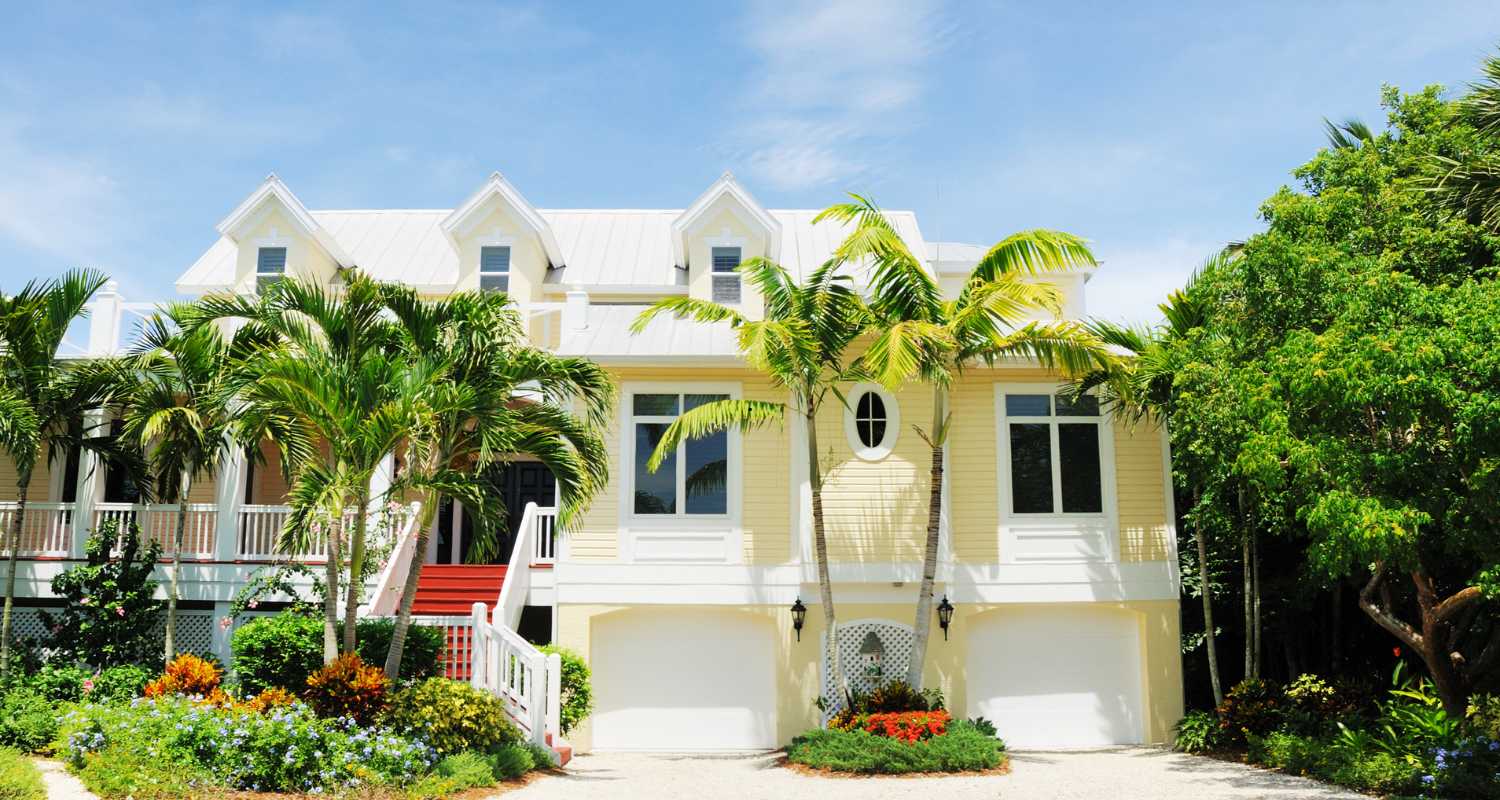
Complete Guide to Leasehold Property Ownership in Dubai

Complete Guide to Leasehold Property Ownership in Dubai

Dubai continues to be a global hotspot for real estate investors, attracting buyers from every corner of the world. With new project launches announced almost daily, investors are spoiled for choice. However, unlike Emirati nationals, expatriates have specific ownership options—restricted to freehold and leasehold properties. While each has its benefits, this guide focuses on leasehold property ownership in Dubai and examines its key features, advantages, and drawbacks.

Let’s start by understanding what leasehold ownership means and who can purchase such properties.

Latest Developments in Leasehold Property Ownership

Before diving deeper, here are the most recent legal and regulatory updates that investors should know about leasehold ownership in Dubai.

Key Highlights of Leasehold Ownership in 2025

  • Lease Duration: Leasehold agreements can extend up to 99 years. Any contract over 10 years must be registered with the Dubai Land Department (DLD) to secure legal rights and ensure transparency.

  • Usage Rights: Owners can occupy, rent, or sublet the property. However, major alterations or structural changes require prior written consent from the freeholder.

  • Renewals: Renewal conditions and rent changes are governed by Dubai’s Smart Rental Index, which ensures fair, market-linked increases, capped at 20% per renewal period.

  • Legal Safeguards: Recent updates provide stronger protection for buyers through measures like escrow accounts for off-plan projects, digital transaction systems, and quicker dispute resolution by RERA and the DLD.

New Freehold Zones & Leasehold Conversion Options in 2025

One of the biggest changes this year is the expansion of Dubai’s freehold areas. Locations such as Sheikh Zayed Road and Al Jaddaf, which were once limited to leasehold ownership, now qualify for freehold conversion in certain cases.

Implications for leasehold owners:

  • Eligible property owners can convert their leasehold rights into full freehold ownership, granting ownership of both the property and the land.

  • The process has been simplified and usually takes 3 to 6 weeks after developer approval.

  • Converting to freehold can significantly increase property value and make it more appealing to potential buyers.

  • Note: Not all leasehold locations are eligible—check the updated DLD freehold zone map or speak with your developer.

Understanding Leasehold Ownership

In Dubai, leasehold property ownership grants you ownership of the structure itself, such as a building or apartment, but not the land it stands on. The land is held by either the government or a private landlord. The leasehold title deed secures your property rights for a specific timeframe, typically 99 years, though this can vary by developer and location. Once the lease period ends, the property ownership returns to the freehold owner.

Additionally, UAE law for leasehold properties often requires that you get permission from the landowner or a relevant authority before making any major renovations or changes. This system combines elements of ownership and tenancy, with regulations in place to protect the interests of both the owner and the tenant.

Who is Eligible to Buy Leasehold Property in Dubai?

Expats in Dubai are permitted to buy leasehold property, with long-term leasehold agreements typically extending for up to 99 years. According to Regulation No. 3 of 2006, the designated leasehold areas include popular spots like Palm Jumeirah, The World Islands, Downtown Dubai, Jebel Ali, Al Jaddaf, and Ras al Khor. These locations present a variety of appealing chances for investing in leasehold property across Dubai.

Both leasehold and freehold properties in Dubai offer comparable purchasing options for expatriates, with the distinction that leasehold areas are specifically set aside for non-UAE citizens.

To learn more about the regulations governing foreign property ownership in the city, please refer to our blog post on the rules for foreigners buying property in the UAE. This article provides essential information for expats on how to purchase property in Dubai and other emirates.

Advantages of Leasehold Property Ownership

Limited Liability

When you own a leasehold property, the landlord usually takes care of all maintenance and construction costs. This frees you, the buyer, from a significant financial responsibility for property upkeep. If you want to make repairs yourself, you can, but you’ll need the landlord’s permission first.

Initial Cost of Leasehold Property

The upfront cost of a leasehold property is lower because your ownership is for a specific, limited period, not in perpetuity.

Shared Community Maintenance

Leasehold communities often have a shared responsibility for maintaining common areas and amenities. This spreads the cost amongst residents, reducing the financial impact on individual homeowners.

Security and Regulations

Leasehold ownership offers a layer of security through government regulations. These regulations establish guidelines for the development and management of the property. This can be particularly appealing to expat buyers unfamiliar with the local market.

Regulations and Limitations

However, it’s important to note that these regulations can also come with limitations, such as restrictions on modifications or potential future changes to fees associated with the lease.

Good Investment Potential

Investors aiming for reliable returns might find certain leasehold properties especially compelling. Their typically lower initial investment and potential for high rental yields mean these properties can produce a significant and consistent income.

Flexible Lease Periods

Leasehold properties offer a different kind of ownership flexibility. Unlike the permanent ownership of a freehold, a leasehold agreement is for a specific, predetermined length of time.

Shorter leases are ideal for those who plan to live in a place for a limited time, whereas longer leases give peace of mind and stability to individuals seeking a lasting presence in Dubai.

Disadvantages of Leasehold Property Ownership

Limited Control

When you have a leasehold property, you’ll likely need to get permission from the landowner or a governing body to make any changes. This can make it difficult to customize the space or carry out significant renovations to fit your lifestyle.

Future Uncertainty

Because you don’t own the land, there’s a potential risk to the property’s future, as the landowner has the power to change the terms or usage.

Risk of Disputes

Shared maintenance in leasehold developments, while a great way to spread out costs for homeowners, isn’t always smooth sailing. It’s common for residents to butt heads over how well the maintenance is done or how much it costs. They might also find themselves in disputes with the landowner concerning service charges or management decisions.

Conclusion

Leasehold property ownership in Dubai offers a cost-effective way to enjoy prime locations without the full expense of freehold ownership. With benefits like lower purchase prices and access to well-developed communities, it can be a smart choice for many buyers — especially expats.

However, it’s important to understand the lease terms, renewal conditions, and potential limitations before making a decision. A well-informed purchase today can save you from complications in the future.

For a smooth and secure transaction, seek guidance from a licensed Dubai real estate expert who understands the local market and regulations. The right professional can help you choose the best property, negotiate favorable terms, and ensure your investment is protected.

FAQs on Leasehold Property in Dubai

Q1: Can I sell a leasehold property before the lease ends?
A: Yes, you can sell it, but the new buyer will take over the remaining lease term.

Q2: Can I get a mortgage for a leasehold property in Dubai?
A: Some banks offer financing, but terms may be stricter compared to freehold properties.

Q3: What happens when the lease period expires?
A: Ownership reverts to the freehold owner unless the lease is renewed.

Q4: Is leasehold cheaper than freehold in Dubai?
A: Generally, yes — making it attractive for budget-conscious buyers.

Q5: Can expats own leasehold property in Dubai?
A: Absolutely. Leasehold is one of the main ownership options available to expatriates.


What is the best way to save money for a house down payment?

What is the best way to save money for a house down payment?

Buying property in Dubai is a dream for many investors and residents alike, but the biggest hurdle for most people is saving enough for the down payment. As per UAE mortgage regulations, property buyers are typically required to pay 20% to 25% upfront (depending on whether you are a resident or non-resident) before securing a home loan.

For a property worth AED 1.5 million, that means you’ll need anywhere between AED 300,000 to AED 375,000 in cash—and that’s before adding transfer fees, agent commissions, and DLD charges.

This is why starting early with a structured savings plan is crucial. The sooner you begin, the less financial stress you’ll face when the right property comes along. In this guide, we’ll explore practical, Dubai-specific strategies to help you reach your down payment goal faster—without feeling like you’re sacrificing your lifestyle.

Dubai’s real estate market has seen an impressive growth in the last decade, which keeps itself in position as one of the world’s most dynamic property markets. With the ever increasing demand for its world-class infrastructure, tax-free investment opportunities and premium living places, Dubai has become a hotspot for both local and international property buyers.

Buying a house in Dubai is more to live just one place-this is a smart long-term investment. Property prices have been shown constant praise in major areas, rental yields remain attractive, and government rules support a safe and transparent purchase process.

However, before the property steps into the market, one of the most important steps is preparing for down payment. The UAE requires at least 20% of the property with most lenders, a concrete savings strategy for a solid savings strategy is necessary to change the dream of the house owner in a reality. But here is good news: With smart planning and a little financial lover, this dream can become your amazing reality as much as you think. The first major financial step down payment for most home buyers is getting together. To help overcome that initial obstacle in the past, we have put some useful tips together to save our Dubai Down Payment. Follow these steps, and you will always be on your way to buy the house you have always imagined.

Understanding the Down Payment for Buying Property in Dubai

What is a Down Payment?

In simple terms, a down payment is the upfront cash you need to pay when purchasing a property in Dubai before getting a mortgage. Think of it as your initial commitment to the purchase. The rest of the amount is usually financed through a home loan, but the down payment must be paid in full at the time of purchase — no exceptions.


UAE Down Payment Regulations

The Central Bank of the UAE sets clear rules for down payments in Dubai:

UAE Residents:

    • For properties under AED 5 million → Minimum 20% of the property price + related fees.

    • For properties over AED 5 million → Minimum 30%.

Non-Residents (Expats buying from abroad):

    • Minimum 25% for properties under AED 5 million.

    • Minimum 35% for properties above AED 5 million.

These percentages exclude other costs like Dubai Land Department (DLD) fees, agent commissions, and mortgage registration fees — which can add another 6–7% to your total budget.


Example: Buying a AED 1.5 Million Property

Let’s break down the numbers for a UAE resident buying a property worth AED 1.5M:

  • Down Payment (20%): AED 300,000

  • Estimated Additional Costs (~7%): AED 105,000

  • Total Cash Required Upfront: AED 405,000

For a non-resident, the minimum down payment would be AED 375,000 plus the same additional costs, bringing the total to approximately AED 480,000.

Calculate Your Down Payment and Extra Costs

Before you start saving, you need a clear financial target. Begin by deciding the type of property you want in Dubai — whether it’s a cozy apartment in Jumeirah Village Circle or a luxury villa in Palm Jumeirah. Once you know your preferred price range, calculate the exact down payment amount based on UAE mortgage rules (typically 20–25% for residents and 25–30% for non-residents).

But remember — the down payment isn’t the only upfront expense. Factor in Dubai Land Department (DLD) transfer fees, real estate agent commission, mortgage registration fees, and other administrative charges.

Finally, set a realistic savings timeline. For example, if you aim to buy within 3 years, divide the total required amount into monthly savings goals. This approach keeps you focused and ensures you stay on track to owning your dream Dubai property.

How to Lower Living Costs in Dubai Without Compromising Lifestyle

Saving for a property in Dubai doesn’t mean giving up on comfort — it’s about making smart adjustments that still let you enjoy the city’s vibrant lifestyle. Here are some practical, Dubai-specific ways to trim your expenses and accelerate your down payment savings:

  • Use Nol Card Discounts for Public Transport – Take advantage of discounted fares on the Dubai Metro, buses, and trams to reduce commuting costs.

  • Choose Off-Peak Gym Memberships – Many gyms in Dubai offer lower rates for non-peak hours. This can save hundreds of dirhams annually.

  • Meal Prep Instead of Daily Food Delivery – With the high cost of food apps, cooking at home just a few days a week can make a noticeable difference.

  • Downsize Your Rental Temporarily – Moving to a smaller apartment or a less expensive community for a couple of years can dramatically boost your savings potential.

Invest Your Savings Smartly

When saving for a house down payment in Dubai, it’s crucial to choose investment options that balance safety with steady returns. Since your goal is short to medium term, avoid high-risk investments that could jeopardize your savings. Here are some of the best low-risk investment choices available in the UAE:

  • Fixed Deposits:
    Secure your money with banks offering competitive interest rates on fixed deposits. These provide guaranteed returns and help your savings grow steadily without exposure to market fluctuations.

  • National Bonds UAE:
    A Sharia-compliant savings scheme backed by the UAE government, National Bonds offers attractive profit rates with capital protection. It’s ideal for conservative savers aiming for modest growth.

  • Low-Risk Mutual Funds:
    Opt for mutual funds focused on bonds or government securities, which typically carry lower risk compared to equity funds. These funds diversify your investment while maintaining stability.

Leverage Government & Developer Offers

  • Dubai Land Department (DLD) Fee Waivers: Learn how to benefit from occasional DLD fee exemptions and discounts to reduce upfront costs.

  • Flexible Developer Payment Plans: Explore installment-based payment options offered by developers that lower your initial down payment burden.

  • Invest in Off-Plan Properties: Discover how buying off-plan allows smaller upfront payments compared to ready properties, making it easier to save and enter Dubai’s property marke

Conclusion

Saving for a down payment on a property in Dubai may seem challenging, but with discipline, clear planning, and smart financial strategies, it’s absolutely achievable. Whether you’re a first-time buyer or upgrading your current home, starting early and following a structured savings plan can bring you closer to your dream faster than you think.

Don’t wait—take control of your finances today! Begin setting your savings goals, explore Dubai’s vibrant property market, and find listings that fit your budget. Your dream home in Dubai is within reach—start your journey now.

Frequently Asked Questions (FAQ) About Saving for a House Down Payment in Dubai

Q1: How much is the down payment for expats in Dubai?
For expatriates purchasing property in Dubai, the typical down payment ranges between 20% to 25% of the property’s purchase price, depending on the property value and the bank’s mortgage policy. For properties valued under AED 5 million, most banks require at least 20%. For luxury properties above this, down payments can be higher.


Q2: Can I pay a down payment in installments?
Yes, many developers and sellers in Dubai offer flexible payment plans that allow buyers to pay the down payment in multiple installments before finalizing the mortgage. Off-plan projects especially provide such options, making it easier to manage cash flow while saving for the remaining balance.


Q3: What are the best savings accounts in UAE for property buyers?
For saving a down payment in the UAE, look for savings accounts offering competitive interest rates, low fees, and easy access. Popular options include:

  • Emirates NBD Savings Account — good interest rates and online banking features.

  • ADCB Savings Account — offers tiered interest and cashback benefits.

  • Mashreq Neo Savings Account — fully digital with no minimum balance.
    Additionally, consider fixed deposits or National Bonds UAE for higher returns on longer savings horizons.

What Are The Benefits Joint Property Ownership in Dubai

What Are The Benefits Joint Property Ownership in Dubai

The ownership of shared property is becoming a popular option for Dubai’s dynamic real estate market. As a major global city, Dubai International Appeal provides a unique combination of a strong and growing economy and a wide range of property options, making it an attractive place for both local and international investors. Joint ownership, where many individuals share a property, are particularly attractive for several reasons. For experienced investors, this portfolio allows diversification and ability to combine wealth to reach more valuable properties. For those who buy their first house, it offers an accessible entry point in a market that may seem otherwise ineffective. Meanwhile, friends, family, or even business partners look at joint ownership in a way for pool resources, share financial responsibilities, and collectively benefit from the potential price increase and rental income of the property.

However, the joint ownership in Dubai is more than the combination of only money; It is a strategic approach that demands intensive understanding of market complexities. The city’s real estate environment is ruled by specific rules and legal framework designed to ensure impartial and transparent transactions, protect the rights of co-owners and clarify ownership structures.

Understanding these details is necessary to consider joint ownership for anyone, as this includes not only financial aspects but also legal duties, decision -making process and long -term plan.

This article will fully detect joint ownership in Dubai, providing insight into its major attractions, providing various benefits of it, and potential co-owners may face challenges. Additionally, we will fly into the legal structure supporting joint ownership in Dubai, providing guidance on navigating the complications of this property ownership model. Whether you are an experienced investor, to expand your portfolio, the first time buyers are demanding a market entry, or understanding the groups considering a collective investment, the complexities of joint ownership, it is important to make a well not informed decisions in the vibrant real estate markets of Dubai.

What is Joint Property Ownership?

Co-ownership, also known as joint ownership, is a property system where many individuals share ownership rights on single property. This setup is receiving traction in Dubai, especially the city’s real estate area attracts a wide array of investors interested in both homes and commercial enterprises. In a co-owned agreement, each party has a specific part of the property, which may be equal or uneven depending on the parties involved.

Typically, ownership percentage depends on various elements, such as financial contribution towards each individual property. However, the ownership structure can be adapted to align with different requirements and preferences of co-owners, which provides adaptability in how shares are assigned. For example, if a person holds more capital or a large part of the financial risk, they can have a large ownership percentage. In contrast, if all sides contribute equally to investment, shares can be divided equally.

In Dubai, co-ownership is not exclusive to residential properties; This also applies to commercial real estate, which presents diverse possibilities for various investors profiles. Whether he is pooling a fund for a holiday residence, a family combining resources for a large house, or business partners investing in a commercial building, provides a route for co-ownership collective property acquisition that can be in line with the unique situations of co-owners. This adaptation capacity, which combines with the opportunity to share financial obligations and benefits of property ownership, makes co-ownership for many in the dynamic real estate landscape of Dubai.

Types of Joint Property Ownership in Real Estate

The legal framework in Dubai provides for several categories of joint property ownership, and each carries unique legal ramifications:

    • Tenancy in Common: In this setup, multiple owners possess distinct portions of a property, which may be of varying sizes. Each owner is free to sell, transfer, or bequeath their share as they wish. Should an owner pass away, their portion is inherited by their legal beneficiaries instead of automatically going to the remaining co-owners.
    • Joint Tenancy: This arrangement is defined by the right of survivorship, which means that when one owner dies, their share automatically transfers to the remaining co-owners. Spouses or immediate family members frequently choose this form of ownership.
    • Corporate Ownership: When a property is held by a company or business entity, the entity’s shareholders are, in essence, the collective proprietors. This framework is often employed for commercial real estate or significant investment ventures.

Key Advantages of Joint Ownership Property

Here Dubai has some compelling benefits of ownership of shared property, making it an attractive option for investors:

    • Shared Financial Responsibility: A significant benefit is the opportunity to combine financial assets. By dividing the expenses associated with property acquisition, maintenance and administration, co-owners can invest in more valuable assets that may otherwise be individually ineffective.
    • Diversification of investment: Joint-ownership enables investors to broaden their real estate holdings. By distributing your capital in various properties, joint owners can reduce the risk and increase their capacity to profitability.
    • Flexibility in ownership structure: Dubai’s legal system allows adaptable structures for shared ownership agreements. The freedom to determine how the co-owners will distribute their respective ownership percentage, duties and any profit or revenue.
    • Increased investment opportunities: Shared ownership unlocks the way of investment that may be unavailable to single investors. This is particularly relevant within the high-ended real estate sector of Dubai, where premium properties are highly demanded.
    • Succession Planing: Through arrangements such as joint ownership, especially joint tenancy, the property can serve as an effective means for the scheme. This guarantees a spontaneous transfer of ownership. If a co-owner passes, assurances the families.

Top Real Estate Challenges and Buyer Considerations in Today’s Market

While the benefits of shared property are many, potential co-owners should also be conscious of potential challenges and important factors:

    1. Decision -making conflicts: When many individuals own a property, making options can be complex. Property use, maintenance, or potential sales may cause disagreement with a difference of opinion. The establishment of a clear agreement that describes the decision -making process and methods of conflict solution is absolutely important.
    2. Financial liabilities: All co-owners share the financial burden tied to the property, including hostage payments, maintenance expenses, and property tax. Whether a co-owner should be unable to meet its financial commitments, the remaining owners may need to cover the outstanding amount.
    3. Plan for the future (exit strategy): It is intelligent to set up a plan to get out of the system from the beginning. Co-owners should recover mutually on the fact that if one or more individuals decide to leave the ownership structure, how the property will be evaluated and sold.
    4. Legal implications: Intensive understanding of the legal effects of joint ownership is important. In aspects such as inheritance, tax obligations and transfer of inheritance, tax obligations and ownership in the specific form of selected ownership (such as common or joint tenancy).

Legal Regulations on Joint Property Ownership in Dubai

The Dubai property sector works under a strong legal framework, especially designed to protect the interests of all property holders, which include co-ownership. The legal points required to keep in mind are:

    • Dubai Land Department (DLD): It is mandatory to register all property deals, including the system of shared assets with the Dubai Land Department. This department plays an important role in acquiring the rights of every party and recording ownership details.
    • Ownership Agreement: Co-owners are strongly encouraged to create a wide ownership agreement. The document should clearly define their shared ownership situations, including how ownership bets are divided, financial duties, procedures for decision making, and ways to solve any disagreement.
    • Heritage Law: For non-Muslims in Dubai, the heritage usually follows the laws of the original country of the deceased, unless a legitimate otherwise decides. Nevertheless, it is important to understand that specific joint tenancy structures, including the rights of the survivors, can take prejudice on certain standard heritage rules.
    • Taxation: Although Dubai does not take income tax or capital profit tax on real estate dealing, individuals sharing ownership of property should be conscious of other possible expenses. These may include various costs such as registration fees, transfer fees and service fees.

Conclusion

Investing in Dubai’s property with others presents an attractive opportunity for individuals to develop their real estate property by dividing financial duties. However, to make it successful, it demands careful preparation, vague agreements and a concrete understanding of legal rules. From the beginning, by estimating and dealing with possible issues, and consulting with legal and financial advisors, people who can actually benefit the co-owner property from this system, even navigate the developed real estate scene of Dubai. Whether you are partnered with relatives, friends, or professional colleagues, the joint ownership may be a powerful approach to realize your property objectives in one of the most dynamic real estate markets globally.

Top Reasons to Invest in UAE Property: Safe, Stable, & Profitable

Top Reasons to Invest in UAE Property: Safe, Stable, and Profitable

The UAE was recently announced as the safest country in the world, according to results of a survey, beating even countries like Singapore for the top spot. This news was revealed by the Dubai Police during the 12th International Dubai Police Symposium in March 2019. The UAE’s safe living environment is an important factor that brings people from across the world to settle here and invest in property. Today, MyBayut explores the best neighbourhoods in Dubai and Abu Dhabi for investing in UAE real estate that offer security and amenities, along with the impact this ranking may have on the UAE real estate market.

Why the UAE Is Recognized as One of the World’s Safest Countries

The UAE topped the world as the world’s safest nation, making an announcement at the 12th International Dubai Police Seminar in March 2019. During the event, he showed Dubai Police and General Security Vice President General Dhahi Khalfan Tamim as Lieutenant General Security, which in 2018, a notable 96.1% of a notable 96.1% of the UAE was shown to be 96.1%. The UAE crossed Singapore, with a 94% security perception to secure this global leading position. This important achievement is widely attributed to the active initiative and smart strategies implemented by the Dubai Police, such as their mobile applications that greatly improve the response time.

If you’re wondering about the UAE’s safety, here are some figures from the Dubai Police that highlight its status as one of the globe’s safest countries.

    • 83 – Number of road deaths in the UAE per 100k people in 2018
    • 5% ­­­– Indicator for serious crime in the UAE in 2018 (down from 67.69% in 2017)
    • 7% – Rate of crime related to murders in 2018
    • 8% – Rate of crime related to kidnapping in 2018

Beyond general safety, the residential landscapes of Dubai, Abu Dhabi, and the entire UAE offer inhabitants a profound sense of security. This is often provided through features like widespread CCTV camera networks, vigilant 24/7 security services, and the controlled environments of many gated communities.

What Does the UAE’s Property Market Ranking Mean for Real Estate Buyers?

The status of the UAE as a global recognized safe nation enhances its appeal for those who consider transfer. This strong foundation of safety and security also encourages migrants to see the UAE as a viable long -term home, which is naturally leading to an increase in investment in its real estate market. Evidence of this trend, especially in major cities like Dubai and Abu Dhabi, was already clear in market reports since Q1 2019, towards integrated residential development.

In addition, UAE’s real estate sector is ready to increase foreign investment. Investors want peace of mind about their assets, and a strong security environment in the United Arab Emirates holds it as an extraordinary attractive destination for property investment. Both migrants and international investors living here can detect a wide range of properties available in the market. The recent changes in Abu Dhabi’s Freehold Property Rules have expanded even further, which now allows full foreign ownership in specific areas of capital. In addition, the development of important infrastructure such as Dubai Metro Route 2020 and Al Maktaum International Airport, complete in preparation for expo 2020, is expected to promote continuous positive effects on real estate investment within Dubai for a long time.

Best Cities in UAE for Profitable Real Estate Investments

With its extraordinary safety records, the UAE is seen as a desirable destination for long -term disposal by residents, leading to increasing interest in property acquisition. Fortunately, for those trying to invest in real estate, Dubai and Abu Dhabi-UAE offer treasures of two-two of the most demanded cities in the UAE. If you are considering establishing a permanent appearance and investing in UAE properties, both Dubai and Abu Dhabi offer various selections of apartments and villas. Below, we highlight the most popular neighborhood to buy apartments and villas in Dubai and Abu Dhabi, as have been recognized by the popular user discoveries on Iconre.

Top Luxury Communities to Buy Property in Dubai

Dubai real estate experienced price decreases in Q1 2019, making it an ideal time for residents to invest. Check out the most popular areas to buy property, whether apartments or villas, in Dubai now.

APARTMENTS: DUBAI MARINA

Dubai Marina, a sophisticated Waterfront district, stands continuously as a prominent place for apartment investment within Dubai. As the recent market insight to Q1 2025 is indicated, this community is highly demanded. For those wishing to invest in Dubai’s dynamic property market, apartments in Dubai Marina provide the benefit of round-the-clock security, comprehensive CCTV monitoring and generally safe environment.

Beyond security, Dubai Marina is observed for the wealth of facilities. Residents enjoyed diverse selection of retail shops and food installations, vibrant nightlife, schools and nurseries such as schools and nurseries. Its proximity to popular destinations such as Zumera Beach Residence (JBR) and Emerging Bluevators Islands enhances the appeal and price of the available apartments for purchase here.

Keeping a studio apartment in Dubai in mind? The current market figures for Dubai Marina suggest average purchasing price. While specific figures can fluctuate, potential investors are usually easily available to AED 800,000 studios, AED 1.2 million one bedroom units and AED around 1.9 million close to two-bedroom apartments, with large configurations. With focus on rental income for individuals considering real estate investment in the UAE, properties in Dubai Marina generally provide a strong return on investment (ROI), which often occur within a range of 6-8%.

VILLAS: ARABIAN RANCHES

In many Villa communities in Dubai, standing out as the top option for reputed Arabs Ranch investors.

Developed by EMAAR and easily located away from Sheikh Mohammed bin Zayed Road (E311), the Arab ranch has stunning villas with Arab and Mediterranean designs in its various sub-community. Residents here enjoy a safe, family centered lifestyle with golf courses, schools, community centers, mosques and sports features.

The Arabia collects diverse budgets with a detailed selection of the Ranch Villa. Its immense popularity has inspired the creation of Arab Rainches II and III, offering even more investment opportunities in Dubai’s property market. On average, a 3-bedroom villa in Arabian ranch is priced at AED 2.6m, a 4-bedroom average AED 3.8m, and 5-bedroom AED is around 4.5 m. Villa presents one of Dubai’s most compelling investment possibilities for sale in Arab Rain, with an impressive 5.8% rental yield.

Best Areas to Buy Property in Abu Dhabi

Abu Dhabi has given its position a strong option as a strong option as a highly attractive option for both investors and residents in the UAE property market, providing a strong option for Dubai. The city’s appeal is complemented by world-class cultural and entertaining attractions, from the budget friendly to the ultra-lingerie. An important development is the recent improvement of Abu Dhabi’s freehold property laws, which now allows complete ownership, which is expected to motivate more migrants to consider the Emirates for a long time. Search the major investment areas for apartments and villas in Abu Dhabi.

APARTMENTS: AL REEM ISLAND

If you’re seeking a safe and comfortable lifestyle in Abu Dhabi! Al Reem Island apartments distribute exactly the same. This dynamic mixed-utility community has become the top option for apartment buyers in Abu Dhabi, and its appeal is clear. The Al Reem Island claims stylish, contemporary apartments in a beautiful waterfront setting, which is completed with excellent building safety and CCTV surveillance. In addition, people who prefer security in their Abu Dhabi real estate investment will appreciate the convenient access to the facilities of Al Reem Island. The island has the facility of malls, supermarkets, pharmacies, nurseries and schools, which means that residents can easily use any daily requirements without longer, even late evening.

Al Reem Island’s proximity to Abu Dhabi’s main island also significantly reduces travel time to major city sites and business centers. Currently, 600,000 for the average investment studio for apartments on Al Reem Island, AED 872,000 for one-bedroom units and AED 1.45 million for two-bedroom units are 1.45 million. These apartments for sale on the island of Al Reem also provide 6.9% returns on investment.

VILLAS: AL REEF

A strategic investment in families looking for huge homes and Abu Dhabi Real Estate, Al Reef Villa is an excellent option. This peaceful and safe community located near Abu Dhabi International Airport is ideal for family life. In fact, Al Reef Q1 was the top ranked area for Villa procurement in Abu Dhabi during 2019. Residents benefit from a gated community allowances, including safe entry and exit points, as well as easy access to essential features such as supermarkets and gyms within the neighborhood. This is a cool setting, which is perfect for raising the family away from urban noise.

Interested investors wishing to buy assets in the UAE will get to Al Reaf Villa to be more budget compared to other gated developments. The average cost for 3-bedroom villas in Al Reef is around 1.45 million, while 4-bedroom units average AED 1.98 million, and 5-bedroom units are approximately 2.13 million. In addition, Al Reef Villa for Sale claimed the highest returns (ROI) on investment among the discussions discussed, received an impressive 7.1%.

As shown, the UAE offers several safe and well -associated residential districts for property acquisition. These areas complete not only families but also single professionals and young couples. If you want more insight into major places for real estate investment in UAE, then see the Q1 2019 UAE market report. And do not forget to keep an eye on Mybayut for additional articles about investing in UAE real estate.

Consider When Choosing the Right Real Estate Investment Partner

Top Factors to Consider When Choosing the Right Real Estate Investment Partner

Introduction

Committing considerable capital, specifically AED 50 million or more, to a Dubai real estate project inherently involves both significant challenges and substantial potential for profit. For capital investors to optimize their property investment outcomes, it is crucial to carefully select and form a partnership with an experienced real estate principal investor.

Dubai’s real estate market isn’t just growing — it’s thriving, with some of the world’s most attractive investment opportunities. From sleek penthouses in Downtown Dubai to serene waterfront villas on Palm Jumeirah, the city offers options that cater to every investment style. Add to that tax-free income, world-class infrastructure, and a high rental demand, and it’s no wonder investors from across the globe are drawn here.

But here’s the truth — owning the right property is only half the battle. The real game-changer lies in choosing the right real estate investment partner. The partner you select will influence your returns, risk exposure, and even the smoothness of your entire investment journey. Whether you’re making your very first purchase or expanding an established portfolio, this decision will shape your long-term success in Dubai’s competitive property market.

This article, part of our continuous effort to support institutional investors and individuals diversifying into real estate, will delve into key criteria for assessing a principal investor.

Principal Investor vs. Capital Investor

Before exploring the crucial evaluation factors, it’s essential to differentiate between the two primary participants in real estate investment: the capital investor and the principal investor.

A principal investor acts as a central force that guides a project from beginning to end. Their comprehensive responsibilities include identifying possible opportunities, carefully doing research on them, arranging the deal structure, acquiring necessary funding, coordinating with all involved parties (stakeholders), and overseeing the complete lifetime of property or business. Typically, these investors are developers, private equity firms or entrepreneurs who have a direct stake in ensuring the strategic direction and operational efficiency of intensive industry knowledge and enterprise.

Conversely, a capital investor offers the necessary financial support for a project, but usually takes a hand-closed approach to his day-to-day management. These investors- IAM to come in contact with promising opportunities without the large institute, family-run investment office, or rich individuals- without operating burden. Their primary concerns revolve around obtaining favorable returns, ensuring clear financial reporting and protecting their investment, with an understanding that other people will handle the project implementation and distribution.

In many deals, the principal and capital investor roles complement each other in deals. The principal delivers the concept, expertise, and operational capability, with the capital investor supplying the financial support essential for actualizing that vision.

Understanding the Dubai Real Estate Market for Profitable Investments

Dubai’s property market is one of the most dynamic in the world, offering opportunities in off-plan developments, ready-to-move properties, luxury waterfront residences, and high-demand commercial spaces. Investors from across the globe are drawn to its strong ROI potential, modern infrastructure, and tax-free environment.

A key driver of this growth is Dubai’s foreign investment-friendly policies. The introduction of freehold areas such as Dubai Marina, Downtown Dubai, Palm Jumeirah, and Business Bay allows expatriates to own property outright — making the market even more attractive.

However, success here isn’t just about choosing a property; it’s about understanding the local nuances. A partner with in-depth Dubai market knowledge can help you identify emerging hotspots, navigate legal procedures, and time your investments for maximum returns. This insight can mean the difference between a good deal and a great one.

Partner with a Proven Real Estate Track Record in Dubai’s Prime Locations

When investing in Dubai’s dynamic property market, choosing a partner with a proven track record isn’t optional—it’s essential. Look for someone who has consistently delivered profitable returns across diverse market cycles.

Check their past projects, ROI performance, and client testimonials to measure credibility. An experienced partner will not only understand market trends but also anticipate them, helping you make well-timed investment moves.

Familiarity with high-demand areas like Downtown Dubai, Palm Jumeirah, and Dubai Marina is a huge advantage. These prime locations have historically shown strong capital appreciation and rental yields, and a seasoned partner can help you tap into the right opportunities at the right time.

Financial Stability & Transparency in Dubai Real Estate Investments

In Dubai’s competitive property market, financial strength isn’t just a nice-to-have — it’s a must. A partner with strong capital reserves can navigate large-scale projects smoothly, even when market conditions fluctuate. This ensures that construction timelines stay on track, payments to contractors remain consistent, and project quality doesn’t get compromised.

Transparency is equally critical. A trustworthy investment partner will provide clear financial reports, well-structured profit-sharing models, and full visibility into how your money is allocated. This level of openness builds trust and allows you to make informed decisions.

Red Flags to Watch Out For:

  • Unclear or incomplete investment breakdowns.

  • Delayed payments or inconsistent funding.

  • Overpromising returns without documented projections.

Choosing a financially stable and transparent partner not only protects your capital but also increases your chances of achieving long-term, sustainable returns in Dubai’s thriving real estate market.

Compliance with Dubai Land Department (DLD) and RERA Regulations

In Dubai’s real estate market, legal compliance isn’t just a formality — it’s your safety net. The Dubai Land Department (DLD) and the Real Estate Regulatory Authority (RERA) are the two main bodies that regulate property transactions, ensuring fairness, transparency, and investor protection.

Partnering with licensed developers and registered real estate agents means your investment follows the official legal framework, reducing the risk of fraud, delayed projects, or contractual disputes.

The Role of RERA in Safeguarding Investors:

  • Ensures developers meet strict financial and construction standards.

  • Monitors escrow accounts so funds are used only for project completion.

  • Provides dispute resolution services for buyers and investors.

Risks of Bypassing Legal Checks:

  • Dealing with unlicensed agents can lead to invalid contracts.

  • Lack of escrow protection could put your capital at risk.

  • Possibility of investing in projects that face delays, cancellation, or legal disputes.

A trustworthy real estate investment partner in Dubai will always operate within DLD and RERA guidelines, protecting both your money and your peace of mind.

Strong Real Estate Network in Dubai for High-Value Property Investments

In Dubai’s fast-paced property market, a strong network isn’t just an advantage — it’s a competitive edge. A partner who has well-established relationships with leading developers, trusted brokers, and key government bodies can open doors to opportunities the average investor may never see.

One of the biggest benefits? Early access to premium off-plan launches before they’re publicly available. These early investment windows often offer the best unit selection, attractive payment plans, and higher potential for capital appreciation.

A powerful network also speeds up the investment process — from securing approvals and negotiating prices to getting insider market updates that help you make timely decisions. In a market as dynamic as Dubai’s, where demand for prime properties can skyrocket overnight, having the right connections can mean the difference between closing a great deal and missing out entirely.

Maximum ROI in Dubai Real Estate

One of the most overlooked aspects of a real estate partnership is having a unified vision. In Dubai’s fast-paced property market, where opportunities range from quick off-plan flips to long-term rental yield strategies, aligning your investment goals with your partner’s is essential for success.

If one partner is aiming for short-term capital gains through property flipping while the other prefers steady income from rentals, the conflict in timelines and expectations can derail profitability.

Why This Matters:

  • Profit Expectations: Clearly define your target ROI, preferred investment duration, and acceptable risk level.

  • Strategy Agreement: Decide upfront whether your focus will be luxury villas in Palm Jumeirah, high-demand apartments in Downtown Dubai, or affordable off-plan units in emerging areas.

  • Conflict Prevention: A shared roadmap reduces misunderstandings and ensures every decision supports your agreed strategy.

By setting mutual objectives from day one, you can build a partnership that thrives in Dubai’s dynamic property market and maximises returns for both parties.

Building Reputation & Trustworthiness in Dubai’s Real Estate Market

In Dubai’s competitive property scene, a partner’s reputation can be your strongest asset — or your biggest risk. Before committing funds, take time to assess their credibility through verified client testimonials, authentic online reviews, and industry awards from recognised bodies.

A trustworthy partner will have a proven track record of delivering projects on time, meeting quality standards, and maintaining transparent communication.

Warning Signs to Avoid:

  • A history of legal disputes with investors or developers.

  • Frequent missed delivery deadlines or incomplete projects.

  • Inflated claims without documented evidence.

Trust is more than just a handshake in Dubai’s property market — it’s the foundation for sustainable, long-term, and profitable partnerships.

Strategic Exit Planning for Dubai Real Estate Investments

In Dubai’s fast-paced property market, knowing how and when to exit an investment is just as important as choosing the right property. A well-defined exit strategy safeguards your returns and reduces the risk of market volatility impacting profits.

Clear resale timelines and profit-sharing agreements help both parties align on expectations from day one. Whether it’s selling a property after a set appreciation target or at the end of a lease term, having a pre-agreed plan prevents misunderstandings and financial losses.

Popular Exit Strategies in Dubai Real Estate:

  • Buy-Back Agreements – The developer or partner agrees to repurchase the property after a fixed period.

  • Pre-Defined Selling Dates – Listing the property for sale once market conditions or ROI goals are met.

  • Phased Asset Liquidation – Selling portions of a portfolio gradually to maximise value.

By planning your exit in advance, you protect your capital, lock in profits, and ensure a smooth handover when it’s time to cash out.

Conclusion: Choosing the Best Real Estate Investment Partner in Dubai for Maximum ROI

In Dubai’s dynamic and competitive property market, the right investment partner can be the difference between a high-yield success story and a costly mistake. A financially sound, reputable, and legally compliant partner not only protects your capital but also unlocks opportunities you may never find alone.

Before committing, take the time to thoroughly vet their track record, financial transparency, industry network, and alignment with your investment goals. Informed decisions today can lead to substantial returns and long-term growth in Dubai’s ever-evolving real estate landscape.

An Investor’s Top Strategies for Capital Appreciation in Dubai

An Investor’s Top Strategies for Capital Appreciation in Dubai

Dubai’s real estate market started 2025 strong, in which sales transactions alone increased by 30.3% in the first quarter. The city’s attractive fare yield and growing market demand is attracting investors in growing numbers. For those focused on long -term expansion, Dubai’s capital praise is an important factor in their investment options.

In real estate, capital appreciation refers to the increase in a property’s market value over time. Unlike rental income, which generates steady cash flow, capital appreciation focuses on long-term wealth creation — buying an asset today and selling it later at a significantly higher price. For savvy investors, this growth is often the most rewarding part of real estate ownership.

Dubai has firmly established itself as one of the world’s premier property investment destinations, attracting global investors with its zero property tax, state-of-the-art infrastructure, political stability, and strategic location as a gateway between East and West. Over the past decade, the city has transformed into a skyline of iconic landmarks, luxury communities, and vibrant freehold zones, all backed by investor-friendly regulations and visionary urban planning.

If you’re an investor aiming for growth rather than just rental income, Dubai offers a unique blend of opportunities — from high-growth emerging districts to exclusive waterfront properties. In the sections ahead, we’ll explore proven strategies that can help you maximise your ROI and tap into Dubai’s incredible potential for capital appreciation.

But what exactly does ‘capital praise’ mean, and how does this property shape investment decisions? Continue reading to find out.

How Capital Appreciation Works in Dubai Real Estate

Let’s start define what capital appreciation is:

This is an increase in the value of a property over time. While rental property is a common focus for investors, the praise of capital is equally important for long -term investment success. Understanding this percentage helps investors to make sound decisions and are wisely invested at a suitable Location

Current Market Trends

Dubai’s property market continues to command global attention thanks to its high momentum and resilience. As of mid-2025:

  • Sales prices rose 15.8% year-on-year, with a 2.8% quarterly increase in Q1—although the pace is beginning to stabilize.

  • In the first half of 2025, over 98,500 property transactions were recorded, marking a 22.7% increase in volume, and totaling AED 326.6 billion in sales—up 40% year-over-year EVANTIS REALTY.

  • Villas remain the strongest performers, with 29% year-on-year price growth in May and monthly gains around 2%, particularly in upscale areas like Jumeirah Islands and Palm Jumeirah Consultancy ME.

At the same time, caution is underway: Fitch Ratings predicts a potential price correction of up to 15% in H2 2025 through 2026, as oversupply looms with nearly 210,000 new units scheduled for delivery Reuters.

Expo 2020 Legacy & Mega-Developments

Expo 2020 has left a lasting footprint on Dubai’s urban landscape:

  • The former Expo site is being transformed into Expo City Dubai, a vibrant “15-minute city” offering a mix of 200,000 m² of commercial and residential space, schools, offices, and cultural hubs—all connected by improved transit infrastructure Wikipedia.

  • Similarly, District 2020 and Dubai South continue to grow, drawing sustained investor and community interest thanks to their integrated planning.

Government Incentives: Golden Visas, Foreign Ownership & Freehold Zones

Pro-investment policies have been instrumental in drawing global capital:

  • Dubai continues to promote long-term residency visas such as the Golden and Green Visas, making property investment even more appealing to international buyers.

  • Investors and corporations benefit from 100% foreign ownership rights in many areas, especially in freehold zones—a major advantage.

  • A recent policy update now allows companies operating in designated free zones to own property in Dubai, bridging business interests with long-term investment opportunities

Invest in High-Growth Locations

Let’s explore how to understand and calculate capital appreciation for diverse properties throughout the Emirates.

One of the most reliable ways to secure capital appreciation in Dubai’s property market is to invest in areas with proven growth potential and strong future development plans. Location is more than just an address — it’s the heartbeat of your property’s long-term value.

Spotlight on High-Growth Areas:

  • Dubai Creek Harbour – Often called the “future Downtown,” this waterfront mega-development by Emaar offers breathtaking views, luxury apartments, and the upcoming Dubai Creek Tower. As infrastructure progresses, property prices here are expected to see substantial gains.

  • Business Bay – Dubai’s commercial and residential powerhouse, situated next to Downtown Dubai. With ongoing skyscraper developments, improved road connectivity, and its proximity to major business hubs, Business Bay remains a hotspot for both investors and tenants.

  • Dubai South (near Al Maktoum Airport) – Positioned as the future logistics and aviation hub of Dubai, this area is set to benefit immensely from the expansion of Al Maktoum International Airport and the surrounding free zones, making it a long-term appreciation play.

  • Jumeirah Village Circle (JVC) – A favourite for budget-conscious buyers, JVC has been quietly transforming with new retail spaces, parks, and schools. The affordable entry price combined with high rental yields and steady demand makes it a promising growth market.

Why Infrastructure Matters for Appreciation
Infrastructure projects are the lifeblood of Dubai’s property value growth. Metro expansions, new malls, bridges, road networks, and public spaces don’t just improve livability — they directly push property prices up. A well-connected community becomes more attractive to buyers and tenants, increasing demand and, in turn, driving appreciation.

Buy Off-Plan Properties

Investing in off-plan properties — those still under construction — is one of the most popular routes to achieving high capital appreciation in Dubai. It allows investors to lock in a property at today’s market prices and benefit from potential price growth by the time the project is completed.

Key Benefits:

  • Lower Entry Prices: Off-plan units are often priced 10–30% below comparable ready properties, making them an attractive choice for investors seeking a strong appreciation margin.

  • Flexible Payment Plans: Developers in Dubai frequently offer extended post-handover plans, allowing you to spread payments over several years without hefty interest costs.

  • High Appreciation Potential: As the property nears completion, demand typically rises, often leading to significant value increases before you even take possession.

Risks & Due Diligence Tips:

  • Choose Reputable Developers: Work only with well-established names like Emaar, Damac, Nakheel, or Sobha to minimize delivery risks.

  • Check RERA Approvals: The Dubai Land Department’s Real Estate Regulatory Agency (RERA) maintains a register of approved projects and developers — ensure your investment is listed.

  • Evaluate Delivery Timelines: Look for developers with a proven track record of on-time handovers; delays can eat into your expected appreciation window.

  • Understand the Contract: Pay attention to clauses on completion deadlines, penalties, and refund policies in case of delays or cancellations.

Target Luxury & Waterfront Properties

Luxury and waterfront properties in Dubai are more than just premium addresses — they’re strategic assets with the potential to deliver exceptional capital appreciation. The combination of world-class architecture, iconic views, and limited supply in prime zones ensures these properties remain in high demand year after year.

Why These Locations See Above-Average Appreciation

  • Palm Jumeirah: Often referred to as the “8th wonder of the world,” this man-made island offers unmatched exclusivity, private beaches, and panoramic views of the Arabian Gulf. Villas and penthouses here often appreciate faster due to their one-of-a-kind setting and global prestige.

  • Dubai Marina: Known for its vibrant lifestyle, waterfront promenades, and luxury towers, Dubai Marina attracts both end-users and high-net-worth investors looking for strong resale value and high liquidity.

  • Downtown Dubai: Home to the Burj Khalifa and Dubai Mall, Downtown is a hub for luxury living in the heart of the city. Limited land availability means property values here tend to rise steadily, especially for units with direct Burj views.

The Role of International Buyer Demand

Dubai’s luxury real estate is a magnet for ultra-wealthy investors from Europe, Asia, and the Middle East who see the city as a safe haven for wealth. With zero property tax, political stability, and a cosmopolitan lifestyle, Dubai competes directly with global luxury markets like London, New York, and Singapore — but often offers better value per square foot.
International buyers not only keep demand strong but also drive competition, pushing prices up for prime assets.

The “Scarcity Effect” for Prime Locations

In real estate, scarcity equals value. Waterfront plots, iconic view apartments, and ultra-prime villas are in finite supply. Unlike new suburban developments where more units can be built, luxury waterfront and city-center properties are limited by geography. As the population and international investment grow, this scarcity factor ensures long-term appreciation — even in fluctuating markets.

Leverage Upcoming Mega-Projects

One of the fastest ways to position yourself for significant capital appreciation in Dubai is to invest in areas that are about to be transformed by mega-projects. In this city, large-scale developments don’t just change skylines — they redefine entire neighbourhoods and push property values to new heights.

Take the Dubai Islands project as an example. Once complete, it will add luxury resorts, marinas, and beachfront communities to the city’s portfolio, instantly boosting demand for surrounding properties. Similarly, the launch of new theme parks and entertainment zones is set to attract millions of tourists annually, driving both short-term rental income and long-term appreciation.

Another growth driver is Dubai’s push for green, sustainable communities — developments with parks, cycling tracks, solar-powered homes, and eco-friendly infrastructure. As global demand for sustainable living rises, these areas could see above-average price jumps.

The key here is timing. Enter the market during the pre-launch or early construction phase, when prices are still competitive. By the time the project nears completion — and media buzz peaks — you could already be sitting on a sizable gain. For investors with a medium-term horizon, this strategy offers some of the strongest upside potential in the Dubai market.

Short-Term Holding During Market Upswings

A. Pinpointing the Right Buying & Selling Windows

  • Leverage Market Momentum: From early 2021 through mid-2025, Dubai experienced a sustained property rally—spanning over 50 months—with prices rising approximately 60 % across residential segments Financial Times Reuters.

  • Watch for Early Softening Signals: In January 2025, this long bull run showed its first monthly decline (~–0.6 %) since 2022, signaling a potential stabilization phase propertymonitor.com Reddit. By mid-2025, analysts warned of a moderate correction of up to –15 % due to a surge in supply, though core areas like Palm Jumeirah and Emirates Hills are expected to remain steady Reuters Estate Magazine.

    Key Timing Insights:

    • Buy early in the upswing—when you catch initial traction and before buyers rush in en masse.

    • Watch for early dips or moderation signs (small negative monthly moves, slower YoY growth).

    • Sell before supply peaks and mid-cycle corrections begin.

B. Examples of Profitable Short-Term Flips

  • Luxury Villa Flip in Arabian Ranches
    A real estate investor renovated a villa in Arabian Ranches in early 2025 and sold it within a year for approximately 60–80 % return thanks to soaring demand in premium gated communities Financial Times.

  • Mid-Market Hotspot Surge
    Expo-adjacent areas like Dubai South, Jumeirah Village Circle (JVC), and Business Bay saw exceptional YoY gains—some exceeding 23–26 % in Q2 2025—driven by infrastructure boosts and Expo 2020 legacy development.

  • Villa Price Climbs in Prime Locations
    As of mid-2025, villa prices posted strong gains: Palm Jumeirah +40 %, Jumeirah Islands +41 %, Emirates Hills +27 %, and The Meadows +27 %, with apartment annual gains around 20 %+ in areas like The Greens and Dubailand Consultancy ME.

Focus on Renovation & Value-Addition

Not every high-return investment in Dubai requires buying a shiny new tower apartment. In fact, older units in prime locations often hide some of the best capital appreciation opportunities. Many apartments and villas in established areas like Dubai Marina, Jumeirah Lakes Towers (JLT), or The Greens have unmatched locations but interiors that feel outdated compared to today’s modern designs.

By purchasing these properties at a relatively lower price and investing in strategic renovations—think modern kitchens, upgraded flooring, smart lighting, and high-quality fixtures—you can significantly boost their market appeal and resale value.

This approach works particularly well in Dubai because:

  • Demand for “ready-to-move-in” homes is strong among end-users who don’t want renovation hassles.

  • Prime locations already have proven rental and resale demand, ensuring faster appreciation after upgrades.

  • Renovations can be completed quickly due to Dubai’s efficient contractor ecosystem, allowing faster turnaround and ROI.

Example ROI Potential:
An investor buys a 2-bedroom apartment in Dubai Marina for AED 1.4M. By spending AED 120K on upgrades, the property’s resale value jumps to AED 1.65M within months—yielding an approximate 9–12% return purely from the renovation uplift.

Risk Management & Exit Strategy

Even in a thriving market like Dubai, smart investors know that growth comes with risks. Protecting your capital is just as important as growing it — and that’s where a solid risk management and exit strategy comes in.

1. Diversify Property Types and Locations
Don’t put all your dirhams in one basket. Spread investments across different segments (luxury, mid-market, off-plan) and multiple communities. For example, pairing a high-growth luxury unit in Palm Jumeirah with an affordable off-plan apartment in JVC can balance risk while keeping appreciation potential high.

2. Set Clear Appreciation Goals
Go into every purchase with a number in mind — whether it’s 20% growth in 3 years or a specific resale price. Clear targets make it easier to decide when it’s time to sell instead of holding blindly through market dips.

3. Avoid Over-Leverage in Volatile Markets
Dubai’s real estate market can move fast — both up and down. Taking on too much debt during a peak cycle can backfire if prices correct. Use financing smartly, keeping monthly commitments manageable and leaving room for unexpected costs.

Conclusion

Dubai’s real estate market is more than just a place to park your money — it’s a dynamic growth engine for those who know where and how to invest. From choosing high-growth locations and tapping into off-plan opportunities to targeting luxury segments and leveraging mega-projects, each strategy is a step toward maximizing capital appreciation. The key lies in timing, due diligence, and a clear exit plan.

With the right moves, Dubai’s real estate market can be more than an investment — it can be your gateway to long-term wealth.

If you’re ready to explore the city’s most promising opportunities, connect with a trusted Dubai real estate consultant today. Whether you’re a first-time investor or expanding your portfolio, the right guidance can turn market trends into measurable gains.

Get in touch now to discover the properties and strategies best suited for your investment goals.

a red percentage symbol and a miniature house on top, representing interest rates and real estate investment or mortgage approvals.

How changing interest rates affect mortgage approval in the UAE

How changing interest rates affect mortgage approval in the UAE

The dynamic financial environment of the UAE means that mortgage approvals are significantly impacted by changes in interest rates. For both residents aiming to purchase their initial home and investors seeking to broaden their real estate holdings, comprehending the effect of interest rate shifts on mortgage eligibility is crucial for successful financing.

Having previously delved into mortgage pre-approvals and the process for non-residents to secure a UAE mortgage, this particular article will concentrate entirely on how interest rate fluctuations impact mortgage approvals in the UAE.

Understanding UAE Mortgage Interest Rates

The UAE’s interest rate landscape is greatly affected by its Central Bank benchmark rate, often changing with the US Federal Reserve. This synchronized movement is due to the US dollar of UAE Dirham’s peg. As a result, when the fed rates increase, the UAE usually does the same. These rate adjustments directly affect the variable home loans and indirectly affect the level of confidence of both debt providers and individuals seeking financing.

Interest rates on mortgages in the United Arab Emirates may be divided into two categories:

Fixed Rates: These don’t change for a predetermined amount of time, generally one to five years.
Variable rates: Variable rates are subject to change based on the Emirates Interbank Offered Rate, or EIBOR.

As a result, Variable-rate loans have higher monthly repayments as interest rates rise, which can have a big impact on eligibility and affordability.

How Interest Rate Changes Affect Mortgage Approvals in 2025

1. Effect on Debt-to-Income Ratio

A key factor for lenders in the UAE is a borrower’s Debt-to-Income (DTI) ratio – the share of their income committed to debt. Increased interest rates mean higher monthly payments, which can easily push DTI ratios above the acceptable level. This frequently brings about:

  • Lower loan amounts available
  • Rejecting applications that are borderline

Tips: To get the lowest mortgage rates in Dubai, it might be helpful to check our top advice if you’re not sure if you qualify.

2. Evolving Trends in Lending Risk

An increase in interest rates typically leads to heightened risk aversion among lenders. This trend is particularly pronounced for:

  • Self-employed applicants
  • Non-residents
  • Buyers of off-plan or non-prime properties

When interest rates climb, financial institutions usually become more rigid with their debt approval procedures. It often translates into a more challenging scenario for homeowners to obtain hostage financing. Individuals who rely on low traditional income currents may find this particularly difficult. These developed lending standards require a clear understanding in search of the bank to navigate.

For example, self-employed individuals or people with freelance contracts may face additional investigation compared to long-term company recorded salaried employees. Lenders are mainly concerned with the stability and forecast of income when assessing mortgage applications. For example, the documentation becomes even more important during the period of continuous earnings and a strong financial history that proves a strong financial history.

It is necessary to understand the nuances of hostage eligibility in the United Arab Emirates, especially when considering the difference between borrowed options for residents and non-residents. Each group faces various requirements and ideas about income verification, credit and regulatory structure. To go deep into these specific criteria and detect your options, we encourage you to read our broad guides on a UAE hostage for both residents and non-residents. Being informed is important to successfully achieve the dreams of your property in a dynamic market.

3. Reduced LTV Limits: Impact on Mortgage Approval

Even with the updated mortgage regulations of Dubai, AED can significantly affect borrowing practices, in comprehensive economic climate, especially increasing interest rates, especially in increasing interest rates. Financial institutions, despite working within these permissible thresholds, often take a more cautious stance during a period of increased lending costs. This increased conservatism is not necessarily a violation of rules, but a strategic adjustment to reduce risk.

For potential homebuilders, this change may appear in many ways. Banks can tighten their internal credit scoring criteria, requiring a strong financial profile from the applicants. Down payment expectations may grow subtle, even if it is not clearly mandatory by the law, as the lenders want to reduce their risk. In addition, the approval process itself can be more rigid, with an applicant’s income stability, debt-to-income ratio and a deep dive in overall financial health. It translates into a landscape, where the official LTV cap provides a guideline, securing a mortgage may demand more strong financial preparations than the expats than the regulatory structure alone. This underlines the importance of a comprehensive financial assessment and potentially diverse financing options discovery when navigating the dynamic property market of Dubai.

  • Reduced LTVs in actual use
  • Increased requirements for a down payment

First-time homebuyers and investors are Both feeling the pinch of these stricter measures, a situation especially true for those interested in luxury or secondary residences.

4. Approval Delays and Withdrawals

During the period of increase in significant interest rates, banks can first cancel the approved loan offer if their validity period ends. This often occurs in conditions where the market situation changes rapidly, making the initial conditions unnecessary or very risky for the financial institution. Borrowers should be aware of the expiration date of the proposal, as the delay may refund the suited conditions, potentially requiring a new application under high rates. This policy helps banks to reduce the risks related to ups and downs in the economic environment. This is particularly common in cases of:

  • Delayed property transfers
  • Long decision-making cycles by buyers

5. Why Property Buyers Are Facing More Competition

High interest rates affect a person’s borrowing capacity, leading to a small pool of potentially potential buyers. Conversely, this very situation can accelerate competition between financial institutions, driving them to carry on more compelling lending proposals. ASTUTE borrower is well deployed to find beneficial conditions by fully evaluating available deals or using the services of a qualified mortgage broker. This smart approach ensures that even in the environment of increased lending costs, individuals can still secure profitable financing for their property investment.

If you’re thinking about making an overseas investment, find out how to get a Dubai mortgage as a non-resident.

How Interest Rate Changes Affect Mortgage Approvals in 2025

What Can You Do?

If you’re concerned about rising rates:

  • Lock in fixed-rate mortgages while rates are still reasonable
  • Get pre-approved before rate changes take effect
  • Pay down other debts to improve your DTI
  • Explore developer financing options, which are sometimes immune to market rate changes

And for those curious about multiple mortgages, you may want to read our deep-dive on whether you can have two mortgages on one property in Dubai.

Interest rates are a major force behind mortgage approval decisions in the UAE. They impact everything from the size of the loan to the type of mortgage you’re eligible for. By staying informed and proactive, you can navigate these changes to your advantage.

nd costlier, leading banks to tighten approval criteria, reduce LTV ratios, and scrutinize applicants more thoroughly

commercial or residential property in Dubai

Which is better to invest, commercial or residential property?

Which is better to invest, commercial or residential property in Dubai?

If you are thinking about investing in Dubai’s property market, then a general and important decision is whether to invest in homes or businesses. Both types of qualities offer their own advantages, difficulties and potential profits, so it is important to be aware of the good and bad aspects of commercial vs. residential property investment.

Whether you are considering a stylish apartment in Dubai Marina or considering a shop in a vibrant professional field, knowing that differences can help you make a sensible investment. In this guide, we will explain the benefits, shortcomings and important things to think so that you can choose the investment passage that is best for your objectives.

Let’s examine the potential advantages of commercial versus residential real estate investments:

Types of Renters

Businesses ranging from newly established startups to large multinational corporations occupy commercial properties. These places appeal to professionals, individuals who own businesses, and outfits the positions of Dubai as a central location for offices, storage facilities, or shops, organisations, and international commerce.

Commercial real estate people lease in the market often prefer long-term investment, looking for places that will improve their commercial activities and attract customers.

In contrast, residential qualities mainly offer houses for families, single persons or foreign workers in Dubai. Their housing options vary from apartments to villas. These residential tenants typically have small migrations, prefer convenience, safety, safety and educational institutions, health facilities, and other local facilities.

Property Costs

Commercial real estate generally takes over higher prices when we are contrary to property values ​​in Dubai business and housing markets.

The properties designated for commercial use in major commercial hubs such as downtown Dubai or Business Bay usually increase the price tag due to their ability to generate significant investment returns. It also includes elements such as more expander layouts, special features and beneficial placements within business centers.

Conversely, housing units typically present a more accessible price point. The price of homes is upsurp -ups based on their specific area. Famous places such as Dubai Marina and Palm Zumera attract high cost relative to more external residential areas within Dubai.

For an investor, intensive evaluation of property categories and their places is required to detect the most suitable option for your financial objectives. In addition, it is important to weight your comfort level with price variation and risk when choosing an asset for investment.

economic crisis situation

When the economy faces recession, commercial real estate often experiences more instability. This is because businesses can return their activities or even stop operations during such a challenging period. However, it is worth noting that well -located commercial properties in desirable areas often manage to catch their value, showing flexibility even among comprehensive economic difficulties. These prominent places can remain attractive due to their strategic importance and underlying demand, distinguishing them from general unpredictor that affects the comprehensive commercial property market during the economic crisis.

In contrast, residential properties usually show a large degree of stability. While the cost of rent and a slight decrease in property values ​​can be seen in case of an economic crisis, the overall effect is generally less severe. As a result, the residential market leads to a significant level of protection against the major recession, roughly because the fundamental requirement for housing persists regardless of economic conditions. People will always need a place to live, which creates a consistent demand that reduces the stability of the residential real estate sector even during economic uncertainty.

This is important to estimate possible ups and downs in your income, especially when the economy slows down. A strategic approach to reduce this risk involves spreading your real estate investment in various property types. By the owner of a diverse portfolio of assets, you can create a more balanced investment strategy. This diversification acts as a security, if a segment of the real estate market experiences recession, it helps to protect you from significant financial impact. This active approach can provide more and more financial security

Pricing

Objectives for business use often come with more and more expenses for upgrades and maintenance. This is because their design meets commercial activities, requiring more specific installations and features that appeal to customers.

For this type of assets, agreements often require tenants to pay for fees related to supplementary property. These may include items such as property tax, insurance coverage and regular maintenance.

Compared to commercial places, homes usually have a low monthly fare fees and have day-to-day running costs. This makes them a more attainable option for the broad spectrum of individuals and families seeking housing. However, it is important to remember that costs can be deposited to maintain and fix residential units, especially in buildings that are old.

Residential Areas

Primary focus in developing the housing districts of Dubai is to prefer the ease and comfort of its inhabitants. Every aspect, from urban design to the availability of local suitability, is considered to promote a simple and pleasant way of life carefully. Overching purpose is to create environment where daily life is both managed and satisfactory for those who call these communities home. To underline Dubai’s commitment to underline this thoughtful approach.

Housing development such as Dubai Silicon Oasis and Arabian Ranch has easily available facilities like parks, children’s play areas, educational institutions and retail shops. These places are specifically appealing to families, who provide essential services within easy access.

Conversely, commercial real estate is generally located within the vibrant trade hub. Reach in these areas is accessible to make efficient business activities facilitated and the flow of significant pedestrians and vehicles. Unlike residential neighbourhoods, family-focused environments are generally absent in commercial areas. Priority here lies instead of business-based fuel as well as folding communities.

Long-Term Rental Agreements

In Dubai, the Tenancy Law frequently stipulates lease durations of one to three years for those renting homes. These contracts usually include the option for renewal upon expiry. Furthermore, any increases in rental costs are governed by regulations established by Dubai’s Rent Disputes Center, which offers a degree of security for individuals leasing residential spaces. This framework aims to provide a clear and consistent structure for both landlords and tenants in the residential property market.

Lease agreements for business premises typically span a longer period, generally from five to ten years. This extended duration aims to offer businesses a secure and consistent location for their operations and a reliable flow of income for lessors. It’s not uncommon for commercial renters to negotiate periods without rent or lower rental fees during the initial years of their tenancy. These longer lease terms also enhance the reliability and predictability of the income generated from the property.

Potential of High Profits

Investing in commercial properties can generate substantial earnings. This presents a significant benefit for investors who rent out spaces to prominent companies or international organizations. Typically, these properties command higher lease rates due to their desirable locations and the strong need for business premises. Investors in commercial real estate can typically expect rental income ranging from 7% to 10% of the property’s value.

Conversely, residential properties generally yield returns in the vicinity of 5% to 7%, while providing a consistent stream of income. The reduced level of risk coupled with the long-term stability associated with residential real estate investments makes it a compelling choice for individuals prioritizing lower risk and greater predictability in their investment portfolio.

FAQs

What Are the Benefits of UAE Tenant Laws?
The UAE legal system includes specific protection for residential and commercial tenants, such as found in the UAE Civil Code. These laws control the property ownership and transaction agreements to ensure fair fare behavior in both residential and commercial areas.

Which Is More Profitable: Investing in Commercial or Residential Real Estate?
When considering real estate for investment purposes, both commercial and residential options come with their sets of benefits and shortcomings. To aim for profitable results, it is important for the factor in your personal needs, weighs potential risks, and gains knowledge about the dynamics of the prevailing market before investing.

Modern villa with a flat roof, floor-to-ceiling glass walls, a swimming pool, and a light-colored patio on a sunny day.

How to Buy a Villa in Dubai: The Ultimate Guide for Homebuyers

How to Buy a Villa in Dubai: The Ultimate Guide for Homebuyers

Dubai is widely recognized for its extraordinary property market. Metropolis stands as a major destination for individuals seeking high end villas and homes for investment.

Getting a villa represents a sufficient financial commitment. In Dubai, it not only provides great living status, but also promises for financial gains. In addition, it makes the reputation of the ownership of the property within a dynamic global hub the best.

The purpose of this wide guide is to navigate through all the essential elements of buying a villa in Dubai. From understanding the dynamics of the market to discover the major neighborhood for acquisition, our goal is to strengthen you to make a well informed decision.

Dubai Villa Market Analysis

Invest in Dubai Luxury Villa Properties

When people think of Dubai, luxury often comes to mind, a quality reflected in its villa properties. You will usually find generous class footage, refined details, individual pools and the latest technical integration in these homes. Their creation prioritizes a unique sense of maximum comfort and privacy. As a result, Upskel Villa in Dubai is highly demanded by individuals demanding a house and people investing in real estate.

Across the spectrum of available real estate, villas have consistently attracted both individuals seeking a home and those looking to invest. These impressive Dubai properties showcase a desirable lifestyle through features such as:

    • Dubai’s villas boast striking architectural designs, where contemporary sophistication meets enduring appeal.
    • Carefully tended grounds and exterior spaces envelop these villas, fostering a serene and vacation-inspired ambiance.
    • Owners of Dubai villas can expect a full array of features designed for an authentically upscale way of living, fulfilling their refined preferences.

Dubai Villa Prices

Villa prices in Dubai show significant variations based on factors such as square footage, available features and geographical placements. Some districts provide assets at more accessible value points, while others are known for their sophisticated and high -end houses. It is important to understand the value of the property, for anyone wishing to buy a villa in Dubai. This understanding begins with determining your financial limits to create a practical budget.

Freehold Real Estate in Dubai

In the specific areas of the property sector of Dubai, foreign nationals have the opportunity to have freehold properties. With this type of ownership, individuals gain full rights of property, which occupies that land. This feature attracts global investors who wish to have their property within this vibrant urban center in Dubai.

Choosing the Perfect Location

If you’re thinking about buying a villa in Dubai, the area you choose is very important. Take a look at these sought-after locations:

Palm Jumeirah

The iconic Palm Jumera is a major real estate destination in Dubai. Its waterfront claims grand houses that demonstrate the magnificent panorama of the Arabian Gulf, it creates a favorite place for those who desire both uniqueness and luxury.

Some of the best considered qualities are to be inhabited in this thoughtful urban place. The portfolio of the Ellington Properties in the region highlights the unique villa with the use of the private beach and the luxury of notable Gulf scenes.

Emirates Hills

Emirates Hills, a private and secured area, is famous for its grand estates and vibrant green landscapes. Many refer to it as Dubai’s equivalent of “Beverly Hills.

Individuals with substantial wealth and families will discover it to be an excellent choice. This is due to its serene environment coupled with its proximity to the city’s main points of interest. Ellington Properties provides contemporary living spaces here, enhanced by five-star conveniences and assistance.

MBR City (Mohammed Bin Rashid City)

Mohammed Bin Rashid Al Maktoum City’s exquisite villas offer a truly unique chance to indulge in a lavish lifestyle. Nestled amidst vibrant greenery and featuring state-of-the-art conveniences, these remarkable residences enable occupants to savor a life defined by luxurious ease and seclusion, all while being conveniently close to the city center.

Ellington Properties has created a community in this location that exudes a worldly charm, featuring premium retail outlets, diverse dining experiences, and various entertainment choices.

Jumeirah Village Circle Community

Families will find Jumeirah Village Circle an appealing place to reside. Its housing options include opulent villas and townhouses designed with both Arabic and Mediterranean architectural influences. Residents here enjoy a distinctive atmosphere and a lively way of life, all within convenient reach of beautiful beaches. In this locale, Ellington Properties offers contemporary family villas characterized by generous living spaces, communal hubs, and specific zones for children to play.

Dubai Hills Estate

Dubai Hills Estate presents an integrated living experience with a mixture of apartments, townhouses and separate houses. The presence of green places, schools and shopping sites within the community ensures a harmonious combination of magnificent homes and everyday practicality.

The sophisticated design of this space offers a contemporary and sophisticated lifestyle. Its proximity to an 18-Hole Championship Golf course makes it particularly attractive to those who enjoy the game.

Choosing the right location involves evaluating its nearness to your job or children’s schools. Furthermore, your lifestyle choices, financial plan, and any anticipated growth in the region should be considered. Each of these places comes with its own set of special features. Ellington Properties offers a range of superior villa choices throughout many of Dubai’s appealing communities.

How to Buy a Luxury Villa in Dubai: Step-by-Step Guide

Setting a Budget: Everything You Need to Know

Set a suitable budget before you start searching for a villa. Remember to include additional costs such as utilities, registration and maintenance along with procurement price. A clearly defined budget will help you focus your discovery and will help avoid spending more than your intentions.

Find a Trusted and Reputable Real Estate Partner

To successfully navigate the property market in Dubai, it is necessary to work with a reputed real estate agent. A knowledgeable property expert may provide valuable guidance. These experts can identify the properties that align with your needs and help you in the purchase process, leading to a smooth and safe deal.

Finding and Exploring Properties

With your budget set and preferred locations in mind, the next logical step is to start looking for a villa in Dubai. After your real estate agent shows you a selection of fitting properties, you’ll want to arrange viewings to check their attributes and overall condition. It’s important to visit multiple options before settling on a property.

Legal Documentation

After the initial stages before the purchase, many legal views remain. Getting a villa in Dubai legally involves some important steps, such as obtaining an objection certificate (NOC) of the developer and executing a memorandum (MoU).

Legal Documentation

After the initial stages before the purchase, many legal views remain. Getting a villa in Dubai legally involves some important steps, such as obtaining an objection certificate (NOC) of the developer and executing a memorandum (MoU).

https://iconre.co/

What Are the Best Areas to Invest in Real Estate in Dubai

What Are the Best Areas to Invest in Real Estate in Dubai?

Investors will find a range of compelling real estate hubs throughout Dubai, each with its own set of attractive features. Covering both established and emerging locales, here are some places to invest in Dubai’s property market:

Dubai Hills Estate

Investors often ask what is the Dubai Hills Estate a compelling option. This development promotes a welcome environment for families, with generously villas and townhouses. Made around a reputed golf course, it also provides excellent feature, including educational institutions, healthcare facilities and green spaces. Given its profitable location and increasing popularity, Dubai Hills Estate presents a strong opportunity for continuous investment, especially for those with families.

Dubai Marina

Dubai Marina’s appeal as an investment stems from its singular waterfront ambiance, defined by high-rise developments, luxurious apartments, and magnificent Arabian Gulf views. Highly favored by both expats and tourists, the area’s closeness to major business and entertainment centers, along with its dynamic social life, positions it as a leading investment hub in Dubai.

Palm Jumeirah

Why does Palm Zumera make a prominent place for investment? It represents a symbol of a living, globally recognised artificial island of Upskail. Its collection of specific villas and premium apartments attracts constant interest from rich buyers. Real estate in the region has a breathtaking waterfront panorama, easy access to high-end resorts and a vibrant environment. Given its limited availability and capacity for significant value growth, Palm Zumera continues to have a major selection for permanent investment.

Downtown Dubai

Why is the city a favourite among Dubai investors? At the centre of the city, downtown Dubai offers world-class features such as Burj Khalifa and Dubai Mall. Its central place, in association with high-end property development, makes it a compelling investment destination. Due to high fare yield and frequent interest, the city remains a major place for trade along with Dubai Residence.

Emirates Hills

For investment purposes, what does the Emirates separate the hills? Dubai’s “Beverly Hills” is observed as equivalent, it has a grand villa and an extraordinary exclusive environment. Rich buyers and investors are attracted by the commitment of the district for privacy, security and prestigious standard of life. Its rich green environment in association with influential scenes on the Montgomery Golf Course ranks Emirates Hills as one of the most prestigious residential places in Dubai.

Why Dubai is a Hotspot for Real Estate Investors

Dubai’s significant attractiveness for real estate investment stems from several key elements. These factors are how both domestic and foreign buyers are motivated to actively seek potential ventures in the city’s property market:

Growing Economy and Infrastructure Advancements

The Dubai economy maintains a swift growth trajectory, supported by its diverse industries, including tourism, technology, finance, and the property market. Government initiatives aimed at developing infrastructure, such as extending public transport networks, creating new business hubs, and hosting worldwide events like Expo 2020, contribute significantly to making the city a desirable location for property investment.

High Rental Returns and Property Value Growth

Dubai’s rental market provides some of the best returns globally, establishing it as a prime spot for investors aiming for consistent rental income. Moreover, substantial property value growth has been observed across various parts of Dubai, with select communities regularly exceeding overall market performance.

Best Real Estate Investment Choices in Dubai

Investors in Dubai’s property market have numerous options depending on their desired returns, which are influenced by the specific type of real estate chosen. Below are some of the most favoured property types for investment:

Apartments: Top Real Estate Picks for Maximum Profitability

Investing in apartments located in prime Dubai districts such as Downtown Dubai, Dubai Marina, and Palm Jumeirah can generate strong rental income, especially through short-term leasing. The combination of significant buyer interest and a restricted number of available units positions these apartments as a superb investment opportunity for investors both within the UAE and abroad.

Villas: Epitome of Luxury and a Good Investment Opportunity

For premium real estate people with an eye will find that villas in unique enclaves such as Emirates Hills and Palm Zumera offer remarkable possibilities for long -term capital praise. These properties are highly demanded by rich buyers who value their privacy, appreciate the extension layout, and expect better quality features. This frequent demand from a well -revived customer ensures a trend to climb a flexible market and consistently to property values. Permanent attractions and limited availability of these extraordinary houses in major places in Dubai make them not only a great place to live, but also have valuable assets with strong capacity for future financial development.

Townhouses as Family-Focused Investment Opportunities

Families in search of a community-focused way of life, with convenient access to educational institutions, parks, and shopping hubs, often find townhouses in developments such as Dubai Hills Estate and Arabian Ranches particularly attractive. These properties also represent a more accessible investment opportunity for those seeking a touch of luxury.

Exclusive Penthouse Living: A Smart Luxury Investment

Investors targeting high-value, exclusive properties will discover that penthouses in sought-after locations like Downtown Dubai and Dubai Marina deliver a remarkable living experience. Featuring exceptional views, spacious interiors, and unique designs, these luxury homes are perfectly suited for elite buyers seeking rare and prestigious real estate investments.

Dubai’s Fastest-Growing Areas for Property Investment

Even though Dubai’s long-standing districts are still robust choices for investment, up-and-coming communities are increasingly capturing the attention of investors. These evolving areas present considerable opportunities for future expansion and investment value growth:

What are the top locations for property investment?

Investors in Dubai will find a multitude of districts, each designed to meet distinct investment objectives, spanning from lavish residential options to up-and-coming communities with considerable future value. Specifically, several prestigious areas are prominent for those in pursuit of high-value properties that offer both substantial capital growth and an upscale living experience.

Luxury Locations to Invest in Real Estate

Palm Jumeirah: It is observed for its specific architectural layouts and Oppurate Seized Residences, Palm Jumeirah remains a highly iconic and respected place in Dubai. Its collection of unique villas, top-level apartments and penthouse provides remarkable expansion of the Arab Gulf. As globally recognized residential area, Palm Jumera is estimated to have reliable investment benefits.

Downtown Dubai: Often considered the central center of the metropolis, downtown Dubai has reputed structures like Burj Khalifa and Dubai Mall. Premium properties, including addresses and Burj Khalifa, provide excellent access to both Upskale living and professional possibilities. Strong interest from both residents and visitors support sufficient fare income and continuously increase the property value.

Emirates Hills: For rich buyers, the Emirates Hills offers the most selected qualities available in Dubai. The district is synonymous with a view of the expander villas, the verdict surroundings, and the famous Montgomery Golf Course. Investors looking for Upskale residential properties who appeal to an aristocratic customer will find the Emirates Hills a major option.

Jumeirah Bay Island: Another recent project, Zumera Bay Island has a grand villa and grand estate with an impressive panorama of the city of Dubai. Noted for its privacy and uniqueness, Jumera Bay island attracts buyers to live in solitude, while still enjoying staying luxurious waterfronts. As this area develops further, property values ​​are estimated to increase significantly.

Dubai Hills Estate: Dubai Hills Estate is a Upskale community known for its sufficient villas and influential golf courses ideas, presenting some more quiet, family-oriented atmosphere. Offering a harmonious mixture of luxury and practicality, it is one of the most desired neighborhood of Dubai, with strong capacity for future development.

These Upskale districts in Dubai not only provide a rich way of life, but are also deployed to generate significant investment benefits due to their major places, exclusive real estate projects and continuous demand from high-net-value individuals. Investing in these regions assures both immediate value and long -term praise, making them ideal for those with the aim of securing property in one of the most prestigious urban centers in the world.

Benefits of Investing Early in These Area

Investing early in emerging neighborhoods offers the potential for high returns as property values in these areas are expected to increase significantly over the coming years. As infrastructure improves and demand rises, early investors can benefit from both capital appreciation and attractive rental yields.

How to Choose the Right Property in Dubai

Investing in Dubai real estate demands a meticulous approach involving an in-depth study and thoughtful assessment. These are some vital aspects to bear in mind as you proceed with a property purchase:

Important Factors to Consider Before Buying Property

Location: The geographical placement of a property represents a paramount consideration during evaluation. Its nearness to vital zones, including commercial business districts, retail shopping centers, and transportation networks, can substantially affect both rental interest and the potential for capital appreciation.

Development Stage: Investigate properties situated within regions undergoing planned or active development. These locales frequently exhibit enhanced appreciation prospects due to the addition of infrastructure and local amenities.

The Importance of Market Analysis and Expert Advice

To create a smart investment option, detailed market analysis is important. Additionally, partnership with real estate experts, who have deep knowledge about the view of Dubai’s property, is intelligent. A reliable property brokerage can guide you to find the most suitable qualities you want to invest in, how much you want to spend, and matches the returns expected by you.

Conclusion

As a global center for property investment, diverse property within Dubai Emirates presents many profitable possibilities spread in categories and geographical areas. From well-known and upscale Palm Zumera to the grand and vibrant city Dubai, Metropolis continuously attracts buyers because of their significant ability for strong fare income and increase the property value. Upskale districts such as Emirates Hills and Jumera Bay Island offer exceptional opportunities for individuals in search of premium properties that provide permanent values ​​over time.

It is necessary to cooperate with a reliable real estate firm, aimed at making the most knowledgeable option within Dubai’s ever -changing property sector. Iconre stands as an agency, providing special advice and sewn services to buyers interested in properties located in the most demanded districts of Dubai. Intensive understanding of the market and access to unique property listing, iconre guarantees you to make sound investment decisions. Even if you are in the market for Upskale Villa, Premium apartments, or up-end-end-in investment possibilities, Iconre is well equipped to help you navigate the property atmosphere of Dubai with assurance and simplicity, which is adaptation of your investment returns.

Disclaimer: The information in this article is for general reference only. It’s based on what we knew when we wrote it, but things can change. Always check with the official sources for the latest and most accurate details.