investing in Dubai real estate

Investing in Dubai Real Estate: Everything You Need to Know

Investing in Dubai Real Estate: Everything You Need to Know

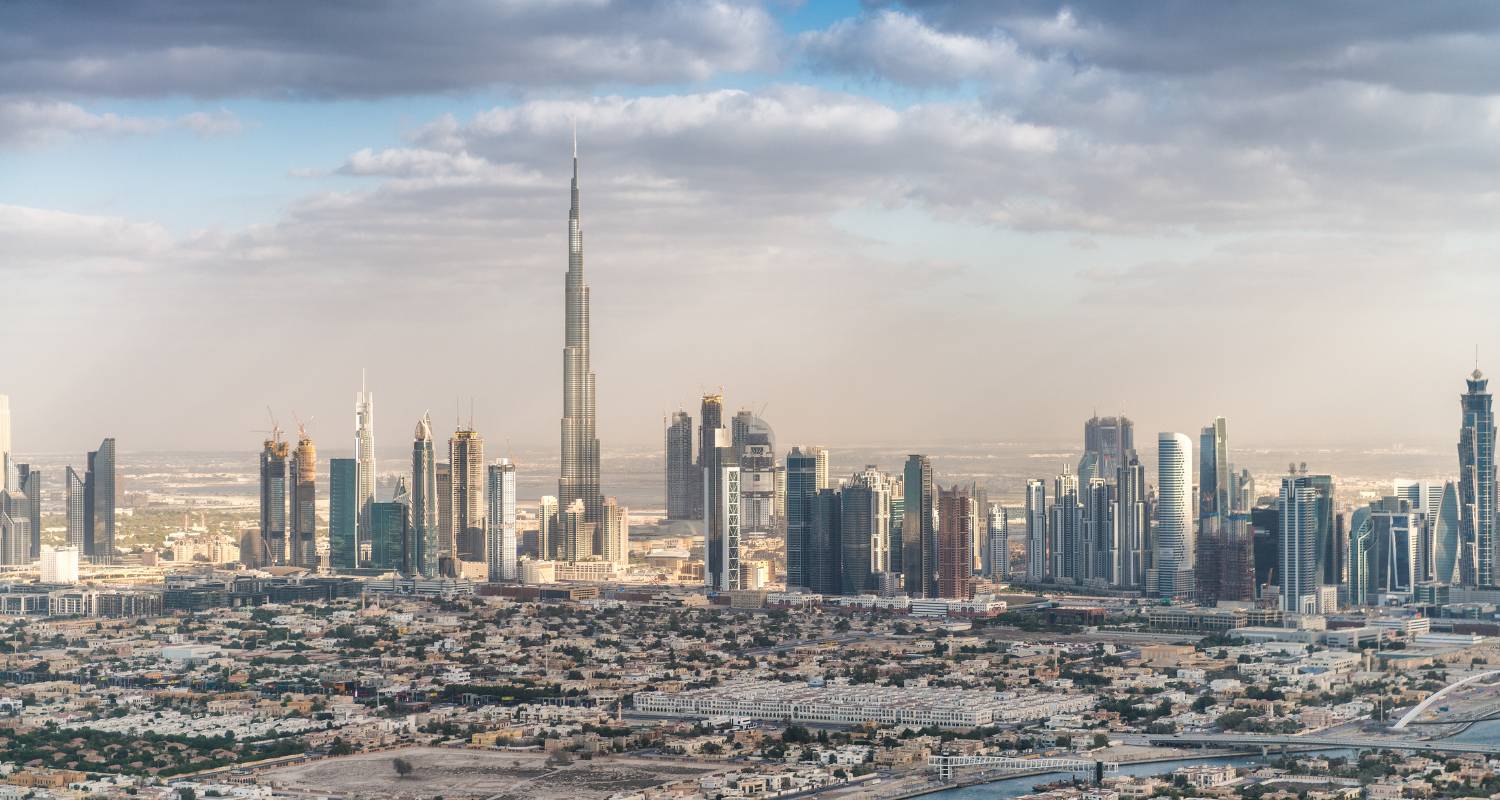
Dubai offers a dynamic mix of international cultures. The city’s world-class infrastructure, master-planned urban design, and great transport connections make it a hub, not only in the Middle East but in the world. Its dynamic and ever-growing economic environment creates attractive investment opportunities every year. At present, these attractive opportunities are especially apparent in the real estate sector.

The year 2021 experienced Dubai reaching an all-time high in real estate transactions, the highest in a decade, and this trend continues to grow, witnessing a significant increase in the high-end segment of properties. The property prices of Dubai, when compared to other global major cities like London, Singapore, Paris, Hong Kong, and New York, reflect a competitive advantage.
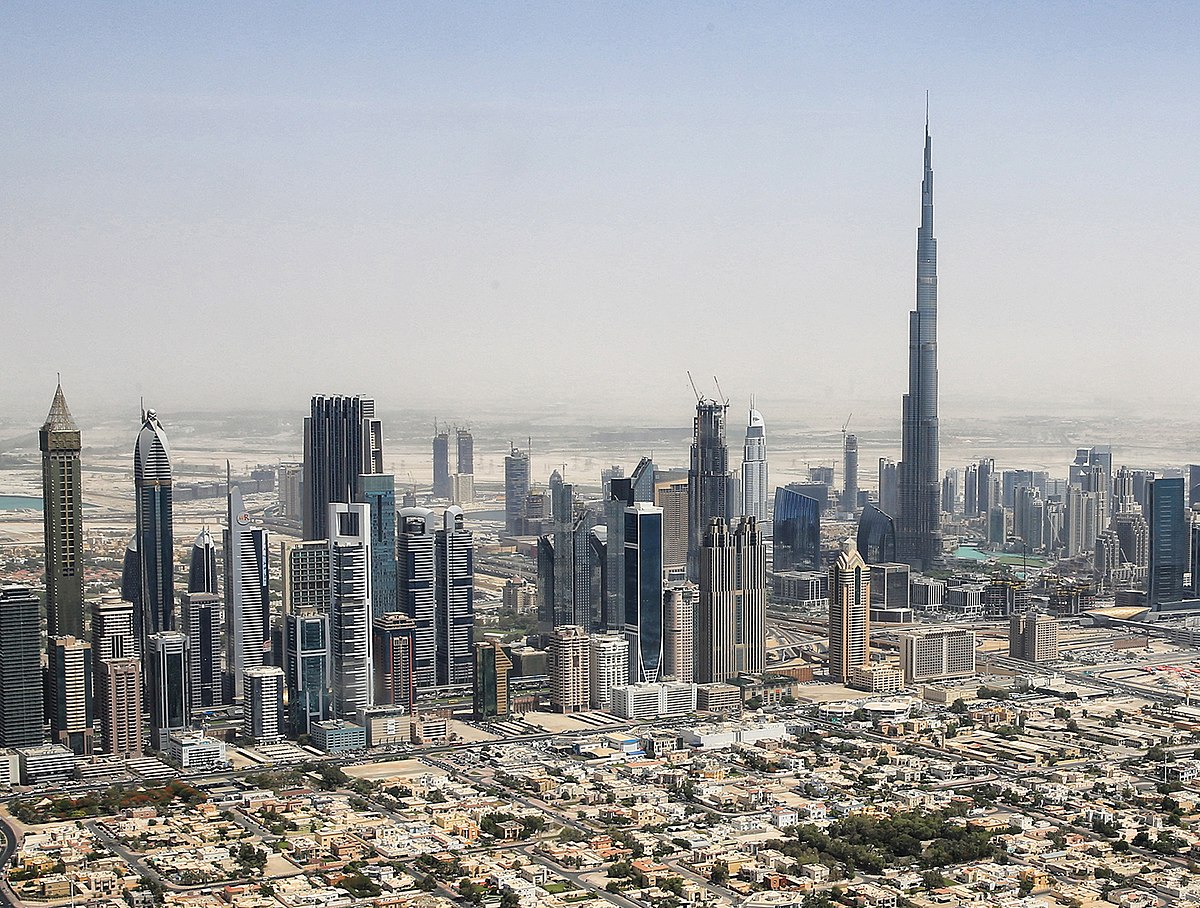
Dubai is a top destination for real estate investment now. Its popularity is due to an excellent lifestyle for those living there, sunny climates year-round, a secure place to live, excellent international traveling links, and ethnically diverse citizens. Prospective immigrants looking to relocate from overseas will discover these factors make the transition easy and friendly.

The market presents a vast array of choices, which can make selection difficult. To navigate this effectively, determine your priorities and recognize the mistakes to sidestep when picking an investment property.

A decision to invest in Dubai necessitates thorough examination and investigation. You must assess potential hazards, your own resources, and the prevailing market conditions to develop a sound strategy for this significant undertaking.
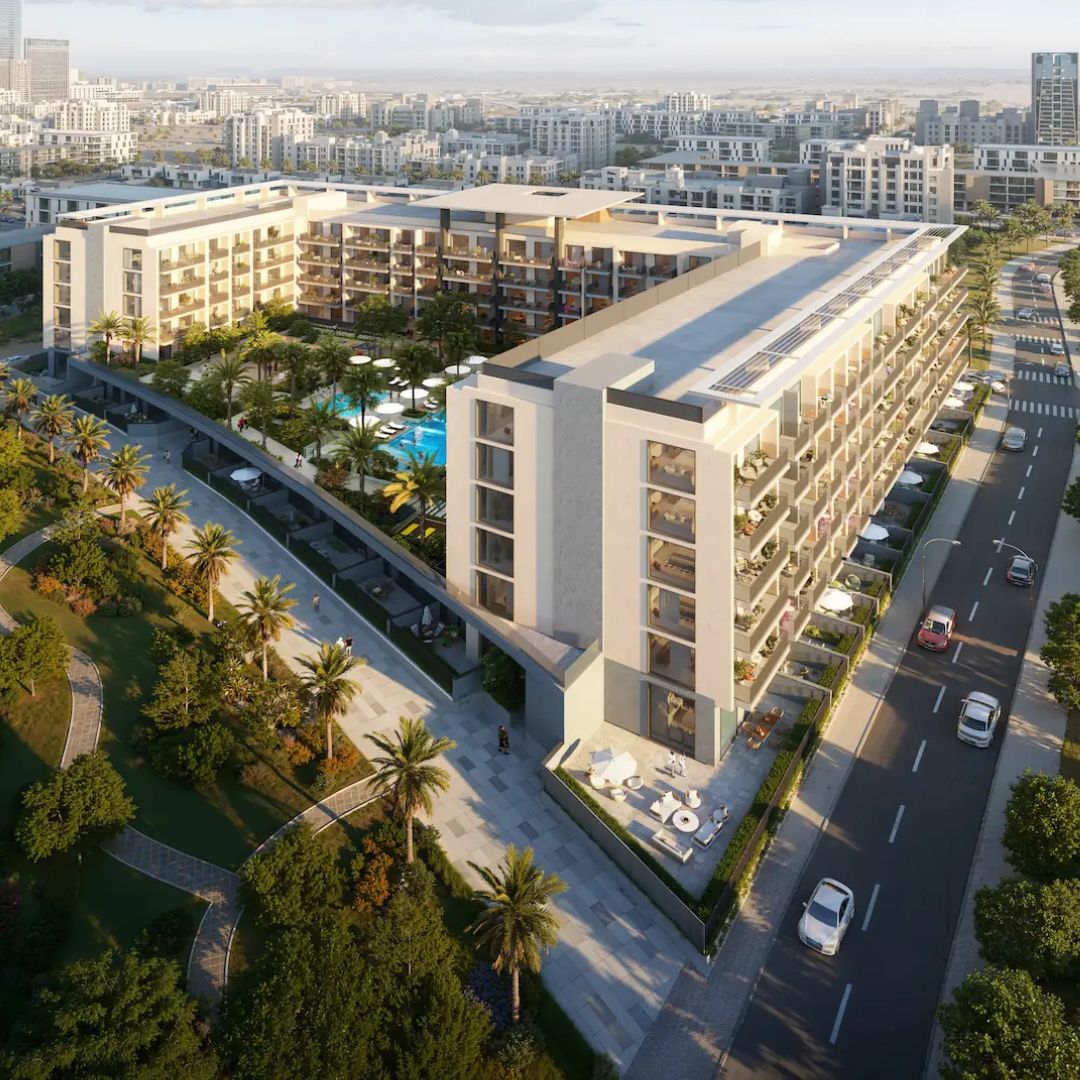
Explore every property available for purchase in Dubai.

See All Available Properties Property Source

Iconre is committed to assisting you in making well-informed choices. To that end, we’ve provided valuable insights from a respected expert within our network—Iconre Management, a premier mortgage advisory firm in the UAE and a key component of the Iconre group.

  • Location: The success of your property investment hinges significantly on selecting the right location! The area’s appeal, along with its ease of access to points of interest and necessary services, are key considerations.

For example, Dubai, which has gained worldwide recognition as a major shopping destination. People who live there appreciate the proximity to well-known shopping centers, such as Dubai Mall and Mall of the Emirates.

A number of impressive shopping malls are located within Downtown Dubai, Al Barsha, Dubai Marina, and Palm Jumeirah.

In addition, data from Google Trends indicates that Nad Al Sheba, Oud Metha, Jumeirah Lake Towers, and Dubai Hills are among the most frequently searched residential areas, making them worthy of consideration.

    • Short-term vs long-term rentals: Certain residences, like apartments in central Dubai, Palm Jumeirah, the Marina, and JBR, tend to generate higher returns with short-term rentals, whereas villas in areas like Dubai Hills, Jumeirah Park, and JVT are more profitable when rented on longer, traditional leases.

    • Cash vs finance: It is essential to evaluate the return on your invested capital and utilize borrowed funds strategically.

    • Service charges and property management fees: These factors vary between individual properties and require prior evaluation.

Off-plan vs Ready-to-move

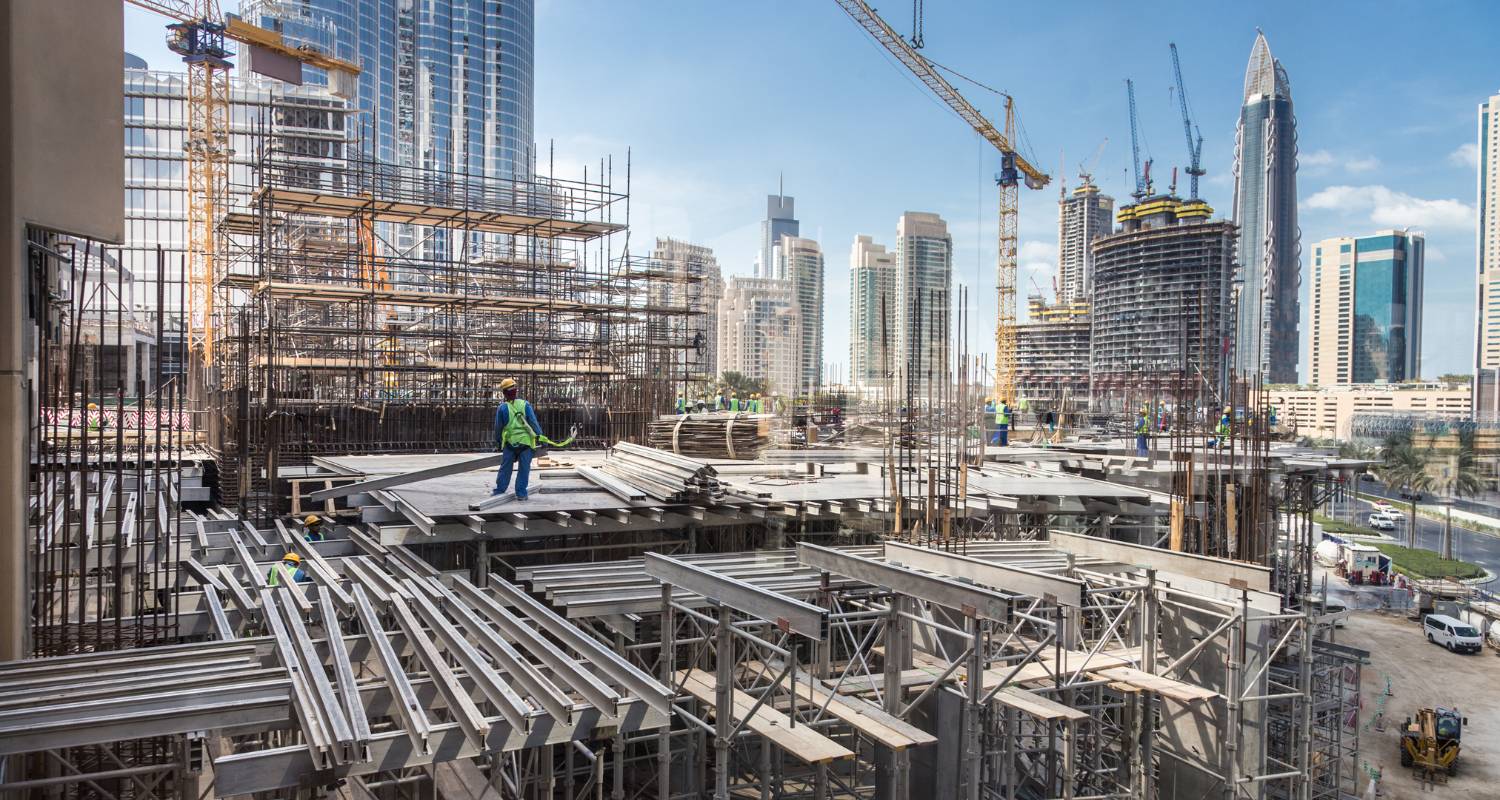
Dubai property investors typically choose between two options: off-plan properties, which are those still in the construction phase and not yet handed over, and ready-to-move properties, which are finished and available for immediate use. In contrast, the second option means a fully built home.

ready-to-move

The advantages and disadvantages of each property type are outlined in the following section:

Advantage of Buying Off-plan Properties

    • Cost-Saving Potential: Buying a property before its completion can in most cases involve paying a lesser upfront purchase price for finished units.
    • Greater Opportunities for Customization: Early buyers tend to get to choose finishes, layouts, and upgrades and can customize the area to fit their personal choice.
    • Potential for Capital Gain: Assuming the market environment is such, the property can appreciate highly by the completion stage.
    • Access to newer amenities and features: Off-plan properties usually include the newer architectural styles, cutting-edge technologies, and community facilities.
    • Flexible payment structures: Staggered payment plans are provided by the developers, which allow the buyer to make the purchase more affordable.
    • Choice of prime locations: The early buyers have a higher probability of securing prime locations with best views or positions within the development.
    • Warranty and Guarantees: New build homes are typically accompanied by warranties, giving assurance against possible faults.

Iconre provides a viewing platform for multiple properties in the planning stage, so you can select your best option.

Disadvantage of Buying Off-plan Properties

    • It’s important to understand that market fluctuations are normal and could alter a property’s initial worth.
    • There’s a chance that off-plan developments might be delayed or even abandoned, making thorough developer research essential.

Advantage of Ready-to-move Properties

    • The proposed cost reflects the present state of the real estate market.
    • Many purchasers value the chance to physically inspect a property to determine its appropriateness.
    • Completed properties provide the benefit of producing rental income right after acquisition.

Disadvantage of Ready-to-move Properties

    • Higher upfront investment; this includes the down payment
    • The payment plan may not always be flexible
https://iconre.co/

What are the advantages of buying property in Dubai?

What are the advantages of buying property in Dubai?

Dubai’s consistently expanding real estate market remains a strong draw for those looking to invest in property there. The city’s impressive cityscape, iconic constructions like the Burj Khalifa and Palm Jumeirah, high-end housing, properties available for outright ownership, and options for longer-term residency visas all contribute to Dubai’s appeal. Affluent individuals, working professionals, business owners, prominent figures, families, and visitors are drawn to Dubai to experience its splendor and take advantage of what it has to offer.

Dubai provides extended residency permits for those who invest in real estate. Regardless of whether one purchases a home or a business property, meeting the necessary criteria allows for securing a longer-term residency visa in Dubai. In addition to providing an extended period of living within Dubai, these visa opportunities also enable holders to sponsor family members and benefit from the city’s advantages.

For those considering investing in Dubai’s property market or seeking to obtain a longer-term residency permit, this blog post offers insights into the advantages of residency for property investors and outlines the steps involved in securing an investor visa within Dubai.

Can You Get Residency in Dubai by Buying Property?

Those who wish to establish a long-term life in Dubai, capitalizing on its dynamic city environment and fulfilling their business ambitions, will find favorable opportunities. Dubai facilitates residency visas for property investors adhering to set standards. Investing in or owning property valued at AED 750,000 qualifies for a three-year renewable residency visa. Furthermore, possessing property or properties valued at AED 2 million grants access to the ten-year renewable Dubai Golden Visa. A Dubai Residency Visa unlocks a multitude of advantages for those who call the city home.

Strong & Stable Real Estate Market

Dubai’s real estate sector continues to demonstrate exceptional stability, even in the face of global economic uncertainties. Over the past few years, the emirate has shown a remarkable ability to adapt, with property values and transaction volumes maintaining healthy growth trends.

This resilience is driven by a combination of factors — a steadily increasing population, a thriving tourism industry that attracts millions of visitors annually, and the continuous influx of expatriates seeking long-term opportunities in the UAE.

On top of that, the Dubai Government has implemented forward-thinking regulations and digital initiatives to enhance market transparency, protect investors, and ensure smooth property transactions. These efforts have built confidence among both local and international buyers, making Dubai a secure and attractive choice for real estate investment in 2025 and beyond.

High Rental Yields

One of the biggest attractions for property investors in Dubai is its consistently high rental returns, which often range between 5% and 8% annually—significantly higher than in many other global real estate markets.

The city’s strong tourism sector and growing population ensure steady rental demand. Investors can benefit from both short-term holiday lets through platforms like Airbnb, which thrive in tourist hotspots, and long-term leases catering to professionals, expatriates, and families relocating to the city.

Some of the most sought-after locations for rental income include:

  • Downtown Dubai – Popular with professionals and visitors who want to be close to landmarks like the Burj Khalifa and Dubai Mall.

  • Dubai Marina – A vibrant waterfront community ideal for both young professionals and holidaymakers.

  • Palm Jumeirah – Offering ultra-luxury living and attracting high-end tenants willing to pay premium rents.

100% Foreign Ownership

One of the biggest advantages of buying property in Dubai today is the freedom of 100% foreign ownership in designated freehold areas. This means that, as an international buyer, you can purchase, sell, lease, or live in your property without needing a local sponsor or partner.

Dubai first introduced this concept to attract global investors, and over the years, the list of freehold zones has expanded significantly. In 2025, buyers can choose from a variety of high-demand communities, including:

  • Downtown Dubai – Home to the iconic Burj Khalifa and Dubai Mall, perfect for luxury city living.

  • Dubai Marina – A vibrant waterfront district with high rental demand.

  • Palm Jumeirah – Exclusive beachfront villas and apartments offering a resort lifestyle.

  • Business Bay – A commercial and residential hub ideal for professionals and investors.

  • Jumeirah Village Circle (JVC) – Affordable yet fast-growing with strong rental returns.

The flexibility of full ownership, combined with Dubai’s transparent property laws and secure transaction process, makes it an attractive market for both first-time and seasoned investors.

Tax Benefits

One of the most appealing reasons to invest in Dubai property is the tax-friendly environment. In 2025, there is still no annual property tax and no capital gains tax on real estate transactions. This means that once you’ve purchased your property, you won’t be paying yearly taxes just to own it, and when you sell, your profits are yours to keep.

Compared to major global cities like London, New York, or Singapore, where property taxes and capital gains can take a significant chunk of your earnings, Dubai offers a clear financial advantage. For example:

  • London – Annual property tax (Council Tax) plus up to 28% capital gains tax.

  • New York – Property tax averaging 1.6% of market value annually, plus federal capital gains tax.

  • Singapore – Additional Buyer’s Stamp Duty and capital gains taxes for certain transactions.

In Dubai, these costs simply don’t exist for real estate owners, meaning your net return on investment (ROI) is significantly higher. Combined with strong rental yields, this creates one of the most investor-friendly property markets in the world.

World-Class Lifestyle & Infrastructure

Dubai is more than just a city – it’s a lifestyle destination. Its skyline is a blend of modern architecture and visionary design, from the shimmering Burj Khalifa to futuristic waterfront communities. The city is also at the forefront of smart city technology, integrating AI-powered services, efficient transport systems, and sustainable urban planning.

Residents enjoy world-class amenities that rival the best in the world – expansive shopping malls like The Dubai Mall and Mall of the Emirates, internationally accredited schools, state-of-the-art hospitals, and endless entertainment options from fine dining to desert adventures.

Safety is another hallmark of Dubai living. The city consistently ranks among the safest in the world, offering a secure and family-friendly environment with well-maintained public spaces, green parks, and a strong sense of community.

For those seeking both luxury and everyday convenience, Dubai delivers an unparalleled quality of life that makes owning property here even more appealing.

Strategic Global Location

Dubai’s location is one of its strongest assets, placing it at the crossroads of Europe, Asia, and Africa. This makes it a natural gateway for both trade and tourism. The city is less than an eight-hour flight from two-thirds of the world’s population, making it incredibly accessible for international business meetings, luxury getaways, or quick family visits.

With Dubai International Airport (DXB) ranked among the world’s busiest for international passenger traffic and Al Maktoum International Airport continuing to expand, travel to and from the city is seamless.

In today’s world, where flexibility and mobility are key, Dubai’s strategic position also appeals to remote workers and entrepreneurs. Coupled with the UAE’s proactive visa programs—like the Remote Work Visa—professionals can base themselves in a safe, cosmopolitan city while staying connected to global markets in real time.

This unmatched connectivity continues to make Dubai a prime choice for property buyers who value convenience, accessibility, and international opportunities.

Future Growth Potential

Dubai continues to push the boundaries of innovation and urban development, making it one of the most exciting property markets globally. Several mega projects currently underway highlight the city’s ambition to offer unmatched living and investment opportunities.

For example, Dubai Creek Harbour is redefining luxury waterfront living with its stunning skyline and vast green spaces, promising a vibrant community right beside Dubai Creek. Similarly, Expo City Dubai—the legacy of Expo 2020—is evolving into a dynamic business and residential hub, attracting global companies and residents alike. Additionally, new waterfront developments and smart city projects are being planned and built, further boosting Dubai’s appeal.

On a broader scale, Dubai’s Vision 2040 sets a clear roadmap for sustainable, long-term growth. The government is focused on creating a city that balances economic progress with environmental responsibility, ensuring real estate projects are future-proof and aligned with global sustainability goals. This includes expanding green spaces, enhancing public transport, and investing in cutting-edge infrastructure.

For property investors, this forward-thinking approach signals strong potential for property value appreciation. As these developments come to life and Dubai’s population continues to grow, demand for quality homes and commercial spaces is expected to rise steadily. Investing now means positioning yourself to benefit from the city’s ongoing transformation and rising real estate values.

Conclusion

Buying property in Dubai today offers a unique combination of financial benefits, lifestyle advantages, and long-term growth potential. With a stable and transparent real estate market, attractive rental yields, zero property taxes, and the added perk of residency options, Dubai stands out as one of the smartest places to invest in real estate right now. Whether you’re looking for a luxury home, a high-yield investment, or a gateway to global opportunities, Dubai’s dynamic property market has something for everyone.

If you’re ready to explore the best properties Dubai has to offer and want expert guidance tailored to your investment goals, we’re here to help.

Looking to make your Dubai property dream a reality? Contact our team at LuxurySpaces.co today for personalised investment advice and start your journey towards owning a piece of this vibrant city.

https://iconre.co/

How Dubai Became a Global Hub for Real Estate Investors

How Dubai Became a Global Hub for Real Estate Investors

Dubai has rapidly emerged as a top choice for those looking to invest in property. Its reputation for a high-end way of life, strong economic performance, and the benefit of no income tax makes Dubai’s real estate offerings appealing to investors from every part of the world. With ongoing expansion and new projects, the Dubai property market presents an attractive opportunity for anyone aiming to diversify their holdings or pursue profitable investments.

This article will explore the causes of Dubai being a global hub for real estate investment, analyzing the underlying factors that make it a top destination for property investors.

Why is Dubai a prime Location to invest in real estate?

Maximizing Returns: Strategic Benefits of Dubai Property Investment

Dubai’s location at the crossroads of Europe, Asia, and Africa provides a distinct advantage for real estate investors. Its easy access to global markets and exceptional connectivity solidify its status as a leading commercial and residential center. This makes Dubai a highly attractive option for those seeking prime vacation homes, rental properties, or corporate housing.

Furthermore, Dubai’s reputation as a host for major international events, such as the Dubai Expo 2020, combined with its robust tourism industry, ensures a consistently high demand for real estate, making it an excellent destination for long-term investments.

Dubai's strong economy and market make it a top Location for investments

Investors are drawn to Dubai’s real estate market largely due to its solid economic foundation. The UAE’s shift away from oil dependence, and the growth of tourism, finance, and property sectors, has created a stable economic environment. Dubai’s ability to weather economic storms provides a sense of security for those looking for reliable, long-term returns on their real estate investments. The city’s ongoing drive for innovation, its high quality of life, and its well-developed infrastructure have cemented its position as a major player in the global real estate market.

The Main Factors of the real estate market in Dubai

The Benefits of Tax-Free Real Estate Investments in Dubai

Dubai’s appeal as a real estate investment hub is largely due to its advantageous tax policies. The absence of property taxes, capital gains taxes, and inheritance taxes directly translates to increased profitability for investors. This creates a highly desirable investment atmosphere, establishing Dubai as a top destination for real estate investment. The question, ‘Why invest in Dubai real estate?’ is easily answered by the substantial tax advantages, which secure a more favorable return on investment.

Good Economic Growth and Stability

Dubai’s property market thrives because of its strong, stable economy. The UAE government actively works to diversify the economy, embrace new technology, and build international relationships, which keeps Dubai’s economy healthy and growing steadily. This stability makes investors feel secure, creating a great atmosphere for buying property. Dubai offers many investment possibilities, from homes to high-end real estate, all with the potential for long-term growth.

Connectivity and Strategic Location

Dubai’s position as a highly accessible city globally makes it a key center for commerce. Its advanced transportation infrastructure, featuring an international airport, seaport, and extensive road network, significantly boosts the attractiveness of Dubai real estate investments. Situated strategically in the Middle East and acting as a bridge between Eastern and Western markets, Dubai provides exceptional access to major international markets. This excellent connectivity guarantees real estate investors a diverse pool of prospective tenants and buyers from around the world.

Top Real Estate Investment Opportunities in Dubai

Investing in Dubai's residential real estate

Dubai’s population growth has fueled a consistent rise in the need for homes. Both foreign professionals and local citizens are looking for places to live in this lively city. Dubai’s diverse housing choices, from upscale villas to tall apartment buildings, make it a desirable market for property investors. Neighborhoods such as Downtown Dubai, Emirates Hills, and Palm Jumeirah remain popular choices for residential property investments because of their closeness to work areas, entertainment venues, and top-notch facilities.

Luxury Property Markets and Profitable Investment Areas

Dubai’s high-end property market is notable for its superior construction, sought-after locations, and the possibility of substantial profits. Due to the city’s image of wealth, there’s a consistent need for premium homes, especially in prestigious districts like Emirates Hills, Downtown Dubai, and The Palm Jumeirah. Investing in luxury homes can yield considerable financial gains, particularly in areas with high rental incomes, presenting a key opportunity for affluent buyers looking for premier properties with potential for future value increase.

Why Dubai's Real Estate market could be a smart investment choice

Maximize Rental Income and Long-Term Value Growth

One of the biggest draws for Dubai investors is the high rate of return for properties rented out. In Dubai, it is common for investors to gain a return on rents as high as 7-8%, something many other significant cities cannot claim. On top of this, the steady rise in property value with time makes real estate investments in Dubai especially enticing. The constant growth of the city increases the need for properties, which in turn helps to boost the value of the properties.

The Dubai property market, whether it be homes or high-end developments, offers plenty of scope for sustained growth in the long term, and so a good destination to invest

Future Development and Infrastructure Projects

Dubai experiences continual growth and expansion. The city features many upcoming development and infrastructure plans that are set to strengthen its attractiveness for investors. Significant projects, such as the Dubai Creek Tower and Mohammed bin Rashid City, are expected to increase property values in neighboring regions, making early purchases particularly advantageous. Infrastructure improvements, including expanded public transit, new road systems, and high-quality amenities, will further solidify Dubai’s position as a desirable location for real estate investment.

Why Dubai is a Top Choice for Property Investors

Market Stability and Resilience

Dubai’s marketplace has consistently shown its ability to withstand economic pressures, including worldwide slumps. The real estate scene in Dubai has seen continuous upward movement, thanks to both official regulations and a broad economic base. This sustained dependability renders Dubai a secure haven for those investing with an eye toward predictable gains. Be it a residential purchase or an investment venture, Dubai’s market delivers a firm platform for wealth protection.

Driving Global Impact and Inspiring Investor Confidence

Dubai’s marketplace has consistently shown its ability to withstand economic pressures, including worldwide slumps. The real estate scene in Dubai has seen continuous upward movement, thanks to both official regulations and a broad economic base. This sustained dependability renders Dubai a secure haven for those investing with an eye toward predictable gains. Be it a residential purchase or an investment venture, Dubai’s market delivers a firm platform for wealth protection.

Coclusion

Investing in Dubai’s Real Estate Market presents significant advantages, thanks to its favorable tax environment, expanding economy, and advantageous geographical position. The city draws a diverse range of investors, both domestic and foreign, who are drawn to the potential for substantial rental income, increasing property values, and access to premium residences in a globally recognized luxury hub. Dubai caters to a wide array of investment goals, from standard residential units to opulent estates.

For those exploring the benefits of Dubai real estate investment, the robust market conditions, attractive returns, and projected future expansion establish Dubai as a top location for property investment. By partnering with experienced professionals, such as the K Estates team, investors can maximize their chances of achieving successful outcomes within this vibrant and developing real estate Market.

https://iconre.co/

Oqood in Dubai Real Estate: Everything You Need to Know

Oqood in Dubai Real Estate: Everything You Need to Know

The Dubai real estate market’s notable expansion has attracted ongoing attention from foreign investors. The need for modern regulatory frameworks and effective procedural processes grows as the market gets more competitive. This is how the Oqood system works.

Oqood, a central piece of the city’s regulatory system, was set up to transition property transactions to a digital space, monitor them, and simplify them. Introduced by the Dubai Land Department (DLD), the system applies especially to under-construction properties.

Having a proper understanding of Oqood is particularly crucial for first-time buyers of property, as it can make registration a seamless process that complies with all the regulations in place in the Dubai real estate market.

What is Oqood and How Does it Affect Dubai's Real Estate Market?

Oqood, which translates to “contract” in Arabic, was developed to streamline the administration, entitlement, and sales of properties sold before completion because of Dubai’s real estate market’s rapid growth. The Dubai Land Department created the official web-based platform that this structure uses to function, and Emirates Real Estate Solutions (ERES) is in charge of it.

This platform’s introduction aimed to promote order and clarity, as well as to simplify the handling of property transactions prior to formal registration. The comprehensive record-keeping and governance of properties sold before completion make Oqood a reliable space for protecting the interests of both property developers and purchasers.

The role of the Oqood Portal

Oqood delivers a full spectrum of services within the Dubai real estate sector. This system is designed to facilitate the pre-registration of properties transacted during, or prior to, the completion phase. Furthermore, Oqood manages account operations, payment processing, and contractual obligations for various stakeholders, including developers, investors, and affiliated parties.

Through the Oqood user interface, account holders are able to track project progression and execute sales transactions efficiently. The system provides a reliable medium to ensure that registrations are in compliance with legal mandates.

Investors are afforded the security of knowing that their legal rights as purchasers are preserved and their investments are protected.

Additionally, it maintains a verifiable record of transactions and provides real-time monitoring of off-plan developments, thereby enhancing transparency and mitigating the potential for fraudulent activity. Oqood also extends support to legal authorities in matters concerning real estate within Dubai.

Key Features of the Oqood System

Online Registration Procedure

A completely online system, known as Oqood, manages off-plan property sales, providing users with quick and easy access. Property developers can log in without difficulty to record sales of properties that are still under construction. The Dubai Land Department then approves these registrations, and the system maintains comprehensive records of both properties and customers.

Efficient Management of Multiple Transactions.

This online system provides developers with the tools to effectively manage and market a wide range of off-plan properties, leading to improved control over large-scale developments. Furthermore, it lightens the burden of administrative responsibilities.

The Legal Framework Protecting Property Developers and Home Buyers

After buying a property before it’s built, the involved parties will have their ownership legally recorded on Oqood, which secures the buyer’s entitlements. Furthermore, Dubai’s property regulations safeguard both the builders and those purchasing, with confirmed transaction details. The Dubai Land Department carefully monitors the sales and development of these pre-construction properties.

Required Documentation for Developer Registration on Oqood.

To finalize and activate developer registration within the Oqood online platform, these documents are necessary:

    • Company trade license (copy)
    • Power of Attorney
    • A copy of a passport
    • Authorization Letter
    • Emirates ID or visa

Oqood Fees: An Overview of the Expenses

To obtain an Oqood certificate through Oqood registration—a mandatory requirement for buyers of properties under construction—specific payments must be made. These payments are not fixed amounts but are calculated as a percentage of the property’s total value.

    • Percentage: Generally, the charge is around 4% of the property’s overall selling price. The precise cost can fluctuate based on ongoing special offers or the kind of development.
    • Responsibility: Typically, the person purchasing the property is the one who pays this charge to the builders, and it’s included in the initial property expenses.
    • Payment Process: Frequently, the builders gather the Oqood charge and then send it to the Land Department when the property is officially recorded. Those buying should confirm the precise sum with the builders to guarantee all funds are handled safely.

How you can get Oqood Certificate

Securing an Oqood certificate is essential for officially recording the pre-registration of property sales before completion, and it safeguards the buyer’s ownership claims. A comprehensive explanation of the procedure follows.

Submit a Registration Request

    • Name of the Developer
    • Location of the Off-Plan Property
    • Size of the Off-Plan Property
    • Information about Ownership
    • Handover Time of the Project

Make the Oqood Fee Payment

To complete the Oqood certificate, the buyer pays the associated fees. The developer, on their end, determines the fee, collects it from the buyer, and then submits it to the Real Estate Registration Directorate at the Dubai Land Department. This step is essential for formally recording the property sale.

Issuance of the Oqood Certificate

Once the registration of off-plan property is verified and approved by the Dubai Land Department, the authority issues the Oqood Certificate. The document provides proof of ownership, marking the registration legal and giving buyers confidence in their purchase.

Important Sections of the Oqood Portal

Oqood offers a digital interface in Arabic and English. Furthermore, to improve application interaction and simplify use for all stakeholders and developers, it incorporates supplemental areas.

1. Properties

The online Oqood platform features a dedicated area for real-time property updates, showcasing new listings and their management. Users can utilize the property management tools for various applications.

    • Adjust or add new payment schedule options.
    • Modify or update the available unit count within current pre-construction projects.
    • Explore diverse real estate options, such as high-rise buildings and detached homes.
    • Update or refine the information regarding villa projects currently being built.
    • Seek approval from senior management for any property contract cancellations.

2. Properties

The ‘Participants’ Section catalogs all entities participating in off-plan property transactions, notably investors, development firms, and sales/purchase entities.

The ‘Participant Management Screen’ allows for the modification of this registry through additions or removals. To append a participant to the Oqood Portal, adhere to the following steps:

    • Select the ‘Participant Management’ option to initiate the process.
    • Input the name of the organization or individual.
    • Supply the current contact details of the owner or company; this is a required field.
    • A confirmation message will be dispatched to the participant upon successful completion and storage of the information.

3. No Objection Certificate (NOCs)

Because Dubai’s property market changes rapidly, properties bought off-plan are frequently sold again before they are finished. To do this legally, you must obtain a No Objection Certificate (NOC) from the primary developer and have it authorized by the Dubai Land Department.

The Oqood online system also provides a way to apply for this NOC, which is necessary to handle the legal aspects of transferring the property to a different buyer.

4. Processes

Within the Oqood portal, a distinct area, labeled “Procedures,” allows users to directly handle essential tasks. This section delivers verified contracts and official documents, which are created once the Dubai Land Department (DLD) has given its approval to a user’s requested action. The procedure module facilitates:

    • Cancellation of the Property
    • Approval of the Property
    • No Objection Certificate Procedures
    • Converting the lease properties to ownership
    • Details of Voucher
    • Modification of the Property
    • Browse Property Number, Name, and Type
    • Registration of Property for Mortgage Pre-approval

5. Management

Developers gain control over participant and company management through a dedicated administrative segment of the Oqood portal. This section facilitates the addition, management, revision, and removal of these entities. It’s important to note that the removal of a sub-user by a developer does not impede the sub-user’s continued access to their core account.

6. Agreements

Through the Oqood online system, a range of contractual agreements can be produced. To become valid, these contracts necessitate confirmation from the property’s proprietors and all pertinent parties involved in transactions concerning pre-construction real estate. Oqood provides various official confirmations such as:

    • Certificate for Initial Sales
    • Certificate for Mortgage
    • Certificate for Lease
    • Certificate for Dismortgage

6. Agreements

Through the Oqood online system, a range of contractual agreements can be produced. To become valid, these contracts necessitate confirmation from the property’s proprietors and all pertinent parties involved in transactions concerning pre-construction real estate. Oqood provides various official confirmations such as:

    • Certificate for Initial Sales
    • Certificate for Mortgage
    • Certificate for Lease
    • Certificate for Dismortgage

7. Vouchers

Applying for various services through the Oqood platform involves mandatory fees payable by the applicant. In most cases, the developer submits the request on the applicant’s behalf and furnishes them with the Oqood-issued payment document. This document could detail charges such as the Oqood registration fee.

Key Differences to Oqood And Title Deeds

Prospective first-time homeowners might mistakenly believe an Oqood is equivalent to a title deed; nevertheless, both are fundamental within Dubai’s real estate landscape. A clear understanding of their dissimilarities is necessary for buyers to mitigate future issues.

Each document possesses distinct features, and the Dubai real estate system provides a secure environment from the initial purchase of off-plan properties to the point of full ownership upon completion.

Oqood Certificate: Your Proof of Ownership Before Project Completion

When selling properties that are still being built, an Oqood certificate is a required document. This certificate confirms the purchaser’s agreement to buy the property that is currently under development.

Furthermore, this certificate verifies that the purchaser has finished the required registration steps as outlined by the Dubai Land Department (DLD), which offers protection until the official property ownership document, the title deed, is issued after the construction project is finished and delivered.

Final Attestation to Ownership: Title Deed

The issuance of a formal ownership certificate occurs subsequent to construction completion, coinciding with the property’s handover. This certification serves as legal proof of the owner’s absolute ownership of the purchased property or development. The successful attainment of this ownership certificate is contingent upon the full settlement of financial obligations and the conclusion of the handover protocols.

The Complete Process for Transferring an Oqood Certificate

When a buyer chooses to sell their property before the project is finished, Oqood provides a certificate for the subsequent buyer, but this entails several distinct phases.

    • Notify the Developer: To move the property title to the next owner, you’ll need to get a permission document from the building’s constructor.
    • Transfer Request to Dubai Land Department: Once you have the builder’s go-ahead, you’ll file for the ownership change with the Dubai Land Department, using their online system called Oqood.
    • Transference Fee: Oqood has set fees for various actions. You’ll need to pay the appropriate amount to finish the title transfer.
    • New Oqood Certificate: Once all legal steps are finalized, the Dubai Land Department will provide a new title certificate, showing the new owner’s name.
https://iconre.co/

What Are the Rules for Rent Increases in Dubai?

What Are the Rules for Rent Increases in Dubai?

The property scene in Dubai is a well-known hub of both new ideas and chances, gaining worldwide attention for its quick changes, fast expansion, and massive projects. From incredibly tall buildings that change the look of the city to large housing areas built for high-end living and ease, Dubai provides a wide selection of homes that fit the wants of a varied and global group of people. This diverse city pulls in many investors and renters, all interested in the appeal of a lively way of life, its ideal geographical position, and the possibility of substantial profits from their investments.

The property market in this urban area mirrors the diversity of its residents, showing a wide range of properties from very modern flats in the central areas to peaceful houses on the outskirts. This variety means the city has options for all, whether people are investing for profit, young workers wanting a suitable flat, or families seeking a large home. Yet, in this busy market, a key worry for renters is the possibility of rising rents.

For many people, the amount rent can go up in this city is not just a passing thought, but a vital part of planning their finances and keeping them steady. The city’s fast growth and changing market can cause big swings in rental costs, so it is necessary for both renters and property owners to know the rules about rent changes. Whether a renter wants to get a fair rental deal, or a property owner wants to get the best value from their property, knowing the details of rent increases is important for dealing with the city’s complex rental situation.

This piece gives a detailed look at the rules that control rent increases in the city, explaining the legal system set up by the Real Estate Regulatory Agency (RERA) and the things that affect rent changes. Besides the legal side, it also gives useful tips for renters, giving them the knowledge and tools to make good choices in a market that can feel confusing. Whether someone is new to the city or has lived there a long time, understanding how rent increases work is very important for having a secure and just living situation in a very dynamic property market.

Dubai's Rent Increase Policies: A Legal Framework

The rental market in Dubai is governed by a strong legal structure, crafted to safeguard the rights of both those who rent and those who own property. The Real Estate Regulatory Agency (RERA), a government entity operating under the Dubai Land Department (DLD), is fundamental to this structure. RERA’s main purpose is to manage and supervise Dubai’s real estate industry, with a strong emphasis on upholding equity, openness, and stability within the rental sector.

RERA is responsible for a wide range of tasks, from documenting property sales to managing the activities of real estate agents and construction companies. However, its most vital role is to create and enforce rules related to rental contracts, particularly regarding adjustments to rental costs. This is particularly significant in a city like Dubai, where the rental market changes frequently, with shifts in demand and availability influencing rental prices.

To fulfill its objectives, RERA has established a detailed set of standards and policies that outline how rental cost increases can be implemented. These policies are designed to prevent unfair and excessive increases in rent, which could disrupt the market and create financial hardship for renters. Simultaneously, they allow property owners to adjust rental prices to accurately reflect the current market value of their properties, thereby maintaining a stable and robust rental market.

A significant element of RERA’s strategy for managing rental cost increases is the Rent Increase Calculator, a useful online resource that offers a clear way to determine acceptable rental adjustments. This tool considers various factors, including the property’s location, type, and prevailing market trends, providing a straightforward and unbiased foundation for any rental increase. Utilizing this tool enables both property owners and renters to understand what constitutes a reasonable rental adjustment, reducing disagreements and promoting a more positive relationship between them.

RERA Rent Increase Calculator

The RERA Rent Increase Calculator is one of the most important tools among the several programs the Real Estate Regulatory Agency (RERA) has put in place to promote equity and transparency in Dubai’s rental market. This easy-to-use online calculator has grown to be a vital tool for both landlords and renters, providing a straightforward and impartial method of figuring out the highest rent increase that is permitted for a property. Stakeholders in the rental market may guarantee that rent changes are reasonable and consistent with market conditions by utilizing this tool. Numerous important elements that affect rental values are taken into consideration by the RERA Rent Increase Calculator. These include of the kind and location of the property as well as the state of the market at the time of the planned increase. After analyzing these factors, the tool contrasts the current rent with the typical rental prices for comparable homes in the same neighborhood. Because it establishes a standard by which every suggested rent increase may be evaluated, this comparison is essential. The calculator’s output is a guideline that specifies the maximum amount of rent increases that a landlord is allowed to impose. This guarantees that rent increases are both moderate and consistent with general real estate market trends, shielding renters from exorbitant increases while enabling landlords to keep their properties’ market values stable.

Law No. 43 of 2013

Landlords in Dubai are subject to Law No. 43 of 2013 when it comes to raising rental fees. They are legally allowed to increase rent only under certain conditions, with the permitted percentage of the increase being directly proportional to the gap between the existing rent and the prevailing market rent for similar properties in the locality. Below is a detailed explanation.

1. No Increase: If the rent is up to 10% below the going rate in the market.
2. 5% Increase: If the rent is currently between 11% and 20% below the going rate in the market.
3. 10% Increase: If the rent is currently between 21% and 30% below the going rate in the market.
4. 15% Increase: If the rent is currently between 31% and 40% below the going rate in the market.
5. 20% Increase: If the rent is currently over 40% below the going rate in the market.
These rules stop landlords from making arbitrary increases in rent and guarantee that increases are reasonable.

Why Rents Rise: Key Influencing Factors

The RERA guidelines give a general idea of how rent can be raised, but the actual amount of the increase in Dubai is subject to many different factors.

    • Location: The location of a property has a significant impact on the maximum rent amount that may be charged. High-demand locations, such as Dubai’s central business district, Dubai Marina’s waterfront, or the artificial island of Palm Jumeirah, usually have higher rental costs and are more likely to see rent increases.

    • Property Condition and Amenities: Well-maintained homes with contemporary amenities might support greater rent increases. Places with amenities like swimming pools, fitness centers, and building personnel to help residents tend to attract more renters.

    • Market Demand: The amount that rentals are raised can be influenced by the general degree of demand in rental properties in Dubai. Property owners might be able to raise rents more significantly when demand is high.

    • Economic Factors: Rent adjustments may be influenced by the status of the economy, particularly the rate of inflation and the cost of living. Property owners may try to raise rents during periods of economic expansion in order to cover escalating costs.

    • Lease Terms: The details within the existing rental contract also have an effect. If a rental agreement is for a long duration, property owners might have more limitations on their ability to raise the rent.

Essential Tips for Tenants

The increase of rental fees in Dubai may pose problems, but tenants are able to take action to guarantee their own safety.
    • Know Your Rights: Get to know the rules set by RERA, and use a tool that calculates rent increases to see what a reasonable increase looks like.
    • Negotiate with Your Landlord: Talking openly with your landlord frequently results in finding an agreement that works for both of you. If you think the suggested increase is excessive, show them proof of similar rental prices nearby.
    • Renew Your Lease Early: If you are pleased with your current rent, think about renewing your lease ahead of schedule to keep that rate. This can stop a large increase when the rental market shifts.
    • Consider Moving: You may need to search for a another area or home if the projected rent rise exceeds your means. There are many different rental apartments in Dubai, so you may find one that is more affordable elsewhere.
    • Seek Legal Advice: You can officially protest to the Dubai Land Department if you think your landlord is violating RERA regulations.” You can better understand your options and protect your rights as a tenant by speaking with a legal expert.

Conclusion

It’s typical for those renting in Dubai to worry about rent going up, but knowing the rules and what drives those changes puts power in your hands. If you’re a renter about to sign a new lease, or a property owner wanting to change rent prices, keeping up with the newest rules from RERA and what’s happening in the market is key. This lets you deal with Dubai’s rental scene knowing you’ll have a fair and open rental situation.

This guide offers the knowledge necessary for smart rent increase strategies in Dubai’s constantly changing property market, whether you’re a renter wanting to prevent surprise price jumps or a property owner looking to get the most from your rentals while staying within the law.

https://iconre.co/

How to Choose a High-Quality Property in Dubai: A Comp. Guide

How to Choose a High-Quality Property in Dubai: A Complete Guide

Whether you’re looking to buy or lease, it’s essential to thoroughly examine properties in Dubai. To steer clear of future issues, a careful review of multiple elements is necessary. This discussion will highlight the key points to deliberate on prior to finalizing your investment or rental choice. Here’s a breakdown of how to determine property quality in Dubai.

Key Factors to Assess Property Quality in Dubai

To properly judge a piece of real estate within Dubai, a thorough method is needed, one that takes into account numerous elements to guarantee a reliable financial undertaking. The following is an organized set of instructions to assist in successful property valuation.

Check for Legal Documentation and Property Ownership

Ensure the property’s rightful ownership is established before you move forward, thereby avoiding any legal problems. Gather the title deed from the seller or their representative, and then authenticate the ownership details using the official Dubai Land Department website or the Dubai REST application.

Check the Property’s Condition

Give the property’s construction and present state a complete check.

    • Structure: Examine the building for any noticeable fissures, moisture intrusion, or indications of deterioration.
    • Utilities: Assess the water flow strength, verify the operation of electrical sockets, and ensure the heating and cooling system is working correctly.
    • Age of the Property: Buildings that have been standing for a longer period might necessitate increased upkeep. Therefore, take into account possible remodeling expenses to enhance the building’s state.

If you intend to evaluate the condition of real estate within Dubai, these points hold significant importance.

Design And Layout

When evaluating a Dubai property’s worth, the arrangement and aesthetic are paramount. Considerations include the square footage, bedroom configurations, whether a terrace is included, how efficiently the space is used, and the wall finishes, among other elements.

Evaluate the Location

The placement of a property has a substantial effect on both its market value and its suitability for residents. When you need to assess the quality of a property in Dubai by considering its location, the following elements are essential.

    • Proximity to Amenities: Confirm that the residence is located close to necessary amenities, including educational institutions, medical facilities, grocery stores, recreational spaces, and transit options.
    • Neighbourhood Assessment: Observe the locale at various periods throughout the day to evaluate vehicular movement, sound volume, and the general atmosphere.

Evaluate Community Amenities and Service Fees

When evaluating the quality of a property in Dubai, the presence of shared facilities is a significant point to keep in mind.

    • Amenities: Evaluate the state and upkeep of shared features, such as pools, fitness centers, green spaces, and children’s recreation zones.
    • Service Charges: Learn about the costs associated with maintaining common areas, since these expenses can affect your overall financial commitment over time.

Explore Market Trends and Maximize Your Investment Potential

Evaluate the existing market environment to understand the property’s capacity for investment returns.

    • Comparable Sales: Examine the latest transactions of comparable homes nearby to determine an accurate property valuation.
    • Rental Yields: Evaluate the anticipated revenue from leasing and the likely tenancy levels for real estate investments.

If you’re looking to gauge property valuations in Dubai, Bayut’s Dubai Sales Transactions page is a valuable tool. It provides a comprehensive overview of real estate transaction data sourced from the Dubai Land Department. This includes historical property sale data, annual sales figures, and location-specific transaction values. By contrasting listed prices with confirmed sale prices for properties you’re considering, you can make well-grounded decisions.

Get expert guidance and simplify your Dubai property purchase.

To get expert knowledge and comprehensive valuation, consult certified real estate professionals and property appraisers specializing in the Dubai market. In your property search, you can take the assistance of iconre management.

FAQs

WHAT DO I NEED TO KNOW WHEN BUYING A PROPERTY IN DUBAI?

The following frequently asked questions about buying property in Dubai should give you a good understanding of the steps involved.

https://iconre.co/

Refund Policy for Property Buyers

Refund Policy for Property Buyers: What Happens When a Project Is Cancelled?

Off-plan developments can yield significant financial benefits, but the risk of cancellation exists. A primary concern for investors is the potential for recovering their invested funds in such an event. Consequently, understanding the laws, protocols, and regulations related to off-plan project cancellations is essential.

Understanding Off-Plan Project Cancellations

When a construction initiative for pre-sold properties is terminated, the building phase is interrupted before its intended conclusion. These terminations can arise from protracted construction timelines or limitations imposed by monetary or judicial constraints. In these events, either the building contractors or administrative entities, such as the Real Estate Regulatory Authority, are empowered to definitively halt the project’s continuation.

What Are the Rules for Canceling Off-Plan Projects?

We must follow some legal rules regarding this matter:

    • Under Dubai’s legal code, specifically Law Number 8 of 2007, real estate developers are required to establish an escrow account to safeguard funds provided by purchasers. These funds are to be returned in accordance with the final rulings made by RERA.
    • Law Number 13 of 2008, enacted in Dubai, outlines the required steps for real estate developers to process refunds to buyers in situations where RERA terminates a project.
    • In 2020, through Decree Number 33, a reorganized body was established to manage incomplete and terminated property developments. This body was designated the “Special Tribunal for the Liquidation of Terminated Real Estate Ventures in Dubai and the Resolution of Associated Entitlements.

Off-Plan Project Cancellations: What Are the Payment Policies?

A significant potential problem for individuals putting money into a pre-construction property in Dubai is the possibility that the development might not be completed. The primary financial protection in this scenario is that the builders are legally obligated to return the funds to those who purchased, following an independent financial review, within a two-week period after the project is halted. Should the builder lack the necessary capital, the return of funds could extend to a two-month period.

Purchasers of pre-construction homes are entitled to a refund in the event that the project is stopped. But they could also have to cope with financial consequences if they want to terminate their purchasing agreement. The severity of these fines varies and is subject to change. Often, a penalty is retained as a proportion of the amount that the buyer has already paid.

How to cancel an off-plan project: A step-by-step guide

There are several steps in the procedure. Let’s take a look at it:

    • Cancellation Notification: Developers inform all purchasers of the project’s termination, providing a transparent explanation for the decision.
    • Informing RERA about cancellation: To update the project’s official record, the developer formally alerts RERA regarding the termination.
    • Passing a Resolution: The regulatory authority, RERA, approves a formal decision, thereby commencing the procedures for project termination.
    • Report Submission: RERA provides a comprehensive document that includes justifications and supporting proof for the project’s termination.
    • The Audit Procedure: An independent examiner checks the escrow account and other financial records for accuracy.
    • Compensation and Refunds: Purchasers receive their deposited funds back through the Compensation and Refunds: escrow account, or, if funds are inadequate, the developer provides direct compensation.
    • Final Settlement: To safeguard consumer rights, RERA levies fines against developers who fail to uphold their contractual agreements.

Real Estate Violation System

To protect buyer rights, the Real Estate Violation System monitors developer actions. Should a developer fail to uphold the terms of their agreements, they may face legal consequences, including fines or a suspension of their business operations. Buyers also have the option to submit grievances to the Real Estate Regulatory Authority (RERA) for investigations and to ensure their rights are safeguarded.

Ensuring adherence to legal requirements, protecting the rights of those who invest, and preserving a secure and consistent property market in Dubai is the central function of this system.

FAQs

Do I have legal rights to take action if the developer refuses to refund me for a cancelled off-plan project?
Absolutely, should the builder not return your funds according to the agreed-upon conditions, you possess the option to lodge a grievance with the Real Estate Regulatory Authority or pursue legal action.

How to Track the Cancellation Status of a Project?
For updates regarding the status, utilize the Dubai Land Department (DLD) website or visit their office directly. You can also leverage Oqood to access information on payment transactions and the project’s stage.

How should I address problems arising within an ongoing project that hasn’t been terminated?
When problems arise in a real estate development that has not been formally called off, you are entitled to submit a formal report to the RERA or to start legal actions directed at the company that is developing the property.

Can I Mortgage off Plan Property?
Opting for a mortgage on a Dubai property still under construction presents a favorable opportunity, given the reduced cost of such properties and their potential for significant returns on investment.

https://iconre.co/

How to Invest in Dubai Real Estate for Maximum Profit

How to Invest in Dubai Real Estate for Maximum Profit

What makes Dubai’s property market a profitable investment? Primarily, Dubai exempts property ownership, sales, and rental income from taxation. Additionally, the government offers a renewable three-year residency visa to individuals who invest in property valued at AED 750,000, or approximately USD 204,000, provided they maintain ownership.

Significant governmental investments in safety and public works have enhanced Dubai’s property market, drawing in overseas investors and subsequently boosting the city’s economy through increased foreign participation in real estate.

Future Investment Potential

Of the seven Emirates in the UAE, Dubai stands out as the most sought-after destination, appealing to both visitors and those looking to invest or establish businesses. In 2021, property sales in Dubai reached approximately AED 300 billion. The combined property sales from the other six Emirates did not even reach half of Dubai’s total.

Homes and apartments attract investors because they present strong potential for profit. The upward trend in property values leads to significant returns from both sales and rentals. A common tactic among investors is to purchase units in projects under construction at a lower cost, which increases their eventual profit. This approach explains the financial benefits of investing in Dubai’s real estate market.

Real Estate Market

The 2020 Dubai Expo significantly altered the landscape for a city already known for its ambition. The event’s exceptional attendance triggered a sharp increase in the need for both lodging and housing, presenting a compelling investment opportunity within Dubai’s property market.

It’s been observed by several authorities that the significant event was intended to bring in more investors by presenting the city’s high tourist numbers, its safety, and the extensive possibilities in the property business.

Selecting a Potential Property

Selecting the ideal real estate can be quite complex. A dwelling may seem highly profitable at first glance, yet present hidden drawbacks. Thorough investigation is crucial prior to any purchase commitment.

Current market indicators suggest that both prospective homeowners and those seeking investment properties are drawn to both comfortable and upscale residences. The recent global health crisis spurred a greater desire for high-end homes, as individuals spent increased time living and conducting business within their personal spaces.

The rise in remote employment and subsequent extended time spent indoors has fueled a surge in the pursuit of opulent dwellings. Acquiring a premium property presents a favorable pathway to enhance revenue through rental agreements or resale transactions.

Long-Term Rentals

Yearly returns on extended-stay properties in Dubai typically range from 5 to 8 percent. This level of profitability is often seen in upscale areas such as Palm Jumeirah, Dubai Marina, and Business Bay. Conversely, apartments located within regions like Discovery Gardens and International City can produce annual returns reaching as high as 9%.

The profitability of a rental property varies depending on its style. Generally, smaller units, like studios and one-bedroom apartments, tend to produce the strongest returns. In contrast, larger homes, such as villas and mansions, typically generate annual returns between 4-6.5%.

Securing a tenant for your property requires the execution of a rental or lease contract. The property owner’s physical presence within the United Arab Emirates is not a mandatory requirement for this process.

Short-Term Rentals

Properties leased for brief periods often yield greater financial gains than those rented for extended durations. These short-term arrangements can produce exceptional annual returns, typically in the range of 11-13 %.

In Dubai, a number of firms specialize in property oversight. Their offerings encompass locating suitable renters, addressing tenant concerns, and handling general property upkeep. Furthermore, they maintain dedicated teams to inspect, prepare, and sanitize the units both prior to a renter’s arrival and following their departure. It should be noted that these management companies generally prioritize contracts involving extended rental periods.

Top Districts for High Returns in Dubai

When looking to invest in Dubai real estate, the following districts are highly recommended:

  • Palm Jumeirah
  • Dubai Marina
  • Downtown Dubai
  • Business Bay
  • Dubai Hills Estate
  • Jumeirah Village Circle
  • Emaar Beachfront
  • Arabian Ranches
  • Dubai International City
  • Damac Hills

Conclusion

The Dubai property market presents a wide range of choices. Strong rental yields and consistent buyer interest create numerous avenues for investment. Modern, top-quality facilities, coupled with a secure atmosphere, draw significant international investment. Additionally, income can be generated through both short-lease and long-lease property arrangements.

Investing in Dubai real estate grants the benefit of limitless residential visa renewals, a privilege beyond standard visitor or business visas. Consequently, given the confluence of these advantages, pursuing profit through Dubai’s property market appears highly advantageous and rational. This moment represents an ideal window for such investment.

FAQs

Is investing in real estate in Dubai worth it?
Dubai’s property market has experienced a swift surge in invested capital, and it presents substantial profit potential.

Are there any benefits of investing large sums in Dubai’s real estate Market?
Investors who acquire a property valued at AED 750,000, or USD 204,000, or above, are eligible for a three-year residency permit in the country, which can be renewed indefinitely.

How is the real estate market in Dubai these days?
Dubai’s property market is currently witnessing a significant surge in investments from both domestic and international sources, making it an opportune moment to invest in Dubai real estate for future financial gains.

What is better between Short-Term Rentals and Long-Term Rentals in Dubai?
While both options provide good financial results, short-term rental properties generate higher annual returns, ranging from 11 to 13 percent, as opposed to the 5 to 8 percent typically seen with long-term rental agreements.

https://iconre.co/

How the Dubai Loop Project is Revolutionizing urban sustainability

How the Dubai Loop Project is Revolutionizing Urban Sustainability

Dubai has consistently pushed boundaries with its advanced infrastructure and pioneering spirit, and now, the city is launching an entirely new and thrilling endeavour: the Dubai Loop Project. This revolutionary plan intends to transform urban transit by implementing a technologically advanced, rapid transportation network.

The objective of this fresh undertaking is to streamline daily travel, enhancing connections across the entire urban area. We will explore this detailed overview to understand the origins, anticipated benefits, and technological effects of the project, as this future method of transportation in Dubai is set to become a benchmark for worldwide city travel.

Dubai Loop Project: A Game-Changer in Dubai Real Estate

The Dubai Loop Project is a cutting-edge transportation concept designed to significantly increase mobility for both visitors and Dubai residents. The UAE Minister of State in charge of Artificial Intelligence, Digital Economy, and Remote Work Applications, Omar Sultan Al Olama, and the Dubai Road and Transport Authority (RTA) will work together to carry out this important project, which is the brainchild of Elon Musk, CEO of The Boring Company.

The 17-kilometer underground tunnel system in the proposed transportation system makes it easier for high-velocity electric cars to go. His Highness Sheikh Mohammed Bin Rashid Al Maktoum has approved this initiative, which was formally announced by the Dubai RTA and The Boring Company.

Following the signing of a formal agreement between the two primary collaborators, the initiative reached its completion. The goal is to establish a quick, eco-friendly, and practical transportation system connecting key locations within Dubai, offering an alternative to standard travel methods.

Project Genesis: RTA and The Boring Company Drive Urban Transit Innovation

During the Dubai World Government Summit, an initial agreement was approved. This alliance between the Dubai Roads and Transport Authority and The Boring Company aims to advance the city’s future transit solutions.

The memorandum of understanding that was signed outlines the combined work to investigate the adaptability and implementation of the subterranean transport system. The first stage of this project includes building a network of eleven stations that spans seventeen kilometers.

This transit system is engineered to carry roughly 20,000 individuals within a single hour. The system relies on fast, electrically driven transport, with potential speeds hitting 16 kph. This combination of speed and passenger volume is expected to dramatically shorten commutes between major Dubai destinations.

How the Las Vegas Loop is Redefining Urban Mobility

Dubai’s envisioned transportation network is inspired by The Boring Company’s prior achievements in Las Vegas. That Las Vegas system, which began running in 2021, features subterranean passageways, or, as Elon Musk described them, ‘wormholes’. The Las Vegas tunnel network has facilitated the movement of more than three million travelers using Tesla automobiles since its inception in 2021.

The intent of this innovative undertaking is to alleviate surface-level traffic backups and establish a fluid transportation method. Additionally, the effective operation and favorable public response to the Las Vegas system have provided a working blueprint for Dubai’s potential plans for subterranean travel.

Technological Advancements

  1. Modern Techniques for Tunnel Construction

Elon Musk’s organization, The Boring Company, is well-known for its cutting-edge methods of underground construction. To reduce expenses and shorten the duration of construction, the company intends to utilize sophisticated tunnel digging equipment for the proposed Dubai Loop Project.

These digging machines can operate continuously, minimizing interruptions. Furthermore, this highly innovative approach significantly speeds up building processes when compared to traditional digging practices. The intention is to employ self-operating, unmanned vehicles to transport the tunnel’s structural components, thereby improving both productivity and security throughout the building phase and afterward.

2. Rapid Electric Vehicles

The Dubai Loop Project relies heavily on advanced, rapid electric transportation. These vehicles, capable of reaching speeds as high as 160 kilometers per hour, demonstrate impressive design and aim to provide secure and efficient travel between stops.

Using electric vehicles in this project aligns directly with the city’s goal of reaching peak sustainability by the year 2040. These self-driving vehicles are designed to reduce carbon output and encourage the adoption of environmentally friendly energy alternatives.

Anticipated Benefits

  1. Driving Growth and Innovation

The first stage of the Dubai Loop Project will establish a connected network between Dubai’s key residential and commercial areas, simplifying transportation. This venture will encompass essential residential neighborhoods, business districts, and tourist attractions, enhancing the quality of life for all. Beyond this, it is designed to promote economic expansion and encourage international citizens to live and invest within Dubai.

2. Alleviation in Traffic Congestion

The swift expansion of Dubai into a major urban center has generated severe traffic bottlenecks, particularly in areas with high population density. This problem could be effectively addressed by the Dubai Loop Project, assuming a new form of transport is implemented to supersede the conventional public transportation network.

A substantial decline in above-ground traffic will occur as a large portion of commuters shift to the subterranean network, which suggests both enhanced air purity and faster journey durations.

3. Ecological Sustainability

The Dubai Loop Project heavily emphasizes environmental responsibility, supporting Dubai’s 2050 Clean Energy goals. The proposed electric transport will utilize renewable power, which is expected to lessen greenhouse gases, especially carbon emissions. Furthermore, by placing the loop system underground, the project will lessen the city’s heat and maintain the ground level for walking paths and green spaces.

Integration with Existing Infrastructure

1. Continual Intermodal Transfers

The envisioned stations are structured to optimize passenger flow and enable efficient transfers between the Dubai Loop and existing transport networks. Specifically, the placement of stations adjacent to bus terminals, metro overpasses, and key roadways will permit commuters to transition between modes with ease. This intermodal transfer strategy is designed to improve the aggregate operational capacity of Dubai’s transportation infrastructure.

2. Dubai’s Public Transport: A Game Changer for Property Investment

The initiative known as the Dubai Loop Project aims to enhance, not fully substitute, the current public transportation offerings, which encompass the RTA bus system and the Dubai Metro. By implementing this project, designated pathways will offer rapid transit choices, thereby alleviating strain on the present infrastructure. Furthermore, it will broaden commuter choices, presenting customized travel options that align with individual timetables and final locations.

Future Expansion Proposal

1. Continual Intermodal Transfers

The envisioned stations are structured to optimize passenger flow and enable efficient transfers between the Dubai Loop and existing transport networks. Specifically, the placement of stations adjacent to bus terminals, metro overpasses, and key roadways will permit commuters to transition between modes with ease. This intermodal transfer strategy is designed to improve the aggregate operational capacity of Dubai’s transportation infrastructure.

2. Dubai’s Public Transport: A Game Changer for Property Investment

The initiative known as the Dubai Loop Project aims to enhance, not fully substitute, the current public transportation offerings, which encompass the RTA bus system and the Dubai Metro. By implementing this project, designated pathways will offer rapid transit choices, thereby alleviating strain on the present infrastructure. Furthermore, it will broaden commuter choices, presenting customized travel options that align with individual timetables and final locations.

https://iconre.co/

What Are the Benefits of Commonhold Property in Dubai?

What Are the Benefits of Commonhold Property in Dubai?

Due to its diverse selection and progressive outlook, the Dubai real estate market is unique, offering a wide range of options for both homebuyers and investors. Despite the regular discussion of freehold and leasehold agreements, commonhold homes are a separate type of property holding that is gaining popularity in the city. People who want to invest in real estate in a more flexible and community-focused manner are increasingly choosing this ownership option.

This piece will thoroughly explain the concept of commonhold property, detailing its operational mechanics, the legal structure that governs it, and the reasons it may appeal to those purchasing property in Dubai. We will also examine its distinctions from other property ownership models, as well as the advantages and potential difficulties it involves.

Introduction Of Commonhold Property

Commonhold ownership describes a property structure where each owner possesses direct ownership of their individual dwelling, like an apartment or a standalone villa. Simultaneously, they share ownership of the development’s communal spaces and amenities. This includes areas such as corridors, lifts, vehicle parking, and leisure facilities. This model is prevalent globally and was adopted in Dubai’s property sector to establish a more organized method for overseeing shared properties, especially within residential complexes and secure communities.

Within a commonhold framework, a building or site is segmented into distinct units, each capable of independent sale or mortgaging. The shared spaces, conversely, are collectively managed and maintained by all property owners. The ownership of these communal areas is held by a homeowners’ association, which comprises every unit owner. This association is tasked with the care, upkeep, and administration of the shared resources.

Dubai's Commonhold Property Legal Framework.

The “Shared Property Act,” also known as Decree Number 27 of 2007, governs communal property ownership in Dubai, particularly in shared buildings. The purpose of this law was to establish joint ownership for properties with several units. It established the foundation for legal clarity in commonhold agreements by outlining the responsibilities and rights of individual unit owners as well as the community’s governing body.

This legislation obligates property builders to officially record the property with the Dubai Real Estate Authority (DLD) and establish a collaborative ownership plan. This plan involves setting up a resident’s management group to oversee the property. The act further requires the formation of a fund derived from resident’s fees, designed to finance the upkeep and administration of communal spaces.

The Shared Property Act seeks to guarantee that the rights of individual property holders are safeguarded, while also delivering an equitable and open system for handling shared spaces. Additionally, it grants the resident’s management group the authority to uphold rules, settle disagreements, and make determinations on behalf of all the property owners collectively.

How Does Commonhold Ownership Work?

A commonhold arrangement partitions property rights, granting each owner complete ownership of their personal unit and a combined ownership stake in the shared areas.

Here’s a more detailed explanation of the process:

1. Individual Unit Ownership

In a commonhold development, the freehold entitlement for each distinct residential space rests with its respective owner. Consequently, they enjoy absolute control over their unit—be it an apartment, villa, or townhouse—and may proceed with sales, leases, or mortgages as they deem appropriate, mirroring the freedoms of conventional freehold ownership.

2. Shared Ownership of Common Areas

Although each homeowner possesses full authority over their personal residence, they are also co-owners and jointly accountable for the development’s communal spaces. These shared areas often encompass places such as entrance halls, hallways, staircases, parking facilities, landscaped grounds, pools, exercise rooms, and various other conveniences.

A homeowners’ association, formed by all property owners within the development, handles the administration of these community spaces. Each resident contributes to decisions about the maintenance and management of shared areas, with influence generally determined by the size or value of their respective property.

3. Homeowners’ Association (HOA)

Commonhold properties rely heavily on the homeowners’ association for smooth functioning. This group handles the upkeep of shared spaces, gathers dues from residents, and decides on necessary maintenance, improvements, and collective costs. Decisions within the HOA are generally made through member voting, with each owner’s voting strength usually tied to their property’s square footage.

Furthermore, the association of homeowners enforces the guidelines that regulate the use of shared spaces. These guidelines can address matters such as noise restrictions, permitted alterations to properties, or the proper use of shared facilities. The HOA also serves as a mediator for disagreements among residents and resolves problems related to the management of the property.

Top Advantages of Owning a Commonhold Property

For those investing or planning to live in Dubai, commonhold properties present several beneficial aspects, which contribute to their attractiveness within the local real estate market.

Complete Ownership with Flexibility
Commonhold provides a system where homeowners possess their individual dwelling outright, while simultaneously enjoying the perks of communal facilities. This arrangement effectively combines the independence of freehold tenure with the added convenience of shared resources, such as recreational and garden spaces, that are typically expensive for a single owner to manage.

Transparent Management of Common Areas
A key advantage of commonhold ownership is the clear and responsible handling of shared spaces. The group of homeowners, organized as an association, handles upkeep and administration of these areas, guaranteeing that choices are made together and for the good of everyone living there.

Budget-Friendly Maintenance Solutions
By having service charges, owners know exactly what they’re paying for property maintenance. Usually, the size or value of their unit determines these charges, which then cover things like keeping common areas nice, handling repairs, and other community expenses. This gives owners a way to plan ahead and keep their costs predictable.

Community Involvement
A commonhold arrangement encourages community and collaboration among the individuals who own the units. When everyone shares a stake in the upkeep and prosperity of the property, they tend to jointly participate in preserving the standard of shared areas and resources. The result is often a tighter-knit community and a more agreeable place to live.

Increased Property Value
The general appeal of development is often boosted by the upkeep of shared spaces and facilities, leading to increased value for all owners. Those looking to buy are typically drawn to properties that offer excellent amenities and well-maintained common areas, positioning commonhold properties as a highly attractive option for both residents and those looking to invest.

Understanding the Challenges of Commonhold Ownership

Although commonhold properties present a wide array of advantages, individuals thinking about buying them need to be cognizant of some potential issues.

Service Charges
A key consideration for those considering commonhold ownership is the persistent need to settle maintenance contributions. The amount owed shifts according to the property’s square footage and the scope of services delivered within the residential area. It is vital to recognize that these fees can be considerable, especially in high-end developments with comprehensive amenities. Prior to committing to a purchase, potential homeowners should thoroughly assess the continuing financial burden of these service payments.

Controversies Between Owners
When individuals jointly own common property through a commonhold arrangement, differences of opinion concerning shared spaces can occur. These conflicts might pertain to the use of shared amenities, the distribution of maintenance fees, or the enforcement of community guidelines. Although the homeowners’ association is responsible for settling these disagreements, these situations can occasionally cause friction among residents.

Homeowners’ Association Management
How well a commonhold property functions is significantly tied to the homeowners’ association’s managerial skills. Ineffective oversight can result in worsening building conditions, higher upkeep costs, and a drop in the worth of the properties. Active involvement from each property owner in the HOA is crucial for proper upkeep and decisions that benefit everyone.

Commonhold vs. Freehold vs. Leasehold

When contemplating a property investment, having a clear understanding of the variations between commonhold, freehold, and leasehold is crucial.

Freehold Properties:

    • When you buy a freehold property in Dubai, you have complete ownership of the house and the ground underneath it. As a result, owners have complete control over their property and can easily rent it out or transfer ownership. Both domestic and international purchasers can purchase these kinds of homes.

Leasehold Properties:

    • Long-term leases, usually lasting 99 years, are used to own leasehold properties. At the conclusion of the lease, the landowner regains ownership of the property. In some areas of Dubai, leasehold homes are prevalent, and before making a purchase, purchasers should understand the terms and length of the lease.

Commonhold Properties

    • When you own a commonhold property, you possess the individual dwelling outright, while collectively owning the shared spaces with other residents. A homeowners’ group oversees these shared areas, and each owner contributes through service fees to maintain them.

CONCLUSION

Dubai’s system of commonhold property ownership provides a distinctive combination of personal autonomy and collective obligation. For those prioritizing adaptability, clear processes, and participation within a community, commonhold properties are a compelling choice within Dubai’s continuously developing property sector. Nevertheless, it is crucial to factor in the recurring expenses of maintenance fees and the possibility of disagreements when purchasing a commonhold unit.

Through grasping the advantages, difficulties, and legal parameters related to commonhold ownership, prospective buyers and investors are able to reach well-informed conclusions that are in harmony with their monetary aims and living preferences. As Dubai maintains its expansion, commonhold properties are anticipated to have a progressively significant role in the city’s housing market, delivering a balanced method to owning property that merges personal entitlements with shared advantages.