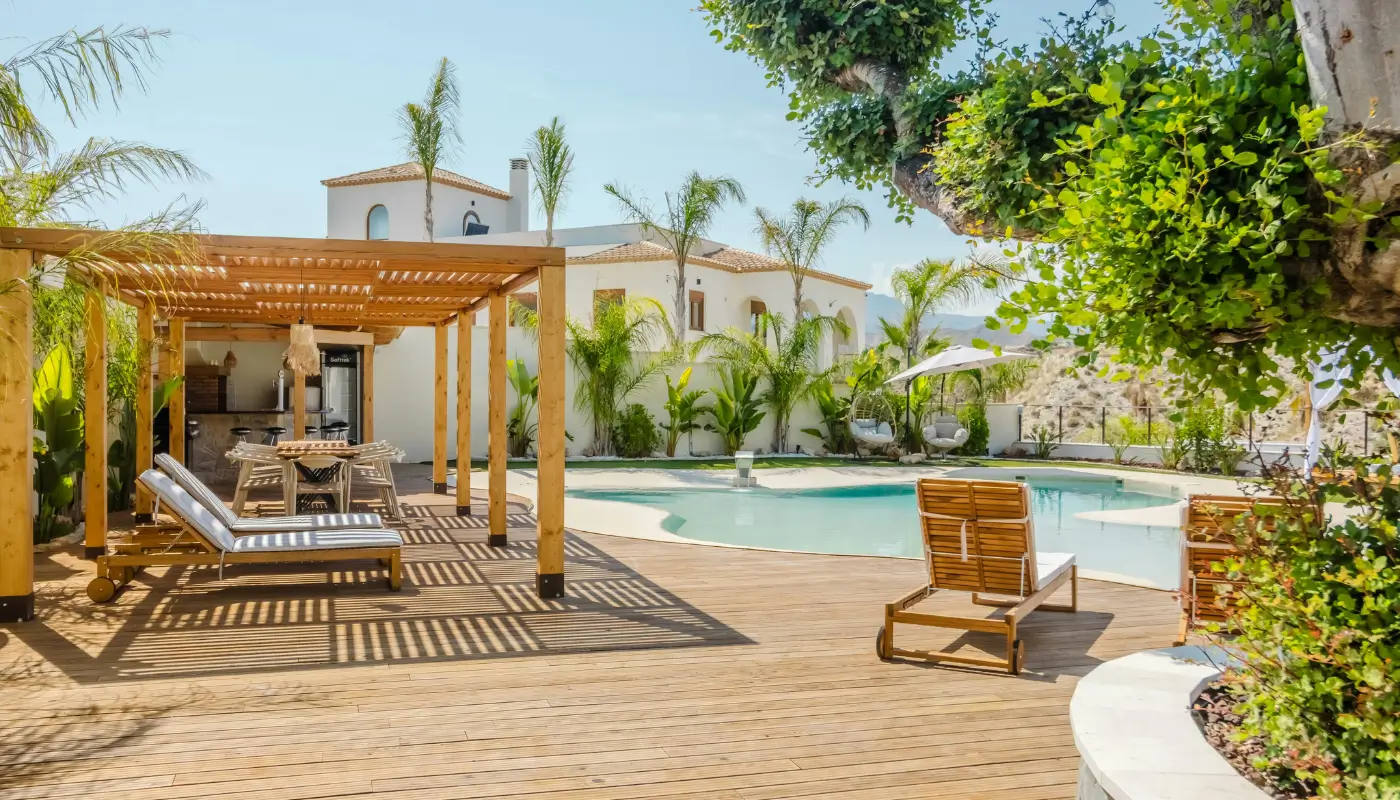
What Does Investment Property Mean? Types, Benefits, and Examples

What Does Investment Property Mean? Types, Benefits, and Examples

An investment property refers to real estate acquired mainly to earn financial returns—either through rental income, property value appreciation, or a combination of both. Unlike a self-occupied home, such properties are purchased with profit as the primary objective rather than personal living needs.

Across the UAE—especially in Dubai and Abu Dhabi—investment properties have become a core element of long-term wealth creation. Strong rental yields, a tax-friendly environment, and consistent economic stability make real estate a preferred asset class. Whether you’re investing as an individual or through a business entity, understanding how investment properties are classified, managed, and assessed for risk can help you make smarter, data-backed decisions.

Property investment has become one of the most trusted ways to build long-term wealth. From first-time buyers to seasoned investors, more people today are choosing real estate not just as a place to live, but as a financial tool that can generate steady income and grow in value over time. However, despite its popularity, many still feel confused about what actually qualifies as an investment property and how it differs from a personal property purchased for self-use.

This confusion often leads to unclear decisions—some people buy homes thinking they are investing, while others miss genuine investment opportunities because they don’t fully understand the concept. To clear the air, this article breaks down everything you need to know about investment properties in a simple and practical way. We’ll explore what an investment property really means, the different types you can invest in, and real-life examples that show how property can work as a powerful wealth-building asset.

What Is an Investment Property?

An investment property is any residential, commercial, or land asset purchased with the intention of generating income through rent, resale at a higher value, or both.

These properties may be owned by individual investors, joint owners, or corporate organisations. In many cases, they are also used as collateral to secure financing, which enhances their role as long-term growth assets.

From an accounting and regulatory perspective, standards such as IFRS (IAS 40) define investment property as real estate held to earn rentals or benefit from capital appreciation. This clearly separates it from owner-occupied property. Simply put, an investment property is acquired to earn returns—not to live in—an approach that strongly supports the UAE’s dynamic real estate investment landscape.

Key Characteristics of Investment Properties

Investment properties have specific features that set them apart from personal-use real estate. These characteristics directly influence their profitability, legal treatment, and management requirements within the UAE property market.

1. Profit-Oriented Purpose

The core objective of an investment property is financial gain, achieved through regular rental income, long-term price appreciation, or both. Cities like Dubai and Abu Dhabi consistently attract investors due to competitive rental yields and strong resale demand, making property investment a reliable wealth-building strategy.

2. Flexible Ownership Structures

Investment properties can be held by individuals, families, partnerships, corporations, or investment funds. In the UAE, many investors prefer structuring ownership through LLCs or joint ventures, which can simplify management and support international tax planning where applicable.

3. Financing and Collateral Value

These properties can be leveraged to obtain funding for new investments or business expansion. UAE banks commonly accept income-generating real estate as collateral, allowing investors to scale portfolios or reinvest returns more efficiently.

4. Separate Legal and Tax Classification

Investment properties are treated differently from owner-occupied homes under accounting and legal frameworks. According to IFRS (IAS 40), they are categorised as assets held for income generation or capital growth. While the UAE does not levy property income tax, investors should remain mindful of any tax obligations in their country of residence.

5. Professional Property Management

To maximise returns, many investors appoint professional property managers to handle leasing, maintenance, and legal compliance. Systems like Ejari in Dubai and Tawtheeq in Abu Dhabi ensure tenancy regulation, while effective management helps protect asset value, improve tenant retention, and maintain steady cash flow.

Before investing, platforms like DataGuru can help you analyse community insights and historical transaction data across Dubai and Abu Dhabi, enabling more informed property investment decisions.

Types of Investment Properties

Investment properties can be broadly divided into several categories, each serving different financial goals and risk profiles. By understanding these classifications, investors can select the most suitable property type—whether the aim is stable rental income, capital appreciation, or portfolio diversification.

Residential Investment Properties

Investment properties can be broadly divided into several categories, each serving different financial goals and risk profiles. By understanding these classifications, investors can select the most suitable property type—whether the aim is stable rental income, capital appreciation, or portfolio diversification.

Residential Investment Properties

Residential properties are one of the most popular investment choices in the UAE. This category includes apartments, villas, and townhouses purchased mainly for rental returns or future resale gains.

These properties attract a wide range of tenants, from working professionals to families, ensuring consistent rental demand in prime locations such as Dubai Marina, Downtown Dubai, and Yas Island.

Common residential investment examples include:

  • Studio and one-bedroom apartments suitable for short- or long-term rentals

  • Villas and townhouses located in gated communities like Arabian Ranches and Saadiyat Island

  • Duplexes or multi-family buildings generating multiple rental incomes

  • Serviced and holiday apartments listed on short-term rental platforms

Why investors choose residential properties:
They offer reliable rental demand, easier resale options, and may qualify owners for long-term residency visas through property ownership.

Commercial Investment Properties

Commercial real estate is intended for business activities rather than residential use. While these properties often require higher initial investment and professional management, they can deliver stronger returns and longer lease agreements.

Examples of commercial investment properties include:

  • Office spaces in key business hubs such as DIFC and Abu Dhabi Global Market

  • Retail units in shopping malls or high-footfall street locations like Jumeirah and Al Maryah Island

  • Warehouses and logistics facilities in areas such as Dubai Industrial City and KIZAD

  • Mixed-use developments that combine residential, retail, and office spaces

Commercial real estate investments often provide long-term lease security and higher rental yields, especially when located in well-established commercial districts.

With the UAE’s expanding startup ecosystem and business-friendly ownership reforms, demand for quality commercial spaces continues to rise.

Land Investment

Land investment involves purchasing undeveloped or semi-developed plots with the intention of holding them for future appreciation or development.

In the UAE, investors typically focus on freehold areas or upcoming communities where government-backed infrastructure projects and master plans signal long-term growth.

Types of land investments include:

  • Residential plots intended for future villa or housing projects

  • Commercial plots for retail, hospitality, or office developments

  • Strategic land parcels near upcoming master-planned communities

Before investing, it is essential to confirm zoning laws, ownership eligibility, and development guidelines with relevant authorities such as the Dubai Land Department (DLD) or Abu Dhabi Municipality.

Alternative and Indirect Property Investments

Some investors prefer not to purchase physical properties and instead opt for indirect or fractional real estate investments. These options provide greater liquidity and diversification with less hands-on involvement.

Popular alternatives include:

  • Real Estate Investment Trusts (REITs): Publicly listed funds that invest in income-generating properties

  • Real estate crowdfunding platforms: Allow smaller investors to co-invest in large-scale projects

  • Private real estate funds or partnerships: Professionally managed portfolios, often designed for high-net-worth investors

These investment methods are well-suited for individuals seeking passive income, portfolio diversification, and flexibility without the responsibilities of property management.

Real-Life Examples of Investment Properties

Below are some practical scenarios that show how investment properties function across the UAE real estate market:

  • Buying a one-bedroom apartment in Dubai Marina and renting it to working professionals to generate steady monthly rental income.

  • Purchasing a compact commercial space in Business Bay and leasing it to a café, restaurant, or retail boutique.

  • Investing in a holiday home in Ras Al Khaimah, primarily used for short-term rentals throughout the year.

  • Holding a land parcel in an emerging suburb of Abu Dhabi, with the goal of capital appreciation over a five-year period.

  • Putting money into a REIT listed on the Dubai Financial Market (DFM) that owns and manages hotels and office buildings across the UAE.

How Investment Properties Generate Returns

Investment properties help build wealth through multiple income streams, offering both immediate cash flow and long-term value growth.

In the UAE—one of the region’s most active and resilient real estate markets—investors usually benefit from a mix of rental income, price appreciation, tax efficiency, and leveraged financing.

Rental Income

Regular rent payments from tenants form the foundation of most real estate investments.
In Dubai, rental yields commonly range from 6% to 9%, making it one of the most attractive global rental markets.

Capital Appreciation

Properties located in high-demand or developing areas generally increase in value over time. Selling at the right stage of the market cycle can result in substantial gains.

Tax Benefits

The UAE does not impose capital gains tax or annual property tax, allowing investors to retain a higher share of their profits compared to many international markets.

Portfolio Diversification

Including real estate in your investment portfolio helps reduce reliance on volatile assets such as equities or cryptocurrencies.

Leverage Opportunities

With property financing, investors can purchase higher-value assets using borrowed capital, potentially magnifying overall returns.

Investment Property vs Personal-Use Property

Knowing the distinction between an investment property and a personal-use property is crucial for buyers in the UAE.

While both involve owning real estate, their purpose, financial treatment, and value creation methods differ significantly.

Before choosing between buying for investment or self-use, it’s important to understand how each option impacts cash flow, management effort, and long-term returns. Although both can contribute to wealth creation, the goals, responsibilities, and expectations are not the same.

The table below highlights the key differences to help you decide based on your financial strategy and lifestyle needs:

FeatureInvestment PropertyPersonal-Use Property
PurposeGenerate rental income or capital growthPrimary residence
Owner UsageTypically rented or leasedOccupied by owner or family
Tax TreatmentIncome and expenses may be deductibleLimited deductions
Maintenance PriorityReturn on investment & tenant satisfactionComfort and lifestyle
ExamplesRental villas, offices, REIT investmentsFamily villa, personal apartment

Important Things to Consider Before Investing in Property

Property investment is widely regarded as one of the most effective ways to create long-term wealth in the UAE. However, success depends heavily on proper planning, research, and financial discipline.

From arranging finances to managing the asset after purchase, every decision should align with your investment objectives, lifestyle expectations, and risk tolerance. Below are the key aspects you must evaluate before making your first—or next—real estate investment.

Initial Capital Requirement and Financing Options

Investment properties in the UAE usually demand a higher upfront contribution, with down payments typically ranging between 20% and 25% of the property value.

To assess affordability and upfront expenses accurately, investors can use Icon Real Estate Upfront Costs tool, available directly on property listings.

Market Trends and Performance

Understanding market conditions is crucial before committing capital. Investors should closely track property price movements, rental yields, and occupancy rates.

Tools like Insights Hub offer quarterly market reports and official transaction data sourced from the Dubai Land Department (DLD), helping investors make data-driven decisions.

Property Maintenance and Ongoing Management

Owning an investment property also means managing landlord responsibilities. These include regular maintenance, handling repairs, tenant screening, and ensuring compliance with local tenancy regulations.

In Dubai, leases must be registered under Ejari, while Tawtheeq applies in Abu Dhabi. Failure to comply can result in legal complications.

Legal and Regulatory Compliance

Investors must follow all rules set by regulatory bodies such as RERA and the Dubai Land Department. This includes regulations related to lease agreements, eviction procedures, service charges, and property registration.

Staying compliant protects your investment and prevents disputes with tenants or authorities.

Liquidity Considerations

Unlike stocks or bonds, real estate is not a highly liquid asset. Selling a property can take several weeks or even months, depending on market conditions and pricing.

Investors should plan finances accordingly and avoid relying on property for quick cash access.

Vacancy Risk Planning

Rental income may not always be consistent. Vacant periods—especially during off-peak seasons—can impact cash flow.

Maintaining a financial buffer helps manage expenses during times when the property remains unoccupied.

Legal and Tax Structure in the UAE

Each emirate follows well-defined property ownership and tenancy laws. Foreign investors are allowed to purchase properties in designated freehold areas, while leasehold or usufruct rights apply in select communities.

All property transactions must be registered with the Dubai Land Department or Abu Dhabi Municipality, and service charges are governed by local authorities.

A clear understanding of these regulations safeguards your rights as an investor and reduces legal risks.

Key Legal & Tax Highlights:

  • Ownership rules: Foreign nationals can own freehold properties in approved zones

  • No annual property tax: Only one-time registration fees and service charges apply

  • Rental income: Tax-free in the UAE (may be taxable in your home country)

  • Accounting standards: Investment properties fall under IAS 40, requiring fair-value measurement

For accurate compliance and documentation, consulting a licensed real estate lawyer or qualified financial advisor familiar with UAE regulations is strongly recommended.

Benefits of Investing in UAE Real Estate

The UAE continues to attract global investors due to its stable economy, transparent regulations, and strong return potential. Whether you’re a new buyer or a seasoned investor, property ownership here offers both financial and strategic advantages.

Key Advantages:

  • High ROI: Attractive rental yields and capital appreciation

  • Tax efficiency: No capital gains or income tax

  • Economic stability: Supported by initiatives like Vision 2030

  • Global appeal: Safe and regulated real estate environment

  • Golden Visa eligibility: Property investments may qualify investors for long-term residency

Challenges and Potential Risks

Despite its strong fundamentals, property investment is not without challenges. Being aware of these risks early helps investors plan better and protect returns.

Common Risks Include:

  • Market volatility: Prices may fluctuate due to global or regional factors

  • Regulatory updates: Policy changes can affect ownership rules or visa criteria

  • Maintenance expenses: Unexpected repairs may impact profitability

  • Overleveraging: High debt can strain cash flow if rental income declines

A balanced approach, thorough research, and diversification can significantly reduce these risks.

How to Start Investing in Property in the UAE

Beginning your investment journey becomes easier when you follow a structured approach and rely on credible data sources. Below is a simple step-by-step guide.

  • Analyze market data: Use Data Guru to review pricing trends and rental yields

  • Define your investment goal: Rental income, resale value, or a mix of both

  • Select the right location: High-demand areas include Dubai Hills Estate, Downtown Dubai, and Saadiyat Island

  • Compare mortgage options: Evaluate rates using Mortgage Finder

  • Work with certified professionals: Choose verified experts through Property Finder’s SuperAgent program

  • Perform due diligence: Confirm ownership, property condition, and official registration with DLD

Conclusion

Understanding what an investment property truly is can completely change the way you look at real estate. Unlike a personal home, an investment property is purchased with a clear financial purpose — to generate income, build equity, and create long-term wealth. Whether it’s a rental apartment, a commercial space, or a holiday home, the goal remains the same: making your money work for you through smart property decisions.

What really determines success, however, is not just buying property — it’s choosing the right type and following the right strategy. When you understand the different classifications of investment properties and match them with your financial goals, risk appetite, and time horizon, real estate becomes more than an asset. It becomes a powerful financial tool that can provide stability, growth, and future security.

An investment property refers to real estate purchased primarily for generating rental income or achieving capital appreciation, rather than personal use.

In the UAE, investment opportunities range from residential apartments and villas to commercial properties and land plots. Investors earn returns through rental income and long-term value growth, supported by a tax-free, transparent, and investor-friendly ecosystem.
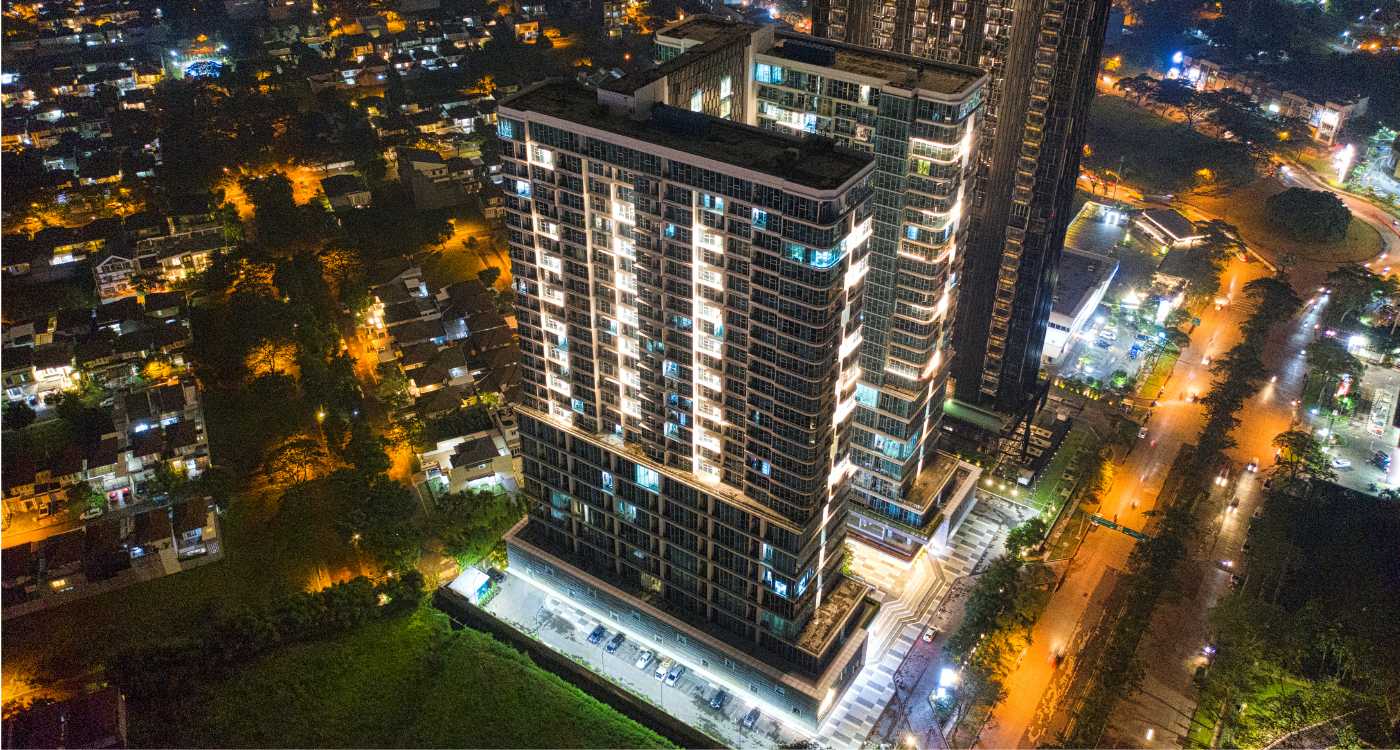

Before Buying an Apartment in Dubai, You Must Know These 15 Questions

Before Buying an Apartment in Dubai, You Must Know These 15 Questions

Buying an apartment in Dubai is a major financial commitment, so it’s crucial to approach the process with thorough research and well-planned due diligence. Whether your goal is to live in the property or generate investment returns, knowing the right questions to ask before purchasing an apartment can help you steer clear of legal issues, hidden expenses, and low ROI risks.

Dubai’s property market is diverse and dynamic, offering everything from ready-to-move-in homes to off-plan developments, freehold as well as restricted ownership areas, and projects by a wide range of developers across multiple communities. This comprehensive guide highlights the 15 most important questions every apartment buyer in Dubai should ask, focusing on ownership rights, total financial obligations, developer reliability, location advantages, and long-term investment viability—so you can make a confident and informed decision.

Introduction
Purchasing an apartment in Dubai demands careful research and informed decision-making to ensure a secure and profitable investment. These top 15 essential questions are based on expert insights and updated 2025 buyer checklists, covering legal, financial, location-based, and property-specific considerations.

By raising the right questions at the very beginning, buyers can safeguard themselves against ownership disputes, unexpected costs, project delays, and unrealistic return expectations. Knowing what to ask when buying an apartment in Dubai is key to navigating the city’s well-regulated yet fast-moving real estate market with confidence and clarity.

The Top 15 Essential Questions

1. Is the apartment located in a freehold area where foreigners are allowed full ownership?

In Dubai, foreign buyers are permitted to purchase property only within designated freehold zones, where full ownership rights are granted rather than limited leasehold arrangements.

Before moving forward, buyers should confirm that the apartment falls within an officially approved freehold area by checking Dubai Land Department (DLD) maps. This is one of the most critical questions when buying an apartment, as ownership eligibility directly impacts legal security, resale value, and long-term investment potential.

2. What are the yearly service charges, and what expenses do they include?

Annual service charges are calculated on a per-square-foot basis and are payable by apartment owners. These fees typically cover building maintenance, common-area upkeep, shared amenities such as gyms and swimming pools, security services, and reserve funds.

Buyers should always request a detailed breakdown of service charges and review past payment records to ensure there are no outstanding dues linked to the apartment.

3. Is a valid Title Deed available to confirm ownership?

For ready properties in Dubai, the Title Deed is the most important legal document, as it officially confirms the seller’s ownership and verifies that the apartment is free from disputes.

Checking the Title Deed helps buyers avoid fraudulent transactions and ensures that ownership transfer is properly registered with the Dubai Land Department, providing full legal protection.

4. Has the developer provided a No Objection Certificate (NOC)?

A No Objection Certificate (NOC) is mandatory for transferring property ownership in Dubai. This document confirms that there are no pending service charges, developer fees, or legal issues associated with the apartment.

Without an NOC, the transfer process cannot be completed, making it an essential and non-negotiable requirement on every buyer’s checklist.

5. Is a Completion Certificate issued for ready apartments?

For completed properties, a Completion Certificate confirms that the building meets all construction standards and regulatory approvals.

This certificate assures buyers that the apartment is legally approved for occupancy and is not affected by unfinished work or unresolved compliance issues, offering peace of mind before finalising the purchase.

6. What is the developer’s reputation and history of project delivery?

For completed properties, a Completion Certificate confirms that the building meets all construction standards and regulatory approvals.

This certificate assures buyers that the apartment is legally approved for occupancy and is not affected by unfinished work or unresolved compliance issues, offering peace of mind before finalising the purchase.

7. Is the property free from mortgages, liens, or legal issues?

Before proceeding with a purchase, buyers must verify that the apartment does not carry any outstanding mortgages, liens, or legal disputes.

If the property is currently mortgaged, a mortgage release or clearance certificate is mandatory before ownership transfer. This step ensures the buyer receives a clear title without financial or legal obligations attached.

8. What is the full cost breakdown, including DLD, trustee, and agent fees?

The property price alone does not reflect the total investment. Buyers should account for Dubai Land Department (DLD) fees, trustee charges, real estate agency commissions, and other transfer-related expenses.

Typically, a manager’s cheque is required for the property value, while separate funds must be reserved for fees. Planning for these costs helps buyers avoid budget shortfalls during the transaction.

9. What is the payment structure and escrow status for off-plan projects?

When purchasing an off-plan apartment, buyers should confirm that the project is officially registered with RERA.

It is essential to review escrow account details, Oqood registration, and ensure that payment schedules are construction-linked rather than based on fixed or unrealistic timelines. This safeguards buyer funds throughout the development phase.

10. How does the location perform in terms of transport, amenities, and rental demand?

Location plays a critical role in both daily convenience and long-term returns. Buyers should evaluate proximity to public transport, schools, healthcare facilities, shopping centres, and business hubs.

Reviewing historical rental performance and price trends over the last five years provides insight into demand stability and future capital growth potential.

11. What community regulations apply, including short-term rental policies?

Dubai communities operate under specific owners’ association rules. Some areas restrict or disallow short-term rentals like Airbnb, while others regulate pets, noise levels, and property usage.

Understanding these bylaws ensures the property aligns with the buyer’s intended purpose—whether for end-use living or investment.

12. What is the overall condition of the apartment and building?

A thorough inspection of both the unit and the building is crucial. Buyers should review structural integrity, plumbing, HVAC systems, elevators, electrical fittings, utilities, and shared facilities.

Identifying maintenance or quality issues early helps avoid unexpected repair costs and disputes after purchase.

13. Does the property qualify for a Golden Visa or investor advantages?

Properties meeting specific value thresholds may make buyers eligible for UAE residency benefits, including the Golden Visa.

With no annual property tax in Dubai, qualifying real estate investments offer both lifestyle security and long-term financial advantages. Buyers should confirm eligibility criteria before finalising the purchase.

14. What rental yields and long-term ROI can be expected?

Investors should analyse rental income potential and projected return on investment over the planned holding period.

Certain Dubai locations and unit types have historically delivered rental yields of up to 9%, depending on market conditions. Focusing on cash-flow-positive properties strengthens investment sustainability.

15. Is mortgage pre-approval available, and what are the lending terms?

Securing mortgage pre-approval helps buyers understand their borrowing limits, interest rates, and repayment terms before committing.

For expatriate buyers, financing is typically available up to 75% for ready properties priced below AED 5 million, making early pre-approval a critical step in effective financial planning.

Key Considerations by Property Type

Knowing how ready (secondary market) and off-plan apartments differ allows buyers to select the option that best matches their investment goals, risk tolerance, and purchase timeline.

AspectReady / Secondary MarketOff-Plan Property
Potential RisksUndisclosed defects, pending service charge duesConstruction delays, risk of developer default
Essential ChecksDetailed snagging inspection, seller NOCEscrow account verification, regular construction progress updates
Key AdvantagesImmediate possession and rental incomeLower entry price, flexible payment plans
Completion TimelineTypically closes within 1 monthLinked to construction stages and milestones

Comprehensive Due Diligence Checklist

A well-planned due diligence process helps ensure that every essential document, inspection, and financial check is completed before you move ahead with the purchase—reducing risk and avoiding last-minute surprises.

Documents to Review & Confirm:

  • Title Deed – Verify clear ownership and legal validity

  • No Objection Certificate (NOC) – Ensure approvals from relevant authorities

  • Service Charge Receipts – Check that all dues are fully paid

  • Master Community NOC – Confirm compliance with community regulations

Property Inspection Checklist:

  • Overall structural condition – Assess construction quality and wear

  • Plumbing & air-conditioning systems – Ensure smooth functionality

  • Property views & internal layout – Evaluate livability and usability

  • Shared amenities – Inspect common facilities and maintenance standards

Financial Due Diligence:

  • Mortgage pre-approval – Secure financing clarity in advance

  • Complete cost & fee assessment – Account for all charges, not just the price

Professional Assistance:

  • Work only with a RERA-licensed agent to ensure legal compliance and transparent dealings

Conclusion

Choosing properties in designated freehold zones and confirming that all mandatory documents—such as the Title Deed and No Objection Certificate (NOC)—are in order plays a vital role in preventing legal issues during the buying process. In addition, buyers should plan their budget wisely by accounting for service charges and other hidden costs beyond the purchase price to get a clear picture of the actual cost of ownership. Assessing the developer’s credibility along with the property’s location also helps estimate long-term investment potential and rental demand.

Although off-plan properties often come with competitive pricing and flexible payment plans, it is essential to verify the escrow account for financial security. On the other hand, ready properties offer the benefit of faster rental income. Partnering with experienced, licensed real estate professionals ensures a hassle-free ownership transfer and may also help buyers explore residency or visa-related benefits.

Best UAE Property Investment Options Under AED 3M and AED 5M

Best UAE Property Investment Options Under AED 3M and AED 5M

When it comes to property investment, the UAE continues to stand out as one of the most attractive global markets. If you’re working with a budget between AED 3 million and AED 5 million, you may be wondering how much value and choice this investment range really offers in a competitive city like Dubai.

To answer that, MyBayut has carefully shortlisted some of the best locations for real estate investments in the UAE within the AED 3M–5M price bracket. From stylish apartments in prime city districts to spacious homes in well-planned communities, Dubai offers a wide variety of investment-ready options.

Below, we explore top-performing areas in Dubai for apartments, villas and townhouses priced between AED 3M and AED 5M, helping investors make informed decisions.

Real Estate Investments in the UAE for AED 3M–5M: Apartments in Dubai

Dubai’s real estate market is recognised for its consistent growth, strong capital appreciation and premium lifestyle offerings. With a budget of AED 3M–5M, investors gain access to high-quality apartments in prime locations, supported by modern amenities, varied layouts and excellent infrastructure.

If you’re searching for high-potential apartment investments in Dubai within this budget, here are some of the most sought-after areas to consider.

Downtown Dubai

Downtown Dubai is one of the city’s most prestigious neighbourhoods, known for landmarks such as Burj Khalifa and Dubai Mall. The area delivers a high-end, cosmopolitan lifestyle, complemented by fine dining, retail destinations and excellent metro connectivity. Its close proximity to major business hubs makes it highly attractive to professionals and tourists.

  • A 1-bedroom apartment in Downtown Dubai typically starts at AED 3M

  • A 2-bedroom apartment can be purchased for approximately AED 4.26M

Dubai Creek Harbour

Dubai Creek Harbour is a fast-growing waterfront destination offering premium residences with panoramic views. With ongoing development and future retail, leisure and lifestyle facilities planned, the area presents a promising long-term real estate investment opportunity in the UAE.

  • A 2-bedroom apartment in Dubai Creek Harbour costs approximately AED 3.14M

  • A 3-bedroom apartment is priced near AED 4.29M

Palm Jumeirah

Known worldwide for its iconic design and luxury living, Palm Jumeirah is home to exclusive resorts, beachfront residences and attractions such as Atlantis, The Palm. Apartments here offer breathtaking sea views and premium amenities, making them ideal for high-end investors.

  • A 1-bedroom apartment on Palm Jumeirah is priced at around AED 3.58M

Business Bay

Business Bay serves as one of Dubai’s main commercial and residential districts. Featuring modern high-rise towers, waterfront walkways and a central location, it appeals to professionals, families and investors alike. The area continues to deliver solid rental demand and capital growth potential.

  • A 2-bedroom apartment in Business Bay averages AED 3.28M

  • A 3-bedroom apartment is typically priced at AED 4.19M

More Apartment Investment Options in Dubai (AED 3M–5M)

If you’re exploring additional real estate investment opportunities in the UAE within a AED 3M to 5M budget, Dubai offers several attractive alternatives:

  • Dubai Hills Estate: A 2-bedroom apartment can be purchased for around AED 3 million, while a 3-bedroom unit is priced at approximately AED 4.32 million.

  • Jumeirah Beach Residence (JBR): Apartments in this beachfront community are available at various price points, with 1-bed units starting at AED 3 million, 2-bed apartments around AED 3.85 million, and 3-bed residences averaging AED 4 million.

  • Jumeirah Lake Towers (JLT): A 2-bedroom apartment in JLT typically costs about AED 3.12 million, while larger 3-bedroom apartments are priced near AED 4 million.

  • Sobha Heartland: This premium residential destination offers 2-bedroom apartments from AED 3 million, with 3-bedroom homes averaging AED 3.97 million.

  • Al Wasl: For buyers seeking larger living spaces in a prime location, a spacious 2-bedroom apartment in Al Wasl is available at around AED 4.5 million.

UAE Real Estate Investment Opportunities Between AED 3M–5M: Townhouses in Dubai

Dubai’s real estate market presents an excellent range of townhouses that combine modern living with strong investment potential. For buyers and investors exploring properties within the AED 3 million to AED 5 million range, several well-established communities offer attractive townhouse options. Below is a closer look at some of the most in-demand areas for buying townhouses in Dubai.

Al Furjan

Al Furjan is a well-planned, family-friendly neighbourhood known for its spacious layouts and contemporary townhouse designs. The community offers a comfortable lifestyle with easy connectivity to major roads and daily conveniences.

  • A 3-bedroom townhouse in Al Furjan is priced at approximately AED 4.15M.

  • A 4-bedroom townhouse for sale in Al Furjan typically costs around AED 4.6M.

  • 5-bedroom townhouses in the area are available at an average price of AED 4.63M.

Mudon

Mudon is a popular residential destination that appeals to families seeking a calm suburban setting. The community is characterised by wide open spaces, landscaped parks, and a strong sense of neighbourhood living, making it ideal for long-term residence and investment.

  • Buyers can find a 3-bedroom townhouse in Mudon starting from AED 3.37M.

  • A 4-bedroom townhouse for sale in Mudon is generally priced at AED 4.35M.

DAMAC Hills

DAMAC Hills is a prestigious golf community offering a diverse selection of residential properties, including townhouses, villas, and apartments. Home to the Trump International Golf Club, the area features lush greenery, premium leisure facilities, and excellent road connectivity despite being slightly away from the city centre.

  • A 3-bedroom townhouse in DAMAC Hills is available for around AED 3.47M.

  • A 4-bedroom townhouse for sale in DAMAC Hills is priced near AED 4M.

  • Purchasing a 5-bedroom townhouse in DAMAC Hills typically costs about AED 4.39M.

Town Square Dubai

Town Square Dubai is a master-planned residential development located along Al Qudra Road (D63). Developed by Nshama, the community spans over 154,000 square metres and features 16 landscaped gardens, extensive cycling and jogging tracks, and a variety of lifestyle amenities. It is known for offering mid-range townhouses and apartments suitable for families and investors alike.

  • Investors can purchase 4-bedroom townhouses for sale in Town Square Dubai at an average price of AED 3.52M.

Jumeirah Village Circle (JVC)

Jumeirah Village Circle (JVC) is a well-established residential neighbourhood known for offering budget-friendly townhouses paired with modern lifestyle amenities. The community is designed with lush green parks, fitness facilities, schools, and supermarkets, making everyday living convenient and comfortable. With its calm surroundings and strong infrastructure, JVC stands out as one of the best areas in Dubai for families looking to buy property.

In terms of pricing, purchasing a 3-bedroom townhouse in JVC typically costs around AED 3.05M.
A 4-bedroom townhouse in the community is priced at approximately AED 3.53M, while a 5-bedroom townhouse in JVC can be found for about AED 3.46M, offering excellent value within this price bracket.

Other Townhouse Investment Options in Dubai (AED 3M–5M)
Apart from JVC, several other communities in Dubai offer attractive townhouse options that fall within the AED 3M to AED 5M investment range, making them ideal for both end-users and investors:

  • In Mohammed Bin Rashid City (MBR City), the average price of a 3-bedroom townhouse is around AED 4.13M, while a 4-bedroom unit is priced at approximately AED 4.60M.

  • Reem offers competitive pricing, with a 3-bedroom townhouse averaging AED 3.39M. Buyers seeking more space can opt for a 4-bedroom townhouse, which is priced at about AED 4.22M.

  • Townhouses in Dubai South remain appealing for long-term growth, where 3-bedroom units are typically available for AED 3.22M, and 4-bedroom townhouses are priced near AED 3.60M.

  • At The Valley by Emaar, buyers can expect to pay roughly AED 3.03M for a 3-bedroom townhouse, while 4-bedroom townhouses are generally priced around AED 3.73M.

  • Tilal Al Ghaf is a premium yet high-demand community, with 3-bedroom townhouses averaging AED 4.02M and 4-bedroom units reaching approximately AED 4.85M, reflecting the upscale lifestyle and strong resale potential.

UAE Real Estate Investment Opportunities Between AED 3M–5M: Townhouses in Dubai

Beyond JVC, several Dubai communities offer excellent townhouse opportunities that fit comfortably within the AED 3M to 5M budget range.

  • In Mohammed Bin Rashid City, 3-bedroom townhouses average AED 4.13M, while 4-bedroom units are priced around AED 4.60M.

  • Reem offers 3-bedroom townhouses at an average of AED 3.39M, with 4-bedroom layouts increasing to roughly AED 4.22M.

  • At Dubai South, prices for 3-bedroom townhouses start near AED 3.22M, while 4-bedroom homes average AED 3.60M.

  • In The Valley by Emaar, buyers can expect to pay about AED 3.03M for 3-bedroom and AED 3.73M for 4-bedroom townhouses.

  • Tilal Al Ghaf positions itself at the premium end of this bracket, with 3-BHK townhouses averaging AED 4.02M and 4-BHK options reaching approximately AED 4.85M.

UAE Real Estate Investment Opportunities: Dubai Villas for Sale from AED 3M to AED 5M

Dubai’s villa market is constantly expanding, creating strong opportunities for real estate investments in the UAE within the AED 3M to AED 5M budget. From well-established family communities to emerging lifestyle destinations, Dubai offers villa options that cater to both end-users and long-term investors. Whether it’s the mature appeal of The Springs, the lively environment of JVC, or Reem’s calm desert-meets-modern setting, each location brings unique investment potential.

Dubai South
Dubai South is one of the UAE’s most ambitious master-planned developments, designed and managed by Dubai South Real Estate Company. Covering nearly 145 sq. km near Al Maktoum International Airport, the district is envisioned as a smart, sustainable city and is widely recognised as “The Centre of Tomorrow.”

  • The average price for 3-bedroom villas in Dubai South is around AED 3.41M

  • 4-bedroom villas are typically priced at AED 4.32M

Dubailand
Dubailand is a popular choice for buyers seeking spacious villas at competitive prices, along with easy access to major highways and central Dubai. The community offers a range of lifestyle amenities, making it attractive for families and investors alike.

  • A 3-bedroom villa in Dubailand can be purchased for approximately AED 3.06M

  • 4-bedroom villas are priced at around AED 3.93M

  • 5-bedroom villas go up to AED 4.10M

Village Circle (JVC)
JVC offers a well-balanced lifestyle, combining urban accessibility with community-focused living. The area features a mix of affordable and premium villas, along with cafes, restaurants, parks, and retail outlets—ensuring everyday conveniences are close at hand.

  • 3-bedroom villas for sale in JVC start at AED 3.61M

  • 4-bedroom villas are available at approximately AED 3.75M

  • 5-bedroom villas can be bought for around AED 4.43M

Reem
Reem is ideal for families looking for a quiet residential environment with modern architecture and green open spaces. The community delivers a calm lifestyle while still offering good connectivity to major parts of Dubai.

  • A 3-bedroom villa in Reem costs around AED 3.39M

  • 4-bedroom villas are priced at approximately AED 4.24M

Arabian Ranches
Arabian Ranches—often referred to as “The Ranches”—is one of Dubai’s most prestigious villa communities. Developed by Emaar Properties, it is known for its desert-inspired design, landscaped greenery, and premium lifestyle. Spread across 6.5 million sq. m., the area includes nearly 15 gated sub-communities with golf course and lake-facing villas.

  • The average price for a 3-bedroom villa in Arabian Ranches is around AED 5M

More Villa Investment Opportunities in Dubai (AED 3M–5M Range)

If you’re still exploring villas for sale in Dubai, here are additional locations that fit well within the AED 3M–5M investment bracket:

  • A 3-bedroom villa in Al Furjan is available for around AED 4.24M

  • In DAMAC Hills, 3-bedroom villas cost approximately AED 4.24M, while 4-bedroom villas are priced at AED 4.47M

  • Arabian Ranches 3 offers 3-bedroom villas at AED 3.35M and 4-bedroom villas at AED 4.82M

  • In Mudon, the average price for 3-bedroom villas is AED 3.37M, while 4-bedroom villas cost around AED 4.42M

  • Mohammed Bin Rashid City (MBR City) features 3-bedroom villas averaging AED 4M and 4-bedroom villas at AED 4.8M

Common Mistakes to Avoid

Even in a strong market like Dubai, the success of a real estate investment depends largely on the decisions made at the buying stage. Investors working with budgets of AED 3M and AED 5M often fall into similar traps—not because of lack of capital, but because of overlooked details. Avoiding these common mistakes can protect your returns and strengthen your long-term position.

Buying Only Based on Price

One of the most frequent mistakes is choosing a property simply because it seems like a good deal. A lower price does not always mean better value. Properties in poorly connected locations or in oversupplied communities may look attractive initially but struggle with rental demand and resale performance later.

Smart investors focus on overall value, not just the ticket price—considering factors such as location quality, developer reputation, community infrastructure, and long-term demand. In Dubai, paying slightly more for the right asset often delivers far better returns over time.

Ignoring Service Charges

Service charges can significantly affect your net rental income, especially in premium buildings with extensive amenities. Many investors calculate returns based only on purchase price and rent, forgetting to account for:

  • Annual maintenance fees

  • Building management costs

  • Common area upkeep

In high-end developments, these charges can be substantial. Failing to factor them in may turn what looks like a high-yield investment into a much lower-performing asset. Always evaluate net returns, not just gross rental figures.

Overestimating Short-Term Rental Income

Short-term rentals in Dubai can be profitable—but they are not guaranteed income machines. Many buyers assume peak-season rates apply all year round, which leads to unrealistic expectations.

In reality, short-term rental income depends on:

  • Seasonal demand

  • Competition in the area

  • Management quality

  • Licensing and regulatory compliance

Without proper forecasting, investors may face inconsistent cash flow. A balanced approach—where short-term income potential is treated as a bonus rather than a guarantee—leads to healthier investment outcomes.

Skipping Resale Liquidity Analysis

Not all properties sell easily, even in a growing market. Some investors focus entirely on purchase and rental returns, forgetting to assess how liquid the asset will be when it’s time to exit.

Before buying, it’s crucial to ask:

  • Is this community popular in the resale market?

  • Are similar units moving quickly?

  • Is demand driven by end-users or only investors?

Properties with strong end-user appeal—near schools, business hubs, beaches, or transport links—tend to maintain better resale value and shorter selling timelines.

In essence, successful property investment in Dubai is not just about choosing the right location—it’s about avoiding the wrong assumptions. By looking beyond price tags, planning for real costs, staying realistic about income, and thinking ahead to resale, investors can turn their AED 3M or AED 5M purchase into a truly strategic asset.

Conclusion

Dubai continues to prove why it stands among the world’s most attractive real estate investment destinations. For buyers working within the AED 3 million range, the city offers a smart and strategic entry into premium property—opening doors to high-demand locations, consistent rental income, and long-term value growth. It is an ideal starting point for investors who want stability today with appreciation potential tomorrow.

At the AED 5 million level, the landscape shifts into Dubai’s true luxury ecosystem. This is where lifestyle, exclusivity, and investment performance intersect—through waterfront homes, branded residences, and prestigious communities that appeal to high-net-worth tenants and end-users alike. These properties are not just assets; they are long-term stores of value in a globally recognised market.

More than ever, successful property investment in Dubai is about being strategic and data-driven. Buyers who base decisions on market trends, rental demand, service costs, and resale liquidity consistently outperform those who rely only on price or emotion. With the right guidance and a clear investment framework, both AED 3M and AED 5M budgets can deliver exceptional outcomes.

Ultimately, Dubai is not just a place to buy property—it is a long-term wealth destination. Backed by strong governance, world-class infrastructure, and a forward-looking economic vision, the city offers investors something rare: confidence in today’s returns and trust in tomorrow’s growth.

FAQs

1. Is AED 3 million enough to invest in premium property in Dubai?

Yes. With a budget of AED 3M, investors can access high-quality apartments in established communities like Dubai Marina, Business Bay, JVC, and entry-level units in Dubai Hills Estate. These properties typically offer strong rental demand and steady long-term appreciation, making AED 3M a smart entry point into Dubai’s premium segment.


2. What kind of properties can I buy in Dubai with AED 5 million?

AED 5M opens the door to Dubai’s luxury ecosystem. This includes larger apartments in Downtown Dubai, waterfront homes on Palm Jumeirah, branded residences, and select villas or townhouses in upscale family communities. At this level, buyers benefit from both lifestyle value and strong resale potential.


3. Which budget gives better returns: AED 3M or AED 5M?

Both budgets perform well—but in different ways.

  • AED 3M often delivers higher rental yield percentages.

  • AED 5M focuses more on capital appreciation and asset quality.
    The better choice depends on whether your priority is cash flow or long-term wealth growth.


4. Can foreigners invest in Dubai real estate?

Yes. Dubai allows foreign nationals to buy freehold property in designated areas with full ownership rights. The process is transparent, well-regulated, and one of the key reasons Dubai attracts global investors.


5. Do I need to live in the UAE to buy property in Dubai?

No. Both residents and non-residents can purchase property in Dubai. Non-resident investors can also apply for mortgages and use professional property management services to handle everything remotely.

6. Is rental income in Dubai tax-free?

Yes. One of Dubai’s biggest advantages is that rental income is tax-free, allowing investors to keep a larger share of their returns compared to many global property markets.

7. Are short-term rentals a good strategy for AED 3M–5M properties?

They can be—but only with realistic expectations. Short-term rentals work best in tourist-driven areas like Downtown, Marina, and Palm Jumeirah. However, income varies by season and competition, so they should be part of a balanced strategy, not the sole investment assumption.

8. How liquid is the Dubai property market if I want to sell later?

Dubai has a highly active resale market, especially in communities with strong end-user demand. Properties near business hubs, transport links, beaches, and schools tend to sell faster and hold value better—an important factor for both AED 3M and AED 5M investors.

9. Is now a good time to invest in Dubai real estate?

For long-term investors, yes. With continued infrastructure growth, rising international demand, and strong government support for real estate, Dubai remains one of the most future-ready property markets globally—especially for buyers entering with clear budgets and a strategic plan.

Pros and Cons of Buying Property in Dubai Without an Agent

Pros and Cons of Buying Property in Dubai Without an Agent

Dubai’s real estate market is among the most dynamic and diverse in the world, offering everything from luxury apartments to high-ROI investment properties. When planning to buy real estate in Dubai, buyers usually choose between two routes — working with professional real estate agencies or dealing directly with property owners or developers.

If you’re considering purchasing a property directly from the owner in Dubai, it’s important to understand both the benefits and potential drawbacks before making a decision. This guide breaks down the key pros and cons to help you determine whether this approach aligns with your investment goals and buying preferences.

Advantages of Buying a Property Directly from the Owner in Dubai

Purchasing a property directly from the owner in Dubai comes with its own set of advantages and challenges. Buyers who bypass real estate agents and deal directly with developers or individual sellers need to carefully evaluate multiple factors, including pricing, transparency, legal processes, and negotiation flexibility.

So, is buying property directly from an owner in Dubai the right choice for you? Let’s start by exploring the key advantages of this buying approach.

Save Money on Property Purchase

For many buyers, cost savings are a major motivation to purchase a property directly from the owner in Dubai. When you involve a broker or real estate agency, the overall purchase cost usually increases due to commission and service charges.

To understand the financial aspect clearly, buyers should note that purchasing directly from an owner or developer still involves mandatory Dubai Land Department (DLD) fees, which are charged at 4% of the property’s purchase value.

In addition to this, buyers must also account for Title Deed issuance charges and a DLD administrative fee. If the property purchase is financed through a mortgage, Mortgage Registration fees will apply as well. These are calculated at 0.25% of the total mortgage amount, along with an extra admin fee.

By avoiding agent commissions, buyers can significantly reduce overall expenses while still meeting all legal and regulatory requirements.

Relying on a real estate broker or agency to find a suitable property in Dubai can significantly increase your overall purchase cost. Most brokers typically charge around 2% as an agency commission, in addition to the standard government and registration fees.

In some cases, agencies may also apply a 5% VAT on their service fee, further raising the final amount payable. Although these charges are often negotiable, the additional expenses may not align with buyers seeking budget-friendly or cost-efficient property investments. This cost-saving aspect is one of the key reasons many investors consider buying property in Dubai directly from the owner.

NO MIDDLEMAN

Purchasing property directly from owners in Dubai is an attractive option for buyers who prefer a hands-on and transparent investment approach. By eliminating brokers or agencies, you remove the middleman from the transaction, allowing direct communication with the seller.

This direct interaction can often speed up the buying process, as there are fewer barriers between you and the property owner. Additionally, many well-known Dubai developers—such as Emaar Properties and DAMAC Properties—enable buyers to browse and book properties online, making direct purchases more accessible and convenient.

THE CONS OF BUYING A PROPERTY DIRECTLY FROM THE OWNER IN DUBAI

While buying directly from the owner has its advantages, it’s equally important to understand the potential drawbacks involved.

LIMITED KNOWLEDGE ABOUT THE PROPERTY

Planning to purchase a luxury villa or apartment in Dubai? Buying directly from an owner requires you to have the same level of confidence and evaluation skills as an experienced real estate professional.

If you are well-informed and comfortable assessing property conditions, documentation, and pricing, this route may work in your favor. However, for buyers unfamiliar with the technical and legal aspects of property transactions, the guidance of a professional agent can be extremely valuable.

Agents also manage property viewings efficiently and highlight crucial details that buyers might otherwise overlook. This applies whether you’re purchasing an apartment, villa, or any other property type directly from the owner.

LACK OF PROFESSIONAL EXPERTISE

Unless either party is a licensed real estate professional, both the buyer and seller may lack experience handling the complexities of property transactions. Contracts, legal paperwork, and compliance requirements can quickly become overwhelming without professional support.

This often results in delays as both parties attempt to navigate the process on their own. Such challenges are even more common when dealing with individual property owners rather than established developers, where standardised procedures and documentation may not be in place.

NEGOTIATING A PROPERTY DEAL ISN’T EASY

Negotiating a property price can be challenging, especially when a seller has a strong emotional connection to their home. This emotional factor often makes owners hesitant to accept lower or even fair market offers. In such situations, working with a professional real estate agent can be a smart move. Skilled agents understand market trends, property valuation factors, and negotiation strategies. Their experience helps ensure you secure the property at the right price while avoiding unnecessary back-and-forth or overpaying.

WHERE CAN YOU BUY DUBAI PROPERTIES DIRECTLY FROM OWNERS?

Dubai offers multiple locations where buyers can purchase apartments or villas directly from developers or individual owners. Areas such as Al Qusais, Jumeirah Village Triangle (JVT), and Al Nahda are well-known for owner-listed properties. These neighbourhoods provide a variety of options, ranging from affordable apartments to family-friendly homes. By exploring current property listings, buyers can identify opportunities to purchase Dubai properties directly from owners without intermediary involvement.

Beyond individual sellers, buyers can also explore direct-to-owner properties in Dubai through reputed developers. Leading names like Emaar, Dubai Properties, Nakheel, Meraas, and Azizi Developments regularly offer properties without intermediary involvement, making them a reliable option for purchasing real estate directly in the city.

FAQs About Buying Property Directly from the Owner in Dubai & More

How can I verify property ownership and the authenticity of the title deed when buying directly from an owner?
When purchasing a property directly from an owner in Dubai, you can confirm ownership by using the Title Deed Verification service available on the official Dubai Land Department (DLD) website. This ensures the property details are genuine and legally registered under the seller’s name.

Is it easier to negotiate the property price without involving a real estate agent in Dubai?
Negotiating directly with the owner can sometimes lead to better pricing, but it largely depends on your market knowledge, understanding of property values in the area, and research skills. Real estate agents usually have deeper insights into pricing trends, so buyers without that experience may find negotiations more challenging.

Does buying a property without a broker affect the transaction timeline in Dubai?
Yes, it can. Without a broker’s professional guidance, the process may take longer due to limited experience with documentation, approvals, and procedural steps, potentially causing minor delays in completing the transaction.

Which Is the Best Area to Live in Dubai?
Dubai Marina is widely regarded as one of the best residential areas in Dubai. Known for its vibrant lifestyle, waterfront views, and modern infrastructure, it is a self-sufficient community offering excellent options for both renting and buying apartments.

Where Can I Find Affordable Apartments for Rent in Dubai?
If you’re looking for budget-friendly rental options, areas such as International City, Dubai South, Dubai Production City, Al Warsan, and Liwan are popular choices. These locations are well-known for offering affordable flats without compromising basic amenities.

I Want to Buy Property in Dubai — Should I Pay in Cash or Choose a Mortgage?
Choosing between cash and mortgage depends on several factors. Mortgages can be costly due to interest and fees, but they also offer flexibility and better cash flow management. Cash purchases, on the other hand, eliminate financing costs but require significant upfront capital. A detailed comparison of both options can help you decide what works best for your financial goals.

How Did Dubai’s Property Market Perform in 2025?

How Did Dubai’s Property Market Perform in 2025? Prices, Sales & Top Areas

Dubai’s real estate sector continued its strong upward momentum in 2025, showcasing exceptional growth. Throughout the year, a total of 214,912 property transactions were completed, with a combined value of AED 682.5 billion. This reflects an 18.86% increase in transaction volume and a 30.7% rise in value compared to 2024, highlighting robust investor confidence and rising demand in the market.

In addition, 9,556 property gifts were registered, totaling AED 57.25 billion. Off-plan properties remained a key focus, with 134,623 off-plan transactions, making up 62.6% of all deals. The residential sector saw approximately 203,000 sales, marking a 17.34% year-on-year growth, further demonstrating Dubai’s position as a thriving real estate hub.

The real estate market saw notable changes in both property sales and overall value between 2024 and 2025. Here’s a detailed breakdown by property type:

Property TypeTotal Sales in 2024Total Sales Value in 2024Total Sales in 2025
Apartments142,113AED 264 billion~170,444
Villas31,224AED 169 billion~32,870
Commercial4,304AED 9.7 billion~6,018
Plots4,048AED 80.9 billion~4,411

Key Insights:

  • Apartments witnessed a significant rise in sales, from 142,113 units in 2024 to approximately 170,444 in 2025, reflecting growing demand in the residential sector.

  • Villa sales increased moderately, reaching around 32,870 in 2025, while maintaining a strong market value at AED 169 billion in 2024.

  • Commercial properties experienced a notable growth in sales numbers, jumping from 4,304 to around 6,018 units, indicating increased business activity.

  • Plots also showed steady growth, from 4,048 transactions in 2024 to roughly 4,411 in 2025, highlighting continued interest in land investments.

Quarterly Performance Overview – 2025

FeatureQ1 2025Q2 2025Q3 2025Q4 2025
Total Sales42,27353,11859,127Over 58,000
Total Sales ValueAED 114.15 billionAED 184 billionAED 170.5 billionMore than AED 180 billion

Analysis:

  • Q1 2025 saw moderate sales with 42,273 units sold, generating a total value of AED 114.15 billion.

  • Q2 2025 recorded a significant increase, reaching 53,118 units and AED 184 billion in sales value.

  • Q3 2025 maintained strong performance with 59,127 units sold, valued at AED 170.5 billion.

  • Q4 2025 concluded the year robustly, exceeding 58,000 units with total sales surpassing AED 180 billion.

Q4 2025 Real Estate Performance: Strong Transaction Growth

The fourth quarter (October–December) of 2025 demonstrated robust activity in Dubai’s property market, with over 58,000 transactions recorded, totaling a combined value exceeding AED 180 billion.

Top Areas by Transaction Value in 2025
Here are the leading areas in Dubai based on property transaction value for 2025:

AreaTotal Value (AED)
Business BayAED 38.3 billion
Jumeirah Village Circle (JVC)AED 24.5 billion
Al Yelayiss 1AED 23.8 billion
Dubai Investment Park 2AED 23.2 billion
Palm JumeirahAED 21.4 billion

Top Areas with Highest Transaction Volumes

The areas leading in property transactions are as follows:

AreaTotal Transactions
Jumeirah Village Circle18,773
Business Bay13,244
Dubai Land Residence Complex7,965
Dubai Investment Park 27,190
Madinat Al Matar7,146

Insights:
Jumeirah Village Circle tops the list, showing strong demand, followed by Business Bay, which remains a hotspot for investors. Other areas like Dubai Land Residence Complex, Dubai Investment Park 2, and Madinat Al Matar also record significant activity, reflecting their growing popularity in Dubai’s real estate market.

Top-Selling Apartment and Villa Projects of 2025

Best-Selling Apartment Projects

In 2025, the most sought-after apartment projects were:

  • Binghatti Skyrise – 2,671 units sold, totaling AED 4.2 billion.

  • Sobha Solis – 2,066 units sold, totaling AED 2.54 billion.

  • Binghatti Elite – 1,690 units sold, totaling AED 1.08 billion.

  • Skyvue – 1,620 units sold, totaling AED 3.7 billion.

  • Sobha Orbis – 1,529 units sold, totaling AED 2 billion.

These projects led the market in apartment sales, reflecting strong demand and investor confidence in 2025.

Best-Selling Villa Projects

The top-performing villa developments in 2025 included:

  • Reportage Village 1 – 729 villas sold, with a total value of AED 981 million.

  • The Valley – Vindera – 536 villas sold, valued at AED 1.93 billion.

  • Grand Polo – Equiterra – 420 villas sold, worth AED 1.7 billion.

  • La Tilia at Villanova Phase 2 – 406 villas sold, with a combined value of AED 1.33 billion.

  • La Tilia at Villanova Phase 1 – 398 villas sold, totaling AED 1.3 billion.

These villa projects dominated the market, showing consistent buyer interest in premium residential communities.

Dubai’s Most Expensive Real Estate Sales in 2025

Record-Breaking Apartment Sales

Dubai witnessed some of the priciest apartment transactions in 2025. Here’s a list of the most expensive apartments sold this year:

ApartmentSale Price (AED)
Bugatti Residences by Binghatti550 million
Jumeirah Asora Bay203 million
Aman Residences Dubai174 million
Peninsula Dubai Residences – Tower 1170 million
Bulgari Lighthouse Dubai155.8 million

Top Luxury Villas Sold

In addition to luxury apartments, Dubai’s villa market also saw some impressive high-value sales. The most expensive villas sold in 2025 include:

VillaSale Price (AED)
Villa in Emirates Hills425 million
Villa in Palm Jumeirah300 million
Jumeirah Second250 million
The World200 million
MBR District 1110 million

Mortgage Market Performance in 2025

Dubai’s mortgage market demonstrated strong growth in 2025. Mortgage-backed transactions reached 50,974, marking a 22.5% increase compared to 2024. However, the total transaction value saw a slight decline of 4.5%, settling at AED 179.26 billion.

Conclusion

The real estate sector in Dubai continues its steady expansion, fueled by sustained demand, prudent leverage, and high investor confidence. Factors such as population growth, world-class infrastructure development, rising tourist inflows, and the long-term residency program are drawing both local and international investors. Despite the increasing supply of properties, absorption remains rapid, underscoring the market’s resilience. With these trends, Dubai’s property market is poised to maintain its upward momentum in 2026, solidifying its reputation as one of the world’s most robust real estate markets.

Frequently Asked Questions (FAQs)

1. Is 2026 a good year to invest in Dubai real estate?

Yes, 2026 is considered a strategic year for investment in the Dubai real estate market. The market is moving into a more stable growth phase, offering investors clearer pricing, reduced volatility, and long-term appreciation potential—especially in prime and well-planned communities.

2. Are property prices in Dubai expected to rise or stabilise in 2026?

Property prices in 2026 are expected to show moderate and sustainable growth, particularly in high-demand and luxury areas. Some mid-market locations may experience price stabilisation due to increased supply, creating balanced opportunities for both buyers and investors.

3. Which areas are best for property investment in Dubai in 2026?

Top-performing areas typically include established prime locations and select emerging communities offering strong rental demand, infrastructure development, and lifestyle appeal. Investors should focus on areas with proven transaction volume, rental yields, and future growth potential.

4. Is Dubai real estate suitable for overseas buyers in 2026?

Absolutely. Dubai remains one of the most overseas-investor-friendly property markets globally. With freehold ownership, transparent regulations, and long-term residency options linked to property investment, 2026 continues to be attractive for international buyers.

5. What rental yields can investors expect in 2026?

Rental yields in Dubai during 2026 are expected to remain competitive by global standards, particularly in well-located apartment communities and villa developments. Gross rental yields generally outperform many mature international cities, supported by strong tenant demand.

6. Should buyers choose off-plan or ready properties in 2026?

Both options offer advantages in 2026.

  • Off-plan properties appeal to investors seeking flexible payment plans and long-term capital growth.

  • Ready properties are ideal for end-users and investors prioritising immediate rental income and reduced project risk.

7. What factors are driving Dubai’s real estate demand in 2026?

Key demand drivers include population growth, business expansion, global investor confidence, infrastructure development, and long-term residency initiatives. These factors continue to reinforce Dubai’s position as a stable and future-focused real estate market.

Who Can Help Villa Owners Dispute Service Charge Increase in Dubai?

Who Can Help Villa Owners Dispute Service Charge Increase in Dubai?

Dubai’s villa communities are admired for their green landscapes, secure environments, and well-maintained shared spaces—but maintaining these standards comes with ongoing costs. As part of a Dubai villa service charge increase dispute, homeowners are required to pay yearly service charges that cover common amenities such as internal roads, gardens, street lighting, and security services.

However, when service charges rise unexpectedly, many villa owners are left questioning whether the increase is reasonable, legally approved, or even justified. This is where understanding the role of the Real Estate Regulatory Agency (RERA) becomes crucial. Knowing the laws that regulate service charges—and the correct procedure to dispute them—can help property owners safeguard their finances while holding developers and community management companies accountable.

This detailed guide walks you through everything you need to know, including the regulations governing villa service charges in Dubai, your rights as a homeowner, and the step-by-step process to raise a complaint and seek a fair and transparent resolution.

What Are Service Charges for Villas in Dubai and How Are They Calculated?

Service charges are yearly fees paid by villa owners to cover the upkeep, repair, and overall management of shared community spaces. In villa communities, these charges usually go towards services such as landscaping, street lighting, cleaning of common walkways, 24/7 security, and maintenance of essential infrastructure.

In Dubai, all service-charge budgets are regulated by the Real Estate Regulatory Agency (RERA). Developers or appointed management companies must prepare a detailed budget and submit it for RERA’s review and approval. Property owners can only be billed once this approval is officially granted.

Each villa owner’s contribution is calculated based on the size of their property relative to the total area of the community. This proportional method ensures that service charges are distributed fairly among all residents.

What Legal Framework Regulates Service Charges in Dubai?

Service charges in Dubai are governed by Law No. 6 of 2019, which relates to the ownership of jointly owned real property in the Emirate of Dubai. This law outlines how communities should be managed, who is responsible for maintaining shared areas, and the process for resolving disputes.

Key Legal Provisions Include:

  • Article 18: Specifies the responsibilities of the management entity in operating and maintaining common property.

  • Article 25: Requires property owners to pay approved service charges within the stipulated timeframe.

  • Article 27: Confirms that service-charge budgets must receive RERA approval before any collection.

  • Article 42: Authorises the Rental Dispute Settlement Centre (RDC) to handle service-charge-related disputes.

Villa owners can access official rules, updates, and registered management companies through the Dubai Land Department (DLD) portal. If service charges are imposed without RERA approval or the services provided do not justify the fees charged, owners have the legal right to challenge them.

When Can Villa Owners Dispute an Increase in Service Charges?

Before filing a dispute, villa owners should understand why service charges may increase and when those increases become unreasonable or non-compliant. Some adjustments are legitimate, such as when new community facilities are added or utility and operational costs rise. However, sudden or unexplained increases should always be reviewed carefully.

Knowing the difference between a justified cost adjustment and an excessive or unauthorised increase is essential for protecting your rights and maintaining transparency within your community.

Valid Grounds for Challenging Service Charge Increases

Common Reasons for Dispute

  • Unexplained hikes: Significant year-on-year increases without clear justification.

  • Lack of transparency: Failure by the management company to provide a detailed cost breakdown.

  • Decline in services: Maintenance quality or frequency does not match the higher fees.

  • Budget issues: Absence of RERA approval or audited financial documentation.

Legal Basis for Disputes

Under Dubai law, developers and management companies are not allowed to impose or raise service charges without prior RERA approval. All budgets must be transparent, reasonable, and supported by actual operational costs.

If an increase is not backed by proper documentation or approved by RERA, villa owners are legally entitled to file an objection. Analytical tools such as Data Guru can also help homeowners compare charges with market benchmarks and assess whether the fees align with similar communities.

What Step-by-Step Process Should a Villa Owner Follow to Challenge a Hike?

Questioning a service-charge increase in Dubai doesn’t need to be stressful. The most effective way forward is to follow a clear, evidence-driven process that aligns with RERA guidelines and demonstrates that you’ve acted fairly and responsibly. Whether you’re managing the issue on your own or through your Owners Committee, a structured approach—from requesting clarity to escalating a formal complaint—will help you put forward a strong case and work toward a balanced resolution.

Step 1: Start a Conversation With the Management Company

Begin by reaching out to the developer or community management company and ask for a detailed explanation of the revised service-charge budget. Specifically, request them to:

  • Share the RERA approval reference number

  • Clarify each budget line item and justify the increase

  • Provide a comparison with previous years’ budgets and actual spending

Keeping the discussion professional and data-focused often helps resolve concerns early, without the need for formal escalation.

Step 2: Gather Supporting Documents and Comparisons

Compile all relevant paperwork, including service-charge invoices, past budgets, notices, and email correspondence. Compare your community’s charges with similar villa developments using tools such as Property Finder’s Community Insights or information shared by your Owners Committee.

Before taking the matter further, double-check that all supporting documents—especially invoices and RERA approvals—are accurate and complete. Understanding contract terms and documentation is critical when building a solid case.

Step 3: Coordinate With the Owners Committee

Most villa communities in Dubai are represented by an Owners Committee that acts as a bridge between homeowners and management. If one exists, work closely with it to raise the issue collectively. If not, you may consider initiating one through RERA’s official formation process.

Raising concerns as a group typically strengthens negotiation power and encourages quicker, more constructive responses from the management company.

Step 4: Escalate to RERA or the Rental Dispute Centre (RDC)

If discussions with management do not lead to a satisfactory outcome, escalate the issue to the Dubai Land Department. This can be done through RERA’s service-charge dispute system or by filing a case with the Rental Dispute Centre (RDC).

Submit all relevant evidence, including budgets, approvals, email trails, and market comparisons. RERA may appoint an independent auditor to review the figures and confirm whether the charges are reasonable and compliant.

Step 5: Wait for Review and Final Decision

The RDC may mediate between parties, revise the charges, or order refunds if it finds that fees were inflated or not properly approved. In more serious cases, RERA has the authority to penalise, revoke, or replace a non-compliant management company to protect homeowners’ interests.

What Practical Tips Can Villa Owners Use to Strengthen Their Case?

Challenging a service-charge increase becomes far more effective when you’re prepared, organised, and proactive. Whether you’re acting individually or as part of an Owners Committee, a well-documented case supported by realistic benchmarks is more likely to be taken seriously by RERA and the RDC. The following tips can help improve your credibility and chances of success:

  • Request complete annual budgets: Ensure you receive itemised costs for security, landscaping, utilities, maintenance, and reserve funds.

  • Maintain written records: Keep copies of all notices, emails, invoices, and receipts for future reference.

  • Compare similar communities: Benchmark your charges against comparable villa developments using reliable data platforms.

  • Stay involved: Attend community meetings and remain informed about upcoming maintenance or upgrade plans.

  • Seek expert guidance: If the dispute becomes complex, consult a RERA-certified legal or real estate professional.

To better plan your long-term ownership expenses—including the impact of service charges—you can also use tools such as a mortgage calculator or rent-vs-buy calculator to gain clearer financial visibility.

What Common Problems Arise in Service Charge Disputes—and How Can You Prepare for Them?

Even though Dubai has clear regulations and structured procedures, villa owners frequently face repeated challenges when disputing service-charge increases. These problems often stem from weak communication, slow audit processes, or the lack of collective coordination in smaller villa communities. Being aware of these issues early helps owners plan ahead, set realistic expectations, and move their case more smoothly through RERA or the Rental Dispute Centre (RDC).

1. Rising charges without visible maintenance improvements

A common concern among owners is paying higher service fees while community facilities continue to deteriorate. To protect your position, record maintenance issues with dated photos or videos and formally raise them with the management company or RERA.

2. Lack of clear communication from management

Some management firms issue revised invoices without holding meetings or providing detailed explanations. Always request written clarification, regular community updates, and official meeting minutes to maintain transparency.

3. Challenges in forming an Owners Committee

Smaller villa developments may find it difficult to meet the participation requirements needed to establish an Owners Committee. Proactively engage neighbours and encourage collective involvement to secure formal representation through RERA.

4. Delays in audits and dispute outcomes

Once a dispute is submitted, audit reviews and resolutions can take longer than expected. Consistent follow-ups with the Dubai Land Department (DLD) or RDC help ensure progress is tracked and responsibilities are enforced.

By preparing for these common hurdles, villa owners can handle service-charge disputes more confidently and efficiently.

Conclusion

In Dubai, service-charge increases must be reasonable, transparent, and officially approved by RERA. If you receive a bill that lacks justification or appears inaccurate, you are entitled to request supporting documents, seek clarification, and escalate the matter through the appropriate legal channels.

Well-informed villa owners keep organised records, compare charges with similar communities, and work together through Owners Committees. Tools such as Property Finder’s Data Guru, Community Insights, and Insights Hub provide access to real-time market data, helping homeowners make smarter, data-backed decisions about community expenses.

Dubai’s legal framework offers a clear and fair process for challenging unjustified service-charge hikes. Strong documentation, open communication, and collective action remain the most effective ways to safeguard your investment and preserve long-term value within your villa community.