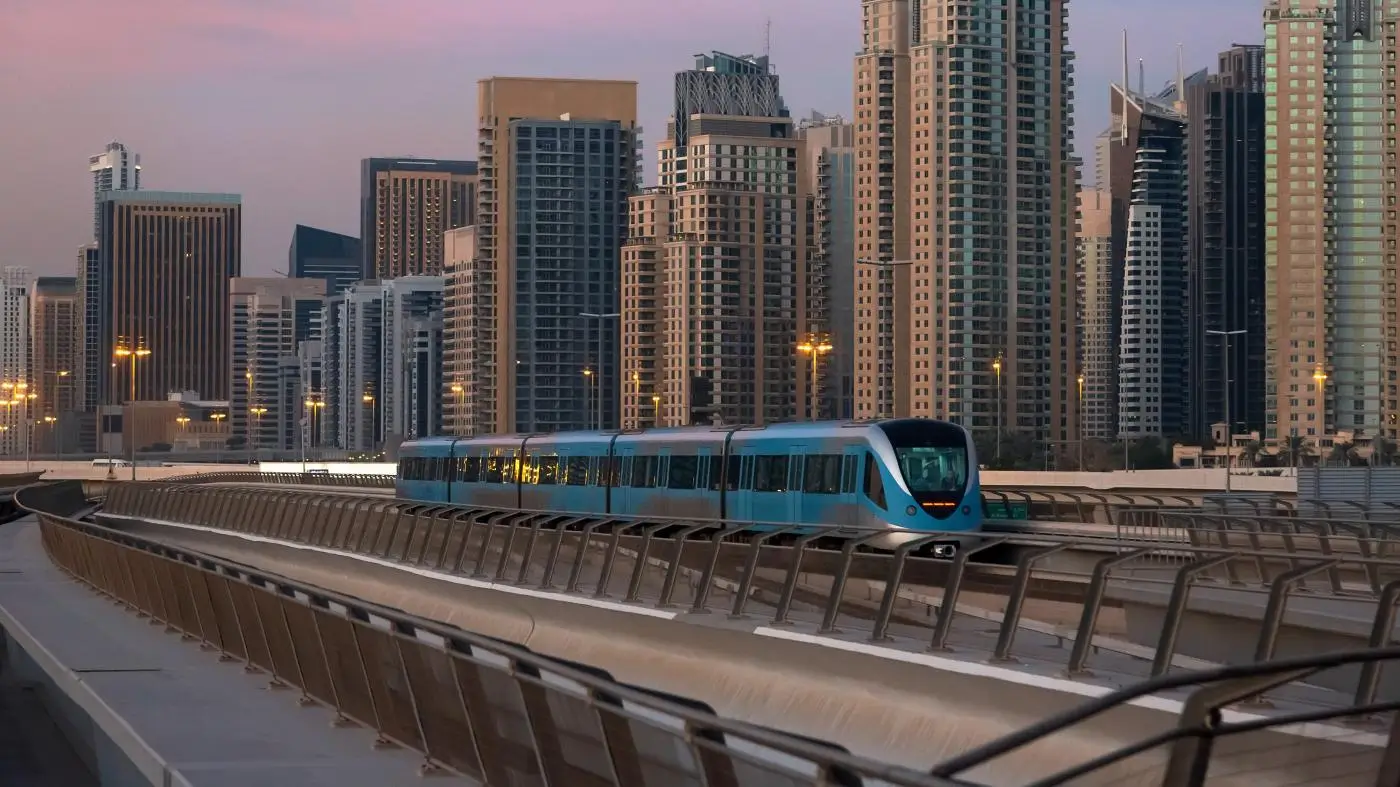
Dubai Metro Expansion 2026–2029: Major Routes, Launch Timeline & Property Investment Potential

Dubai continues to set global benchmarks in urban transformation, and its next phase of infrastructure development is already reshaping how people live, work, and invest. The upcoming Dubai metro expansion 2026–2029 marks a significant leap forward, reinforcing the city’s commitment to smart mobility and sustainable growth. As part of broader Dubai infrastructure growth, these new metro routes are not just about transportation—they are redefining accessibility, connectivity, and long-term urban planning.

For residents, improved metro connectivity means shorter commute times, better lifestyle convenience, and seamless access to key business and leisure hubs. For investors, the impact is even more strategic. Historically, real estate near metro Dubai has consistently outperformed other areas in terms of demand, rental yields, and capital appreciation. With new lines and extensions planned across emerging communities, the next few years present a critical window of opportunity.

Dubai’s public transport system is set for a significant upgrade, as the upcoming metro expansion is expected to transform connectivity, commuting habits, and real estate demand across the city. At the heart of this development is the Dubai Metro Blue Line, a large-scale infrastructure initiative aimed at connecting newly developing residential and commercial zones with the existing metro network.

Covering several high-growth areas, this expansion is likely to create fresh real estate opportunities while making daily travel more convenient for residents and businesses. Instead of concentrating only on established central districts, the new route focuses on previously underserved locations, making it a key step in Dubai’s long-term urban development strategy.
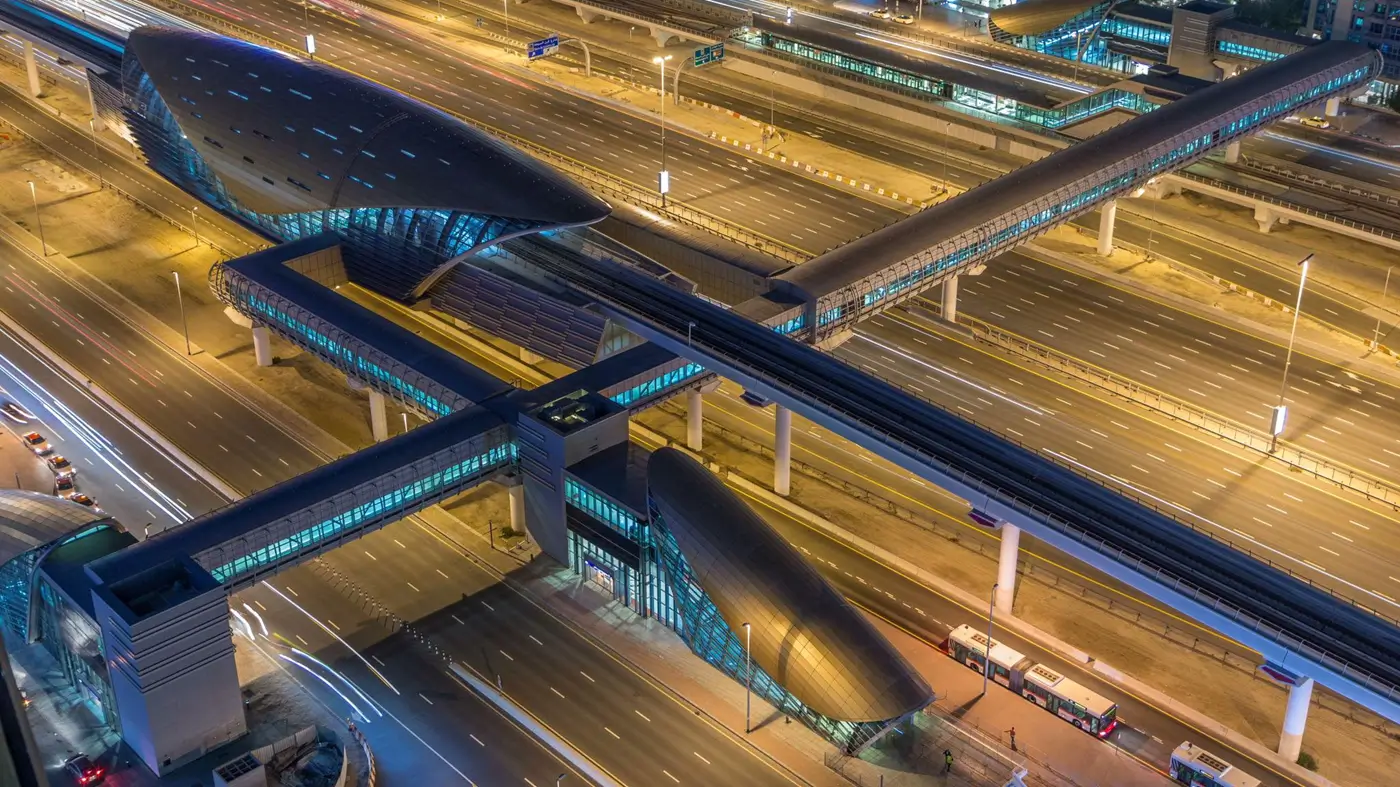
Overview of New Dubai Metro Extensions and Future Plans

One of the most important projects within Dubai’s metro expansion plan is the Dubai Metro Blue Line, which is currently under development. Stretching around 30 kilometres and including 14 stations, the line is expected to be fully completed and operational by 9 September 2029.

The route has been carefully designed to pass through some of Dubai’s rapidly growing areas, such as Dubai Creek Harbour, Dubai Silicon Oasis, Academic City, International City, Al Warqaa, and Mirdif. These locations include a mix of residential communities, educational hubs, and commercial districts, all of which are expected to benefit from improved accessibility and shorter travel times.

To enhance coverage and convenience, the Blue Line will operate through two main branches:

  • First Branch: This route will begin from Al Jaddaf or the Government Centre, passing through Festival City and Ras Al Khor Industrial Area, and then extending towards Silicon Oasis and Academic City.
  • Second Branch: This branch will start from Centrepoint (Al Rashidiya), moving through Mirdif and Al Warqaa before reaching International City.

By integrating these important districts with the current metro system, the Blue Line will significantly improve mobility while supporting Dubai’s future expansion plans.

Project Timeline & Development Phases

The Dubai Metro Blue Line is progressing through a well-structured timeline, with key milestones marking each stage from approval to full-scale operation.

Milestone Date Details
Approval & Investment Commitment
November 2023
AED 18 billion budget approved by the government for the Blue Line project
Groundbreaking / Initial Works
June 2025
Start of utility shifting and early-stage construction work
Construction Progress
As of November 2025
Around 10% completed; expected to reach 30% by the end of 2026
Operational Launch
9 September 2029
Full operations across all 14 stations are expected to begin

Key Routes & Major Station Highlights

The upcoming Dubai Metro Blue Line is strategically planned to link a wide range of residential zones, commercial hubs, and educational districts. Many of these areas are identified as major growth corridors under Dubai’s long-term urban development vision. The line will enhance connectivity not only for established communities but also for newly developing neighbourhoods, supporting future population growth and urban expansion.

The main areas covered along the route include:

  • International City
  • Dubai Creek Harbour
  • Dubai Silicon Oasis
  • Academic City
  • Al Warqaa
  • Mirdif

Each location brings its own unique appeal. International City serves a dense residential population, making it a key demand-driven zone. Dubai Silicon Oasis stands out as a leading technology and business district. Academic City hosts multiple universities and student housing, ensuring steady daily commuter flow. Meanwhile, Mirdif and Al Warqaa are mature residential communities that will gain improved accessibility through the metro network.

Dubai Creek Harbour will be one of the most prominent stops on the Blue Line. Plans include a metro station rising to nearly 74 metres, positioning it among the tallest metro stations globally. This development not only enhances transport connectivity but also contributes a strong architectural identity and branding value to the area.

Additionally, the Blue Line will include important interchange stations that connect seamlessly with the existing Red Line and Green Line, along with future Etihad Rail links. These connections will significantly improve network efficiency, allow smoother transitions between routes, and reduce travel time across the city.
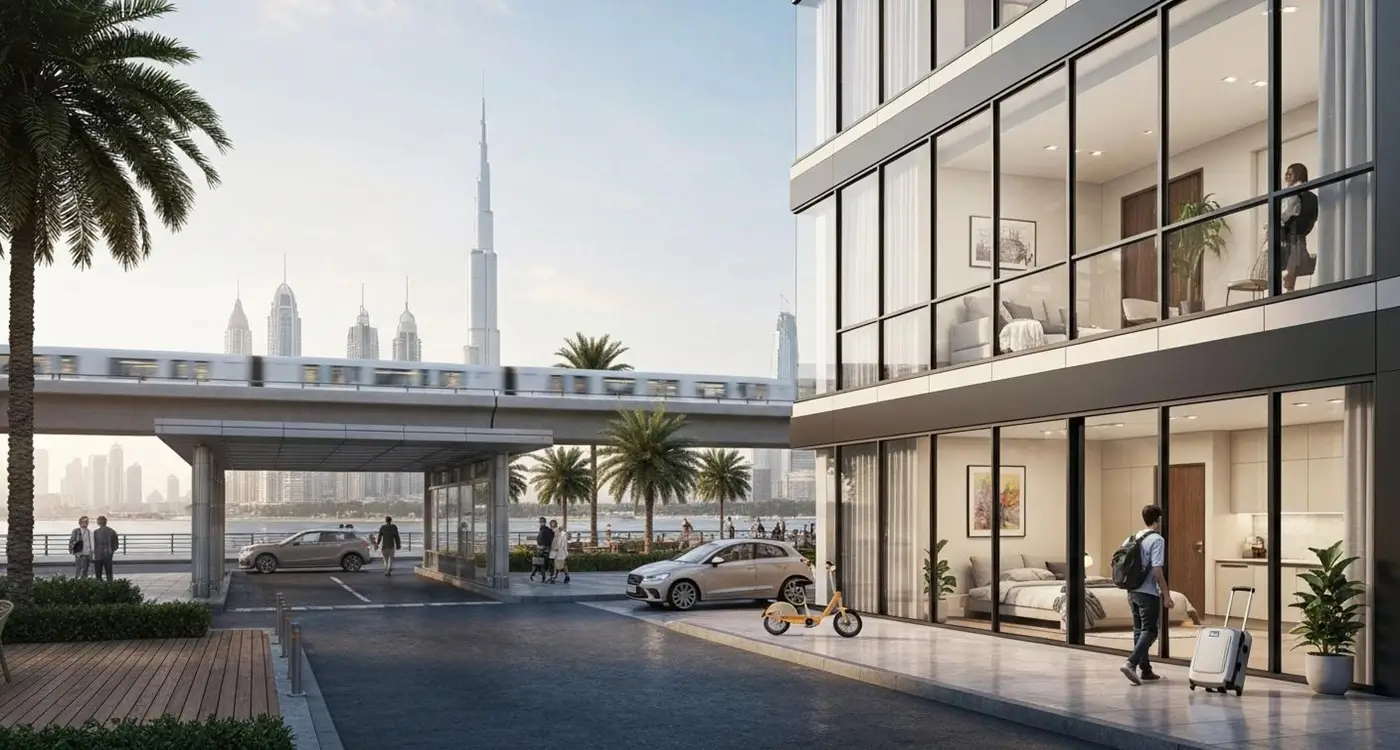
Property Market Impact & Investment Opportunities

The launch of the Dubai Metro Blue Line is expected to play a major role in shaping property prices, rental demand, and overall investment patterns across key areas.

Property Price Growth & Rental Yield Forecasts

Historically, metro expansions in Dubai have led to noticeable property value increases, and the Blue Line is expected to follow the same trend. Properties located within approximately 500 to 900 metres of upcoming stations could experience price growth of around 20% to 30% by 2029, when the line becomes operational.

Rental trends are already showing early signs of this impact. Academic City has seen a significant rise in studio apartment rents since late 2023. Similarly, Dubai Silicon Oasis and International City have recorded rental growth of over 20% through 2025. This indicates increasing tenant preference for well-connected locations.

Beyond capital appreciation, rental yields in metro-linked areas are projected to outperform the broader Dubai market. Better connectivity often results in higher occupancy rates, making these locations highly attractive for long-term investors seeking stable returns.
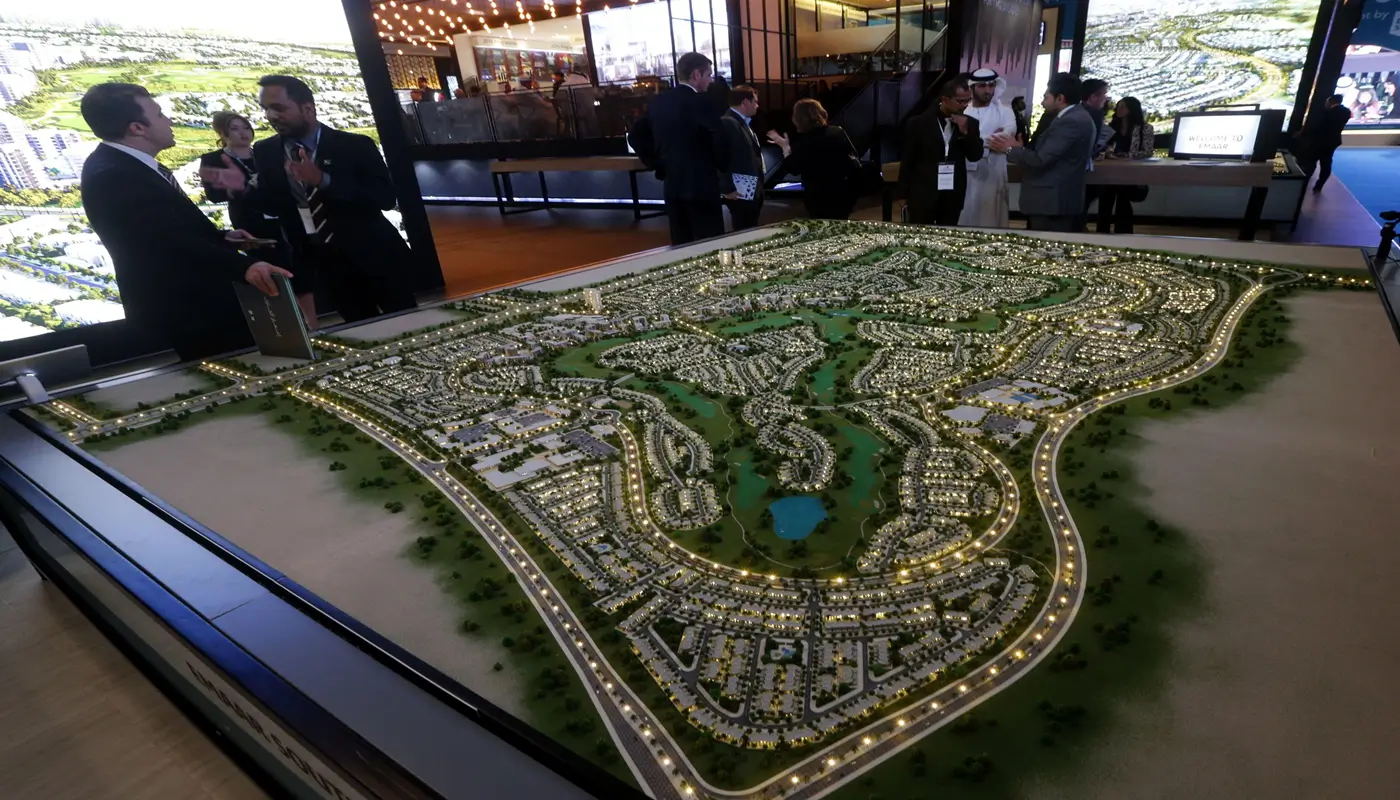
High-Growth Investment Zones

Several areas along the Blue Line corridor offer strong investment opportunities due to their affordability, demand drivers, and future development potential.

Area Expected Price Growth by 2029 Key Advantages
International City
25–35%
Budget-friendly entry, large population base, improved connectivity
Silicon Oasis
20–28%
Strong employment hub, infrastructure growth, tech-focused community
Academic City
25–35%
Consistent rental demand, student population, education hub
Dubai Creek Harbour
20–30%
Premium development, iconic metro station, high brand value

Off-Plan Real Estate & Smart Timing Strategy

Timing plays a decisive role when investing in metro-connected real estate. Entering the market during the early stages of development—especially between 2025 and 2026—can offer a strong advantage. At this stage, investors can secure properties at lower prices before visible infrastructure progress begins to push values upward.

A smart approach is to focus on off-plan projects with completion timelines that align with the launch of the metro line, ideally between 2028 and 2029. This strategy positions investors to benefit from both capital appreciation and immediate rental demand once the project is delivered.

Walkability is another key factor that directly impacts property value. Homes located within a short walking distance—typically under ten minutes—from metro stations often command higher selling prices and deliver better rental yields. This makes proximity to transit a critical element in selecting the right property.

Key Risks & Important Considerations

Infrastructure projects can sometimes face delays due to construction challenges, budget constraints, or land-related issues. For this reason, investors should regularly monitor project updates, timelines, and official progress reports to ensure everything is on track.

Investing in early-phase developments also comes with added uncertainty. At this stage, the project may lack full visibility, and nearby facilities or amenities might not be fully developed until the metro line becomes operational.

Another factor to consider is the possibility of oversupply. With several off-plan developments launching along the same corridor, investors need to be selective—choosing reputable developers and carefully reviewing leasing potential to avoid market saturation risks.

Conclusion

The Dubai Metro Blue Line, covering approximately 30 kilometres and featuring 14 stations, is scheduled to launch on 9 September 2029. This major infrastructure project is expected to drive significant growth in property values along its route.

Locations such as International City, Dubai Silicon Oasis, Academic City, and Dubai Creek Harbour are emerging as high-potential investment zones. These areas are likely to benefit from increased demand, rising property prices, and improved rental yields.

Entering the market early—particularly between 2026 and 2028—or investing in off-plan developments can help maximise returns as the project progresses toward completion.

Distance from metro stations remains a crucial value driver. Properties located within roughly 500 to 900 metres of a station typically attract stronger demand and achieve higher price premiums.

In addition, investors should pay close attention to factors like government approvals, station design, and interchange connectivity, as these elements significantly influence accessibility, usage trends, and overall property valuation.

FAQs

1. What is the Dubai Metro Expansion 2026–2029?

The Dubai Metro Expansion 2026–2029 is a major infrastructure project introducing new metro routes and extensions to improve connectivity across key residential and commercial areas in Dubai.

2. Which new routes are included in the Dubai Metro expansion?

The expansion includes several new metro lines and route extensions connecting emerging communities, business hubs, and key real estate zones, improving overall accessibility.

3. When will the new Dubai Metro routes open?

The new routes are expected to open in phases between 2026 and 2029, depending on construction progress and government approvals.

4. How will the Dubai Metro expansion impact real estate prices?

Properties located near metro stations typically see higher demand, increased rental yields, and long-term capital appreciation due to improved connectivity.

5. Is investing near Dubai Metro stations a good opportunity?

Yes, investing near metro-connected areas is considered a smart strategy, as it enhances property value, attracts tenants, and ensures better resale potential.

6. Which areas will benefit the most from the Dubai Metro expansion?

Emerging residential communities, business districts, and upcoming developments along the new routes are expected to benefit the most from increased accessibility and infrastructure growth.