
Why Mega Projects & Infrastructure Are Driving Property Prices Up in Dubai
- 1 Why Mega Projects & Infrastructure Are Driving Property Prices Up in Dubai
- 2 Infrastructure Investment: The Driving Force Behind Dubai’s Real Estate Expansion
- 3 Metro Expansion: Driving Property Demand and Price Appreciation
- 4 Airport Infrastructure: A Major Catalyst for Real Estate Growth
- 5 Mega Projects and Landmark Developments Driving Property Values
- 6 Community and Lifestyle Infrastructure Enhancing Real Estate Appeal
- 7 Evaluating the Impact of Infrastructure on Property Values
- 8 Investor Insights: Smart Strategies and Risk Considerations
- 9 The Future Outlook: Beyond 2026
- 10 Conclusion
- 11 FAQs
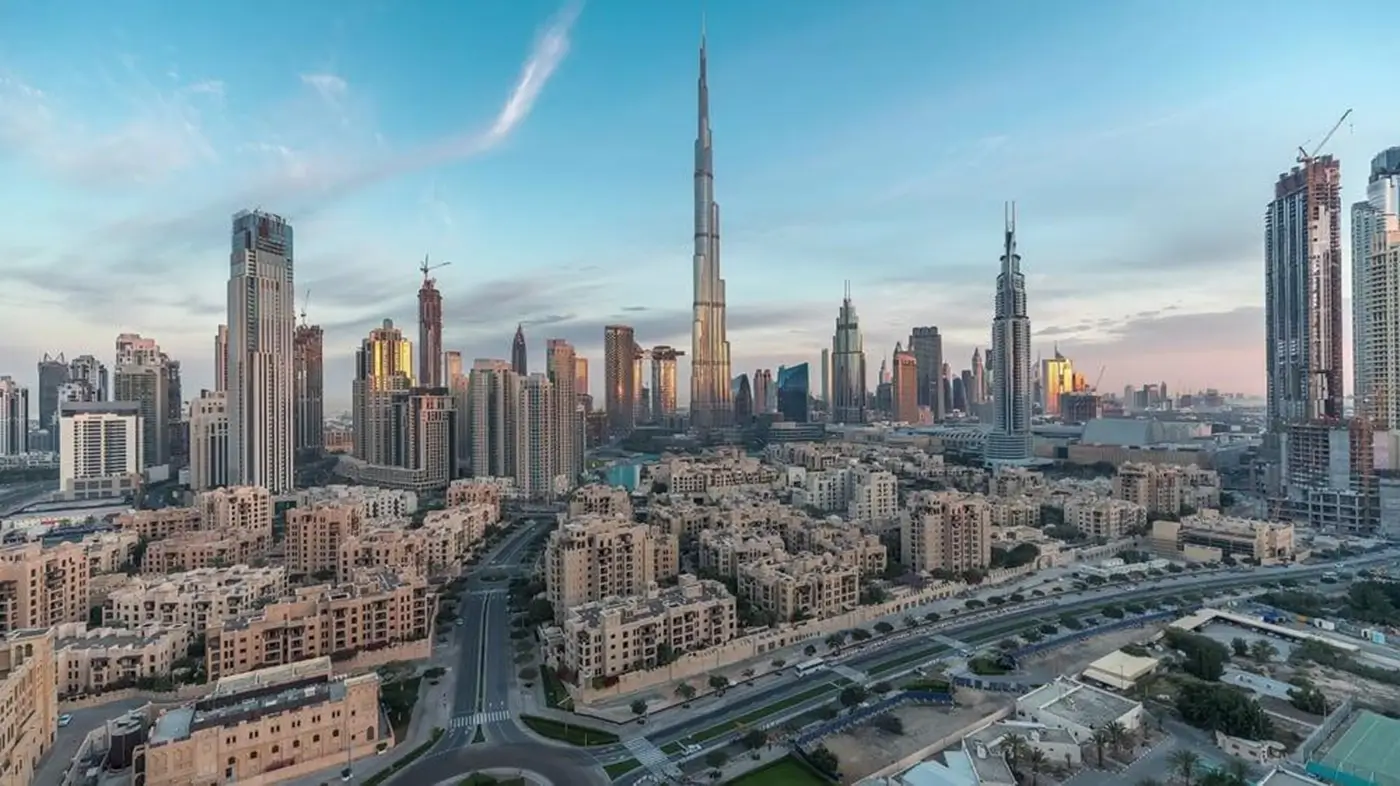
Dubai has rapidly evolved into one of the world’s most attractive real estate destinations, driven largely by its world-class infrastructure and visionary mega developments. From advanced transportation systems and modern highways to airport expansions and integrated communities, every major infrastructure initiative plays a direct role in shaping property demand and market value across the city.
Today, investors and homebuyers in Dubai are not only looking for luxury properties but also prioritizing connectivity, convenience, and lifestyle accessibility. As a result, areas linked with strong infrastructure networks continue to record impressive rental yields and long-term capital appreciation.
Globally, the United Arab Emirates has earned recognition for its exceptional urban infrastructure. According to the World Economic Forum, the UAE ranks among the top countries for road quality, public transportation efficiency, and port operations. These achievements highlight the government’s consistent efforts toward creating a future-ready urban environment.
Dubai’s long-term urban planning strategy also places infrastructure development at the center of real estate growth. Every new transportation project or community enhancement contributes significantly to property price appreciation and overall investment potential.
Infrastructure Investment: The Driving Force Behind Dubai’s Real Estate Expansion
Dubai’s infrastructure strategy goes far beyond basic public utilities and municipal upgrades. The city carefully designs infrastructure projects to support economic growth, enhance accessibility, and strengthen the overall real estate sector.
Large-scale investments in transport systems, utility networks, and smart city technologies are transforming communities into highly desirable residential and commercial destinations. Over the last two decades, Dubai has invested nearly AED 175 billion in infrastructure development, reinforcing its reputation as a leading global city, as highlighted by Sheikh Mohammed Bin Rashid Al Maktoum.
In addition, the Dubai 2040 Urban Master Plan focuses heavily on sustainable growth, improved connectivity, and expanded transportation systems. Whether through new metro routes, airport developments, or highway expansions, enhanced infrastructure consistently increases the attractiveness of nearby real estate markets.
Metro Expansion: Driving Property Demand and Price Appreciation
Dubai’s metro system, including the Red and Green Lines, has had a significant influence on the city’s real estate market. Properties located within walking distance of metro stations have consistently experienced higher price appreciation and increased buyer demand.
Communities such as Al Furjan, Business Bay, and Downtown Dubai have recorded impressive growth in property values over the years due to their close proximity to metro connectivity.
Easy access to public transport improves daily commuting, reduces travel stress, and connects residents to workplaces, schools, and lifestyle amenities. These benefits greatly enhance the desirability of nearby properties and contribute to stronger real estate valuations. Metro infrastructure also helps reduce traffic congestion, making urban communities more attractive for both investors and residents.
1. Blue Line Metro
Dubai’s upcoming Blue Line Metro project is expected to create another major boost for the property market. Industry projections suggest that property prices may rise between 3.5% and 5.2% by mid-2026 in areas connected to the new line.
Communities including Academic City, Al Furjan, Arjan, and Jumeirah Village Circle (JVC) are likely to experience higher rental yields and improved resale values.
The Blue Line will strengthen connectivity between developing districts and transform previously underdeveloped locations such as Academic City, Ras Al Khor Industrial Area, and Dubai Creek Harbour into more attractive residential and investment destinations.
Highway & Road Network Improvements: Reducing Congestion and Enhancing Connectivity
i. Al Khail Road Improvement Project
Al Khail Road, one of Dubai’s major arterial highways spanning approximately 15 kilometers, is currently undergoing significant upgrades. In 2024, the Roads and Transport Authority (RTA) awarded the Al Khail Road Improvement Project contract valued at Dh700 million.
The project includes the development of five new bridges and major traffic corridor enhancements. Once completed, the improvements are expected to reduce travel time by nearly 30%, making daily commuting more efficient for residents and businesses.
ii. Major Highway Connectivity Projects
In March 2025, Dubai Holding and the RTA signed a landmark agreement worth Dh6 billion aimed at improving Dubai’s road infrastructure. The project focuses on developing multiple interchanges and intersections connected to Sheikh Zayed Road, with the goal of reducing commute times by up to 70%.
Several key communities are expected to benefit from these enhancements, including International City Phase 3, Dubai Production City, Palm Jumeirah, JVC, and Business Bay.
By improving connectivity between residential communities and commercial hubs, these road infrastructure projects are expected to significantly strengthen property values and increase investment opportunities across Dubai’s real estate market.
Airport Infrastructure: A Major Catalyst for Real Estate Growth
Dubai’s world-class aviation network continues to play a crucial role in strengthening the emirate’s property market. Major airports such as DXB and Al Maktoum International Airport significantly enhance global accessibility, which directly influences residential and commercial real estate demand across the city.
Expansion of DWC and Rising Demand in Dubai South
Al Maktoum International Airport is currently undergoing a large-scale expansion project aimed at transforming it into the world’s largest airport in the coming decades. With an estimated investment of nearly AED 128 billion, the airport is expected to feature 400 gates and five parallel runways, allowing it to serve more than 260 million passengers annually by the 2030s.
This ambitious infrastructure development is expected to elevate the appeal of Dubai South and nearby communities. Areas located close to major airports often benefit from increased business activity, tourism growth, employment opportunities, and stronger logistics operations. As passenger traffic rises, the surrounding districts are likely to witness growing demand for both residential and commercial properties.
Mega Projects and Landmark Developments Driving Property Values
Dubai’s real estate sector continues to gain momentum through large-scale urban developments that combine modern infrastructure, lifestyle amenities, and strategic connectivity.
1. Expo City Dubai
Following the success of EXPO 2020, Dubai transformed the site into Expo City Dubai, a forward-thinking mixed-use destination designed for both living and business activities. The area has evolved into a modern residential and commercial hub focused on sustainability, innovation, and smart urban planning.
With direct metro connectivity and a strong emphasis on eco-friendly development, Expo City is expected to experience continuous growth in property values over the coming years.
2. Dubai Islands
Dubai Islands represents another landmark waterfront development showcasing the emirate’s vision for luxury urban living. Designed with integrated transport systems, leisure attractions, retail destinations, and premium residential spaces, the project is set to become one of Dubai’s most desirable lifestyle communities.
The combination of waterfront living, entertainment facilities, and modern infrastructure makes such mega-developments highly attractive to investors and homebuyers alike.
Community and Lifestyle Infrastructure Enhancing Real Estate Appeal
Beyond transportation networks, lifestyle-focused infrastructure also plays an important role in increasing property desirability and long-term value.
For example, Dubai Healthcare City Authority announced a Dh 1.3 billion development initiative in October 2025, including the emirate’s first flagship project with LEED Platinum certification. Developments like these improve overall living standards while adding functional and sustainable value to surrounding communities.
Modern communities designed with healthcare facilities, green spaces, educational institutions, and lifestyle amenities often attract expatriates and families seeking a balanced and convenient environment.
Evaluating the Impact of Infrastructure on Property Values
Infrastructure investments have shown a measurable impact on Dubai’s real estate performance. According to an RTA-commissioned study conducted by McKinsey & Company, transport and infrastructure projects contributed to an average increase of 16% in property values across connected areas of Dubai.
Neighborhoods benefiting from metro expansions and improved road networks experienced stronger appreciation due to reduced travel times and better accessibility. This highlights the direct relationship between infrastructure development and long-term capital growth in the property market.
Globally, regions that improve mobility and connectivity to economic hubs often witness stronger price appreciation. Dubai’s integrated urban planning strategy has successfully amplified this trend across multiple communities.
Investor Insights: Smart Strategies and Risk Considerations
Understanding how infrastructure shapes real estate demand allows investors to make informed decisions and identify future growth opportunities.
Early Investment Opportunities and Location Advantages
Properties located near upcoming infrastructure projects such as metro expansions, airport developments, and new highway corridors often experience price appreciation before project completion. Investors entering these markets early can potentially benefit from rising demand as connectivity improves and surrounding communities become more active.
Diversifying Investments Across Growth Corridors
Investing across multiple infrastructure-driven locations helps investors reduce risk while maximizing opportunities in different market segments. Airport-focused communities, metro-connected districts, and lifestyle-oriented developments each offer unique growth potential within Dubai’s evolving real estate landscape.
However, experienced investors also closely monitor market supply and construction timelines. If new property inventory enters the market faster than demand growth, oversupply may place temporary pressure on prices in certain areas during 2026 and beyond.
The Future Outlook: Beyond 2026
Dubai’s infrastructure-driven development strategy continues to shape the city’s future with remarkable momentum. Over the coming years, the real estate sector is expected to remain strong, supported by world-class urban facilities, advanced transportation networks, and innovative smart city initiatives.
In addition, the Government of Dubai is increasingly focusing on integrating digital infrastructure with urban expansion, creating new opportunities for real estate growth. Smart technologies, intelligent utility systems, and digitally connected ecosystems are transforming the city far beyond conventional infrastructure projects.
Dubai is also committed to expanding and diversifying its economy while attracting international businesses and investors. This long-term economic vision is anticipated to fuel population growth, strengthen housing demand, and maintain stability in property values across the emirate.
Conclusion
Dubai’s large-scale infrastructure projects and continuous urban development have significantly transformed its real estate market. The impact goes far beyond improved connectivity, contributing directly to rising property values and stronger investor confidence. From airport expansions and metro network enhancements to modern lifestyle-focused communities, strategic infrastructure investments continue to support sustainable capital appreciation.
Today, Dubai stands as a global example of how forward-thinking infrastructure planning can elevate community value and strengthen real estate performance. Its commitment to future-ready urban development remains a key driver behind the city’s growing appeal among local and international investors.
For both homebuyers and property investors, understanding the connection between infrastructure growth and real estate value is essential for making informed decisions. A deeper understanding of these market dynamics can also open doors to opportunities in one of the world’s fastest-evolving property destinations.
FAQs
1. How do infrastructure projects affect property prices in Dubai?
Infrastructure projects like metro expansions, highways, and airports increase connectivity, which boosts demand and raises nearby property prices in Dubai.
2. Why do mega projects increase property value in Dubai?
Mega projects attract investors, businesses, and tourists, leading to higher demand for real estate and ultimately increasing property values.
3. Which areas in Dubai benefit most from infrastructure development?
Areas near metro lines, business hubs, and upcoming mega projects such as Dubai South and Expo City tend to see the highest property price growth.
4. Is investing near Dubai infrastructure projects a good idea?
Yes, properties near major infrastructure developments often offer higher ROI, better rental yields, and long-term capital appreciation.
5. How does Dubai Metro expansion impact real estate prices?
Dubai Metro expansion improves accessibility, making nearby properties more desirable and increasing both rental and sale prices.
6. What role do government projects play in Dubai real estate growth?
Government-led infrastructure and mega projects boost economic growth, attract foreign investment, and significantly influence property price trends.