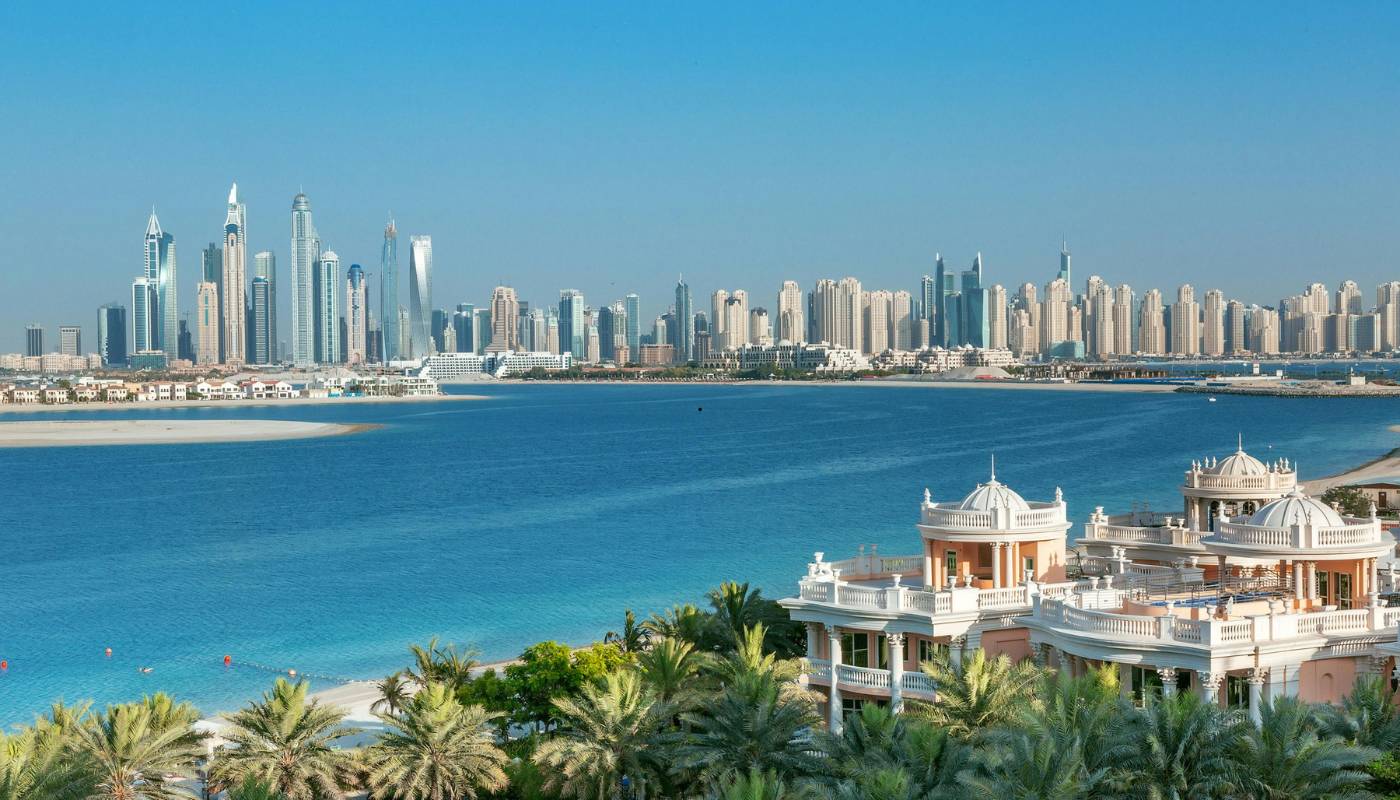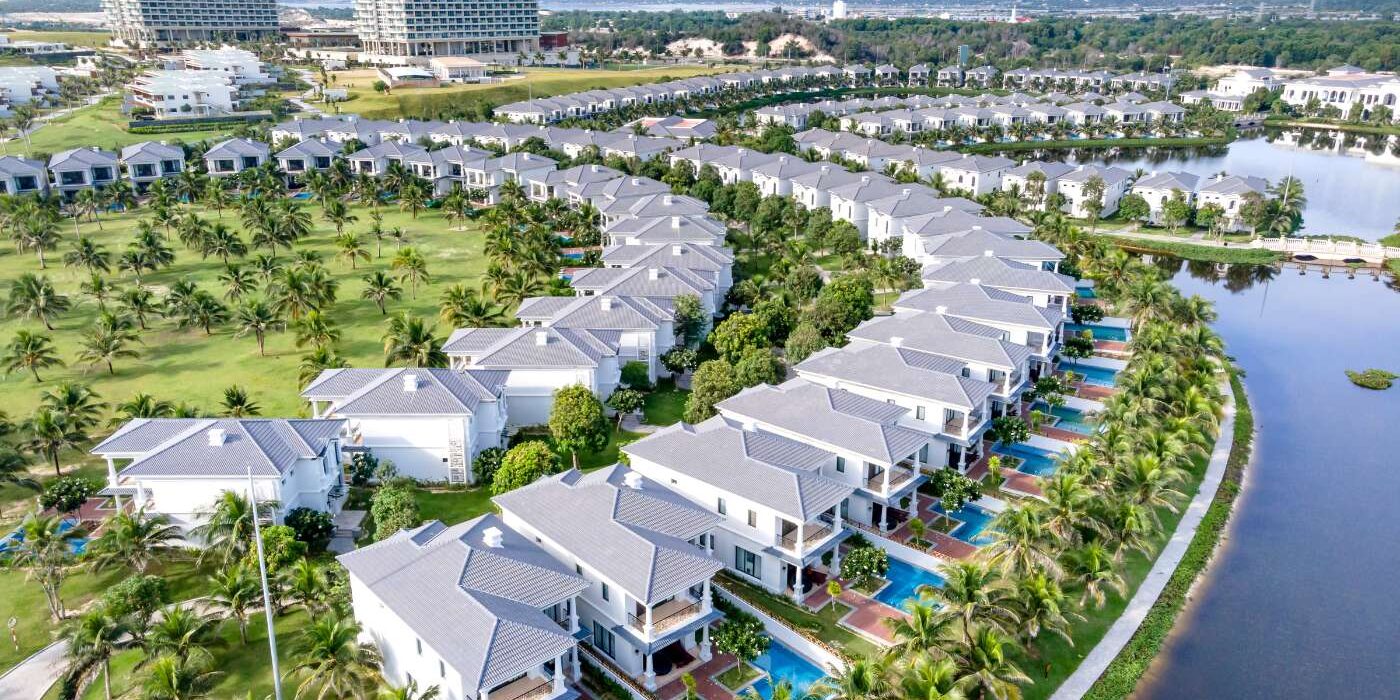
What Are the Best Areas for Beachfront Villas in Ras Al Khaimah?

What Are the Best Areas for Beachfront Villas in Ras Al Khaimah?
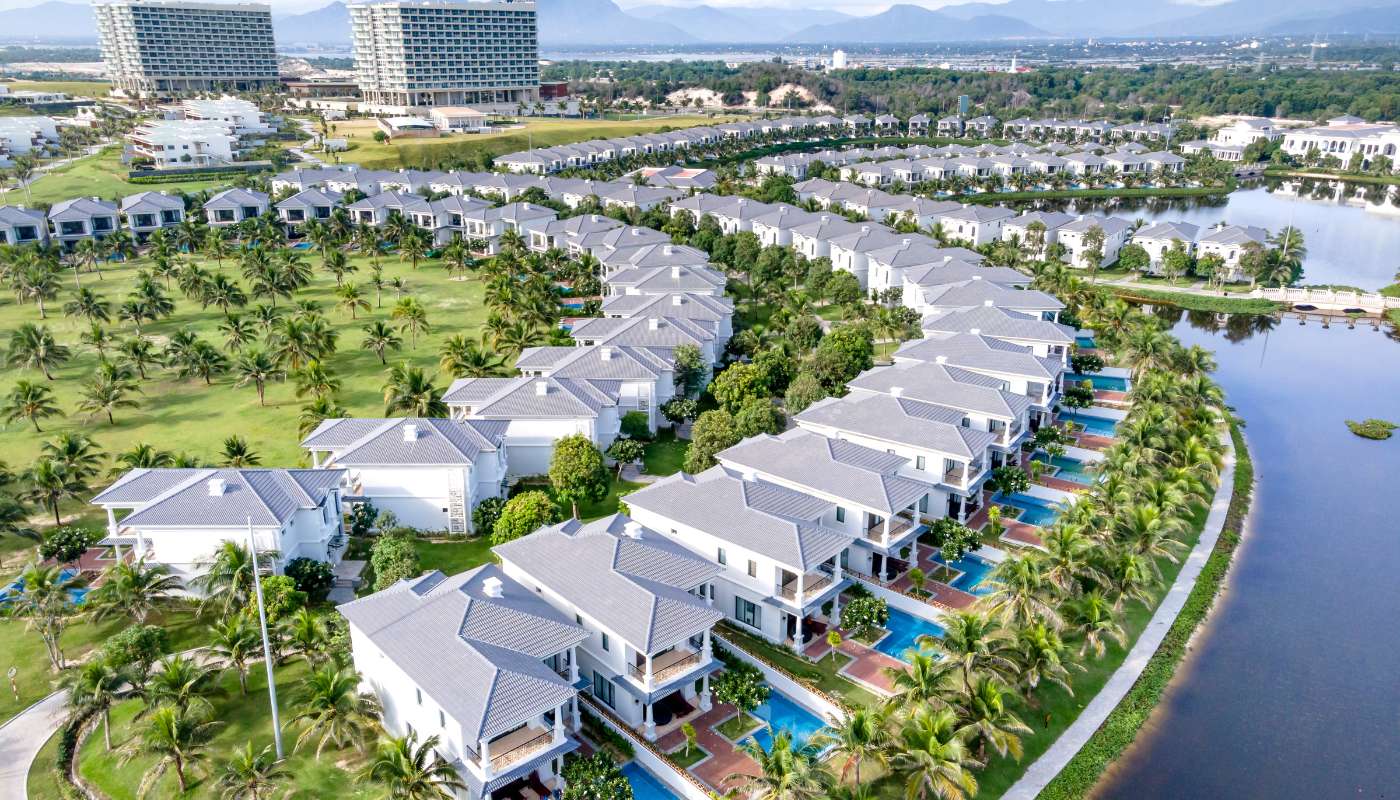
Ras Al Khaimah has become a popular choice for buyers looking for both luxury and affordability. The emirate’s fast-growing real estate market offers a wide selection of villas and apartments to match different lifestyle preferences. If you’re looking for beachfront villas in Ras Al Khaimah, you’ll be glad to know that many options come at more competitive prices compared to other emirates. But where should you begin your search for seaside homes in RAK?

With demand steadily increasing—driven by tourism growth, new mega-projects, and competitive property prices—RAK is becoming a prime choice for buyers who want luxurious waterfront homes without the overcrowding of major cities.

This blog highlights the top areas in Ras Al Khaimah where you can find premium beachfront villas, helping buyers and investors discover the best coastal communities the emirate has to offer.

Why Choose Beachfront Villas in Ras Al Khaimah?

Ras Al Khaimah has quickly become one of the UAE’s most desirable coastal destinations, offering a perfect blend of natural beauty and modern luxury. Its long stretches of pristine beaches create a calm and relaxing atmosphere, making it ideal for homeowners who value privacy, comfort, and scenic waterfront views.

Beyond lifestyle benefits, beachfront villas in RAK also offer strong investment appeal. The emirate has seen growing tourism numbers and steady demand for high-end rentals, resulting in attractive ROI opportunities for investors. Property prices here remain more competitive than in Dubai and Abu Dhabi, allowing buyers to secure larger spaces and premium waterfront plots at better value.

Residents also enjoy access to world-class amenities, including luxury resorts, water sports, golf courses, marinas, and vibrant dining options—enhancing the overall quality of coastal living.

Top Areas With Beachfront Villas in Ras Al Khaimah

As per Bayut, Mina Al Arab, Al Hamra Village and Al Dhait continue to be among the most sought-after communities for renting or purchasing villas in the northern emirate. Below, we’ve highlighted the top neighbourhoods that offer the finest beachfront villas in Ras Al Khaimah.

If you’re planning to invest in a waterfront home, explore these leading areas with beautiful beachfront villas in RAK.

Average Sales Prices of Villas in Top Areas

AreaAverage Sales Price
Al Dhait SouthAED 2,469,000
Hayat IslandAED 4,523,000
Flamingo VillasAED 2,591,000
MalibuAED 4,093,000
Al Hamra Village Town HousesAED 3,080,000


AL DHAIT SOUTH

Al Dhait South is the largest sub-community within Al Dhait, known for its spacious villas, peaceful atmosphere and excellent connectivity. Residents have access to essential amenities such as schools, parks and restaurants, while Awafi Family Park and Cove Rotana Private Beach add to the appeal.

The villas here are generously sized, combining classic Arabic facades with modern interiors. Many homes come equipped with premium features like private pools, maid’s rooms and large gardens—perfect for families seeking upscale comfort.

Villa Sales & Rental Trends in Al Dhait South

  • The average sales price for villas in Al Dhait South is AED 2.46M.

  • You can also rent villas here, with annual rental rates averaging AED 112k.

HAYAT ISLAND

Hayat Island, part of Mina Al Arab, is a picturesque waterfront community known for its peaceful ambience, scenic sea views and strong focus on outdoor living. Surrounded by lush landscapes and the gentle waves of the Arabian Gulf, it offers a calm and refreshing lifestyle.

The island features a mix of apartments, villas and townhouses—ideal for different family sizes and preferences. With its prime location and world-class amenities, Hayat Island is a fantastic choice for families seeking a serene yet modern coastal lifestyle.

Villa Sales Prices in Hayat Island

  • 2-bedroom villa: AED 2.37M

  • 3-bedroom villa: AED 3.22M

  • 4-bedroom villa: AED 8.68M

  • 5-bedroom villa: around AED 10.5M

Not planning to buy yet? Hayat Island also offers premium rental options.

Villa Rental Rates in Hayat Island

  • 2-bedroom villa: around AED 118k per year

  • 3-bedroom villa: approx. AED 147k annually

  • 4-bedroom villa: about AED 272k annually

  • 5-bedroom villa: nearly AED 350k per year

FLAMINGO VILLAS

Flamingo Villas in Mina Al Arab is another excellent option for anyone searching for waterfront villas in Ras Al Khaimah. This well-planned community offers a self-contained lifestyle, making it perfect for families. Along with lush green gardens, the neighbourhood features a community swimming pool and a dedicated paddling pool for kids — adding to its family-friendly appeal.

Residents can choose between 2 and 3-bedroom villas in Flamingo Villas.

  • The average price for a 2-bed villa is around AED 2.20M.

  • Planning to buy a 3-bed home? The average cost comes to AED 2.98M.

For those who want to experience RAK’s beachfront lifestyle without committing to a purchase, rental villas in Flamingo Villas are a great choice.

  • A 2-bedroom rental villa costs around AED 113k per year.

  • A 3-bedroom villa for rent is available for approximately AED 131k annually.

MALIBU

Situated within Mina Al Arab, Malibu is a well-connected and eco-friendly villa community known for its serene waterfront views and luxurious villas. With open green spaces, nearby schools and convenient lifestyle amenities, Malibu offers a perfect blend of leisure, entertainment and everyday essentials.

If you’re considering villas for sale in Malibu, here’s a quick look at the latest price trends:

  • A 3-bedroom villa typically costs around AED 3.40M.

  • For larger homes, expect to pay about AED 6.86M.

Malibu is also a top pick for renters seeking 3 to 4-bedroom beachfront villas in RAK.

  • A 3-bed villa for rent in Malibu costs roughly AED 143k annually.

  • The yearly rent for a 4-bedroom villa averages around AED 241k.

AL HAMRA VILLAGE TOWNHOUSES

One of the most popular areas for beachfront living in RAK is Al Hamra Village Townhouses. Despite the name, the community also offers a good selection of luxury villas. This peaceful neighbourhood is ideal for families, with easy access to schools, malls, supermarkets and other everyday conveniences.

If you’re exploring villas for sale in Al Hamra Village Townhouses, here’s what to expect:

  • A 3-bedroom villa here is priced at around AED 3M.

Those in search of seafront villas for rent in Ras Al Khaimah will also find appealing options in this community:

  • The average rent for a 2-bed villa is around AED 77k per year.

  • A 3-bedroom rental villa costs approximately AED 122k annually.

  • Larger units, such as 4-bed and 5-bed villas, are available for AED 142k and AED 286k, respectively.

Investment Potential of Beachfront Villas in Ras Al Khaimah

Beachfront villas in Ras Al Khaimah are becoming one of the strongest real estate investment choices in the UAE. With steady demand for luxury waterfront homes, investors can expect healthy rental returns—particularly in well-developed coastal communities like Al Marjan Island, Mina Al Arab, and Al Hamra Village. Short-term holiday rentals also perform well, thanks to RAK’s growing reputation as a leisure destination.

Tourism in the emirate is projected to rise even further with the upcoming Wynn Resort, which includes the region’s first casino. This landmark development is already attracting global attention, increasing visitor numbers and driving rental demand for high-end beachfront properties.

In addition to consistent rental income, beachfront villas in RAK also offer strong potential for capital appreciation. As international buyers continue to shift their interest toward emerging luxury markets outside Dubai, property values in RAK are expected to grow steadily—making it an ideal time for forward-looking investors to secure premium waterfront assets.

Who Should Buy a Beachfront Villa in RAK?

Beachfront villas in Ras Al Khaimah appeal to a wide range of buyers due to their blend of luxury, privacy, and long-term value. They are a perfect choice for high-net-worth individuals who want an exclusive waterfront residence with generous space and premium amenities.

These properties also attract holiday home buyers looking for a peaceful escape by the sea. With RAK’s calm environment, resort-style communities, and year-round sunshine, owning a beachfront villa becomes an ideal option for vacation living.

For investors, beachfront villas offer excellent opportunities for passive income. Strong tourism growth and rising demand for luxury rentals ensure consistent returns—especially with short-term rentals becoming increasingly popular.

Lastly, families who desire a luxury coastal lifestyle will find RAK’s beachfront communities perfectly suited to their needs. Safe neighborhoods, private beaches, community parks, and easy access to schools and healthcare make these villas suitable for long-term living.

Conclusion

Ras Al Khaimah has emerged as one of the UAE’s premier destinations for upscale beachfront living, offering a unique blend of natural beauty, attractive pricing, and strong investment potential. From lively master-planned communities to serene coastal retreats, the emirate features a diverse range of beachfront villas that suit various lifestyles and budgets—making it an appealing alternative for buyers exploring options beyond a Luxury Home in Dubai.

Whether you’re seeking a serene holiday home, a high-performing investment asset, or a spacious family residence by the sea, the areas highlighted above—Al Marjan Island, Mina Al Arab, Al Hamra Village, and the northern coastal belt—offer some of the best options in the market.

If you’re considering making a move, now is an excellent time to explore the opportunities RAK has to offer. For personalised guidance and access to the finest beachfront villas, feel free to reach out to your trusted real estate experts who can help you find the perfect match.

FAQs – Beachfront Villas in Ras Al Khaimah

1. Are beachfront villas in Ras Al Khaimah a good investment?

Yes, beachfront villas in RAK are considered a strong investment due to attractive rental yields, increasing tourism, and rising interest from international buyers. With major developments like the Wynn Resort bringing global attention, property values are expected to grow steadily over the coming years.

2. Which areas in Ras Al Khaimah have the best beachfront villas?

The most popular areas include Al Marjan Island, Mina Al Arab, and Al Hamra Village. These communities offer private beaches, luxury amenities, and strong rental demand—making them ideal for both living and investment.

3. Can foreigners buy beachfront villas in Ras Al Khaimah?

Yes. Foreign buyers can purchase freehold properties in designated zones across RAK, including the major beachfront communities. This provides full ownership rights, making it a favourable market for international investors.

4. What is the expected ROI for beachfront villas in RAK?

Rental returns typically range from 6% to 9%, depending on the villa’s size, location, and proximity to the beach. Short-term holiday rentals in prime areas often generate even higher annual yields due to strong tourist demand.

5. Are beachfront villas in Ras Al Khaimah expensive compared to Dubai?

RAK offers significantly more competitive pricing. Buyers can secure large waterfront villas at a lower entry price compared to similar properties in Dubai or Abu Dhabi, making it an attractive choice for budget-conscious luxury buyers.

6. What amenities come with beachfront living in RAK?

Residents typically enjoy private beach access, landscaped parks, resort-style pools, marinas, retail promenades, gyms, water sports facilities, and 24/7 community security. Many communities also feature hotels, golf courses, and waterfront dining.

7. Is Ras Al Khaimah a good place for families to buy a beachfront villa?

Absolutely. RAK offers a safe, calm environment with schools, healthcare centres, malls, and family-friendly communities. Beachfront villas provide ample space, privacy, and a resort-like lifestyle—ideal for long-term family living.


UAE Tourist VAT Refund Guide: Everything You Need to Know

UAE Tourist VAT Refund Guide: Everything You Need to Know

The UAE introduced a 5% Value Added Tax (VAT) in January 2018 on most goods and services to strengthen the economy and reduce dependence on oil revenue. Later that year, in November 2018, the UAE rolled out the VAT refund system for tourists, allowing eligible visitors to claim back the VAT paid during their stay.

Tourist VAT Refunds in the UAE – Overview

In November 2018, the UAE government, together with the Federal Tax Authority (FTA), officially launched a VAT refund scheme for tourists. This system enables visitors to retrieve the VAT paid on purchases made at approved retail outlets. The refund process works through a seamless electronic system activated after the VAT law came into effect.

Only retailers registered under the “Tax Refund for Tourists Scheme” and connected to the digital platform can offer VAT refund services.
If you’re wondering “How can tourists claim a VAT refund in the UAE?”, here’s everything you need to know.

VAT Refund for Online Purchases

The UAE has recently introduced a new system to support VAT refunds for tourists who shop online during their visit. This initiative aligns with the FTA’s goal of strengthening the UAE’s position as a top destination for both tourism and e-commerce.

Under the new system, tourists can claim VAT refunds on online purchases made through registered e-commerce platforms. During checkout, travellers simply need to enter their travel document details before the order is shipped.

The programme, developed in partnership with Planet, the official VAT refund operator, ensures that a tourist’s identity is verified at the time of delivery or while completing the online order process—finalising their VAT refund eligibility.

VAT Refund for Online Purchases

Tourists shopping in the UAE can apply for VAT refunds if they meet the following conditions:

  • Purchases must be made from retailers participating in the Tax Refund for Tourists Scheme.

  • The tourist should plan to leave the UAE within 90 days of the purchase date, carrying the goods they bought.

  • Items purchased must not be part of the FTA’s excluded list.

  • Goods must be exported from the UAE from the date they were supplied.

  • All export and purchase procedures must comply with the requirements set by the Federal Tax Authority (FTA).

How Tourists Can Claim a VAT Refund in the UAE

Tourists shopping in the UAE can apply for VAT refunds if they meet the following conditions:

  • Purchases must be made from retailers participating in the Tax Refund for Tourists Scheme.

  • The tourist should plan to leave the UAE within 90 days of the purchase date, carrying the goods they bought.

  • Items purchased must not be part of the FTA’s excluded list.

  • Goods must be exported from the UAE from the date they were supplied.

  • All export and purchase procedures must comply with the requirements set by the Federal Tax Authority (FTA).

Tourist VAT Refund System in the UAE

The UAE’s Tourist VAT Refund Scheme operates through Planet VAT Refund, an advanced digital platform developed in partnership with the Federal Tax Authority (FTA) and global operator Planet. This system makes it incredibly easy for eligible tourists and registered retailers to complete VAT refund procedures quickly and efficiently.

Thanks to the seamless integration between the FTA and Planet, tourists in the UAE can enjoy a smooth, fully electronic VAT refund process. The system enables retailers and visitors to validate and process refund claims without delays.

Tourist VAT Refund System in the UAE

The UAE’s Tourist VAT Refund Scheme operates through Planet VAT Refund, an advanced digital platform developed in partnership with the Federal Tax Authority (FTA) and global operator Planet. This system makes it incredibly easy for eligible tourists and registered retailers to complete VAT refund procedures quickly and efficiently.

Thanks to the seamless integration between the FTA and Planet, tourists in the UAE can enjoy a smooth, fully electronic VAT refund process. The system enables retailers and visitors to validate and process refund claims without delays.

How the Tourist VAT Refund Process Works

  1. Traveler Submits a Refund Claim: The tourist requests a VAT refund and provides their travel documents (passport or GCC National ID) that were used to enter the UAE.

  2. Retailer Enters Details: The retailer logs the required information into Planet’s digital system to generate the VAT refund claim.

  3. Tax-Free Tag Issued: A Tax-Free tag is attached to the original purchase receipt provided by the shopper.

  4. Tag Scanning & Linking: The retailer scans the Tax-Free tag to link the purchase with the tourist’s passport or GCC National ID.

Fast, Simple & Digital

Yes — claiming a tourist VAT refund in the UAE is genuinely this easy. With a minimum purchase of AED 250, the automated system generates a Tax-Free tag in under 2 minutes, ensuring a fast and hassle-free process for visitors.

Where Can Tourists Claim VAT Refunds in the UAE?

Tourists visiting the UAE can claim VAT refunds at designated validation points located across all major departure ports—airports, seaports, and border crossings. For instance, if you’re flying out of Abu Dhabi, your claim can be processed at the Abu Dhabi Airport VAT refund counter.

How to Claim a Tourist VAT Refund in the UAE

Follow these steps before you check in:

  1. Visit the designated validation point before dropping your luggage.

  2. Present the following at the counter:

    • Original receipt with a Tax-Free tag

    • Purchased goods

    • Passport copy

    • Credit/debit card

  3. After verification, choose a cash or card refund.

  4. Your VAT refund will then be processed.

Tourists can receive up to 85% of the VAT amount paid, minus a fee of AED 4.80 per Tax-Free tag.
For cash refunds, the maximum limit is AED 35,000 per tourist. For higher amounts, a valid card is required.

VAT Refund App for Tourists in the UAE

Planet introduced a self-service tax refund system in 2019, followed by a fully paperless process implemented in 2022. Through the Tourist Refund app, visitors can easily track and claim their VAT refunds.

Here’s how it works:

  • When you buy an item, the retailer scans the invoice, which is automatically recorded in the app.

  • The app stores all transaction details, including the eligible VAT amount.

  • At departure, tourists simply visit the automated kiosk or counter and show the invoices stored in the app.

  • Refunds can be taken in cash or transferred to a credit card—no long queues required.

Self-Service Kiosks for VAT Refunds in the UAE

The UAE has installed self-service VAT refund kiosks at airports and other departure points, making the process faster and fully automated. These kiosks:

  • Verify if the items are eligible

  • Confirm the goods are in the tourist’s possession

  • Process the refund smoothly

Staff members are also available for assistance if needed.

You’ll find these kiosks at multiple locations, including:

  • Dubai International Airport

  • Zayed International Airport

  • Al Maktoum International Airport

  • Various seaports and border points

Important: All Tax-Free tags must be validated within 90 days from the date of purchase. If not, the tags will expire and you will no longer be eligible for a refund.

Goods Not Eligible for Tourist VAT Refund in the UAE

Tourists cannot claim VAT refunds on the following:

  • Aircraft, motor vehicles, and boats

  • Items fully or partially consumed within the UAE or any GCC implementing state

  • Goods not carried by the traveler at the time of departure

Tip: Arrive at the airport at least one hour earlier than usual to complete validation smoothly.

Who Is Eligible for VAT Refunds in the UAE?

Not all tourists qualify for VAT refunds. You are eligible if:

  • You are 18 years or older and not a UAE resident

  • GCC nationals can claim VAT refunds

  • You are not a flight crew member

  • Some additional rules may apply to GCC nationals studying abroad

Conclusion

Claiming a VAT refund in the UAE is a simple, efficient, and traveller-friendly process designed to make your shopping experience even more rewarding. With digital invoices, quick verification kiosks, and multiple refund options, tourists can easily recover a portion of their spending before heading home.

If you’re visiting the UAE, make sure to take full advantage of this convenient system. Keep your invoices handy, follow the easy steps at departure, and enjoy extra savings as a bonus to your trip. The UAE’s smooth VAT refund process ensures that every traveller gets more value out of their shopping experience.

Frequently Asked Questions (FAQ)

1. How can tourists claim a VAT refund in the UAE?
Tourists can claim a VAT refund by shopping at stores registered under the Tax Refund for Tourists Scheme, collecting a digital tax invoice, and validating it at the refund kiosks located at airports, seaports, and land borders before departure.

2. What is the minimum purchase required for VAT refund eligibility?
A minimum spend of AED 250 per transaction is required to qualify for a VAT refund on eligible goods.

3. Which items are not eligible for VAT refund?
Services like hotel stays, restaurant bills, car rentals, and entertainment are not eligible. Motor vehicles, goods consumed in the UAE, and items without approved digital tax invoices are also excluded.

4. How much VAT refund do tourists actually receive?
Tourists can receive a portion of the 5% VAT paid after deducting a small processing fee. Refunds can be collected in cash or credited to a card.

5. Do tourists need to show purchased goods at the airport?
Yes. In some cases, goods must be presented at the validation counter for inspection to confirm they are being taken out of the UAE.

6. Can VAT refunds be processed after leaving the UAE?
No. Refund validation must be completed before departing the UAE. Once the tourist exits the country, the refund cannot be processed.

7. How long are tax invoices valid for VAT refund claims?
Invoices must be validated within 90 days from the date of purchase. After this period, they are no longer eligible.

Top Property Auctions in Dubai: Verified Real Estate Auctioneers List

Top Property Auctions in Dubai: Verified Real Estate Auctioneers List

Introduction
Dubai’s property auction market has grown rapidly in recent years, driven by rising investor demand, high market transparency, and a strong regulatory framework. As the city continues to evolve into a global real estate hub, auctions have become one of the most efficient ways to buy properties at fair, competitive prices. From luxury villas to high-end apartments, buyers now have access to a wide range of verified listings through trusted auction platforms.

Buying a property in Dubai is a dream for many, and one of the fastest-growing ways to secure great deals is through property auctions. Over the last decade, Dubai’s auction market has expanded significantly, offering buyers and sellers a transparent and competitive platform. Auctions often allow bidders to find properties below market value, making them attractive to investors, first-time buyers, and homeowners looking to sell quickly. Understanding how the auction process works can help you make smarter decisions.

Understanding Real Estate Auctions in Dubai

Dubai’s real estate market is fast-paced and full of opportunities. Auctions have become a popular method for selling all types of properties—including residential units, commercial spaces, and plots of land. The increasing demand for auctions comes from their ability to connect sellers with a large pool of interested buyers in a short time.

For buyers, auctions open the door to a diverse range of listings, including distressed properties, off-plan deals, and even government-owned assets. Compared to traditional property transactions, auctions minimize long negotiations and create a competitive bidding environment, which can benefit both parties when approached with proper understanding.

Leading Property Auctioneers and Platforms in Dubai

Dubai is home to several well-known auction houses and platforms, each offering specialized services for different property categories. Below are some of the top players in the market:

1. Emirates Auction
Established in 2004, Emirates Auction is one of Dubai’s most reputable and largest auction companies. They manage a wide variety of real estate assets—residential, commercial, and land—while collaborating closely with government and semi-government authorities. Their hybrid approach of on-site and online auctions makes it easy for bidders worldwide to participate.

Location:
Al Manama Street, opposite the Used Cars Market – Ras Al Khor Industrial Area 2, Dubai.

Contact Information
Phone: +971 600 545454

Response Auction
Established in 2005, Response Auction is known for handling foreclosure and bank-repossessed properties. Their auctions regularly attract investors seeking discounted deals in Dubai’s real estate market. The company offers both online and on-site auction options, making the process convenient for all types of buyers.

Location:
Al Thanyah First, Barsha Heights, Dubai

Contact Information
Phone: +971 4 422 2657

eMart by Dubai Land Department (DLD)
Dubai Land Department’s official auction portal, eMart, offers verified listings across residential, commercial and land categories. As a government-operated platform, it guarantees transparency and operates strictly under DLD regulations.

Official Website: emart.dubailand.gov.ae

New & Growing Real Estate Auction Platforms in Dubai
Boli.ae: Boli.ae hosts real-time online property auctions featuring countdown timers and remote bidding options. It’s an ideal choice for buyers who prefer participating from any location.

Galetti Auctions: Galetti Auctions focuses mainly on commercial real estate, offering both live and online auctions for offices, logistics spaces, retail units and mixed-use developments.

How Property Auctions Work in Dubai

Buying a property through an auction in Dubai is simple, as long as you understand the process and requirements involved.

Registration Requirements
Before you can place a bid, you need to complete the registration process on the auction platform. This usually involves:

  • Submitting your Emirates ID or a copy of your passport

  • Paying a refundable deposit, typically 5–10% of the property’s estimated value

  • Foreign buyers may need extra approvals when purchasing in designated freehold areas

  • Some auction providers may request pre-approval from a bank or a bank guarantee

Auction Process
Auctions in Dubai are conducted in different formats — physical, online, or hybrid. Make sure you’re familiar with:

  • The reserve price (minimum price the seller will accept)

  • Bidding rules, increments, and time duration

  • How winning bids are confirmed and how deposits are processed

Types of Property Auctions in Dubai
Dubai’s auction market includes a variety of real estate categories, such as:

  • Residential villas, townhouses, and apartments

  • Commercial units like offices, warehouses, and retail spaces

  • Land plots for future development

  • Bank-repossessed or distressed properties

  • Off-plan or under-construction projects

  • Surrendered leases

  • Government-owned surplus assets

Property Inspection Options
Before placing a bid, inspecting the property is essential. You can choose to:

  • Visit the property during open houses or scheduled site visits

  • Request a virtual tour or video walkthrough

  • Review the property documents, occupancy status, and overall condition

Completing the Transaction
After winning the auction, you must complete the sale process. This usually includes:

  • Signing the required agreements through the auctioneer

  • Paying the balance amount of the purchase price

  • Completing the ownership transfer at the Dubai Land Department (DLD)

Online Property Auctions: Key Advantages and Latest Trends

Online auctions have significantly changed the way properties are bought in Dubai. With mobile apps and digital platforms, buyers can participate from anywhere in the world. Key advantages include:

  • Faster transactions with reduced negotiation time

  • Competitive bidding that may lead to better deals

  • High transparency due to government-regulated systems

  • Access to multiple properties across Dubai without physical visits

Dubai Land Department (DLD) and RERA regulations ensure that these online auctions remain secure, transparent, and fair. As a result, more local and international investors are actively exploring Dubai’s digital auction platforms for real estate opportunities.

Comparison of Top Property Auction Platforms in the UAE

Platform / AuctioneerAuction TypeKey FeaturesContact
Emirates AuctionOnline & On-siteWide range of properties, strong government & semi-government participation+971 600 545454
eMart by Dubai Land Department (DLD)Online (Government)Fully verified listings, secure and regulated transactionsemart.dubailand.gov.ae
Response AuctionPhysical & OnlineSpecialised in foreclosures, bank-repossessed assets & institutional sellers+971 4 422 2657
Boli.aeOnlineLive timed auctions, remote bidding from anywhereboli.ae
Galetti AuctionsOnline & PhysicalCommercial-focused auctions, offers both live and online formatsgaletti.ae

Tips for Buyers
Bidding in a property auction can be thrilling, but proper preparation makes all the difference. Keep these points in mind:

Do your legal checks and due diligence:
Review the property’s occupancy status, service charges, pending rents, ground rent, municipal fees, and overall condition.

Know the auction terms:
Understand the timelines for deposits, final payments, and the specific rules of the auction house.

Set a clear bidding limit:
Decide your maximum budget in advance so you don’t overspend during competitive bidding.

Consult experienced agents:
A knowledgeable agent can guide you on bidding strategies, documentation, and potential risks.

Tips for Sellers
Selling your property at auction can be fast and efficient, but it requires the right approach. Keep these tips in mind:

Prepare the property:
Ensure your property looks appealing and its best features are highlighted.

Set a practical reserve price:
Pricing too high may push buyers away, while a very low price could reduce your profits. Aim for a balanced reserve.

Promote the auction effectively:
Use real estate agents, property portals, and online marketing to reach a larger pool of buyers.

Legal Considerations and Best Practices

Before buying or selling at an auction, make sure you understand the legal framework:

Property verification and due diligence:
Check the ownership details, leasehold/freehold status, and any conditions attached to the title.

Auction contracts & DLD compliance:
Carefully review auction agreements and ensure all terms follow Dubai Land Department regulations.

Fees and taxes to consider:

  • Property transfer fee (usually 4% of the purchase price)

  • No personal capital gains tax for individuals

  • VAT may apply to certain commercial or business transactions

Foreign ownership rules:
Foreign buyers can purchase freely within designated freehold areas; leasehold zones may include restrictions.

Conclusion

Dubai has a strong and rapidly expanding auction market for residential, commercial, and land properties. Leading platforms such as Emirates Auction, eMart (DLD), Response Auction, Boli.ae, and Galetti Auctions make the entire process transparent and easily accessible, attracting investors searching for the ideal luxury home in Dubai.

You’ll find auctions for off-plan units, distressed leases, government-owned assets, and repossessed properties. Online and hybrid auction models continue to rise, attracting both local and overseas investors.

By carrying out your due diligence, understanding the fee structure, and following proper auction procedures, you can reduce risks and secure profitable opportunities in Dubai’s property auction market.

What Is the New UAE Debt Law and How Does It Affect You?

What Is the New UAE Debt Law and How Does It Affect You?

After receiving cabinet approval last year, the UAE’s new insolvency law officially came into force in January 2020. This legislation is designed to protect individuals across Dubai and other emirates from legal prosecution in cases involving financial debt.

The federal insolvency law also removes the criminal aspect of personal financial liabilities and introduces a three-year repayment plan, allowing debtors to settle their dues in a structured and manageable way. Below is a complete overview of the new Dubai debt law and how it supports residents facing financial challenges in the UAE.

What Is the New UAE Debt Law?

The new UAE Debt Law, introduced as part of the country’s continuous efforts to enhance financial transparency and consumer protection, represents a major milestone in the nation’s legal and economic reforms. Implemented in 2024, this law was developed under the supervision of the UAE Ministry of Justice in collaboration with the UAE Central Bank and other financial regulatory authorities. It aims to establish a more balanced and efficient framework for handling debt-related matters, ensuring that both debtors and creditors are treated fairly within the judicial and financial systems.

At its core, the law seeks to shift the focus from punishment to resolution. It introduces structured mechanisms for debt settlement, mediation, and repayment, helping individuals and businesses manage their obligations without facing immediate criminal penalties. This marks a major improvement from the previous legal system, where bounced cheques and unpaid debts often led to imprisonment or severe financial consequences.

Understanding Bankruptcy and Insolvency Laws in the UAE

Before diving deeper into the specifics of the UAE insolvency law, it’s important to understand what the law actually entails.

According to Article (8) of the UAE Insolvency Law, the legislation applies to individuals experiencing financial hardship — such as those unable to repay credit card debts, personal loans, or other financial commitments.

It’s also essential to note that this law is different from the UAE Bankruptcy Law. While the bankruptcy law focuses on companies and business entities, the insolvency law is specifically designed for individuals dealing with personal debt.

How will the new INSOLVENCY law in the UAE help with debt relief?

In the past, individuals in the UAE who were unable to repay their debts often faced serious legal consequences — including travel bans and even imprisonment. However, the introduction of the new UAE Federal Insolvency Law marks a major shift toward a more compassionate and practical system. Instead of punishment, the law focuses on helping individuals manage their financial obligations and rebuild stability.

Below are some of the key provisions of the updated law that make debt relief in the UAE more accessible and fair:

  • Legal protection and assistance: Individuals struggling with current debt — or those expecting financial hardship soon — can now seek legal support to manage their obligations.

  • Structured repayment plan: Debtors are placed on a court-supervised repayment schedule of up to three years, supported by financial experts who help them settle their dues efficiently.

  • Protection from prosecution: The law shields debtors from criminal charges, allowing them to stay employed and continue providing for their families — especially when they are the sole breadwinner.

  • Borrowing restrictions: Debtors under this program are not allowed to take additional loans unless explicitly permitted by the court.

These updates to the UAE’s insolvency framework have been widely welcomed by both residents and legal professionals. The reforms promote financial rehabilitation rather than punishment. Expats and Emiratis who are unable to pay off credit card bills or personal loans in Dubai and other emirates now have a legal pathway to repay debts while maintaining their livelihood — free from the fear of imprisonment.

What Is the Process for Debtors to File for Insolvency in the UAE?

UAE residents who are in debt — or expect financial difficulties that could prevent them from repaying their loans — can file for insolvency through the courts. The process is transparent and straightforward.

Step 1: File an Insolvency Case

The first step is for the debtor to approach the relevant court and formally register their insolvency case.

Step 2: Prepare and Submit Required Documents

Once the case is registered, the debtor must prepare and submit all necessary documents to support the application. These typically include:

  • A detailed memorandum outlining the debtor’s financial status, income sources, liquidity forecasts, and employment situation for the 12 months following submission.

  • A list of creditors with their names, contact details, the amounts owed, debt maturity dates, and any securities pledged.

  • A comprehensive statement of assets, including movable and immovable properties within or outside the UAE, with approximate valuations.

  • A declaration of any ongoing or pending legal cases involving the debtor.

  • A statement confirming current or anticipated financial challenges leading to non-payment of debts.

  • Details of living expenses and financial support required for the debtor and their dependents.

  • A proposed debt settlement plan drafted by the debtor.

  • The name of an expert nominated by the debtor, as permitted under the law.

  • A record of international financial transfers made within the past 12 months.

  • Any additional documents that the court may request.

Step 3: Pay Applicable Fees

The debtor must pay the necessary court and expert fees as determined by the judiciary. However, if the individual cannot afford to do so, the law allows for deferred payment options.

WHAT HAPPENS AFTER SUBMITTING THE APPLICATION?

Once the application is filed, the court takes immediate steps to safeguard the debtor’s existing assets. It then reviews the submission to decide whether to accept the case for financial settlement proceedings.

  • If approved, the court appoints an expert or a panel of experts to oversee the process and assist with restructuring the debt.

  • If rejected, the debtor has the right to appeal the decision before the Court of Appeal, whose judgment is final and binding.

Debt Settlement Options Explained under the UAE’s New Law

The new UAE Federal Debt Law introduces two main ways to help individuals resolve financial insolvency. These include creating a debt settlement plan for financial obligations and pursuing insolvency with asset liquidation when repayment is not possible.

1. Settling Financial Obligations

Depending on the debtor’s financial situation, the court may appoint one or more financial experts to assist in preparing a suitable settlement plan. Once this plan is finalised, it will be presented to the creditors for voting and approval before implementation.

However, the court has the authority to reject or terminate the settlement process if the debtor:

  • Intentionally hides or damages any part of their assets.

  • Provides false information about debts, assets, or financial rights.

  • Fails to make payments for over 40 consecutive working days after they are due because of financial hardship. In such a situation, the debtor can file for insolvency.

2. Insolvency And Liquidation Of Funds

If a debtor remains unable to pay off their debts for more than 50 consecutive working days beyond the due date, they may proceed with insolvency and liquidation. Under this option, the debtor’s assets and funds are sold to repay creditors.

In this process, the court assigns a trustee to oversee the liquidation, in line with Article (8) of the new UAE Debt Law. The trustee is responsible for managing the sale and distribution of the debtor’s assets.

In specific cases, creditors may also request liquidation of the debtor’s assets, provided the total liquidation value does not exceed AED 200,000.

Penalties For Misusing The New UAE Debt Law

To ensure fair use of the law, the UAE Ministry of Finance has established strict penalties for both debtors and creditors who attempt to misuse or manipulate the insolvency and debt recovery process.

Penalties For Creditors

Creditors who engage in fraudulent or unethical practices may face imprisonment and fines between AED 10,000 and AED 100,000. Violations include:

  • Filing false or fabricated debt claims against a debtor.

  • Unlawfully inflating the debtor’s outstanding debt.

  • Voting in settlement meetings despite being legally barred from doing so.

  • Entering into private agreements with the debtor for personal benefit after the court initiates insolvency or liquidation proceedings.

Penalties For Debtors

Debtors found guilty of intentionally harming their creditors or violating the terms of their payment plan may face up to two years in prison and/or a fine ranging from AED 20,000 to AED 60,000. Offences include:

  • Spending money in violation of the approved repayment plan.

  • Using large sums for speculative or high-risk business ventures unrelated to their regular trade.

  • Gambling or extravagant spending while knowing it could harm creditors.

  • Repaying one creditor at the expense of others within six months before applying for insolvency.

  • Selling or transferring assets in bad faith, especially below market value, to delay or avoid liquidation.

Which Are the Best Areas for Property Investment in Dubai

Which Are the Best Areas for Property Investment in Dubai

Dubai’s real estate market is often associated with luxury skyscrapers, waterfront villas, and exclusive communities. However, beyond the glamour lies a wide range of affordable properties that make the city accessible to all kinds of buyers — from first-time homeowners to smart investors seeking strong returns.

Over the past few years, Dubai has evolved into a diverse property market where affordability and quality coexist. Several emerging neighborhoods now offer modern infrastructure, great connectivity, and attractive pricing — making them perfect for those looking to enter the real estate market without overspending.

Dubai remains one of the most attractive destinations for property buyers, offering a perfect balance of luxury and affordability. Several neighbourhoods in the city make property ownership both practical and profitable. From the lively streets of International City to the rapidly developing Dubai South, these locations stand out for their excellent value, convenience, and strong investment potential.

Below is our carefully curated list of the top communities to buy affordable property in Dubai.

Where to Find Cheap Property in Dubai

Dubai’s real estate market caters to every kind of buyer, featuring a wide range of property types — from apartments and townhouses to family villas and mixed-use developments. Whether you’re looking for a budget-friendly home or a smart investment, these areas offer some of the best affordable property options in Dubai.

Top Areas for Buying Budget-Friendly Apartments

If you’re planning to purchase an apartment in Dubai without overspending, here are some of the most cost-effective and high-potential neighbourhoods to consider:

INTERNATIONAL CITY
International City remains one of the most budget-friendly locations in Dubai for real estate investment, offering low entry prices and strong rental yield potential.

Developed by Nakheel Properties, this community features affordable apartments across various themed clusters with low-rise buildings. Its proximity to Dragon Mart, Dubai Safari Park, and Dubai International Academic City makes it a convenient and attractive option for both investors and residents.

Average Property Prices in International City:

  • Studio apartments: AED 456K

  • 1-bedroom units: AED 792K

  • 2-bedroom apartments: AED 1.20M

  • 3-bedroom units: AED 1.77M

The average ROI stands at 7.82%, reflecting strong rental demand in the area.
Explore International City floor plans to find a layout that perfectly suits your lifestyle.

DUBAI INVESTMENTS PARK (DIP)
Dubai Investments Park (DIP) is a master-planned community that blends residential, commercial, and industrial developments within an eco-friendly environment. Divided into three phases, the area provides a wide selection of housing options, modern amenities, and seamless connectivity to Dubai’s major highways.

Residents enjoy access to reputed schools, healthcare centers, and Al Maktoum International Airport, all within a short drive.

Average Property Prices in DIP:

  • Studio apartments: AED 422K

  • 1-bedroom units: AED 731K

  • 2-bedroom flats: AED 989K

With an average ROI of 8.28%, Dubai Investments Park is an appealing choice for investors seeking both affordability and long-term returns.
Browse DIP floor plans to compare layouts and discover your ideal property.

DAMAC Hills 2 (Akoya by DAMAC)
DAMAC Hills 2 is a beautifully master-planned community by DAMAC Properties, offering a wide variety of residential options surrounded by lush greenery. The development is centered around the renowned Trump International Golf Club, providing residents with a luxurious and serene lifestyle.

If you’re considering buying an apartment in DAMAC Hills 2, here’s the current price range:

  • Studio apartments start at around AED 500K

  • 1-bedroom apartments are priced at approximately AED 742K

  • 2-bedroom units are available for about AED 1.23M

  • 3-bedroom flats typically cost around AED 1.61M

  • The average ROI (Return on Investment) stands at 7.57%

Explore the DAMAC Hills 2 floor plans to better understand the available layouts and choose one that suits your lifestyle.

Top Affordable Areas to Buy Villas in Dubai

From family-oriented neighbourhoods to contemporary communities, explore the best and most affordable places to purchase villas in Dubai.

DAMAC Hills 2

Much like its popularity for apartments, DAMAC Hills 2 is one of the most in-demand communities for affordable villas in Dubai. Conveniently located along Al Qudra Road (D63), this area offers homes surrounded by lush parks, sports facilities, and fun water attractions.

With its serene suburban atmosphere and family-friendly amenities, DAMAC Hills 2 presents exceptional value for homebuyers looking for spacious properties away from the city’s busy lifestyle. For anyone searching for budget-friendly villas in Dubai, this area is an excellent choice.

  • Average price for a 3-bedroom villa: AED 1.84M

  • 4-bedroom villas cost around AED 2M

  • 5-bedroom villas are priced at approximately AED 3.28M

  • 6-bedroom villas average around AED 4.52M

  • Estimated ROI: 6.22%

Dubailand

For buyers seeking affordable villas in Dubai, Dubailand remains a top contender. This large master development offers a variety of reasonably priced villas, making it ideal for cost-conscious investors and families alike. Its prime location near Sheikh Mohammed Bin Zayed Road (E311) ensures smooth access to other parts of Dubai.

The community also hosts popular attractions such as Global Village and IMG Worlds of Adventure, offering both entertainment and family-friendly living options.

  • Average price for a 3-bedroom villa: AED 2.39M

  • 4-bedroom villas cost approximately AED 4M

  • 5-bedroom villas can reach up to AED 6.63M

  • Estimated ROI: 6.14%

Reem by Emaar

Another excellent option for affordable villas is Reem, a well-known community developed by Emaar. Situated off Al Qudra Road (D63), it features two sub-communities — Mira and Mira Oasis — offering elegant 3 and 4-bedroom villas.

Reem’s walking trails, sports courts, and swimming pools create a perfect blend of comfort and active living, making it one of the best affordable areas for families in Dubai.

  • Average price for a 3-bedroom villa: AED 3.34M

  • 4-bedroom villas cost around AED 4.25M

  • Estimated ROI: 5.14%

The Valley by Emaar

Developed by Emaar, The Valley is a flourishing community offering modern villas at competitive prices, surrounded by green landscapes and wide-open spaces. Conveniently located along the Al Ain–Dubai Road (E66), it includes sub-communities such as Eden, Velora, and Kaia.

Residents enjoy access to lush parks, jogging tracks, a lively Town Centre, and the Golden Beach — making it an ideal choice for families looking to invest in an affordable villa in Dubai.

  • Average price for a 3-bedroom villa: AED 2.89M

  • 4-bedroom villas are priced around AED 4.20M

  • Estimated ROI: 5.37%

Town Square by Nshama

Rounding out the list is Town Square, one of Dubai’s most vibrant and affordable villa communities developed by Nshama. It offers stylish homes with access to retail outlets, restaurants, jogging paths, play areas, pools, and adventure parks.

With excellent connectivity and a welcoming atmosphere, Town Square is especially appealing to first-time homebuyers.

  • Average price for a 3-bedroom villa: AED 2.8M

  • 4-bedroom villas are priced at approximately AED 3.47M

  • Estimated ROI: 5.56%

Top Areas to Buy Affordable Townhouses in Dubai

DAMAC Hills 2

DAMAC Hills 2 stands out as one of Dubai’s top choices for affordable townhouse living. The community is known for its peaceful ambiance, beautifully landscaped parks, and family-oriented amenities. Buyers can choose from spacious 2 to 6-bedroom townhouse options, offering modern designs and ample comfort.

Average townhouse prices in DAMAC Hills 2:

  • 3-bedroom townhouses: AED 1.57M

  • 4-bedroom townhouses: AED 1.75M

  • 5-bedroom townhouses: AED 2M

  • 6-bedroom townhouses: AED 2.73M

Expected ROI: 6.31%

Dubailand

Dubailand is another popular area for buying affordable townhouses in Dubai. It attracts families seeking larger spaces at competitive prices while maintaining a prime location. Home to sub-communities like Villanova, Rukan, and Cherrywoods, Dubailand provides everything from parks and playgrounds to nearby schools and retail centres.

Its central positioning and direct highway connectivity make it ideal for residents commuting across the city.

Average townhouse prices in Dubailand:

  • 2-bedroom townhouses: AED 1.69M

  • 5-bedroom townhouses: AED 2.86M

Expected ROI: 6.84%

Dubai South

Dubai South is fast emerging as a key investment hotspot offering value-for-money townhouse options. Located next to Al Maktoum International Airport and Expo City Dubai, this district is designed for modern, connected living.

Popular residential clusters like Emaar South, Waada, and the Residential District feature contemporary townhouses that blend affordability with convenience.

Average townhouse prices in Dubai South:

  • 2-bedroom townhouses: AED 2M

  • 3-bedroom townhouses: AED 3.24M

  • 4-bedroom townhouses: AED 3.58M

  • 5-bedroom townhouses: AED 5.37M

Expected ROI: 4.84%

Town Square

Town Square by Nshama offers some of Dubai’s most affordable and stylish townhouses, perfect for young families and investors alike. The master community features lush green parks, retail outlets, fitness facilities, and playgrounds — all connected by Al Qudra Road (D63) for easy access to key parts of the city.

Average townhouse prices in Town Square:

  • 2-bedroom townhouses: AED 1.44M

  • 3-bedroom townhouses: AED 2.82M

  • 4-bedroom townhouses: AED 3.50M

Expected ROI: 5.66%

The Valley by Emaar

The Valley by Emaar is another standout destination offering elegantly designed townhouse communities that balance style, comfort, and affordability. Known for its family-friendly setting and high-quality finishes, this development provides exceptional value from one of Dubai’s most trusted developers, making it a strong choice for anyone exploring Luxury Homes in Dubai.

Average townhouse prices in The Valley by Emaar:

  • 3-bedroom townhouses: AED 2.87M

  • 4-bedroom townhouses: AED 3.68M

Expected ROI: 5.38%

FAQs

1. What is the cheapest area to buy property in Dubai?
Some of the most affordable areas to buy property in Dubai include International City, Dubai South, and Discovery Gardens. These neighborhoods offer budget-friendly apartments, good rental yields, and growing infrastructure, making them ideal for first-time buyers and investors.


2. Is it worth buying affordable property in Dubai?
Yes, investing in affordable property in Dubai can be highly rewarding. Many budget-friendly areas provide strong rental returns, steady price appreciation, and low entry costs compared to premium zones. Additionally, Dubai’s tax-free system and investor-friendly laws make it a smart choice for long-term investment.


3. What are the hidden costs of buying property in Dubai?
While property prices may seem straightforward, buyers should also consider Dubai Land Department (DLD) fees, agency commission, maintenance charges, and service fees. It’s best to work with a trusted broker or legal advisor to get a clear breakdown of all associated costs before making a purchase.


4. Can foreigners buy low-cost properties in Dubai?
Absolutely. Foreigners are allowed to buy property in designated freehold areas in Dubai, regardless of the price range. Whether you’re purchasing a luxury penthouse or a budget apartment, foreign ownership rights are fully protected under Dubai’s real estate laws.

Conclusion

Dubai continues to prove that owning property in a world-class city doesn’t always have to come with a high price tag. From established communities to upcoming developments, there are plenty of affordable areas offering excellent investment potential and strong rental returns.

As infrastructure projects expand and demand for housing increases, property values in these budget-friendly locations are steadily rising. Smart buyers and investors who act early can take advantage of today’s prices and enjoy long-term appreciation in the coming years.

If you’re ready to explore the best affordable property deals in Dubai, contact LuxurySpaces.co for verified listings, trusted market insights, and personalized investment advice tailored to your goals.

What Is the Average Price per Square Foot in Dubai for Villas and Apartments?

What Is the Average Price per Square Foot in Dubai for Villas and Apartments?

Introduction

Dubai’s real estate market has long been one of the most dynamic and rapidly evolving in the world. With its blend of luxury developments, world-class infrastructure, and investor-friendly policies, the city continues to attract both local and international buyers. From high-rise apartments overlooking the Burj Khalifa to beachfront villas on Palm Jumeirah, Dubai offers a wide range of properties catering to every lifestyle and budget.

Understanding the price per square foot is crucial for anyone looking to buy or invest in Dubai’s property market. It serves as a key metric that helps compare the true value of properties across different communities, giving investors clarity on whether a property is fairly priced or overpriced.

Property prices in Dubai can vary significantly depending on location, property type, and amenities. For instance, a luxury villa in Emirates Hills commands a much higher price per square foot than an apartment in Jumeirah Village Circle (JVC). Similarly, properties with premium amenities, waterfront views, or proximity to business districts tend to have higher valuation metrics.

When purchasing property in Dubai, most buyers focus on aspects such as the number of bedrooms, available amenities, and the project’s location to determine its value. However, one crucial factor that often gets overlooked is the property’s square footage. Interestingly, your perception of what counts as “affordable” or “expensive” can change significantly once you consider the average price per square foot in Dubai.

So, how can you ensure you’re getting the best return on your investment? Below is a detailed overview of the average price per square foot in Dubai for 2025, covering the city’s most sought-after communities for both apartments and villas.

Average Price per Square Foot in Dubai’s Top Apartment Communities

No matter what type of property you’re interested in, understanding the average price per square foot is key. This metric provides valuable insight and can help make your real estate investment more rewarding over time.

To help you make an informed decision, we’ve compiled a list of Dubai’s top residential communities along with their average price per square foot, giving you a clear picture of current market trends in the city’s real estate sector.

Let’s begin with the areas that are currently most popular for apartment sales.

Jumeirah Village Circle (JVC)

Jumeirah Village Circle, commonly known as JVC, is a family-oriented community masterfully developed by Nakheel, one of Dubai’s top real estate developers. Conveniently situated near The Springs and Al Barsha, JVC enjoys excellent connectivity through Al Khail Road (E44) and Hessa Street (D61), offering residents easy access to the rest of Dubai.

The neighbourhood is known for its peaceful ambiance and everyday convenience, with numerous schools, nurseries, hospitals, supermarkets, and hotels just minutes away.

When it comes to property prices, JVC stands out for offering affordable apartments with high investment returns. This makes it a strong choice for anyone exploring real estate investment in Dubai.

  • Average price per sq. ft (apartments): AED 1,469.24

  • Expected ROI: 7.28%

Dubai Marina

Dubai Marina is one of the city’s most prestigious and visually stunning waterfront communities, home to some of the tallest and most luxurious residential towers in Dubai. This prime area features a variety of high-end apartment buildings equipped with modern amenities and breathtaking views.

Residents and investors benefit from the area’s central location, offering quick access to schools, supermarkets, public transport, and parking facilities. It remains a sought-after destination for both homebuyers and property investors looking for upscale living spaces.

  • Average price per sq. ft (apartments): AED 2,187.86

  • Expected ROI: 5.62%

Business Bay

Business Bay is a vibrant, mixed-use district featuring a blend of residential, commercial, and hospitality developments. It appeals to both professionals and investors, offering modern apartments in various sizes and layouts.

Most residential towers in the area are equipped with premium amenities, while residents enjoy easy access to restaurants, supermarkets, and lifestyle destinations within the community.

For investors looking to buy property in one of Dubai’s fastest-growing business hubs, Business Bay remains a solid choice with strong rental potential.

  • Average price per sq. ft (apartments): AED 2,306.58

  • Expected ROI: 5.69%

Downtown Dubai

Downtown Dubai stands as one of the city’s most sought-after residential destinations, home to world-famous landmarks such as the Burj Khalifa and The Dubai Mall. While the area is predominantly filled with modern apartments, you can also find a few luxurious villas within the community.

With its convenient transport links, abundant entertainment options, and an impressive range of lifestyle amenities, Downtown Dubai continues to attract both homebuyers and investors.

  • Average apartment price per sq. ft.: AED 3,342.72

  • Average ROI for apartments: 5.24%

Jumeirah Lake Towers (JLT)

Surrounding four scenic artificial lakes, Jumeirah Lake Towers (JLT) is a dynamic mixed-use neighbourhood popular among both young professionals and families. Offering a blend of convenience, community living, and affordability, JLT remains one of the most valuable areas in Dubai’s property market.

With a wide range of amenities and consistent rental yields, real estate in JLT presents excellent value for investors.

  • Average apartment price per sq. ft.: AED 1,780.40

  • Expected ROI: 6.40%

Average Price per Square Foot in Dubai’s Leading Villa Communities

If you’re in search of spacious homes offering privacy, comfort, and upscale amenities, Dubai’s villa communities are an ideal choice. Below is an insight into one of the city’s top villa neighbourhoods.

Arabian Ranches

Developed by Emaar, Arabian Ranches is one of Dubai’s premier villa communities designed for family-oriented living. The area’s tranquil environment and the presence of the Arabian Ranches Golf Club enhance its appeal, making it a top pick for luxury villa buyers in Dubai.

  • Average villa price per sq. ft.: AED 2,241.44

  • Average ROI: 3.78%

The Springs

Next on our list is The Springs, a charming villa community known for its peaceful and family-friendly environment. Designed for those who appreciate a relaxed lifestyle, the neighbourhood features scenic lakes, lush greenery, and elegantly designed homes. This Emaar development includes approximately 4,800 villas in total.

The average price per square foot for villas in The Springs is AED 2,059.04, offering an ROI of 4.35%.

Dubai Hills Estate

Covering around 11 million square feet, Dubai Hills Estate is another sought-after destination that provides exceptional value for property buyers. The community is home to the 18-hole Dubai Hills Golf Club and the expansive Dubai Hills Mall, making it one of Dubai’s most desirable new neighbourhoods.

The villas here reflect modern architectural styles and contemporary interiors, catering to refined tastes. In addition, the area continues to evolve with new parks, retail hubs, and entertainment venues regularly opening, enhancing its lifestyle appeal. Buyers can also enjoy premium amenities available within the community.

The average price per square foot for villas in Dubai Hills Estate stands at AED 2,953.36, while the expected ROI is approximately 4.19%.

Al Furjan

Situated close to Mohammed Bin Zayed Road (E311), Al Furjan is a lively residential community developed by Nakheel. It features a diverse mix of villas, townhouses, and apartment complexes surrounded by beautifully landscaped areas. Designed with comfort and convenience in mind, the community offers easy access to schools, supermarkets, parks, and retail centres.

The average sales price per square foot for villas in Al Furjan is AED 1,526.08, and the ROI for these villas is around 4.95%.

Palm Jumeirah

Palm Jumeirah, one of Dubai’s most iconic developments, is a man-made island shaped like a palm tree. Stretching along the Arabian Sea coast, it consists of a central trunk, a crescent-shaped breakwater, and 16 fronds. This ultra-luxurious destination boasts a collection of villas, townhouses, apartments, and hotels, all complemented by world-class amenities and breathtaking sea views.

Villas for sale on Palm Jumeirah hold the highest average price per square foot in Dubai at AED 6,159.97, with an ROI of 4.02%.

Conclusion

Dubai’s real estate market continues to offer promising opportunities for both investors and homebuyers, especially for those exploring Luxury Homes In Dubai, but understanding the price per square foot is key to making smart decisions. Villas generally command higher prices due to larger plots, premium locations, and luxury amenities, while apartments often provide better rental yields and affordability. Each property type caters to different buyer goals—whether it’s long-term appreciation, lifestyle, or investment returns.

Before committing to a purchase, it’s essential to conduct thorough market research. Comparing prices across multiple communities, analyzing property age and developer reputation, and reviewing current market trends can help you identify genuine value. Prices can fluctuate depending on area demand, construction quality, and new project launches, so staying informed is crucial.

For the most accurate and reliable property evaluations, always consult with experienced real estate professionals. Expert guidance can help you navigate Dubai’s diverse property landscape, ensuring that your investment aligns with both your budget and long-term goals.

FAQs

1. What is a good price per square foot for apartments in Dubai?
A good price per square foot for apartments in Dubai typically ranges between AED 1,000 and AED 2,000, depending on the location and property type. Affordable areas like Jumeirah Village Circle (JVC) or Dubai Silicon Oasis may offer prices as low as AED 700–1,000 per sq. ft., while premium areas such as Downtown Dubai, Dubai Marina, and Palm Jumeirah can exceed AED 2,500–3,000 per sq. ft.. It’s best to compare similar properties within the same community before making a decision.

2. Which areas offer the highest ROI in 2025?
In 2025, communities such as Jumeirah Village Circle (JVC), Business Bay, Dubai Marina, and Dubai Silicon Oasis are among the top-performing areas for rental yields. Apartments in these locations are in high demand due to affordability, accessibility, and lifestyle amenities, offering average ROI between 6% and 8% annually. For luxury investors, Palm Jumeirah and Downtown Dubai continue to attract high-end tenants with solid long-term value appreciation.

3. Are villa prices in Dubai increasing?
Yes, villa prices in Dubai have been steadily increasing due to growing demand from end-users and international investors. The shift toward spacious living post-pandemic, coupled with limited supply in prime villa communities such as Emirates Hills, Dubai Hills Estate, and Palm Jumeirah, has contributed to a rise in price per square foot. Experts predict that this trend will continue into 2025, especially for villas in established and waterfront locations.

4. How do off-plan properties affect price per sq. ft.?
Off-plan properties in Dubai generally offer lower price per square foot compared to ready properties, making them an attractive option for investors seeking capital appreciation. Developers often provide flexible payment plans, early-bird discounts, and incentives that lower entry costs. However, prices tend to rise as the project nears completion and demand grows. For investors, buying off-plan can yield strong returns, especially in emerging areas with future infrastructure development.

Dubai Real Estate 2026: Should You Invest in Villas or Apartments?

Dubai Villas vs Apartments 2026: Which Property Is the Smarter Investment?

Dubai’s real estate market continues to attract investors from around the globe, thanks to its potential for high returns and luxurious lifestyle offerings. A common dilemma for buyers and investors remains: should you put your money into a villa or an apartment? This decision not only impacts your lifestyle but also shapes your long-term investment strategy.

Villas provide exclusivity, larger spaces, higher capital appreciation, and a premium living experience, whereas apartments are often more affordable, easier to maintain, and offer higher rental yields. Your choice should align with your personal preferences, budget, and investment objectives. In this guide, we’ll compare villas and apartments in Dubai across critical factors like ROI, location, lifestyle, and more, helping you make an informed investment decision.

Understanding Dubai’s Real Estate Market

Dubai has emerged as one of the most dynamic and investor-friendly property markets in the world. From beachfront villas to high-rise apartments in the city center, buyers have a wide spectrum of options to choose from. Strong regulations, transparent governance, and investor-focused policies make Dubai a reliable destination for both local and international investors.

Zero personal income tax, increasing tenant demand, and the introduction of the Golden Visa have further boosted investor confidence. Additionally, the city’s modern infrastructure and booming tourism sector ensure long-term growth potential. Foreign investors can also enjoy 100% ownership in Dubai’s freehold areas, making it an even more attractive market.

Some of the most popular freehold apartment communities include Downtown Dubai, Dubai Marina, Business Bay, Jumeirah Beach Residences, Emaar Beachfront, and Bluewaters Island, offering a mix of luxury and convenience. On the villa side, prestigious communities such as Emirates Hills, Arabian Ranches, The Meadows, The Springs, and Jumeirah Islands are highly sought-after for their exclusivity, space, and premium lifestyle.

Villas in Dubai: Advantages and Disadvantages

Villas in Dubai symbolise luxury, space, and exclusivity, making them a top choice for investors across the world.

Advantages of Investing in Villas

  • Spacious Living: Villas in Dubai come with expansive layouts that include multiple bedrooms, large living areas, private gardens, and swimming pools. Their generous size makes them ideal for big families or anyone who values open space and privacy.

  • Complete Ownership: When you buy a villa, you gain full ownership of both the property and the land. This gives you complete freedom to design, renovate, and furnish your home according to your personal taste and lifestyle.

  • Outdoor Living: Many villas feature terraces, balconies, and private gardens, offering residents a true outdoor living experience. This becomes even more enjoyable during Dubai’s pleasant winter months.

  • Family-Friendly Lifestyle: Villas are standalone properties, providing privacy and ample space for children to play safely. The presence of gardens and yards encourages outdoor activities within a secure environment.

  • Long-Term Value Growth: Although villas generally provide lower rental yields compared to apartments, their property values tend to appreciate steadily, making them an excellent long-term investment.

Disadvantages of Investing in Villas

  • High Purchase Prices: Villas, especially those located in prime neighbourhoods or gated communities, come with high price tags due to their size and exclusivity.

  • Costly Maintenance: Maintaining a villa can be expensive. Regular expenses include landscaping, pool cleaning, and ongoing repairs or renovations.

  • Lower Liquidity: Villas usually take longer to sell because of their higher price and niche market appeal, making them a less liquid investment option.

  • Distance from the City Centre: Most villa communities are located on the outskirts of Dubai, which can result in longer commute times.

  • Limited Access to Amenities: Suburban villa areas may be farther away from shopping malls, restaurants, and public transportation, reducing convenience for daily needs.

Apartments in Dubai: Advantages and Disadvantages

Advantages of Investing in Apartments

  • Affordable Entry Point: Apartments are more affordable than villas, making them the most accessible option for first-time investors or those with limited budgets.

  • Low Maintenance Costs: With fewer rooms and smaller spaces, apartments are easier and cheaper to maintain. Building management usually handles common area maintenance, landscaping, and facilities upkeep—saving both time and money.

  • Modern Amenities: Many apartment complexes come equipped with luxury amenities such as gyms, swimming pools, concierge services, and 24/7 security, ensuring comfort and convenience.

  • Prime Urban Locations: Apartments are often located close to public transport, shopping centers, restaurants, and entertainment hubs, adding to their lifestyle appeal.

  • High Rental Demand and Returns: Areas such as Downtown Dubai, Dubai Marina, and Jumeirah Village Circle (JVC) see strong tenant demand, leading to higher rental yields for landlords.

  • Easy Resale: Apartments are generally easier and faster to sell, providing high liquidity for investors.

Disadvantages of Investing in Apartments

  • Limited Space: Apartments offer smaller living areas compared to villas, which can impact comfort and lifestyle for larger families.

  • Reduced Privacy: Shared walls with neighboring units mean less privacy and greater exposure to noise.

  • Oversupply Concerns: The constant addition of new apartment projects can increase competition, affecting rental demand and resale prices.

  • Service Charges: Maintenance and service charges in premium buildings can be quite high, potentially reducing overall returns for property owners.

Investment Comparison: Villas vs Apartments

Before investing in a property, it’s crucial to understand which type—villa or apartment—aligns better with your financial goals. Apartments generally offer stronger rental returns, averaging between 6% and 9%, especially in high-demand locations like Dubai Marina, Downtown Dubai, and Jumeirah Village Circle (JVC). In contrast, villas typically yield around 4% to 6%, as tenant demand for villas is relatively lower compared to apartments in Dubai.

Over the long term, however, villas tend to appreciate more in value than apartments, making them ideal for capital growth. On the other hand, apartments serve as an easier entry point for most investors due to their affordability. For instance, the average price of a one-bedroom apartment in Downtown Dubai is approximately AED 2.3 million, although prices vary depending on location, floor level, and size. Naturally, villas come at a higher upfront cost.

If your goal is short-term ROI, apartments are the smarter choice, thanks to their high liquidity and consistent tenant demand. They are quick to rent and easier to resell, offering faster returns. In contrast, villas are better suited for long-term investments, as their value appreciates steadily over time. Choose villas if your focus is on long-term capital appreciation.

Key Differences Between Apartments and Villas

FeatureVillasApartments
OwnershipFull ownership of landOwnership limited to the unit
PrivacyGreater privacy, no shared wallsShared walls, less privacy
CustomizationHigh flexibility to modifyLimited customization options
MaintenanceMore complexEasier to manage
SizeLarger built-up areaTypically smaller layouts
Rental DemandModerateHigh
ConvenienceLessMore
Purchase CostHighLower
LiquiditySlower to sellFaster resale potential
Rental Yield4%–6%6%–9%

Which Property Is the Smarter Investment in 2026?

Both villas and apartments are expected to deliver strong returns in 2026. With limited availability and increasing demand for luxury villas in Dubai, property values are projected to rise steadily. Villas are particularly attractive to large families and high-net-worth individuals seeking privacy, spacious layouts, and exclusivity. If your goal is long-term capital growth, investing in villas can be a rewarding choice—though it does come with a higher initial cost.

For those aiming for consistent rental income, apartments stand out as the better option. They serve as an accessible entry point for investors and remain highly popular among young professionals and expatriates, keeping rental demand strong. By 2026, both property types are expected to see rising demand, offering investors opportunities for both capital appreciation and steady rental yields. Ultimately, your investment decision should align with your financial goals—choose villas for long-term gains or apartments for higher rental returns.

Icon Real Estate – Your Trusted Property Investment Partner

Icon Real Estate is a leading Dubai-based agency specializing in the purchase and sale of both luxury and affordable properties. Our experienced professionals have helped countless investors and homebuyers make informed decisions tailored to their goals and budgets. Whether you’re looking for a modern apartment or a luxurious villa in Dubai’s thriving real estate market, our experts will guide you to the perfect property. Get in touch with Icon Real Estate today to start your investment journey!

Conclusion

Deciding between a villa and an apartment ultimately depends on your investment priorities and lifestyle needs. Villas provide generous space, enhanced privacy, and solid long-term appreciation, making them a popular choice for families and wealthy investors searching for Luxury Homes in Dubai. Apartments, on the other hand, are more affordable and offer higher rental yields due to continuous tenant demand and easy market liquidity.

Both asset types hold strong potential—your ideal choice simply depends on whether you value steady rental income or long-term capital growth.

FAQ

Q1. Are villas or apartments better for rental income in Dubai 2026?
Apartments generally offer higher rental yields in 2026, especially in central areas like Downtown Dubai, Business Bay, and Dubai Marina. These locations attract professionals, tourists, and short-term tenants, ensuring consistent occupancy. Villas, on the other hand, provide stable long-term rental income, particularly from families and expatriates looking for spacious living.

Q2. Which areas offer the best ROI for villa investments?
Some of the top-performing villa communities in 2026 include Dubai Hills Estate, Palm Jumeirah, Arabian Ranches, and Damac Hills. These areas continue to see strong demand from both buyers and tenants, ensuring high capital appreciation and steady rental returns.

Q3. Is 2026 a good time to invest in Dubai real estate?
Yes, 2026 is expected to be a promising year for real estate investment in Dubai. The city’s continued economic growth, infrastructure expansion, and investor-friendly policies—such as long-term visas and zero property taxes—make it an ideal time to enter the market.

Q4. Can foreigners buy villas and apartments in Dubai?
Absolutely. Foreign investors can buy freehold properties in designated zones across Dubai. Popular freehold areas include Downtown Dubai, Business Bay, Palm Jumeirah, Dubai Hills Estate, and Jumeirah Village Circle (JVC). This allows expats and international buyers to fully own and manage their properties without restrictions.

Q5. What factors should investors consider before choosing a property type?
Investors should evaluate key factors such as budget, location, target tenant type, rental yield potential, and maintenance costs. Villas are ideal for those seeking luxury, long-term appreciation, and exclusivity, while apartments are better suited for investors focused on affordability, liquidity, and higher short-term returns.

Why Dubai South Is the Best Property Investment in Dubai in 2025

Why Dubai South Is the Best Property Investment in Dubai in 2025

Dubai South has evolved from an emerging district into one of Dubai’s most attractive investment destinations in 2025. Its proximity to the Expo 2020 legacy site and the ongoing expansion of Dubai World Central (DWC) have significantly boosted its appeal among investors worldwide. Additionally, the seamless mix of commercial zones, advanced logistics infrastructure, and reasonably priced residential options adds a unique edge to the area.

For investors looking to grow their capital, Dubai South presents a rare opportunity. It allows exposure to aviation and logistics sectors while offering residential properties without the hefty price tags typical of Dubai’s prime areas. In this post, we explore why Dubai South stands out as the smartest investment choice in 2025, thanks to its free zone business benefits, government-led incentives, thoughtfully designed master plan, and large-scale infrastructure development.

Why Dubai South Is Becoming the Next Investment Hotspot

Dubai South has evolved from an emerging district into one of Dubai’s most attractive investment destinations in 2025. Its proximity to the Expo 2020 legacy site and the ongoing expansion of Dubai World Central (DWC) have significantly boosted its appeal among investors worldwide. Additionally, the seamless mix of commercial zones, advanced logistics infrastructure, and reasonably priced residential options adds a unique edge to the area.

For investors looking to grow their capital, Dubai South presents a rare opportunity. It allows exposure to aviation and logistics sectors while offering residential properties without the hefty price tags typical of Dubai’s prime areas. In this post, we explore why Dubai South stands out as the smartest investment choice in 2025, thanks to its free zone business benefits, government-led incentives, thoughtfully designed master plan, and large-scale infrastructure development.

1. Government-Driven Master Plan

Dubai South, launched in 2006, is a flagship urban development project backed by the Government of Dubai. Spanning an impressive 145 square kilometers, the city is designed with clearly defined districts and a strong focus on public infrastructure investment.

Key zones—such as Residential, Golf, Aviation, Logistics, and Commercial—aim to support economic diversification while boosting state-of-the-art infrastructure. The project aligns closely with Dubai’s 2040 Urban Vision and reinforces the city’s ambition to be a leading global business center. This strong institutional support makes Dubai South particularly appealing to investors who prefer low-risk, government-backed developments.

2. Expansion of Al Maktoum International Airport (Phase 2)

At the heart of Dubai South lies Al Maktoum International Airport, currently undergoing a massive AED 128 billion expansion. The second phase is set to transform the area into a world-class aviation and logistics hub, ultimately making it five times larger than Dubai International Airport (DXB).

The expansion includes five parallel runways and 400 aircraft gates, enabling the airport to handle up to 260 million passengers annually. This strategic growth is expected to stimulate aviation supply chains and attract cargo operators, freight services, and MRO (maintenance, repair, and overhaul) businesses.

For investors, this means sustained commercial demand in sectors such as last-mile logistics, warehousing, hospitality for business travelers, and employee accommodations. With high occupancy potential and strong rental yields, properties in Dubai South present a compelling medium-term investment opportunity.

3. The Impact of the Expo City Legacy

Expo City Dubai, located near Dubai South, has become a major catalyst for growing demand in the area. Rather than being a one-time global event, Expo 2020 planted the foundation for long-term developments in education, tourism, innovation, and international business.

The presence of legacy institutions from Expo 2020 continues to attract visitors, corporations, and entrepreneurs to Dubai South. This influx is fueling strong demand for both short-term and long-term rentals, as well as boosting opportunities in hospitality and residential investments.

4. Diversity Across Multi-Purpose Districts

Dubai South has been masterfully planned as a multi-functional urban hub, not limited to a single purpose. It seamlessly integrates residential, retail, aviation, and logistics sectors—creating a balanced and sustainable ecosystem.

This diversity minimizes risk exposure associated with any single industry and allows investors to benefit from a wide range of opportunities beyond housing and luxury tourism. As a result, Dubai South offers a well-rounded investment environment with resilience and long-term growth potential.

5. Investor-Friendly Setup and Free Zone Benefits

Dubai’s business ecosystem offers some of the most attractive incentives globally. Setting up a business or regional headquarters in Dubai South comes with simplified licensing procedures and quick approvals, allowing entrepreneurs to launch with ease.

Moreover, investors in Dubai’s free zones enjoy 100% foreign ownership, tax-friendly policies, and efficient customs clearance processes—especially advantageous for trade and logistics businesses.

This investor-oriented environment fuels rising tenant demand from logistics companies and international SMEs, particularly among those seeking office spaces, commercial units, or warehouses in a growth-ready location.

6. Affordable Entry Points and High Investment Value

Compared to established premium areas such as Downtown Dubai and Palm Jumeirah, Dubai South stands out for its affordability. While Downtown properties average around AED 2,899 per sq. ft and Palm Jumeirah reaches AED 3,813 per sq. ft, Dubai South offers prices averaging around AED 1,469 per sq. ft—nearly three times lower.

This cost advantage provides investors with an ideal entry point into Dubai’s real estate market. As the district continues to develop, property values are projected to appreciate steadily, ensuring strong capital gains and higher rental yields compared to other parts of the city.

7. Transactions and Rising Market Demand

As of September 2025, Dubai South continues to experience strong transaction activity and rising property prices. This growth is primarily fueled by favorable visa policies and a steady inflow of foreign investment, positioning the area as one of Dubai’s top real estate investment destinations in 2025.

Between April and October 2025, approximately 2,827 property transactions were recorded — a 2.8% increase in sales volume. Additionally, the total sales value reached AED 3 billion, highlighting the area’s impressive growth momentum.

This upward trend has significantly benefited Dubai South investors. Expo-related developments and employment growth in the aviation and logistics sectors continue to attract residents, boosting both rental demand and housing occupancy. The community’s thriving population of young professionals, hospitality staff, and corporate employees plays a key role in maintaining this strong demand.

8. Rental Market and Yield Opportunities in Dubai South

With more affordable entry prices compared to central Dubai, Dubai South presents investors with an excellent opportunity for sustained long-term rental income. The tenant mix primarily includes small business owners, airport personnel, and logistics professionals who prefer practical and cost-efficient housing over luxury properties.

The area’s average rental yield of around 7.52% makes mid-market projects in Dubai South particularly appealing for investors seeking high returns and stable cash flow.

9. Sustainability, Long-Term Vision, and Master Plan Insights

Beyond financial gains, Dubai South provides investors with sustainable and future-focused benefits in 2025. The master plan integrates eco-friendly urban planning and phased development, fully aligned with Dubai’s 2040 Urban Vision.

Whether you’re a savvy investor or an eco-conscious buyer, this visionary approach ensures a high-quality living environment and sustained property value growth over time. The project’s alignment with Dubai’s long-term regulatory framework further supports steady capital appreciation, ensuring returns that extend well beyond short-term gains.

Practical Investment Strategies for 2025

1. Newly Launched Off-Plan Projects:
Focus on recently announced developments from reputable builders. Opting for properties with completion-linked payment plans can help manage financial risk and reduce payment pressure during the construction phase.

2. Mixed-Use Commercial Properties:
When investing in Dubai South, consider spaces catering to F&B outlets, airport services, and last-mile retail operations—all of which offer consistent demand and stable rental income.

3. Small Warehouses & Logistics Units:
These assets are highly attractive to corporate tenants, especially international freight companies. They often provide short lease terms, strong occupancy rates, and impressive ROI.

4. Buy-to-Let Apartments:
Target mid-market residential units in locations with a dependable tenant base. These properties typically ensure regular occupancy and sustainable rental yields.

Conclusion

In 2025, Dubai South emerges as a top-tier investment destination, strengthened by its advanced infrastructure and proximity to the Expo City Dubai site. Its investor-friendly policies, diverse real estate mix, and growing business ecosystem continue to fuel long-term value appreciation.

Whether your goal is to acquire growth-oriented assets without paying the premium of central Dubai, or to earn high rental yields, Dubai South is a strategic and rewarding choice—especially for investors exploring Luxury Homes in Dubai as part of their long-term portfolio strategy. However, investors should always practice thorough due diligence—assessing projected returns, partnering with credible developers, and focusing on properties close to transport links and operational hubs to ensure sustainable success.

How to Cancel UAE Residency Visa in Dubai: Complete Guide

How to Cancel UAE Residency Visa in Dubai: Complete Guide

Cancelling a residency visa in Dubai is a crucial step for anyone planning to leave the UAE permanently, change jobs, or switch to a new visa category. The process ensures that your legal status in the country is properly updated and that you remain compliant with UAE immigration laws.

According to UAE regulations, every expatriate must have their residency visa officially cancelled before exiting the country or applying for a new one. Failing to do so can result in fines, travel restrictions, or even bans on future entry.

A UAE residency visa gives individuals the legal right to live, work, invest, and enjoy access to government services and financial facilities within the country. However, if you intend to leave the UAE permanently, it’s essential to officially cancel your residence visa. Below is a complete overview of the Dubai residency visa cancellation process, including key procedures, fees, and important requirements.

Residency Visa Cancellation in Dubai and the UAE: Steps, Fees, and Details

Here’s a detailed guide to help you understand how to cancel a Dubai residence visa efficiently.

Who Can Cancel a UAE Residence Visa?

Only the sponsor—either an individual or an organisation—has the authority to cancel your residence visa.

If you hold a UAE property investor visa or any other type of investor visa, you are allowed to initiate the cancellation process independently. These are the only circumstances under which an individual can cancel their own Dubai residence visa.

Dubai Residence Visa Cancellation Process for Company-Sponsored Employees

If your UAE residence visa is sponsored by a company, your employer is responsible for initiating the cancellation process. The first step involves submitting a request to cancel your labour card and employment contract with the Ministry of Human Resources and Emiratisation (MOHRE). Your signature is required on this application to confirm your consent.

After receiving approval from MOHRE, the company can proceed to cancel your visa through the Federal Authority for Identity, Citizenship, Customs & Port Security (ICP).

Your employer must also cancel your work permit, but this step requires a signed clearance letter from you. The letter should confirm that you have received all your final dues, including gratuity, repatriation costs, and any other agreed benefits.

Steps to Cancel a UAE Residence Visa via GDRFA Dubai

Once your company has completed the above procedures, you’ll receive a clearance statement, which allows the company to file a visa cancellation request through the General Directorate of Residency and Foreign Affairs (GDRFA) in Dubai.

If you have dependents (such as family members) under your residence visa, their visas must be cancelled first before yours can be processed. You can complete this either online through the official GDRFA website or by visiting an Amer typing centre.

1. Online Visa Cancellation Process

  1. Visit the official GDRFA online portal.

  2. Navigate to Services → Residency Services → Cancellation of Residence Visa → Cancellation of All Types of Residence Permits.

  3. Click the red “Start Service” button on the left-hand side.

  4. Log in using your UAE Pass credentials, or create a new account if you don’t already have one (you’ll need to download the UAE Pass app and verify your identity through facial recognition).

  5. Fill out the online application form, entering details such as your passport number, visa number, and nationality.

  6. Attach the required documents, including a copy of your residence visa and Emirates ID (if it wasn’t stamped).

  7. Pay the applicable service fees online.

  8. Submit your application for processing.


2. Visa Cancellation via Registered Typing Centres

  1. Visit your nearest Amer typing centre (open from 8:00 AM to 8:00 PM).

  2. The centre’s staff will assist you in completing the cancellation form and reviewing your documents.

  3. Pay the service fee at the counter.

  4. Submit your application, and you will be notified once the process is complete.


Applicable Fees

  • Service Fee: AED 100

  • Innovation Fee: AED 10

  • Knowledge Dirham Fee: AED 10

Visa Cancellation through the Federal Authority for Identity

UAE sponsors can submit a visa cancellation request directly through the ICP (Federal Authority for Identity, Citizenship, Customs & Port Security). Below are the main ways to complete the process.

Online Method

  1. Visit the official ICP website.

  2. Go to “Services for Individuals” and choose “Cancel Residency Permit.”

  3. Upload or submit the required documents:

    • Residency permit

    • Trade licence (for partners or investors)

    • Death certificate (if the visa holder has passed away within the UAE)

  4. Proceed to the payment page and pay the applicable fees using a credit or debit card.

  5. Once completed, click Submit to finalize your application.

Through Registered Typing Centres

You can also cancel a visa by visiting any authorized ICP typing centre. Follow these steps:

  1. Locate and visit the nearest ICP typing centre.

  2. Fill out the cancellation form.

  3. Submit all required documents.

  4. Pay the necessary fee.

  5. Submit your request and wait for approval.

Dubai Residence Visa Cancellation Fees

The visa cancellation fee depends on the visa type or sponsorship category:

CategoryFee (AED)
Family member of a foreign resident150
Retired resident150
Property owner resident150
Family member of a UAE or GCC national150
Foreign student150
Employee of a public, private, or free zone companyNo fees

In addition to the above methods, visa holders can also cancel their UAE visa using the ICP mobile app, available for both Android and iOS devices.

The UAE visa cancellation process usually takes around 48 hours, though it may take longer during public holidays or depending on employer procedures.

Visa Validity and Important Notes

The validity of a UAE residence visa varies according to its type and sponsor. You can check your Dubai visa status using your passport number to confirm if it’s still active.

If you’ve been outside the UAE for more than six months, your residence visa will automatically be cancelled. In this case, you will not be allowed to re-enter the UAE using that visa and will need to obtain a visit visa or visa on arrival, depending on your nationality — something important to remember, especially for people frequently travelling while exploring Luxury Homes in Dubai.

Employees who leave the UAE without proper resignation or visa cancellation may be reported as absconding, leading to a travel ban or even arrest upon re-entry into the country.

Before departing, it’s essential to clear all outstanding payments—including loans, utility bills, and other liabilities—to avoid legal complications.

Always ensure you obtain your visa cancellation proof (either a stamped document or a printed confirmation) before leaving the UAE.

FAQs

Q1. How can I cancel my UAE residency visa online?
You can cancel your UAE residency visa online through the GDRFA (General Directorate of Residency and Foreigners Affairs) portal or by visiting an AMER Centre. Your sponsor or employer must initiate the cancellation request.

Q2. How long does it take to cancel a UAE residency visa?
The process usually takes 1 to 3 working days, provided all required documents are submitted correctly and there are no pending fines or obligations.

Q3. Can I cancel my own visa without my employer?
No. Only your employer or sponsor has the legal authority to cancel your residency visa. If your employer refuses, you can approach MOHRE or GDRFA for assistance.

Q4. What happens if my UAE visa is not cancelled properly?
If your visa is not officially cancelled, it remains active in the system, which can lead to overstay fines, legal issues, or even a travel ban when you try to re-enter the UAE.

Q5. How long can I stay in the UAE after visa cancellation?
You are allowed a 30-day grace period after visa cancellation to either leave the country, apply for a new visa, or change your visa status.

Q6. What is the cost of cancelling a UAE residency visa?
The average cost ranges between AED 100 and AED 250, depending on the visa type and service centre used.

Q7. Do I need to cancel my family’s visas before my own?
Yes. If you are a sponsor for dependents (spouse or children), you must cancel their visas before cancelling your own residency visa.

Q8. Can I transfer my visa to a new employer without leaving the UAE?
Yes, you can transfer your visa locally if your new employer files a visa status change before the 30-day grace period expires.

Q9. What documents are needed for visa cancellation?
Commonly required documents include:

  • Original passport

  • Emirates ID

  • Visa page copy

  • Signed cancellation form from sponsor

  • Labour card cancellation proof (for employees)

Q10. Can I cancel my UAE visa if I am outside the country?
Yes. Your sponsor can still cancel your visa while you are outside the UAE by applying through GDRFA, provided all dues are settled and documents are complete.

Where to Find Affordable Office Space for Rent in Dubai

Where to Find Affordable Office Space for Rent in Dubai

The process of locating the perfect office space in Dubai can often seem daunting, given the abundance of choices available. It’s crucial to select a location that aligns with your specific business needs without exceeding your financial limits. A good strategy is to focus on the price per square foot, which allows you to secure a workspace perfectly sized for your team. This post will examine various Dubai neighborhoods where you can rent office space, detailing the average annual rents based on the cost per square foot.

Disclaimer: Although these figures offer a general perspective, the actual size of the office you need will be determined by elements such as your unique requirements, the nature of your company’s operations, and your total headcount. We strongly suggest seeking advice from a seasoned real estate agent or an office space consultant for personalized recommendations.

Small Office Spaces for Rent in Dubai

Looking for the best locations in Dubai to rent compact office spaces based on square footage? Below are the top three areas offering offices under 1,000 sq. ft., ideal for startups, freelancers, or small businesses. Keep in mind that rental prices can differ depending on the location, amenities, and building facilities.

SizeLocationAverage Annual RentAvg. Price per Sq. Ft. (PPSF)
Up to 1,000 sq. ft.Business BayAED 164,000AED 216.23
Up to 1,000 sq. ft.DeiraAED 23,000AED 142.00
Up to 1,000 sq. ft.Bur DubaiAED 32,000AED 150.04

Business Bay

Business Bay tops the list of popular neighbourhoods for renting office spaces in Dubai. This vibrant district offers a mix of residential, commercial, and multipurpose developments, making it ideal for tenants, investors, and growing businesses alike. Located alongside the scenic Dubai Canal and bordering the energetic Downtown Dubai, Business Bay spans approximately 46.9 million sq. ft. Of this area, 22.1% is dedicated to residential projects, 18.5% to commercial use, and the remaining 59.4% to mixed-use developments.

Office spaces for rent in Business Bay under 1,000 sq. ft. are priced at around AED 164K per year, with an average cost of AED 216.23 per sq. ft.

Deira

Deira — one of Dubai’s oldest and most iconic business districts — sits strategically between Dubai Creek, Sharjah, and the Arabian Gulf. Despite its vintage charm, this lively hub continues to attract both residents and entrepreneurs seeking affordable yet high-traffic commercial locations.

Recognized as one of the best areas to rent offices in Dubai per square foot, Deira offers budget-friendly rental and sales options. On average, office spaces in Deira are available for AED 23,000 annually, with a price per square foot (PPSF) of AED 142.

Bur Dubai

If you’re still searching for cost-effective office spaces in Dubai by size, Bur Dubai is another excellent option. Known for its rich heritage, this historical district showcases a blend of cultural landmarks, traditional souks, and classic architecture. In addition to its old-world charm, Bur Dubai hosts several modern commercial buildings equipped with the latest facilities for business operations.

The average rent for office spaces in Bur Dubai is approximately AED 32,000 per year, with a PPSF of AED 150.04.

Mid-Sized Office Spaces for Rent in Dubai

If your business has started to grow and you’re now looking for a medium-sized office space in Dubai ranging from 1,000 to 2,500 sq. ft., you’ll find some of the best options in Business Bay, Jumeirah Lake Towers (JLT), and Sheikh Zayed Road. These prime locations offer well-equipped office units perfectly suited for expanding companies.

Square FootageAreaAverage Annual RentAverage Price per Sq. Ft.
1,001 – 2,500 sq. ft.Business BayAED 211,000AED 210.97
1,001 – 2,500 sq. ft.JLTAED 223,000AED 188.95
1,001 – 2,500 sq. ft.Sheikh Zayed RoadAED 301,000AED 212.29

Business Bay

If you’re searching for office rentals in Dubai based on specific square footage, Business Bay stands out as one of the top choices. This vibrant commercial hub attracts both international and local businesses, featuring striking architecture, luxury hotels, excellent connectivity, and a full range of amenities.

For offices between 1,000 and 2,500 sq. ft., Business Bay offers an average annual rent of AED 211,000, with a price per square foot around AED 210.97. The area’s mix of prestige, accessibility, and professional environment makes it ideal for growing companies.

Jumeirah Lake Towers (JLT)

Jumeirah Lake Towers (JLT) is another popular destination for renting mid-sized offices in Dubai. This stunning waterfront development is home to the Dubai Multi Commodities Centre (DMCC) free zone and is divided into 26 clusters (A–Z) featuring residential, commercial, and hospitality properties. The community is well-connected through Sheikh Zayed Road and First Al Khail Street.

JLT is not just a sought-after residential area — it’s also recognized as one of the most in-demand districts for office rentals per square foot in Dubai. Businesses benefit from modern infrastructure, diverse amenities, and competitive rental rates.

Currently, renting an office in JLT costs approximately AED 223,000 per year, with an average price of AED 188.95 per square foot.

Sheikh Zayed Road (SZR)

Sheikh Zayed Road (SZR) is another prime area for office rentals in Dubai, particularly for those searching based on square footage. Known for its heavy traffic and iconic skyline of high-rise buildings, SZR is a thriving hub for both residential and commercial purposes, including those exploring Luxury Homes in Dubai. Its proximity to major business centers makes it an attractive choice for professionals.

For office spaces under 2,500 sq. ft. in Sheikh Zayed Road, the annual rent averages AED 301,000, with a per square foot cost of AED 212.29.

Large Office Spaces in Dubai

Expanding businesses often require larger workspaces to accommodate staff and operations. Areas such as Business Bay, JLT, and Sheikh Zayed Road are excellent options for mid-sized to large office rentals. These locations not only provide spacious offices of over 2,500 sq. ft. but also offer state-of-the-art facilities and convenient access to public transport, making day-to-day business operations smooth.

Square FootageLocationAverage Annual RentAvg. Price per Sq. Ft.
2,501+ sq. ft.Business BayAED 178,000AED 226.58
2,501+ sq. ft.Sheikh Zayed RoadAED 198,000AED 191.00
2,501+ sq. ft.JLTAED 175,000AED 216.49
  • Large office spaces in Business Bay are available at an annual rent of AED 178,000, averaging AED 226.58 per sq. ft.

  • Offices in Sheikh Zayed Road cost around AED 198,000 annually, with a price of AED 191 per sq. ft.

  • JLT offers spacious office units over 2,500 sq. ft. at an annual rent of AED 175,000, with an average of AED 216.49 per square foot.

❓ Frequently Asked Questions (FAQs)

1. What is the average office rent per square foot in Dubai?
The average office rent in Dubai ranges between AED 50 to AED 250 per square foot, depending on the area, building quality, and amenities. Prime locations like DIFC and Downtown Dubai are on the higher end, while areas like JLT and Al Quoz offer more affordable options.

2. Which are the most popular areas for office rentals in Dubai?
Top areas for renting offices in Dubai include Business Bay, DIFC, Downtown Dubai, Jumeirah Lake Towers (JLT), and Dubai Media City. Each area offers unique advantages such as business connectivity, transport access, and brand visibility.

3. What factors should I consider before renting an office in Dubai?
You should evaluate the location, square footage, budget, license type (free zone or mainland), parking availability, and lease terms. Proximity to clients, employees, and transport hubs is also crucial for long-term convenience.

4. Can foreign companies rent office space in Dubai?
Yes, foreign-owned companies can rent office space in Dubai. You can lease property either in a free zone (where you can own 100% of your business) or on the mainland (where you operate under the Department of Economic Development with a local license).

5. What is the minimum office space requirement in Dubai free zones?
Most Dubai free zones require a minimum of 100 to 200 square feet of office space to register a company. However, this varies depending on the free zone’s regulations and the type of license being applied for.

6. Are there flexible office spaces or coworking options available in Dubai?
Absolutely. Dubai has seen a surge in flexible and coworking office spaces, especially in Business Bay, DIFC, and JLT. These options are ideal for startups, freelancers, and remote teams seeking cost-effective and collaborative environments.

7. How can I find affordable office space in Dubai?
To find affordable offices, explore emerging business districts such as Al Quoz, Al Barsha, or JLT. Compare listings on trusted real estate platforms like LuxurySpaces.co to evaluate size, amenities, and per-square-foot pricing before making a decision.

8. Are office rental prices negotiable in Dubai?
Yes, rental prices are often negotiable—especially for long-term leases or if the office space has been vacant for a while. It’s advisable to work with a professional property broker to help you negotiate better terms and secure the most favorable deal.