
![]()
Complete Guide to Sustainability in Dubai Property Market
Introduction
Dubai’s real estate market has transformed dramatically over the last two decades, evolving from a desert landscape into one of the most vibrant property hubs in the world. Iconic skyscrapers, luxury villas, and futuristic communities have positioned the city as a global benchmark for modern living.
Alongside this rapid expansion, sustainability has emerged as a crucial priority. With increasing environmental concerns, rising energy demands, and the UAE’s long-term vision for a greener economy, the real estate sector is now shifting its focus from just luxury and innovation to eco-friendly and resource-efficient development.
In response to the global climate crisis, the world is adopting sustainable energy solutions, and the real estate industry is no exception. In Dubai, a strong focus on sustainability has gained significant momentum within the property sector. The city’s forward-thinking initiatives, such as the Dubai 2040 Urban Master Plan, are driving the integration of energy-efficient technologies into modern urban developments.
Sustainable property developments have emerged as a prominent trend, offering a range of benefits including lower carbon emissions, reduced energy consumption, and an eco-friendly lifestyle. A solid understanding of these sustainable practices is essential for anyone looking to invest in these innovative projects. To learn more, continue reading below.
What Sustainability Means in Real Estate
![]()
In simple terms, sustainability in real estate refers to developing and managing properties in a way that minimises negative impacts on the environment while maximising long-term value for people and communities. It is about creating buildings and communities that are energy-efficient, resource-conscious, and healthier places to live and work.
Key elements of sustainable real estate include:
Energy efficiency: Using smart technologies, renewable energy sources, and energy-saving appliances to reduce overall consumption.
Eco-friendly construction: Incorporating sustainable building materials, innovative designs, and construction methods that reduce waste and carbon emissions.
Water conservation: Implementing water recycling systems, low-flow fixtures, and landscaping techniques that require less irrigation.
Waste management: Designing properties with systems to minimise, recycle, and properly manage waste, ensuring cleaner and greener communities.
Major Sustainability Initiatives in Dubai
Dubai, a city celebrated for its stunning architecture and extravagant lifestyle, is now prioritizing sustainable living. This focus on sustainability within the real estate market is designed to lessen the city’s environmental impact and promote a greener way of life.
The government has also implemented several sustainability initiatives that support eco-friendly development. These initiatives are a key part of Dubai’s goal to become a global leader in green cities.
Dubai 2040 Real Estate & Urban Development Master Plan
The Dubai 2040 Urban Master Plan is a crucial initiative designed to foster sustainability within the real estate market. Its main goals are:
- Build green communities and smart cities.
- Utilise resources efficiently.
- Dedicate 60% of the total Dubai area to green spaces.
- Reduce pollution and carbon footprint.
Dubai’s Renewable Energy Plan 2050
![]()
The Dubai Clean Energy Strategy 2050 is a major sustainability plan that’s changing the real estate landscape. Since its launch in 2015, it has established new goals for renewable energy adoption, with the ambitious target of supplying 75% of Dubai’s energy from clean sources by 2050.
Impacting the real estate sector, the Dubai Clean Energy Strategy 2050 has been driving sustainability efforts since 2015. This initiative has raised the bar for using renewable energy, setting a goal to meet 75% of the city’s energy demand with clean energy by the year 2050.
Eco-Friendly Building Rules and Certifications
Dubai has implemented various sustainability-focused initiatives, known as Green initiatives, to promote eco-friendly practices within its real estate market. These programs require developers to adhere to specific regulations, with the primary goal of cutting down energy use, enhancing waste management, and conserving water.”
The Dubai Government has also forged a partnership with the internationally recognized US Green Building Council. This organization grants LEED certification to buildings that achieve net-zero energy and are environmentally friendly.”
The Green Building Information Gateway reports that there are over 804 single-family residences that hold LEED for Homes certification. Globally, the city is ranked third for its high number of green-certified buildings.”
How Dubai Developers Are Adopting a Greener Future in Real Estate
The demand for sustainable real estate in Dubai is growing at a remarkable pace. In response, property developers are integrating a range of eco-friendly and green initiatives into their projects. Here is a closer look at the most prevalent and current sustainability trends:
Energy-Saving Technologies and Solar Initiatives for Green Living
Real estate projects in Dubai are increasingly adopting energy-efficient solutions. By integrating smart technologies, developers are cutting down on energy use and promoting a sustainable lifestyle. Key examples include:
Renewable energy sources like solar panels and wind power
Advanced HVAC systems for homes and commercial spaces
LED lighting and intelligent grid systems
Solar Energy Projects
The government of Dubai has launched various solar energy initiatives to establish the city as a leader in sustainable progress. Key among these are:
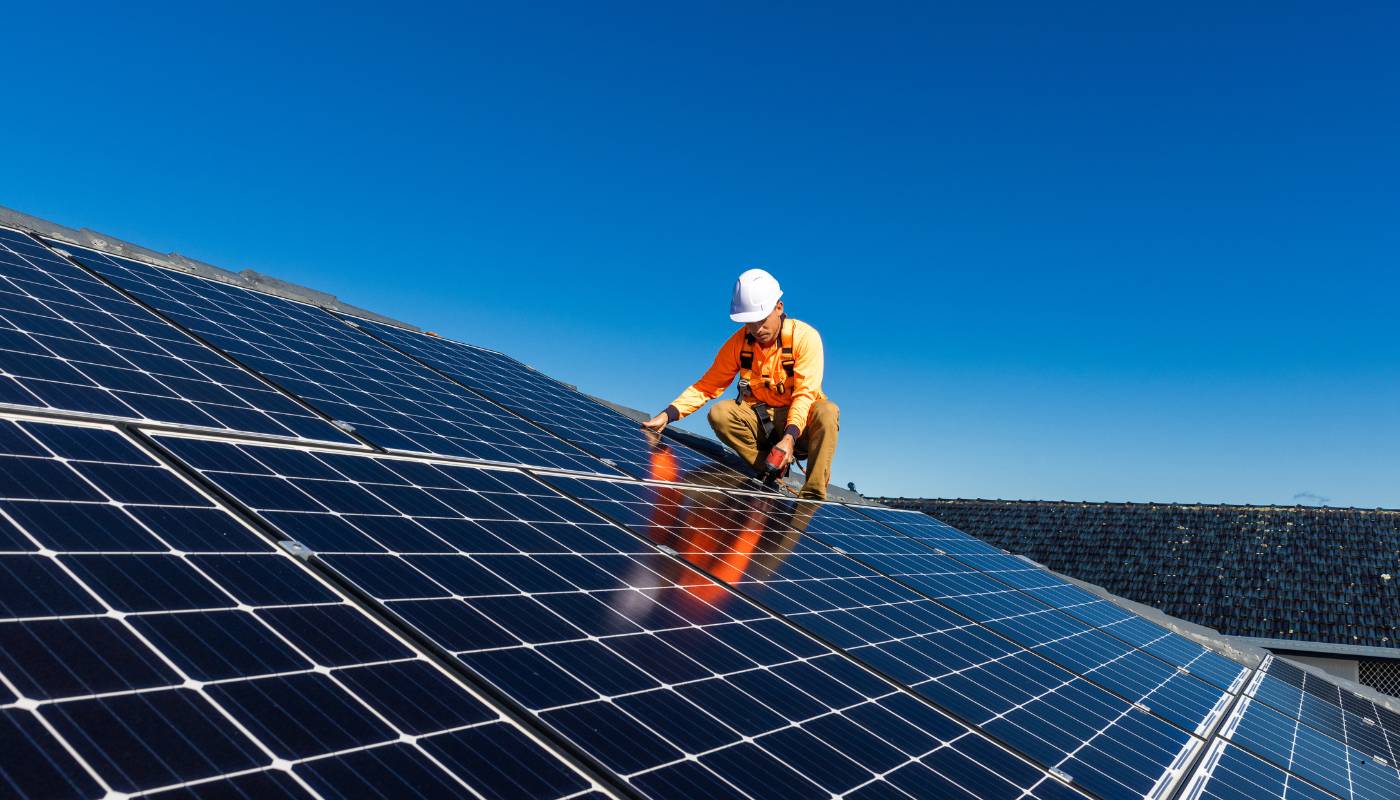
Shams Dubai Initiative: Shams Dubai is an initiative by the Dubai Electricity and Water Authority (DEWA) that aligns with the Dubai Clean Energy Strategy 2050. It promotes the installation of solar panels on buildings, with the goal of lowering energy use, decreasing DEWA bills, and protecting the environment by reducing greenhouse gas emissions.
Mohammed bin Rashid Al Maktoum Solar Park: Considered one of the largest solar power complexes in the world, the Mohammed bin Rashid Al Maktoum Solar Park is designed to generate 5,000 MW of power by 2030.
Water Conservation
Due to Dubai’s arid climate, infrequent rainfall, and general water scarcity, effective water conservation is a top priority. Real estate developers in the city are implementing smart water management strategies, such as:
Water-Saving Fixtures: They install efficient fixtures like low-flow showerheads and taps, as well as dual-flush toilets, to minimize water waste.
Rainwater Harvesting: They collect and store rainwater from various surfaces for use in daily operations.
What Is Waste Management?
Effective waste management is crucial for a healthy environment. Consequently, many real estate developers are prioritizing the integration of efficient disposal and recycling systems into their projects. A prime example is Dubai, which is committed to recycling materials with the goal of reusing 75% of all its construction waste.
Best Sustainable Construction Materials for Green Buildings
Real estate developers are now frequently choosing sustainable building materials like bamboo and recycled steel. These materials help cut down on carbon emissions, decrease energy usage, and offer long-term advantages.
Why Sustainable Property Development is the Future of Real Estate Investment
Here’s how environmentally conscious practices in real estate influence property investments:
1. Growing Demand
The demand for green communities in Dubai has been increasing dramatically. To cater to this demand, the real estate developers are incorporating sustainable technologies into most new real estate projects.
2. Increased Property Value
High demand translates to increased property value. Buyers and tenants look forward to sustainable properties and are willing to pay a premium price.
3. Lower Costs
By using energy-efficient solutions, sustainable buildings significantly reduce utility costs and contribute to long-term savings.
4. High Returns
Investors can enjoy high returns on sustainable properties, due to increased demand and lower utility costs.
5. Stands out Among Different Properties
Sustainable practices are a key differentiator in the real estate market. Most buyers and tenants prefer sustainable homes over their counterparts. With a growing number of eco-conscious buyers, sustainable properties are truly an impressive market in Dubai.
Frequently Asked Questions (FAQs)
Q1. What is sustainable real estate in Dubai?
Sustainable real estate refers to properties designed and built with eco-friendly practices such as energy efficiency, water conservation, renewable energy, and smart technologies to reduce environmental impact while improving living standards.
Q2. Does Dubai have green building regulations?
Yes. Dubai has introduced Green Building Regulations, the Estidama Pearl Rating System, and supports international standards like LEED Certification to ensure developments meet sustainability goals.
Q3. Are sustainable properties in Dubai more expensive?
Initially, sustainable properties may cost slightly more due to advanced technologies and eco-friendly materials, but they offer long-term savings on energy, water, and maintenance, making them cost-effective in the long run.
Q4. Which are the most sustainable communities in Dubai?
Some of Dubai’s top sustainable communities include:
The Sustainable City
Dubai Expo City
Masdar City (Abu Dhabi, close to Dubai influence)
Meydan One (planned sustainable features)
Q5. Why should investors consider green properties in Dubai?
Green properties offer higher ROI, stronger rental demand, and long-term asset appreciation as more buyers and tenants prefer eco-friendly living. They also align with Dubai’s sustainability vision, making them future-proof investments.
Q6. How do sustainable homes save money?
Sustainable homes lower utility costs by using solar panels, smart cooling, efficient lighting, and water recycling systems, helping residents save significantly over time.
Q7. What certifications should buyers look for in Dubai’s sustainable properties?
Buyers should look for properties with certifications such as:
LEED Certification (international standard)
Estidama Pearl Rating (local UAE system)
Dubai Green Building Regulations compliance
Q8. Is Dubai real estate moving towards net-zero carbon homes?
Yes. With the UAE Net Zero 2050 initiative, Dubai is actively encouraging net-zero energy buildings powered by renewable energy and advanced technology. Many upcoming developments are aligned with this vision.
Q9. Can foreign investors buy sustainable properties in Dubai?
Yes, expats can buy sustainable properties in freehold zones across Dubai, which include several eco-friendly and green-certified communities.
Q10. What is the future of sustainable real estate in Dubai?
The future includes smart cities, net-zero buildings, AI-driven energy management, and growing eco-conscious demand, positioning Dubai as a global leader in sustainable living.