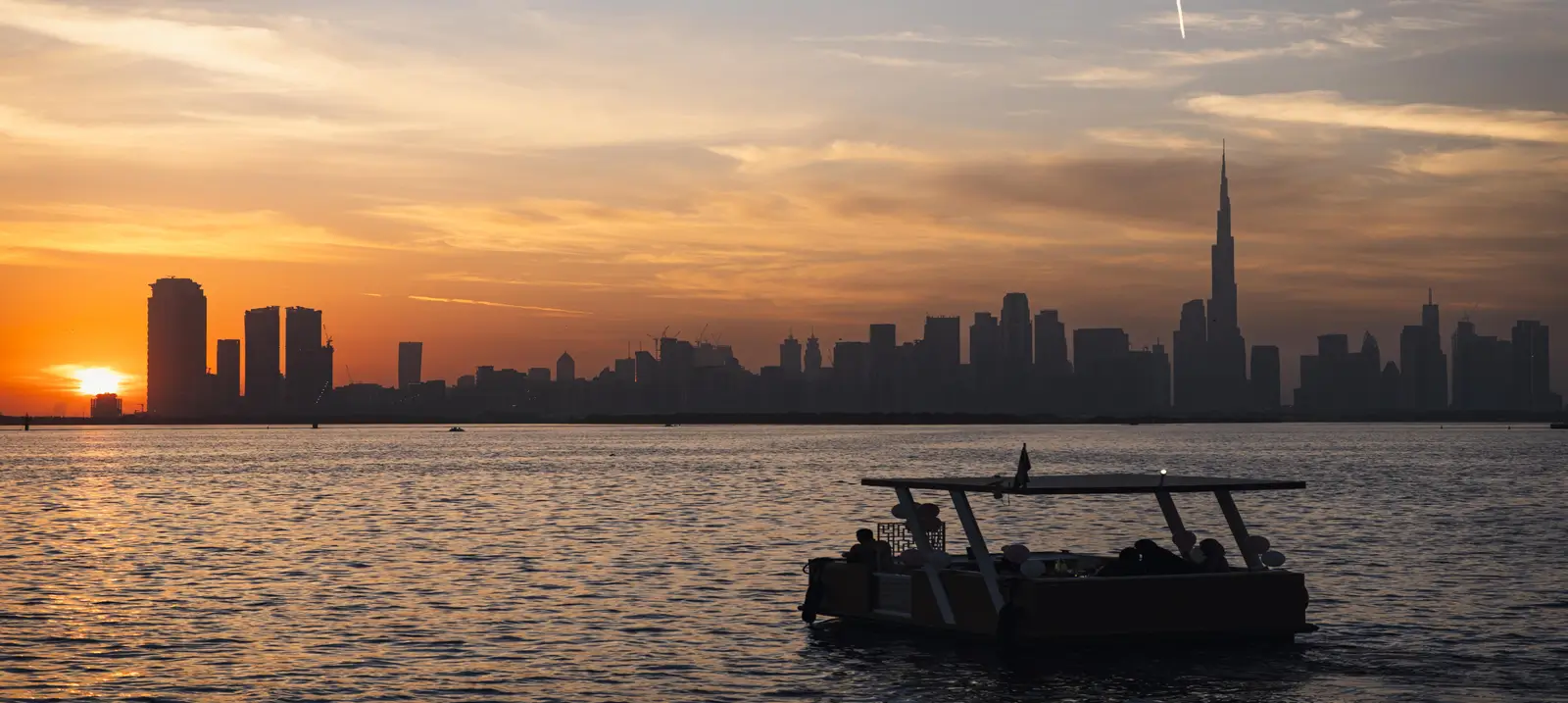
Best Business Communities in Dubai for Investment & High Growth Opportunities
Best Business Communities in Dubai for Investment & High Growth Opportunities
Dubai has established itself as one of the world’s leading business destinations, attracting entrepreneurs, multinational corporations, and investors from across the globe. Strategically positioned at the crossroads of Asia, Europe, and Africa, the emirate offers businesses unparalleled access to international markets, making it a preferred hub for trade, finance, technology, and innovation.
The city’s pro-business policies and forward-thinking government initiatives have played a significant role in its economic success. From streamlined business setup procedures to investor-friendly regulations, Dubai continues to create an environment that supports growth and long-term sustainability. Combined with world-class infrastructure, advanced transportation networks, and state-of-the-art commercial developments, the city provides businesses with the resources they need to thrive in a competitive global economy.
Another key advantage is Dubai’s diverse business ecosystem, which includes both free zones and mainland locations. While free zones cater to industry-specific sectors with specialised benefits, mainland business communities offer flexibility and direct access to the local market. Each district has its own strengths, serving different industries and business objectives.
Choosing the right business community is a crucial decision that can influence a company’s operational efficiency, networking opportunities, and future expansion. Whether you’re launching a startup, expanding an established enterprise, or exploring investment opportunities, understanding Dubai’s prime business communities can help you identify the ideal location to achieve your business goals.
Among the most sought-after commercial districts are Business Bay, Jumeirah Lake Towers (JLT), Dubai Silicon Oasis (DSO), Barsha Heights, and Dubai International Financial Centre (DIFC). These thriving business communities are recognised for their excellent connectivity, modern office spaces, and well-developed corporate ecosystems. Whether you’re launching a new venture or expanding an existing enterprise, understanding these key business hubs can help you choose the ideal location.
Why Business Communities Matter in Dubai
Dubai’s business communities are a key driver of the city’s economic growth, offering companies the ideal environment to establish, expand, and succeed. Designed to meet the needs of diverse industries, these commercial hubs combine strategic locations, modern infrastructure, and investment opportunities that appeal to businesses of all sizes.
One of the biggest advantages of Dubai’s business communities is their strategic connectivity. Many are located near major highways, international airports, and the city’s extensive metro network, ensuring seamless travel for employees, clients, and business partners. This accessibility strengthens trade links and supports efficient business operations.
Another defining feature is the presence of specialised industry clusters. Communities such as those focused on finance, technology, media, trading, and startups encourage collaboration and innovation by bringing like-minded businesses together. This ecosystem helps companies build valuable partnerships and access industry-specific resources.
Modern business infrastructure further enhances their appeal. Grade A office buildings, flexible coworking spaces, luxury hotels, retail centres, and nearby residential developments create a convenient work-life environment for professionals and organisations. Businesses can benefit from high-quality facilities while attracting top talent from around the world.
From an investment perspective, Dubai’s established business communities continue to demonstrate strong commercial potential. High occupancy rates, steady rental demand, and ongoing infrastructure development contribute to their long-term value. Whether for business operations or commercial real estate investment, choosing the right business community can provide a competitive advantage and support sustainable growth in Dubai’s dynamic economy.
Why Set Up Your Business in Dubai?
Dubai remains a preferred destination for businesses thanks to its strong commercial landscape and investor-friendly policies. Here are some of the key advantages:
- A steady stream of international companies establishing or expanding their regional presence.
- Access to premium commercial properties, including high-quality Grade A office spaces within specialised business districts.
- Flexible workspace solutions, from serviced offices to vibrant coworking spaces that cater to businesses of all sizes.
- Smart city infrastructure that enhances operational efficiency and everyday business activities.
The city’s leading business communities combine these benefits to create productive and future-ready work environments. In addition, many of these districts feature integrated live-work-play developments, offering professionals convenient access to residential, retail, dining, and leisure facilities in one location.
Curious about what makes Dubai’s top business communities stand out? Let’s start with one of the city’s most prominent commercial hubs.
BUSINESS BAY
Business Bay stands as one of Dubai’s leading business destinations, attracting local and international companies across various industries. Known for its modern infrastructure and dynamic commercial environment, the district features millions of square feet of premium office space spread across iconic towers such as O14, U-Bora Tower, Vision Tower, and The Prism. Its strategic location and mixed-use development make it a preferred choice for businesses and professionals alike.
Strategic Advantages
Business Bay enjoys a prime central location, offering seamless connectivity to key business and lifestyle destinations, including Downtown Dubai and DIFC. The district is strategically positioned between Sheikh Zayed Road (E11) and Al Khail Road (E44), ensuring convenient access to major parts of the city.
Beyond its commercial appeal, Business Bay offers a vibrant urban setting with high-rise office buildings, retail outlets, luxury hotels, residential developments, and a scenic waterfront promenade. This integrated environment creates an ideal workspace for companies while providing a comfortable lifestyle for employees and residents.
Commercial Property Options
Business Bay continues to rank among Dubai’s most sought-after commercial hubs, with strong demand for office spaces from investors and businesses. Market trends indicate consistent interest in both rental and ownership opportunities.
Commercial Market Overview:
- Average Rental Price: AED 222 per sq. ft.
- Average Sales Price: AED 2,907.15 per sq. ft.
- Average ROI: 7.63%
Businesses can choose from a wide range of office spaces, including fully furnished and unfurnished units designed to suit different operational requirements and budgets. Investors also have access to premium office properties available for purchase, making Business Bay an attractive long-term investment destination.
Residential Living Integration
One of Business Bay’s biggest advantages is its live-work lifestyle. Professionals employed in the district can find a variety of residential options within the same community, reducing daily commute times while enjoying easy access to modern amenities.
The residential market primarily consists of apartments, ranging from compact studios to spacious multi-bedroom penthouses. These properties cater to individuals, families, and investors looking for quality living spaces in a prime location.
Residential Property Trends
| Property Type | Average Annual Rent | Average Sale Price |
|---|---|---|
| Studio | AED 71,000 | AED 1,163,000 |
| 1-Bedroom | AED 102,000 | AED 1,861,000 |
| 2-Bedroom | AED 147,000 | AED 2,803,000 |
| 3-Bedroom | AED 207,000 | AED 5,003,000 |
Lifestyle Amenities
Business Bay offers a well-rounded lifestyle with a range of leisure and entertainment options. Residents and professionals can enjoy beautiful waterfront walkways, fine dining restaurants, trendy cafes, and easy access to world-class shopping and entertainment destinations, including Dubai Mall.
Why Choose Business Bay?
Business Bay is an excellent choice for professionals, entrepreneurs, and investors seeking a balanced urban lifestyle. Its combination of premium commercial spaces, quality residential properties, and exceptional connectivity makes it one of Dubai’s most desirable business communities. The availability of both furnished and unfurnished offices and homes provides flexibility for different lifestyle preferences and investment goals, while the community’s modern amenities enhance its long-term appeal.
JUMEIRAH LAKE TOWERS (JLT)
Jumeirah Lake Towers (JLT) is one of Dubai’s leading business destinations, attracting commodity traders, multinational corporations, startups, and expanding enterprises. Located within the Dubai Multi Commodities Centre (DMCC) free zone, JLT combines a vibrant commercial landscape with a relaxed waterfront setting, creating an ideal environment for businesses and professionals alike.
The district is home to several prominent commercial developments, including Mazaya Business Avenue, Jumeirah Business Centre, and Jumeirah Bay X3. With modern office spaces and excellent amenities, JLT has become a preferred location for companies seeking a strategic business address in Dubai.
Strategic Advantages
JLT offers a range of benefits that make it a highly attractive business hub for local and international investors.
- As part of the DMCC free zone, businesses can enjoy 100% foreign ownership along with attractive tax advantages.
- The community features beautifully designed lakes, landscaped walkways, and pedestrian-friendly spaces, providing a refreshing work environment.
- Excellent connectivity is another key advantage, with easy access to the rest of Dubai through the Sobha Realty and DMCC Metro Stations, as well as major road networks.
Commercial Property Options
Jumeirah Lake Towers is among Dubai’s most sought-after locations for commercial real estate investment. The area consistently ranks as one of the city’s top commercial districts, offering a wide range of office spaces suitable for businesses of all sizes.
The current commercial property trends in JLT include:
- Average Office Rental Rate: AED 197.68 per sq. ft.
- Average Office Sale Price: AED 2,496.73 per sq. ft.
- Average Return on Investment (ROI): 7.91%
These competitive figures make JLT an attractive choice for both investors and businesses looking to establish a long-term presence in Dubai.
Residential Living Integration
In addition to its commercial appeal, JLT is a thriving mixed-use community that offers a variety of residential properties. The area primarily consists of modern apartments ranging from studio units to spacious four-bedroom residences, making it suitable for different lifestyles and budgets.
Residential Property Trends
| Property Type | Average Annual Rent | Average Sale Price |
|---|---|---|
| Studio | AED 64,000 | AED 855,000 |
| 1-Bedroom | AED 91,000 | AED 1,477,000 |
| 2-Bedroom | AED 146,000 | AED 2,587,000 |
| 3-Bedroom | AED 189,000 | AED 3,745,000 |
Lifestyle Benefits
JLT offers a balanced urban lifestyle with a combination of affordability, convenience, and recreational opportunities. Residents and professionals can enjoy waterfront promenades, dining venues, retail outlets, fitness facilities, and green spaces, all within a well-planned community.
Ideal For
Jumeirah Lake Towers is particularly well-suited for:
- Young professionals
- Entrepreneurs and business owners
- Expatriate families and individuals
- Pet owners seeking a community-friendly environment
With its strong business ecosystem, quality residential offerings, and excellent connectivity, JLT continues to stand out as one of Dubai’s most desirable destinations for both commercial investment and modern city living.
DUBAI SILICON OASIS (DSO)
Dubai Silicon Oasis (DSO) is one of the most sought-after destinations for business setup in Dubai, particularly for companies operating in the technology and innovation sectors. Developed as a leading technology park, DSO promotes digital transformation, advanced engineering and cutting-edge hardware development. Its modern infrastructure and business-friendly environment make it a preferred choice for startups, SMEs and established enterprises looking for flexible office solutions.
The district is home to several well-known commercial developments, including SIT Tower, La Solarium and Palace Towers, offering a variety of office spaces designed to meet diverse business needs.
STRATEGIC ADVANTAGES
- Dubai Silicon Oasis is specifically designed to support businesses involved in technology, robotics, artificial intelligence and advanced engineering.
- Companies established in DSO benefit from attractive free zone incentives, including 100% foreign ownership and a business-friendly regulatory framework.
- The community combines commercial, residential and recreational facilities, creating a well-planned environment where businesses and residents can thrive together.
COMMERCIAL PROPERTY OPTIONS
Businesses looking to establish their presence in DSO can choose from a wide range of office spaces available for lease. The area offers modern commercial properties with flexible layouts suitable for startups as well as large enterprises.
Current office market trends in DSO include:
- Average Rental Rate: AED 113.21 per sq. ft.
- Average Sale Price: AED 1,261.58 per sq. ft.
- Average ROI: 8.97%
These competitive rates and attractive returns make DSO a promising destination for both business owners and commercial property investors.
RESIDENTIAL LIVING INTEGRATION
In addition to its commercial appeal, Dubai Silicon Oasis provides a vibrant residential community with a range of housing options. Residents can choose from studio apartments, one to three-bedroom apartments, as well as spacious villas and townhouses.
| Property Type | Average Rental Price | Average Sale Price |
|---|---|---|
| Studio | AED 48,000 | AED 592,000 |
| 1-Bedroom | AED 67,000 | AED 915,000 |
| 2-Bedroom | AED 98,000 | AED 1,588,000 |
| 3-Bedroom | AED 158,000 | AED 2,374,000 |
LIFESTYLE AMENITIES
Dubai Silicon Oasis offers a well-rounded lifestyle with access to quality schools, nurseries, shopping outlets, supermarkets and a wide selection of restaurants and cafés. The community is designed to provide convenience for both working professionals and families.
WHY DUBAI SILICON OASIS STANDS OUT
One of DSO’s biggest strengths is its fully integrated “city within a city” concept. By combining business hubs, residential communities and lifestyle amenities in a single location, it creates an attractive environment for entrepreneurs, professionals and investors seeking a balanced and connected way of living.
BARSHA HEIGHTS (TECOM)
Previously known as Tecom, Barsha Heights has transformed into one of Dubai’s most sought-after destinations for commercial real estate. The community has developed into a dynamic business hub, attracting SMEs, technology startups, and digital media companies looking for modern office spaces in a well-connected location. The area is characterised by a mix of low and mid-rise commercial towers, including prominent developments such as DAMAC Executive Heights.
Strategic Advantages
Barsha Heights enjoys a prime location with direct access to Sheikh Zayed Road (E11), making travel to key business districts across Dubai quick and convenient.
The community is particularly popular for its flexible workspaces and innovation-driven business environment, making it an excellent choice for technology firms, creative agencies, and media enterprises.
Compared to some of Dubai’s older commercial districts, Barsha Heights offers a more modern and cost-effective investment opportunity with strong rental demand and attractive returns.
Commercial Property Options
As one of Dubai’s rapidly growing business communities, Barsha Heights offers a wide selection of commercial properties, including offices for rent and office spaces available for purchase. Its strategic location and business-friendly environment continue to attract both investors and corporate tenants.
- Average Rental Price: AED 286.88 per sq. ft.
- Average Sales Price: AED 2,448.52 per sq. ft.
- Average ROI: 11.71%
Residential Property Market
In addition to its thriving commercial sector, Barsha Heights offers a range of affordable residential options, including studios, apartments, and spacious penthouses. The community appeals to both residents and investors due to its competitive pricing and central location.
| Property Type | Average Rental Price | Average Sale Price |
|---|---|---|
| Studio | AED 53,000 | AED 883,000 |
| 1-Bedroom | AED 81,000 | AED 1,143,000 |
| 2-Bedroom | AED 122,000 | AED 1,844,000 |
| 3-Bedroom | AED 156,000 | AED 3,378,000 |
Lifestyle Amenities
Barsha Heights provides residents and professionals with easy access to a variety of everyday conveniences. The community is close to educational institutions, hotels, shopping centres, restaurants, healthcare facilities, and popular entertainment venues, creating a comfortable and well-rounded lifestyle.
Why Choose Barsha Heights?
Barsha Heights stands out for its combination of affordability, excellent connectivity, and vibrant urban atmosphere. Whether you’re a business owner searching for office space, an investor seeking high rental yields, or a resident looking for a centrally located community, Barsha Heights offers an attractive mix of commercial and residential opportunities in the heart of Dubai.
DUBAI INTERNATIONAL FINANCIAL CENTRE (DIFC)
The Dubai International Financial Centre (DIFC) ranks among the most prestigious business districts in Dubai. Established as an independent financial free zone, DIFC has evolved into a leading global hub for financial institutions, investment firms, fintech companies, and multinational corporations. The district is home to several iconic commercial landmarks, including Emirates Financial Towers, Currency House, and The Gate, making it a preferred destination for businesses seeking a premium corporate address.
Strategic Advantages
DIFC offers a range of benefits that make it one of Dubai’s most attractive locations for businesses and investors:
- Operates under an independent legal and regulatory framework, separate from the UAE mainland judicial system, with oversight by the Dubai Financial Services Authority (DFSA).
- Features world-class office spaces, premium infrastructure, and a vibrant business environment complemented by luxury retail and lifestyle amenities.
- Enjoys excellent connectivity through the Financial Centre Metro Station on Dubai Metro’s Red Line, providing easy access to key areas across the city.
Commercial Property Options
DIFC stands out for its premium commercial real estate, offering high-quality office spaces designed to meet the needs of global enterprises and financial institutions. Its strong market demand and prestigious reputation contribute to some of the highest commercial property values in Dubai. Businesses and investors can explore a wide range of offices for rent and offices for sale in DIFC.
- Average Rental Price: AED 649.27 per sq. ft.
- Average Sales Price: AED 6,373.57 per sq. ft.
- Return on Investment (ROI): 10.18%
Residential Property Options
In addition to its thriving business environment, DIFC offers an exclusive collection of luxury residential developments. These properties are particularly appealing to professionals and executives who prefer living close to their workplaces while enjoying a premium urban lifestyle.
| Property Type | Average Rental Price | Average Sales Price |
|---|---|---|
| Studio | AED 87,000 | AED 1,587,000 |
| 1-Bedroom | AED 130,000 | AED 2,748,000 |
| 2-Bedroom | AED 208,000 | AED 4,169,000 |
| 3-Bedroom | AED 376,000 | AED 9,267,000 |
Lifestyle Benefits
Living in DIFC offers a unique blend of convenience and luxury. Residents can enjoy a short walk to their offices, access a variety of upscale shopping and entertainment venues, and dine at some of Dubai’s most celebrated restaurants. The area’s vibrant atmosphere makes it an ideal destination for those seeking a sophisticated city lifestyle.
Ideal For
DIFC is particularly well-suited for:
- Financial and banking professionals
- Corporate executives
- Entrepreneurs and business leaders
- High-net-worth individuals looking for luxury living in a prime business district
With its exceptional infrastructure, premium real estate options, and strategic location, Dubai International Financial Centre continues to be one of the top choices for both businesses and residents seeking a prestigious address in Dubai.
FAQs
1.What are the best business communities in Dubai?
Some of the best business communities in Dubai include Business Bay, Dubai Marina, Jumeirah Lake Towers (JLT), and Dubai Silicon Oasis, known for their strong infrastructure and investment potential.
2. Why should I invest in Dubai’s business communities?
Dubai offers tax benefits, world-class infrastructure, strategic global location, and high ROI opportunities, making it ideal for business investments.
3. Which Dubai business area offers the highest ROI?
Areas like Business Bay and Downtown Dubai are known for high ROI due to their prime location and strong demand for commercial properties.
4. Are Dubai business communities suitable for startups?
Yes, many areas like Dubai Silicon Oasis and JLT are startup-friendly with affordable office spaces and supportive business environments.
5. How to choose the right business community in Dubai?
Consider factors like budget, target audience, business type, connectivity, and future growth potential before selecting a location.
6. Is Dubai a good place for foreign investors?
Yes, Dubai allows 100% foreign ownership in many sectors and provides a business-friendly regulatory environment.
7. What types of businesses can be set up in Dubai communities?
You can establish various businesses including real estate, IT, trading, consulting, and e-commerce depending on the zone and license type.
8. Do Dubai business communities offer flexible office spaces?
Yes, many communities provide co-working spaces, serviced offices, and flexible leasing options for businesses of all sizes.