Best Business Communities in Dubai for Investment & High Growth Opportunities

Best Business Communities in Dubai for Investment & High Growth Opportunities
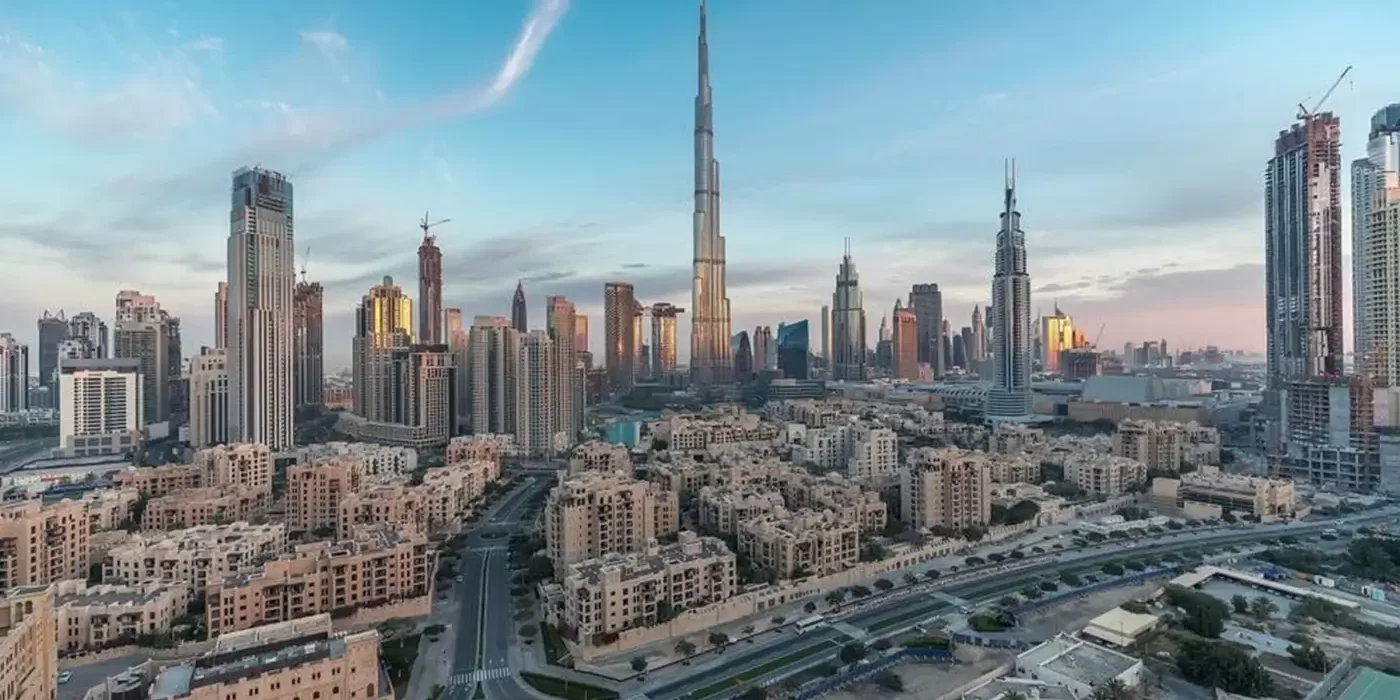
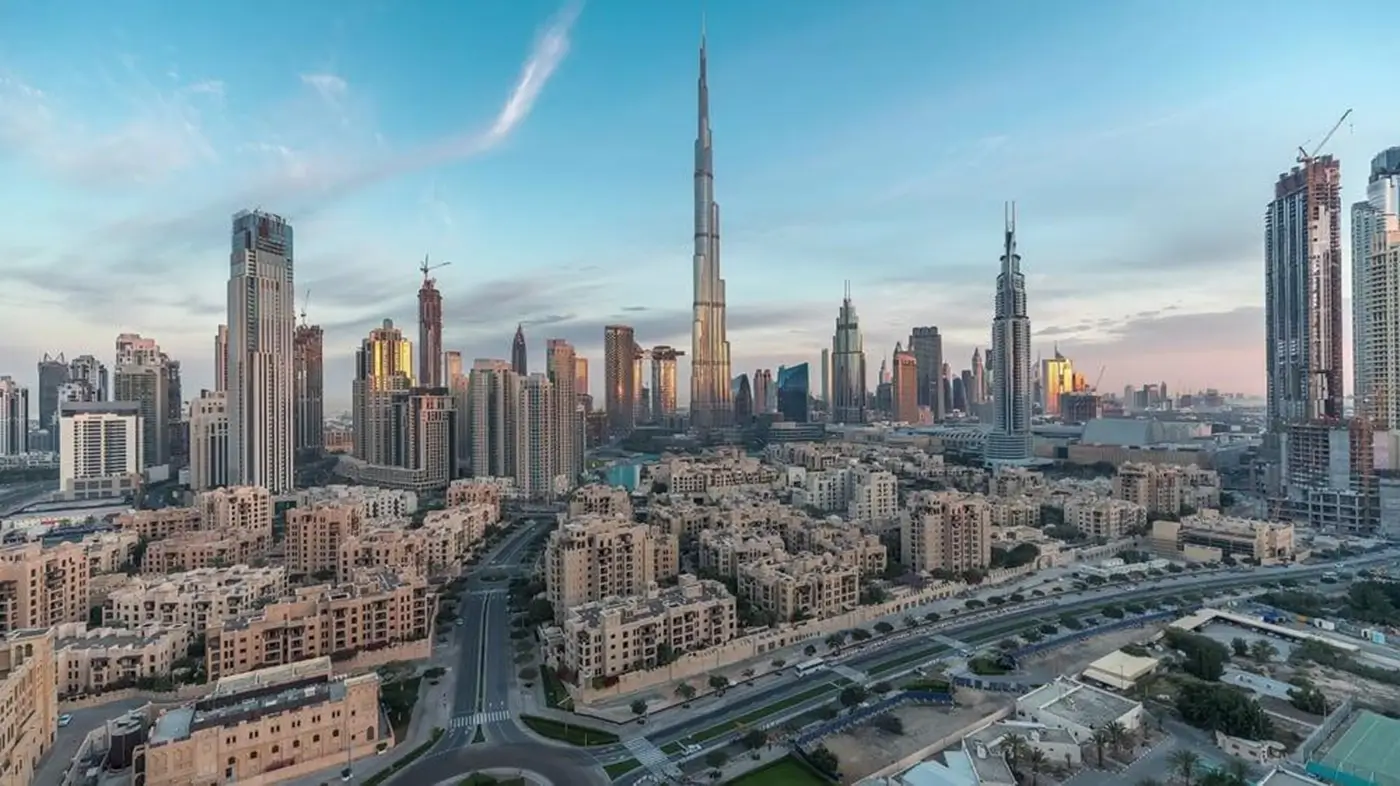
Dubai has established itself as one of the world’s leading business destinations, attracting entrepreneurs, multinational corporations, and investors from across the globe. Strategically positioned at the crossroads of Asia, Europe, and Africa, the emirate offers businesses unparalleled access to international markets, making it a preferred hub for trade, finance, technology, and innovation.

The city’s pro-business policies and forward-thinking government initiatives have played a significant role in its economic success. From streamlined business setup procedures to investor-friendly regulations, Dubai continues to create an environment that supports growth and long-term sustainability. Combined with world-class infrastructure, advanced transportation networks, and state-of-the-art commercial developments, the city provides businesses with the resources they need to thrive in a competitive global economy.

Another key advantage is Dubai’s diverse business ecosystem, which includes both free zones and mainland locations. While free zones cater to industry-specific sectors with specialised benefits, mainland business communities offer flexibility and direct access to the local market. Each district has its own strengths, serving different industries and business objectives.

Choosing the right business community is a crucial decision that can influence a company’s operational efficiency, networking opportunities, and future expansion. Whether you’re launching a startup, expanding an established enterprise, or exploring investment opportunities, understanding Dubai’s prime business communities can help you identify the ideal location to achieve your business goals.

Among the most sought-after commercial districts are Business Bay, Jumeirah Lake Towers (JLT), Dubai Silicon Oasis (DSO), Barsha Heights, and Dubai International Financial Centre (DIFC). These thriving business communities are recognised for their excellent connectivity, modern office spaces, and well-developed corporate ecosystems. Whether you’re launching a new venture or expanding an existing enterprise, understanding these key business hubs can help you choose the ideal location.

Why Business Communities Matter in Dubai

Dubai’s business communities are a key driver of the city’s economic growth, offering companies the ideal environment to establish, expand, and succeed. Designed to meet the needs of diverse industries, these commercial hubs combine strategic locations, modern infrastructure, and investment opportunities that appeal to businesses of all sizes.

One of the biggest advantages of Dubai’s business communities is their strategic connectivity. Many are located near major highways, international airports, and the city’s extensive metro network, ensuring seamless travel for employees, clients, and business partners. This accessibility strengthens trade links and supports efficient business operations.

Another defining feature is the presence of specialised industry clusters. Communities such as those focused on finance, technology, media, trading, and startups encourage collaboration and innovation by bringing like-minded businesses together. This ecosystem helps companies build valuable partnerships and access industry-specific resources.

Modern business infrastructure further enhances their appeal. Grade A office buildings, flexible coworking spaces, luxury hotels, retail centres, and nearby residential developments create a convenient work-life environment for professionals and organisations. Businesses can benefit from high-quality facilities while attracting top talent from around the world.

From an investment perspective, Dubai’s established business communities continue to demonstrate strong commercial potential. High occupancy rates, steady rental demand, and ongoing infrastructure development contribute to their long-term value. Whether for business operations or commercial real estate investment, choosing the right business community can provide a competitive advantage and support sustainable growth in Dubai’s dynamic economy.

Why Set Up Your Business in Dubai?

Dubai remains a preferred destination for businesses thanks to its strong commercial landscape and investor-friendly policies. Here are some of the key advantages:

  • A steady stream of international companies establishing or expanding their regional presence.
  • Access to premium commercial properties, including high-quality Grade A office spaces within specialised business districts.
  • Flexible workspace solutions, from serviced offices to vibrant coworking spaces that cater to businesses of all sizes.
  • Smart city infrastructure that enhances operational efficiency and everyday business activities.

The city’s leading business communities combine these benefits to create productive and future-ready work environments. In addition, many of these districts feature integrated live-work-play developments, offering professionals convenient access to residential, retail, dining, and leisure facilities in one location.

Curious about what makes Dubai’s top business communities stand out? Let’s start with one of the city’s most prominent commercial hubs.

BUSINESS BAY

Business Bay stands as one of Dubai’s leading business destinations, attracting local and international companies across various industries. Known for its modern infrastructure and dynamic commercial environment, the district features millions of square feet of premium office space spread across iconic towers such as O14, U-Bora Tower, Vision Tower, and The Prism. Its strategic location and mixed-use development make it a preferred choice for businesses and professionals alike.

Strategic Advantages

Business Bay enjoys a prime central location, offering seamless connectivity to key business and lifestyle destinations, including Downtown Dubai and DIFC. The district is strategically positioned between Sheikh Zayed Road (E11) and Al Khail Road (E44), ensuring convenient access to major parts of the city.

Beyond its commercial appeal, Business Bay offers a vibrant urban setting with high-rise office buildings, retail outlets, luxury hotels, residential developments, and a scenic waterfront promenade. This integrated environment creates an ideal workspace for companies while providing a comfortable lifestyle for employees and residents.

Commercial Property Options

Business Bay continues to rank among Dubai’s most sought-after commercial hubs, with strong demand for office spaces from investors and businesses. Market trends indicate consistent interest in both rental and ownership opportunities.

Commercial Market Overview:

  • Average Rental Price: AED 222 per sq. ft.
  • Average Sales Price: AED 2,907.15 per sq. ft.
  • Average ROI: 7.63%

Businesses can choose from a wide range of office spaces, including fully furnished and unfurnished units designed to suit different operational requirements and budgets. Investors also have access to premium office properties available for purchase, making Business Bay an attractive long-term investment destination.

Residential Living Integration

One of Business Bay’s biggest advantages is its live-work lifestyle. Professionals employed in the district can find a variety of residential options within the same community, reducing daily commute times while enjoying easy access to modern amenities.

The residential market primarily consists of apartments, ranging from compact studios to spacious multi-bedroom penthouses. These properties cater to individuals, families, and investors looking for quality living spaces in a prime location.

Residential Property Trends

Property TypeAverage Annual RentAverage Sale Price
StudioAED 71,000AED 1,163,000
1-BedroomAED 102,000AED 1,861,000
2-BedroomAED 147,000AED 2,803,000
3-BedroomAED 207,000AED 5,003,000

Lifestyle Amenities

Business Bay offers a well-rounded lifestyle with a range of leisure and entertainment options. Residents and professionals can enjoy beautiful waterfront walkways, fine dining restaurants, trendy cafes, and easy access to world-class shopping and entertainment destinations, including Dubai Mall.

Why Choose Business Bay?

Business Bay is an excellent choice for professionals, entrepreneurs, and investors seeking a balanced urban lifestyle. Its combination of premium commercial spaces, quality residential properties, and exceptional connectivity makes it one of Dubai’s most desirable business communities. The availability of both furnished and unfurnished offices and homes provides flexibility for different lifestyle preferences and investment goals, while the community’s modern amenities enhance its long-term appeal.

JUMEIRAH LAKE TOWERS (JLT)

Jumeirah Lake Towers (JLT) is one of Dubai’s leading business destinations, attracting commodity traders, multinational corporations, startups, and expanding enterprises. Located within the Dubai Multi Commodities Centre (DMCC) free zone, JLT combines a vibrant commercial landscape with a relaxed waterfront setting, creating an ideal environment for businesses and professionals alike.

The district is home to several prominent commercial developments, including Mazaya Business Avenue, Jumeirah Business Centre, and Jumeirah Bay X3. With modern office spaces and excellent amenities, JLT has become a preferred location for companies seeking a strategic business address in Dubai.

Strategic Advantages

JLT offers a range of benefits that make it a highly attractive business hub for local and international investors.

  • As part of the DMCC free zone, businesses can enjoy 100% foreign ownership along with attractive tax advantages.
  • The community features beautifully designed lakes, landscaped walkways, and pedestrian-friendly spaces, providing a refreshing work environment.
  • Excellent connectivity is another key advantage, with easy access to the rest of Dubai through the Sobha Realty and DMCC Metro Stations, as well as major road networks.

Commercial Property Options

Jumeirah Lake Towers is among Dubai’s most sought-after locations for commercial real estate investment. The area consistently ranks as one of the city’s top commercial districts, offering a wide range of office spaces suitable for businesses of all sizes.

The current commercial property trends in JLT include:

  • Average Office Rental Rate: AED 197.68 per sq. ft.
  • Average Office Sale Price: AED 2,496.73 per sq. ft.
  • Average Return on Investment (ROI): 7.91%

These competitive figures make JLT an attractive choice for both investors and businesses looking to establish a long-term presence in Dubai.

Residential Living Integration

In addition to its commercial appeal, JLT is a thriving mixed-use community that offers a variety of residential properties. The area primarily consists of modern apartments ranging from studio units to spacious four-bedroom residences, making it suitable for different lifestyles and budgets.

Residential Property Trends

Property TypeAverage Annual RentAverage Sale Price
StudioAED 64,000AED 855,000
1-BedroomAED 91,000AED 1,477,000
2-BedroomAED 146,000AED 2,587,000
3-BedroomAED 189,000AED 3,745,000

Lifestyle Benefits

JLT offers a balanced urban lifestyle with a combination of affordability, convenience, and recreational opportunities. Residents and professionals can enjoy waterfront promenades, dining venues, retail outlets, fitness facilities, and green spaces, all within a well-planned community.

Ideal For

Jumeirah Lake Towers is particularly well-suited for:

  • Young professionals
  • Entrepreneurs and business owners
  • Expatriate families and individuals
  • Pet owners seeking a community-friendly environment

With its strong business ecosystem, quality residential offerings, and excellent connectivity, JLT continues to stand out as one of Dubai’s most desirable destinations for both commercial investment and modern city living.

DUBAI SILICON OASIS (DSO)

Dubai Silicon Oasis (DSO) is one of the most sought-after destinations for business setup in Dubai, particularly for companies operating in the technology and innovation sectors. Developed as a leading technology park, DSO promotes digital transformation, advanced engineering and cutting-edge hardware development. Its modern infrastructure and business-friendly environment make it a preferred choice for startups, SMEs and established enterprises looking for flexible office solutions.

The district is home to several well-known commercial developments, including SIT Tower, La Solarium and Palace Towers, offering a variety of office spaces designed to meet diverse business needs.

STRATEGIC ADVANTAGES

  • Dubai Silicon Oasis is specifically designed to support businesses involved in technology, robotics, artificial intelligence and advanced engineering.
  • Companies established in DSO benefit from attractive free zone incentives, including 100% foreign ownership and a business-friendly regulatory framework.
  • The community combines commercial, residential and recreational facilities, creating a well-planned environment where businesses and residents can thrive together.

COMMERCIAL PROPERTY OPTIONS

Businesses looking to establish their presence in DSO can choose from a wide range of office spaces available for lease. The area offers modern commercial properties with flexible layouts suitable for startups as well as large enterprises.

Current office market trends in DSO include:

  • Average Rental Rate: AED 113.21 per sq. ft.
  • Average Sale Price: AED 1,261.58 per sq. ft.
  • Average ROI: 8.97%

These competitive rates and attractive returns make DSO a promising destination for both business owners and commercial property investors.

RESIDENTIAL LIVING INTEGRATION

In addition to its commercial appeal, Dubai Silicon Oasis provides a vibrant residential community with a range of housing options. Residents can choose from studio apartments, one to three-bedroom apartments, as well as spacious villas and townhouses.

Property TypeAverage Rental PriceAverage Sale Price
StudioAED 48,000AED 592,000
1-BedroomAED 67,000AED 915,000
2-BedroomAED 98,000AED 1,588,000
3-BedroomAED 158,000AED 2,374,000

LIFESTYLE AMENITIES
Dubai Silicon Oasis offers a well-rounded lifestyle with access to quality schools, nurseries, shopping outlets, supermarkets and a wide selection of restaurants and cafés. The community is designed to provide convenience for both working professionals and families.

WHY DUBAI SILICON OASIS STANDS OUT

One of DSO’s biggest strengths is its fully integrated “city within a city” concept. By combining business hubs, residential communities and lifestyle amenities in a single location, it creates an attractive environment for entrepreneurs, professionals and investors seeking a balanced and connected way of living.

BARSHA HEIGHTS (TECOM)

Previously known as Tecom, Barsha Heights has transformed into one of Dubai’s most sought-after destinations for commercial real estate. The community has developed into a dynamic business hub, attracting SMEs, technology startups, and digital media companies looking for modern office spaces in a well-connected location. The area is characterised by a mix of low and mid-rise commercial towers, including prominent developments such as DAMAC Executive Heights.

Strategic Advantages

Barsha Heights enjoys a prime location with direct access to Sheikh Zayed Road (E11), making travel to key business districts across Dubai quick and convenient.

The community is particularly popular for its flexible workspaces and innovation-driven business environment, making it an excellent choice for technology firms, creative agencies, and media enterprises.

Compared to some of Dubai’s older commercial districts, Barsha Heights offers a more modern and cost-effective investment opportunity with strong rental demand and attractive returns.

Commercial Property Options

As one of Dubai’s rapidly growing business communities, Barsha Heights offers a wide selection of commercial properties, including offices for rent and office spaces available for purchase. Its strategic location and business-friendly environment continue to attract both investors and corporate tenants.

  • Average Rental Price: AED 286.88 per sq. ft.
  • Average Sales Price: AED 2,448.52 per sq. ft.
  • Average ROI: 11.71%

Residential Property Market

In addition to its thriving commercial sector, Barsha Heights offers a range of affordable residential options, including studios, apartments, and spacious penthouses. The community appeals to both residents and investors due to its competitive pricing and central location.

Property TypeAverage Rental PriceAverage Sale Price
StudioAED 53,000AED 883,000
1-BedroomAED 81,000AED 1,143,000
2-BedroomAED 122,000AED 1,844,000
3-BedroomAED 156,000AED 3,378,000

Lifestyle Amenities

Barsha Heights provides residents and professionals with easy access to a variety of everyday conveniences. The community is close to educational institutions, hotels, shopping centres, restaurants, healthcare facilities, and popular entertainment venues, creating a comfortable and well-rounded lifestyle.

Why Choose Barsha Heights?

Barsha Heights stands out for its combination of affordability, excellent connectivity, and vibrant urban atmosphere. Whether you’re a business owner searching for office space, an investor seeking high rental yields, or a resident looking for a centrally located community, Barsha Heights offers an attractive mix of commercial and residential opportunities in the heart of Dubai.

DUBAI INTERNATIONAL FINANCIAL CENTRE (DIFC)

The Dubai International Financial Centre (DIFC) ranks among the most prestigious business districts in Dubai. Established as an independent financial free zone, DIFC has evolved into a leading global hub for financial institutions, investment firms, fintech companies, and multinational corporations. The district is home to several iconic commercial landmarks, including Emirates Financial Towers, Currency House, and The Gate, making it a preferred destination for businesses seeking a premium corporate address.

Strategic Advantages

DIFC offers a range of benefits that make it one of Dubai’s most attractive locations for businesses and investors:

  • Operates under an independent legal and regulatory framework, separate from the UAE mainland judicial system, with oversight by the Dubai Financial Services Authority (DFSA).
  • Features world-class office spaces, premium infrastructure, and a vibrant business environment complemented by luxury retail and lifestyle amenities.
  • Enjoys excellent connectivity through the Financial Centre Metro Station on Dubai Metro’s Red Line, providing easy access to key areas across the city.

Commercial Property Options

DIFC stands out for its premium commercial real estate, offering high-quality office spaces designed to meet the needs of global enterprises and financial institutions. Its strong market demand and prestigious reputation contribute to some of the highest commercial property values in Dubai. Businesses and investors can explore a wide range of offices for rent and offices for sale in DIFC.

  • Average Rental Price: AED 649.27 per sq. ft.
  • Average Sales Price: AED 6,373.57 per sq. ft.
  • Return on Investment (ROI): 10.18%

Residential Property Options

In addition to its thriving business environment, DIFC offers an exclusive collection of luxury residential developments. These properties are particularly appealing to professionals and executives who prefer living close to their workplaces while enjoying a premium urban lifestyle.

Property TypeAverage Rental PriceAverage Sales Price
StudioAED 87,000AED 1,587,000
1-BedroomAED 130,000AED 2,748,000
2-BedroomAED 208,000AED 4,169,000
3-BedroomAED 376,000AED 9,267,000

Lifestyle Benefits

Living in DIFC offers a unique blend of convenience and luxury. Residents can enjoy a short walk to their offices, access a variety of upscale shopping and entertainment venues, and dine at some of Dubai’s most celebrated restaurants. The area’s vibrant atmosphere makes it an ideal destination for those seeking a sophisticated city lifestyle.

Ideal For

DIFC is particularly well-suited for:

  • Financial and banking professionals
  • Corporate executives
  • Entrepreneurs and business leaders
  • High-net-worth individuals looking for luxury living in a prime business district

With its exceptional infrastructure, premium real estate options, and strategic location, Dubai International Financial Centre continues to be one of the top choices for both businesses and residents seeking a prestigious address in Dubai.

FAQs

1.What are the best business communities in Dubai?
Some of the best business communities in Dubai include Business Bay, Dubai Marina, Jumeirah Lake Towers (JLT), and Dubai Silicon Oasis, known for their strong infrastructure and investment potential.

2. Why should I invest in Dubai’s business communities?
Dubai offers tax benefits, world-class infrastructure, strategic global location, and high ROI opportunities, making it ideal for business investments.

3. Which Dubai business area offers the highest ROI?
Areas like Business Bay and Downtown Dubai are known for high ROI due to their prime location and strong demand for commercial properties.

4. Are Dubai business communities suitable for startups?
Yes, many areas like Dubai Silicon Oasis and JLT are startup-friendly with affordable office spaces and supportive business environments.

5. How to choose the right business community in Dubai?
Consider factors like budget, target audience, business type, connectivity, and future growth potential before selecting a location.

6. Is Dubai a good place for foreign investors?
Yes, Dubai allows 100% foreign ownership in many sectors and provides a business-friendly regulatory environment.

7. What types of businesses can be set up in Dubai communities?
You can establish various businesses including real estate, IT, trading, consulting, and e-commerce depending on the zone and license type.

8. Do Dubai business communities offer flexible office spaces?
Yes, many communities provide co-working spaces, serviced offices, and flexible leasing options for businesses of all sizes.
JVC vs JVT Dubai Which is Better for Families in 2026 Complete Guide

JVC vs JVT Dubai Which is Better for Families in 2026 Complete Guide

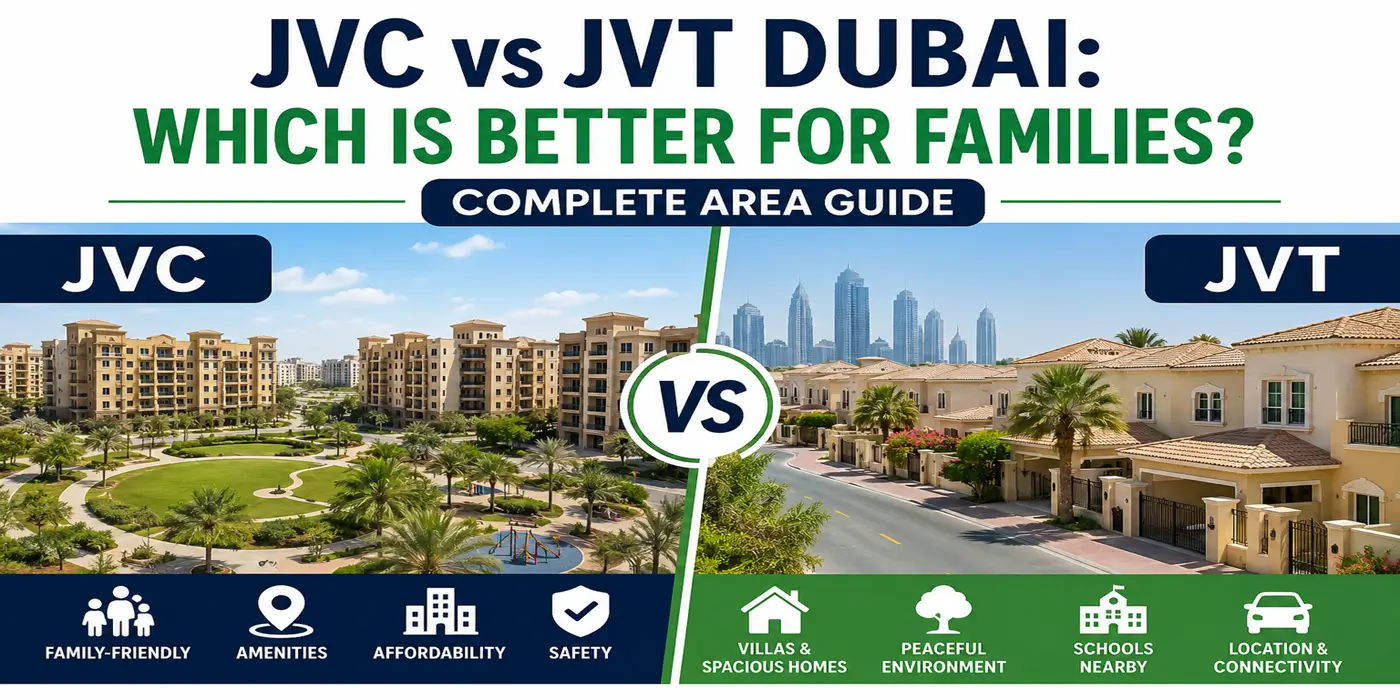
Choosing between Jumeirah Village Circle (JVC) and Jumeirah Village Triangle (JVT) is a common dilemma for families planning to move within Dubai or settle in the city for the first time. Developed by Nakheel, both master-planned communities have earned a strong reputation for offering modern amenities, family-friendly environments, and convenient connectivity. Despite these similarities, each neighborhood provides a distinct living experience that caters to different lifestyles and long-term family needs.

For families, factors such as access to quality schools, community layout, property options, green spaces, and overall atmosphere play a significant role in the decision-making process. While one community offers a vibrant urban setting with a wide range of housing choices, the other focuses on spacious living and a quieter residential environment.

This guide explores the key differences between JVC and JVT, helping families understand what each neighborhood has to offer. From lifestyle and accessibility to the everyday conveniences available, you’ll gain valuable insights to determine which community best matches your family’s preferences and future goals.

JVC vs. JVT: A Quick Look at Their Lifestyle Appeal

Located next to each other in New Dubai, JVC and JVT enjoy strategic positions near two of the city’s major highways, E44 (Al Khail Road) and E311 (Sheikh Mohammed Bin Zayed Road). Their prime locations provide residents with convenient access to popular business districts, shopping destinations, and entertainment hubs across Dubai.

Although both communities are well-connected, JVC generally offers slightly quicker access to several central areas of the city, making daily commuting more convenient for many residents.

The two neighborhoods, however, were designed with different lifestyle concepts in mind:

  • JVC (Jumeirah Village Circle) is a vibrant, high-density mixed-use community featuring apartments, townhouses, and villas. Its diverse property portfolio and active atmosphere make it attractive to families seeking convenience and a dynamic urban lifestyle.
  • JVT (Jumeirah Village Triangle) offers a lower-density residential setting with a stronger emphasis on spacious villas and townhouses. The community is known for its peaceful surroundings, landscaped streets, and relaxed environment, making it an appealing option for families looking for greater privacy and tranquility.

Understanding these distinct planning philosophies can help families choose the community that best aligns with their lifestyle preferences and long-term living requirements.

A Comprehensive Comparison of Lifestyle Communities

JVC – Affordable Living with Modern Family Convenience

Recognized as one of Dubai’s most dynamic residential neighborhoods, JVC offers a balanced lifestyle that combines affordability with everyday convenience. The community features a pedestrian-friendly layout, complemented by popular retail destinations such as Circle Mall, along with a wide selection of cafés, fitness centers, and essential lifestyle amenities.

Key Lifestyle Highlights

Wide Variety of Homes for Different Needs:
JVC provides an extensive selection of residential properties, including apartments, townhouses, and villas in various sizes and layouts. Whether you’re a first-time buyer, a growing family, or an investor, the community offers housing options that suit different budgets and lifestyle preferences.

Lively Community with Family-Friendly Amenities:
The neighborhood is particularly appealing to young professionals, modern families, and working parents who value an active and engaging environment. Residents enjoy easy access to gyms, beauty salons, cafés, parks, and recreational facilities that support a comfortable and social lifestyle.

Walkable Community with Everyday Essentials Nearby:
Unlike many suburban developments, JVC is designed to keep daily necessities within easy reach. Its well-planned layout allows residents to conveniently access shopping outlets, dining venues, and essential services on foot, enhancing the overall quality of life and reducing the need for frequent car travel.

JVT – A Family-Friendly Community Offering Privacy, Space, and a Relaxed Lifestyle

Known for its villa-centric development, lush green surroundings, and spacious road network, JVT provides a tranquil residential setting for families seeking a quieter lifestyle away from the city’s fast-paced environment. The community is particularly appealing to residents who prioritize privacy, comfort, and ample living space.

Key Lifestyle Highlights

Generous Living Spaces in a Low-Density Community
JVT features a wide selection of spacious townhouses and luxury villas designed to accommodate growing families, including those with children and pets. Its low-density layout creates a more open and comfortable living environment, making it an excellent choice for residents who value larger homes and a traditional family-oriented lifestyle.

Peaceful Environment with Less Traffic Activity
The community’s suburban character contributes to a calmer atmosphere and significantly lower traffic levels compared to many urban neighborhoods. This creates a safer and more relaxed setting for families, allowing residents to enjoy a greater sense of security and convenience in their daily lives.

Green Landscapes and Outdoor Recreation Opportunities
JVT is enriched with landscaped parks, open green spaces, and dedicated walking paths that encourage an active outdoor lifestyle. Residents can enjoy leisurely walks, family outings, and recreational activities while benefiting from the community’s natural surroundings and peaceful ambiance.

Property Options and Housing Affordability

The variety of available properties plays a key role when choosing a family-friendly community. While Jumeirah Village Circle (JVC) offers a wide selection of residential units to suit different budgets and lifestyles, Jumeirah Village Triangle (JVT) is generally favoured by buyers and tenants seeking larger homes with more living space.

Property Types in JVC

  • Extensive selection of apartments, including both ready-to-move-in and off-plan developments.

  • Limited availability of villas and townhouses compared to apartment options.

  • Modern projects also feature premium duplexes and penthouses for those looking for upscale living.

Property Types in JVT

  • Well-known for its spacious villas and townhouse communities, making it ideal for families.

  • Apartments are available, although the choices are fewer than in JVC.

  • A limited number of penthouses and duplex residences can be found, primarily within newer off-plan developments.

Sales & Rental Trends Comparison

Recent market data indicates that Jumeirah Village Circle (JVC) generally provides more budget-friendly property choices, particularly for apartment buyers. In contrast, Jumeirah Village Triangle (JVT) tends to feature larger homes and spacious floor plans, which contribute to its relatively higher property prices.

JVC vs. JVT Property Sales Trends

Apartments

Property Type Average Price in JVC Average Price in JVT
Studio
AED 725,000
AED 773,000
1-Bedroom Apartment
AED 1,100,000
AED 1,234,000
2-Bedroom Apartment
AED 1,715,000
AED 1,760,000
3-Bedroom Apartment
AED 2,337,000
AED 2,786,000

Townhouses

Property Type Average Price in JVC Average Price in JVT
3-Bedroom Townhouse
AED 2,900,000
AED 3,875,000
4-Bedroom Townhouse
AED 3,000,000
AED 4,600,000

Villas

Property Type Average Price in JVC Average Price in JVT
3-Bedroom Villa
AED 3,500,000
AED 3,425,000
4-Bedroom Villa
AED 3,825,000
AED 4,713,000
5-Bedroom Villa
Not Widely Available
AED 7,200,000

Overall, JVC appeals to buyers seeking cost-effective apartments and family homes, while JVT attracts those looking for larger residences with premium living spaces. The choice between the two communities ultimately depends on budget, property preferences, and long-term investment goals.

Villas

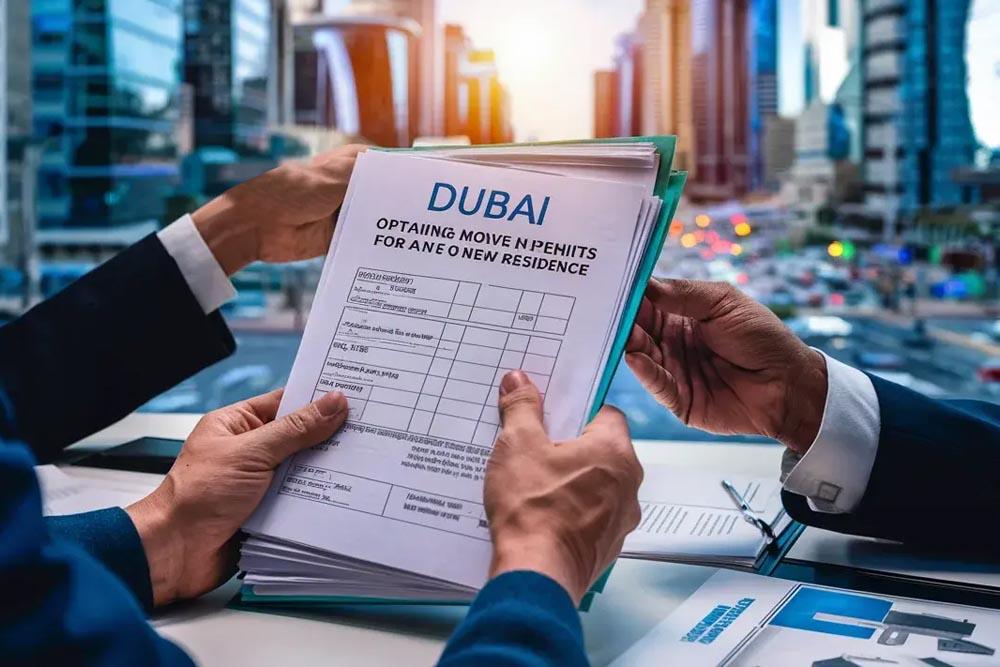
UAE Residence Visa Renewal 2026: Requirements, Fees, Documents & Online Process

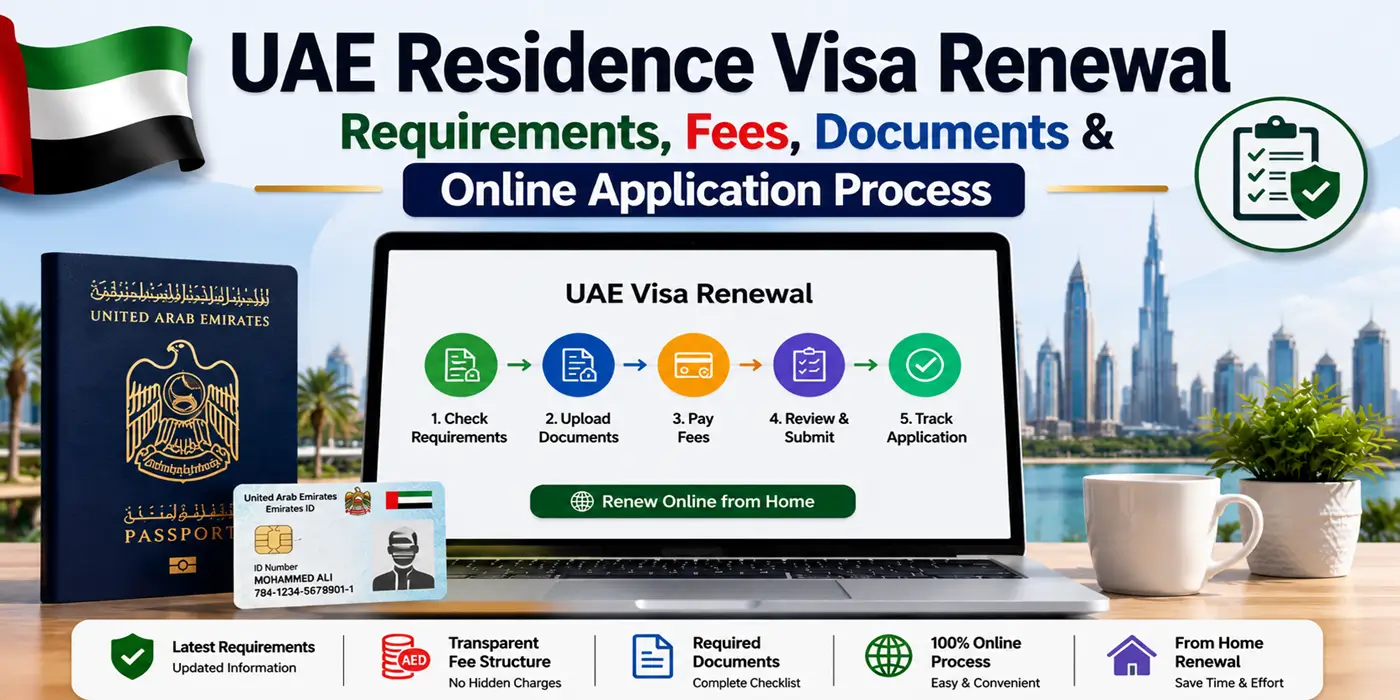
UAE Residence Visa Renewal 2026: Requirements, Fees, Documents & Online Application Process

Maintaining a valid residence visa is an essential part of living and working in the UAE. Whether you are employed, running a business, sponsoring family members, or enjoying retirement in the Emirates, ensuring your residency status remains active is crucial for uninterrupted access to services, employment, banking, and travel benefits. As visa validity periods approach their end, completing the UAE residence visa renewal process on time helps residents avoid fines, legal complications, and unnecessary disruptions.

Over the years, the UAE government has significantly improved its immigration and residency services through digital transformation initiatives. In 2026, visa renewal procedures are faster, more convenient, and largely accessible through online platforms. Many applicants can now submit documents, track applications, and complete major renewal steps from the comfort of their homes, reducing the need for in-person visits.

However, understanding the latest eligibility requirements, documentation standards, processing fees, and renewal timelines remains important. Regulations may vary depending on the visa category, sponsor type, and individual circumstances. This comprehensive guide covers everything you need to know about UAE residence visa renewal in 2026, including required documents, associated costs, online renewal procedures, and key updates that can help ensure a smooth and hassle-free renewal experience.

What Is a UAE Residence Visa?

Before beginning the UAE residence visa renewal process, it is important to identify the type of residency visa you currently hold. Each visa category comes with its own validity period, eligibility requirements, and renewal procedures.

The UAE offers several residency visa options designed to meet the needs of employees, families, investors, students, and other residents.

Employment-Sponsored Residence Visas

Employment-sponsored visas are granted to foreign nationals working for UAE-based companies. Under this visa category:

  • The employer serves as the official sponsor.

  • In most cases, the company manages and coordinates the residence visa renewal process on behalf of the employee.

  • These visas are generally issued with a validity of one or two years, depending on the employment contract and company regulations.

  • Employees may still be required to complete certain formalities, such as undergoing a medical fitness examination and renewing or updating their Emirates ID.

Family Sponsorship Visas: Requirements & Application Process

UAE residents who meet the required criteria can sponsor their family members, including spouses, children, and eligible dependents. For family-sponsored visas:

  • The sponsoring resident is responsible for handling the visa renewal application.

  • Sponsors must continue to meet the minimum salary and eligibility requirements established by UAE authorities.

  • The validity of dependent visas is usually linked to the sponsor’s residency visa duration.

  • Renewal applications typically require supporting documents such as attested certificates, tenancy contracts, and other relevant records.

Golden Visa vs Green Visa: Differences, Benefits & Eligibility

To attract investors, entrepreneurs, skilled professionals, and exceptional talent, the UAE has introduced long-term residency programs, including the Golden Visa and Green Visa.

Common validity periods include:

  • Golden Visa: Valid for up to 10 years.

  • Green Visa: Generally issued for a period of 5 years.

When renewing these long-term visas, authorities assess whether applicants continue to satisfy the eligibility conditions associated with their visa category.

Different Types of UAE Residence Visa Categories

In addition to the most common residency options, several other visa types may require periodic renewal, including:

  • Property Owner Visas

  • Retirement Visas

  • Student Visas

  • Virtual Work Visas

  • Free Zone Residence Visas

Although the documentation and procedures may vary depending on the visa type, the overall UAE residence visa renewal process follows similar guidelines and compliance requirements across most categories.

When and How Early Can You Renew Your UAE Residence Visa?

Renewing your UAE residence visa on time is essential to maintain your legal residency status and avoid unnecessary complications. Understanding the right time to begin the renewal process can help ensure a smooth and stress-free experience.

In most cases, UAE residents are allowed to initiate their residence visa renewal up to six months before the visa’s expiration date. Although this extended renewal window offers flexibility, many individuals choose to start the process well in advance to prevent delays and last-minute issues.

Common UAE Visa Renewal Timelines

Residents typically follow these renewal timeframes:

  • Up to 180 days before expiry: The earliest period when visa renewal applications can generally be submitted.

  • 60 to 90 days before expiry: A popular timeframe for starting the renewal process.

  • Before the visa expires: The recommended period to complete all renewal formalities and receive the updated visa.

Applying early also allows sufficient time to address any unexpected issues, such as incomplete documentation, medical fitness test delays, or administrative processing requirements.

Grace Period After UAE Visa Expiry

If a residence visa expires before the renewal process is finalized, UAE authorities generally provide a grace period that allows residents to regularize their status without immediately facing overstay penalties.

For most residence visa categories, the grace period is typically around 30 days from the visa expiration date. During this period, eligible residents can complete their renewal procedures without incurring overstay fines.

Certain visa categories may benefit from more flexible grace periods, including:

  • Golden Visa holders, who are often granted extended grace periods.

  • Green Visa holders, who may receive longer transition periods after visa expiry.

  • Family-sponsored dependents, who can sometimes qualify for additional flexibility depending on their circumstances.

While these grace periods provide valuable support, it is always advisable to renew your UAE residence visa well before its expiration date to avoid potential disruptions and ensure uninterrupted residency status.

What Are the Requirements and Eligibility Criteria for UAE Residence Visa Renewal?

Renewing a UAE residence visa involves meeting specific eligibility conditions and submitting the required supporting documents. While the exact documentation may differ based on the type of visa you hold, there are several standard requirements that apply to most applicants.

Essential Documents Required for Renewal

In general, individuals applying for a UAE residence visa renewal must provide the following documents:

  • A valid passport with a minimum of six months remaining before expiry

  • A current or recently expired Emirates ID

  • A recent passport-sized photograph taken against a white background

  • A medical fitness certificate issued by an approved UAE medical facility

Ensuring that these documents are accurate and up to date can help prevent delays during the renewal process.

Visa-Specific Requirements Based on Sponsorship Category

The supporting documents required for renewal may vary depending on the visa category and sponsor type.

Employment Visa Renewal

Individuals renewing an employment visa are typically required to submit:

  • A valid employment or labour contract

  • Confirmation of sponsorship from the employer

  • Proof of active health insurance coverage

  • A copy of the sponsor’s passport along with a valid UAE residence permit

These documents help verify the applicant’s continued employment and legal residency status in the UAE.

Family-Sponsored Visa Renewal

For residents sponsored by a family member, additional documents may include:

  • An attested marriage certificate for spouse sponsorship

  • Attested birth certificates for dependent children

  • Proof that the sponsor satisfies the minimum salary requirement set by UAE authorities

  • A valid tenancy agreement or property ownership documents

These requirements are designed to confirm both the family relationship and the sponsor’s ability to support dependents.

Golden Visa and Green Visa Renewal

Applicants renewing a Golden Visa or Green Visa may be asked to provide:

  • Evidence of a qualifying investment

  • Business ownership or partnership documentation

  • Proof of income, financial resources, or overall financial stability

The relevant authorities carefully assess these records to ensure that applicants continue to meet the eligibility standards associated with long-term residency programmes.

For family visa renewals, proof of suitable accommodation is an important part of the application process. A valid tenancy contract or property ownership document is often required to demonstrate compliance with residency regulations. Residents seeking a larger home or a family-friendly living environment may consider exploring rental housing options in Al Ain or reviewing available apartments in Ras Al Khaimah to meet these housing requirements while supporting their visa renewal application

How to the UAE visa renewal process?: Complete step-by-step guide

While the UAE visa renewal procedure may differ slightly across emirates such as Dubai, Abu Dhabi, Sharjah, and others, the overall process generally follows a straightforward series of steps.

Gather and Review Required Documents

The first step is to collect all the necessary documents needed for visa renewal. Before submitting your application, carefully verify that the information on all documents is accurate and consistent. Any discrepancies in personal details can lead to processing delays or additional verification requirements.

Complete the Medical Fitness Examination

Most UAE residents who are 18 years of age or older are required to undergo a medical fitness test as part of the renewal process. This examination must be completed at a government-approved medical centre and typically includes:

  • Blood tests

  • Chest X-ray screening

In most cases, test results are available within one to two working days. The medical report is usually integrated electronically into the UAE visa processing system, eliminating the need for manual submission.

Submit Your Visa Renewal Application

After completing the medical examination, the next step is to submit the visa renewal request through an approved channel. Applicants can typically choose from the following options:

  • Government-authorised service centres

  • Official online portals

  • Mobile applications provided by UAE authorities

For employment-sponsored visas, the employer generally manages the application submission on behalf of the employee.

Pay the Applicable Renewal Fees

Once the application has been successfully submitted, the required visa renewal charges must be paid. Most payment methods are available online, allowing applicants to complete the transaction through the same platform used for the application process.

Wait for Application Approval

The processing period can vary depending on the visa category and the emirate where the application is submitted.

Generally:

  • Standard visa renewal applications are processed within 5 to 10 business days.

  • Priority or express services may offer quicker turnaround times.

During this stage, authorities review the submitted documents, confirm eligibility requirements, and complete the necessary verification checks.

Receive Your Renewed Visa and Emirates ID

Once the renewal application is approved, the updated residence visa is typically issued in electronic format.

At the same time, the Emirates ID renewal is processed and the new card may be:

  • Delivered directly to the registered residential address, or

  • Collected from an authorised collection centre

Applicants should keep a copy of their renewed visa and Emirates ID for future official and administrative purposes.

How to Check Your UAE Visa Renewal Status

After submitting a UAE residence visa renewal application, many residents want to stay updated on its progress. Thankfully, the UAE offers several convenient ways to track the status of your application online.

Government-approved digital platforms make it easy to monitor each stage of the renewal process and receive important updates.

How to Check Your UAE Visa Renewal Status Online

You can track the progress of your visa renewal through various official channels, including:

  • UAE government immigration portals

  • Official mobile applications

  • Emirates ID tracking services

To access your application details, you will generally need one of the following:

  • Application or reference number

  • Emirates ID number

  • Passport number

After entering the required information, the system will display the latest status of your visa renewal application. Depending on the processing stage, you may see updates such as:

  • Application under review

  • Visa approved

  • Additional documents required

It is advisable to check your UAE visa renewal status regularly. This helps you respond promptly to any requests from the authorities and can prevent unnecessary delays in the approval process.

UAE Residence Visa Renewal Fees and Expected Costs

The cost of renewing a UAE residence visa depends on several factors, including the visa category, sponsorship type, and validity period. Additional charges for medical examinations, Emirates ID services, and insurance may also apply.

Estimated UAE Visa Renewal Fees

Visa Type Typical Validity Estimated Renewal Fee (AED)
Employment Visa
1 Year
300–400
Employment Visa
2 Years
600–700
Golden Visa
10 Years
4,000–6,000+
Green Visa
5 Years
3,000–5,000
Student Visa
1 Year
Approximately 1,500

Note: These figures are approximate and may vary depending on the emirate, individual circumstances, and any additional government service charges. Applicants should verify the latest fees with the relevant UAE authorities or their visa sponsor before starting the renewal process.

Additional Expenses to Consider

In addition to the standard visa renewal charges, applicants may need to budget for other mandatory or optional services, such as:

  • Medical fitness examination: AED 300–700
  • Emirates ID renewal: AED 100–400
  • Service centre or typing service charges
  • Document attestation and certified translation fees, where applicable

Understanding these potential costs in advance can help residents plan their UAE residence visa renewal more effectively and avoid unexpected expenses during the application process.

Overstay Fines and Penalties

Failing to renew a UAE residence visa before the end of the allowed grace period can result in overstay fines. Once the grace period expires, penalties are charged on a daily basis and continue to increase the longer the overstay lasts.

The general overstay fine structure is as follows:

Estimated Daily Fine Typical Validity
First 30 days
AED 25–50
Second month
Around AED 50
Third month and beyond
Around AED 100

In addition to monetary penalties, overstaying a visa may lead to several complications, including:

  • Restrictions on accessing government services
  • Delays or issues with employment-related procedures
  • Potential travel and immigration difficulties

To avoid unnecessary fines and legal complications, it is advisable to complete your UAE residence visa renewal well before the visa’s expiry date and within the permitted grace period.

How the Home Renewal Option Works in 2026

The UAE has continued to improve its digital services, making residence visa renewals more convenient than ever. One of the biggest advancements is the home renewal facility, which allows eligible residents to complete most of the renewal process online without visiting a service centre.

Understanding the Home Renewal Service

The home renewal option enables residents to renew their UAE residence visa and Emirates ID through secure digital platforms. This online system simplifies the application process and reduces the need for in-person appointments.

Residents can access the service through:

  • Official government smart portals

  • Mobile applications

  • Digital identity platforms such as UAE Pass

Using these platforms, applicants can upload the required documents, make online payments, and monitor the progress of their applications from start to finish.

Who Is Eligible for Home Visa Renewal?

The online renewal process is designed to be simple and user-friendly. Typically, applicants need to:

  1. Sign in to the official immigration portal or mobile application.
  2. Choose the UAE residence visa renewal service.
  3. Upload clear digital copies of the required documents.
  4. Pay the applicable renewal fees online.
  5. Track the status of the application through the platform.
  6. Receive digital approval and confirmation once the renewal is completed.

Following these steps carefully can help ensure a smooth and hassle-free experience.

Recent Rule Changes Affecting UAE Residence Visa Renewal

The UAE has introduced several updates to improve the efficiency and transparency of the residence visa renewal process. These changes are designed to support long-term residents while maintaining immigration compliance.

Some of the key developments include:

  • Longer grace periods for certain long-term residence visas.
  • Enhanced eligibility assessments for Golden Visa and Green Visa renewals.
  • Stricter verification of mandatory health insurance requirements.
  • Expanded digital government services for faster application processing.

These improvements reflect the UAE’s ongoing efforts to modernise its immigration system and provide a more streamlined experience for residents.

Common Issues and Tips to Avoid Delays

Although the UAE residence visa renewal process is generally straightforward, minor errors can result in unnecessary delays or additional document requests.

To help ensure a smooth renewal process:

  • Make sure all personal information is consistent across your documents.
  • Upload high-quality and accurate digital copies.
  • Schedule and complete the medical fitness test as early as possible.
  • Submit attested certificates whenever they are required.
  • Regularly monitor your application status through the official online portal.

Responding promptly to any requests for additional information can help prevent delays, rejections, or cancellations.

Conclusion

  • UAE residents can often start the residence visa renewal process up to six months before their visa expires.
  • Commonly required documents include a valid passport, Emirates ID, medical fitness certificate, and relevant sponsor documents.
  • Visa renewal status can be checked online through official UAE immigration platforms.
  • Renewal fees vary depending on the type and validity period of the residence visa.
  • Renewing your visa before the grace period ends can help you avoid daily fines, service interruptions, and other legal complications.

Planning ahead and completing the renewal process early is the best way to maintain uninterrupted residency status in the UAE.

FAQs

1.What are the requirements for UAE residence visa renewal in 2026?
To renew a UAE residence visa in 2026, you need a valid passport, Emirates ID, medical fitness certificate, and sponsor approval.

2. How much is the UAE residence visa renewal fee in 2026?
The renewal fee depends on visa type and duration, but it typically ranges from AED 300 to AED 1,200 excluding additional service charges.

3. What documents are required for UAE visa renewal?
Required documents include passport copy, visa copy, Emirates ID, medical test results, and passport-size photographs.

4. Can I renew my UAE residence visa online from home?
Yes, UAE residence visa renewal can be completed online through official government portals or authorized service platforms.

5. How long does UAE residence visa renewal take?
The process usually takes 2 to 5 working days after submitting all required documents and approvals.

6. What happens if my UAE residence visa expires?
If your visa expires, you may face fines after the grace period. It’s important to renew your visa before or immediately after expiry.

7. Is medical testing required for UAE visa renewal in 2026?
Yes, medical fitness testing is mandatory for most residence visa renewals in the UAE.

8. Can I renew my UAE visa without my sponsor?
No, sponsor approval is generally required for renewing a UAE residence visa.

Fractional Ownership in Dubai: Ultimate Guide to Maximize ROI for Real Estate Investors

Fractional Ownership in Dubai: Ultimate Guide to Maximize ROI for Real Estate Investors

Dubai has established itself as one of the most attractive real estate investment destinations globally. A strong economy, impressive rental returns, consistent property value growth, world-class infrastructure, and a premium lifestyle continue to attract both local and international investors. However, acquiring a property outright in Dubai often requires substantial capital, which may not be feasible for every investor.

To overcome this challenge, many investors are turning to fractional ownership in Dubai as a more accessible investment solution. This model enables individuals to participate in the Dubai property market without purchasing an entire property. By owning a share of a real estate asset, investors can diversify their portfolios while benefiting from rental income and potential capital appreciation.

In this guide, we’ll explore fractional property ownership in Dubai, how it works, its ownership structures, and why it is becoming increasingly popular among modern investors.

What is Fractional Ownership in Dubai?

Fractional ownership is a real estate investment approach where multiple individuals jointly own a single property by purchasing specific shares of the asset. Instead of one investor bearing the full purchase cost, several investors contribute capital and collectively acquire ownership of the property. This structure makes premium real estate investments more affordable and attainable.

Under this arrangement, both the expenses and the financial rewards are shared among the co-owners according to their ownership percentage. Investors receive a portion of the rental income and benefit from any increase in the property’s market value based on the size of their investment.

Unlike traditional timeshare arrangements, fractional ownership provides investors with genuine ownership rights in the property. In many cases, ownership is formally recognized through the Dubai Land Department (DLD), with legal documentation reflecting each investor’s stake in the asset.

Types of Fractional Ownership Structures

If you are considering purchasing an apartment or other property in Dubai through fractional ownership, there are two commonly used ownership structures:

Limited Liability Company (LLC)

Under the LLC model, the property is owned through a legal entity rather than by individual investors directly. Ownership interests are represented through shares in the company, which holds the real estate asset. Similar structures may also involve Limited Liability Partnerships (LLPs) or Special Purpose Vehicles (SPVs), depending on the investment arrangement.

This structure can simplify property management, administration, and ownership transfers while providing a clear legal framework for all investors involved.

Tenancy in Common (TIC)

In a Tenancy in Common (TIC) arrangement, each investor holds a direct ownership interest in the property. Every co-owner receives legal documentation that reflects their specific share of ownership.

One of the key advantages of this structure is flexibility, as investors can own different percentages of the property according to their investment amount. Co-owners share rights, responsibilities, and benefits while maintaining individual ownership stakes in the asset.

How Fractional Ownership Works in Dubai

Fractional ownership has made it easier for investors to enter Dubai’s real estate market without purchasing an entire property. By owning a portion of a property, investors can benefit from rental income and potential capital appreciation at a significantly lower investment cost. Here’s a step-by-step overview of how fractional ownership works in Dubai.

Choose a Fractional Ownership Platform

The first step is to select a reputable and licensed fractional ownership platform operating in Dubai. These platforms showcase available properties, investment opportunities, ownership share options, projected returns, and legal details. To get started, investors are typically required to create an account, submit identification documents, and complete the Know Your Customer (KYC) verification process.

Select a Property

After registering on the platform, investors can browse and choose from a range of carefully selected properties. Most fractional ownership opportunities are located in high-demand communities such as Downtown Dubai, Dubai Marina, and Dubai Hills Estate. These areas are known for their strong rental demand, attractive yields, and long-term growth potential.

Decide on Your Ownership Share

Instead of purchasing the entire property, investors can buy a fractional share based on their financial goals and budget. Ownership stakes often start from a small percentage, making real estate investment more accessible. Any rental income generated and future capital gains are distributed according to the investor’s ownership percentage.

Sign the Co-Ownership Agreement

Once the investment is selected, investors must sign a legally binding co-ownership agreement. This document outlines important details such as ownership percentage, profit-sharing rights, voting procedures, expense allocation, exit terms, and the responsibilities of all parties involved. The agreement is structured in compliance with Dubai’s property regulations and the guidelines established by the Dubai Land Department (DLD).

Transfer Investment Funds and Obtain Ownership Proof

The investment amount is then transferred to a secure and regulated escrow account. After the transaction is completed, the fractional ownership platform handles the registration process through the Dubai Land Department, either under joint ownership arrangements or via a Special Purpose Vehicle (SPV) established for the investment. Investors receive an ownership certificate, which may be issued digitally or in physical form, as proof of their stake in the property.

Earn Rental Income

When the property is leased, the rental income is collected and distributed among all co-owners based on their ownership shares. This enables investors to generate passive income while avoiding the day-to-day responsibilities of property management and tenant handling.

Exit Your Investment

Fractional ownership also offers flexibility when it comes to exiting an investment. Investors can sell their ownership shares to other interested buyers through the platform’s marketplace. The resale value of the share typically depends on factors such as current market conditions, property demand, and the overall performance of the asset.

Legal Framework and Regulations for Fractional Ownership in Dubai

Fractional property ownership has gained significant traction in Dubai, driven by the city’s thriving real estate sector and innovative investment opportunities. To ensure transparency and protect investors, Dubai has established a well-defined legal framework governing fractional ownership. Key regulations include:

  • Federal Law No. 5 of 1985, which outlines the legal procedures and requirements for property ownership transfers across the UAE.
  • Law No. 6 of 2019, which regulates jointly owned properties in Dubai and provides guidelines for co-ownership arrangements.
  • Dubai Land Department (DLD) regulations, which require all fractional ownership transactions to be officially registered to ensure legal compliance and investor protection.

These laws and regulations have strengthened investor confidence, making fractional property ownership a secure and attractive investment option in Dubai.

Key Benefits of Fractional Property Ownership

Fractional property ownership offers several advantages for investors looking to enter Dubai’s real estate market without committing to the full cost of a property. Below are some of the major benefits of this investment approach:

Affordable Investment Opportunity

One of the biggest advantages of fractional ownership is its affordability. Instead of purchasing an entire property, investors can acquire a percentage share based on their financial capacity. With entry points often ranging from AED 5,000 to AED 25,000, this model makes real estate investment more accessible to a wider range of individuals.

Better Portfolio Diversification

Fractional ownership enables investors to spread their investments across multiple properties rather than putting all their capital into a single asset. They can choose from residential and commercial properties in different locations throughout Dubai. This diversified approach helps reduce overall investment risk while increasing exposure to various market opportunities.

Shared Financial Responsibilities

Property-related expenses such as maintenance costs, management fees, service charges, and operational expenses are divided among all co-owners according to their ownership share. This shared-cost structure helps reduce the financial burden on individual investors.

Steady Passive Income Potential

Dubai’s property market is known for its attractive rental yields and long-term capital appreciation. Through fractional ownership, investors can earn a share of the rental income generated by the property while also benefiting from potential increases in property value over time.

Improved Liquidity Options

Certain fractional ownership platforms offer access to secondary marketplaces where investors can buy and sell ownership shares. This can provide greater flexibility and liquidity compared to traditional property ownership, where selling an entire property often requires more time and effort.

Hassle-Free Property Management

Most fractional ownership platforms partner with professional property management companies to handle day-to-day responsibilities such as maintenance, tenant relations, rent collection, and other operational tasks. This hands-off approach makes the investment particularly attractive for international investors and individuals with busy schedules.

Things to Consider

While fractional ownership offers several benefits, investors should carefully evaluate the following factors before making a decision:

Reduced Decision-Making Authority

In most cases, the platform overseeing the investment manages property operations, maintenance, repairs, and even certain decisions related to selling the asset. As a result, individual investors typically have limited control over how the property is managed.

Liquidity Challenges

Although fractional ownership can offer better liquidity than traditional real estate investments, selling ownership shares may still take time. Even on platforms with secondary markets, finding a suitable buyer at the desired price is not always guaranteed, which can impact exit flexibility.

Limited Financing Availability

Unlike conventional property purchases, fractional ownership investments are generally not eligible for financing from UAE banks. Investors are usually required to use their own funds when purchasing fractional shares.

Potential Disagreements Among Co-Owners

Since multiple investors share ownership of the same property, differences in opinions regarding maintenance, property usage, or investment decisions may occasionally arise. While the platform often helps manage these situations, disputes can sometimes delay decision-making processes.

Ongoing Fees and Expenses

Fractional ownership involves recurring costs, including platform fees, annual service charges, management expenses, and maintenance contributions. Over time, these expenses can impact the overall profitability and net returns generated from the investment.

Fractional Ownership vs. Full Property Ownership

When investing in Dubai’s real estate market, understanding the distinction between fractional ownership and full ownership is essential. Both investment approaches offer unique advantages and cater to different financial goals, risk appetites, and investment capacities.

Feature Fractional Ownership Full Ownership
Initial Investment
Requires a relatively low entry investment, often starting from AED 500.
Involves a significantly larger upfront capital commitment.
Decision-Making Authority
Investors have limited involvement, as most operational and strategic decisions are handled by the investment platform.
Property owners have complete authority over all decisions related to the asset.
Financing Availability
Mortgage financing is generally not offered, so investors typically invest using their own funds.
Buyers can access mortgage options depending on the property type and eligibility criteria.
Property Management
Day-to-day management, maintenance, and administrative tasks are usually managed by the platform.
Owners are responsible for managing the property themselves or can appoint a professional management company.
Rental Earnings
Rental returns are distributed according to each investor’s ownership share.
The owner receives the entire rental income generated by the property.
Liquidity and Exit Options
Selling ownership shares may take longer, depending on platform policies and market demand.
Owners generally have greater flexibility when selling the entire property.
Investment Risk
Risk can be reduced through diversification across multiple properties and locations.
Risk exposure is higher because the investment is concentrated in a single asset.
Best Suited For
Ideal for beginner investors, individuals with limited capital, and those seeking passive income opportunities.
Suitable for long-term investors, end-users, and high-net-worth individuals looking for complete ownership control.

Choosing between fractional and full ownership ultimately depends on your budget, investment objectives, and preferred level of involvement. Fractional ownership provides an accessible and diversified entry into Dubai’s property market, while full ownership offers greater control, higher income potential, and long-term asset appreciation opportunities.

Fractional Ownership vs REITs in Dubai

When exploring alternative real estate investment opportunities in Dubai, fractional ownership and Real Estate Investment Trusts (REITs) are two popular options that cater to different investment preferences. Fractional ownership enables investors to own a percentage of a physical property, providing direct exposure to a real estate asset. In contrast, REITs allow individuals to invest in professionally managed, income-generating property portfolios without owning a specific property.

Each investment model comes with its own set of benefits. Fractional ownership in Dubai offers investors a share of rental earnings along with a degree of ownership in the asset itself. REITs, on the other hand, are known for their liquidity, lower investment thresholds, and completely passive investment structure. Choosing between the two depends on factors such as your investment objectives, risk tolerance, and how actively you wish to participate in managing your investment.

Interested in learning more about REITs and how they work? Explore our comprehensive guide to gain deeper insights into this investment option.

Leading Platforms for Fractional Ownership in Dubai

Dubai’s real estate market is supported by several regulated and licensed platforms that facilitate fractional property investments. These platforms make it easy for investors to purchase property shares, monitor investment performance, and manage or exit their holdings when needed. Before investing, it is important to verify that the platform complies with all relevant regulatory requirements.

Some of the well-known fractional ownership platforms in Dubai include:

  • PRYPCO
  • Smart Crowd

Who Can Benefit from Fractional Property Investment?

Fractional ownership can be an ideal investment solution for a wide range of investors, including:

  • First-time real estate investors seeking a lower-risk entry point
  • International investors looking to access Dubai’s property market remotely
  • Budget-conscious individuals who want property exposure without significant capital commitments
  • Investors interested in generating passive income through rental returns

Conclusion

Fractional ownership in Dubai has transformed the way people invest in real estate by making premium property assets more accessible. With lower initial investment requirements, shared ownership responsibilities, and the potential to earn rental income and benefit from property value appreciation, it offers an attractive alternative to traditional property ownership.

For investors seeking a convenient and cost-effective way to participate in Dubai’s dynamic real estate market, fractional ownership presents a practical and scalable solution. As the sector continues to evolve, it is expected to remain a reliable and increasingly popular investment avenue for both local and international investors.

If you are considering investing in Dubai’s growing real estate market, connect with our property specialists today. Our experts can provide personalized guidance, market analysis, and strategic insights to help you make informed investment decisions with confidence.

FAQs

What is fractional ownership in Dubai real estate?
Fractional ownership in Dubai allows multiple investors to jointly own a property by purchasing shares, making real estate investment more affordable and accessible.

Is fractional property ownership legal in Dubai?
Yes, fractional ownership is legal in Dubai and is regulated under the Dubai Land Department (DLD), ensuring transparency and investor protection.

How does fractional ownership work in Dubai?
Investors buy a percentage of a property and share rental income, maintenance costs, and appreciation based on their ownership stake.

What are the benefits of fractional ownership in Dubai?
Key benefits include lower investment cost, portfolio diversification, passive income, and access to premium real estate assets.

What is the minimum investment required for fractional ownership in Dubai?
The minimum investment varies by platform and property but typically starts from a few thousand dollars.

Can foreigners invest in fractional ownership in Dubai?
Yes, foreigners can invest in Dubai’s fractional real estate, especially in designated freehold areas.

What are the risks of fractional ownership in Dubai?
Risks include market fluctuations, limited control over property decisions, and dependency on the management platform.

How is rental income distributed in fractional ownership?
Rental income is distributed proportionally among investors based on their ownership share after deducting management fees.

Is fractional ownership in Dubai a good investment?
It can be a good investment for those seeking passive income and diversification, especially in Dubai’s growing real estate market.

Build-to-Rent in the UAE: Complete Guide to Investment Benefits, Trends & ROI

Build-to-Rent in the UAE: Complete Guide to Investment Benefits, Trends & ROI

The UAE’s real estate sector continues to evolve, creating new opportunities for investors and residents alike. Among the emerging trends gaining significant attention is the build-to-rent (BTR) model. Unlike traditional residential developments that are constructed for individual sale, build-to-rent projects are specifically designed to generate long-term rental income.

These developments offer more than just housing solutions. They typically feature modern facilities, professional property management, and flexible leasing arrangements that cater to the changing needs of tenants. As demand for high-quality rental accommodation continues to rise, build-to-rent developments are becoming an increasingly important component of the UAE’s property market and investment landscape.

Understanding Build-to-Rent in the UAE Real Estate Market

Build-to-rent refers to purpose-built residential communities that are developed with the primary objective of leasing units rather than selling them to individual homeowners. In contrast to conventional residential projects, these properties remain under a single ownership structure and are managed as long-term rental assets.

In the UAE, build-to-rent developments are commonly owned by institutional investors, real estate investment trusts (REITs), real estate investment groups (REIGs), or well-established property developers. Their focus is on generating consistent rental income while maintaining high standards of property management and tenant satisfaction.

One of the key advantages of build-to-rent communities is the professional management they provide. Residents often benefit from a comprehensive range of amenities and services, including fitness centers, swimming pools, concierge assistance, security, and dedicated maintenance support. These value-added features contribute to a more convenient and comfortable living experience.

For investors, build-to-rent properties offer the potential for stable, long-term returns through recurring rental income. At the same time, tenants gain access to professionally managed homes with modern facilities and flexible leasing options. This combination of investor appeal and tenant convenience has positioned build-to-rent developments as a growing and attractive segment within the UAE’s dynamic real estate market.

How Build-to-Rent Works in the UAE

The Build-to-Rent (BTR) model in the UAE is designed to create purpose-built residential communities that cater specifically to long-term renters. Unlike traditional residential developments, where units are sold to individual buyers, BTR projects are planned, developed, and managed with rental operations as the primary objective.

The process begins with land acquisition and community planning, where developers identify strategic locations with strong rental demand. During the planning phase, factors such as accessibility, lifestyle amenities, public spaces, and resident needs are carefully considered. The construction stage focuses on creating high-quality housing, shared facilities, and efficient property management systems that support long-term occupancy.

In terms of ownership structure, Build-to-Rent developments are typically owned by a single institutional investor, real estate investment firm, or developer that chooses to retain ownership rather than sell individual units. This centralized ownership allows for consistent management standards and a unified tenant experience across the entire community.

Once the project is operational, professional management teams oversee the leasing process, tenant services, maintenance requests, and day-to-day community operations. Residents benefit from streamlined communication, reliable maintenance support, and professionally managed amenities.

The revenue model is primarily based on long-term rental income generated from occupied units. Property owners also focus on occupancy optimization through tenant retention strategies and quality service delivery. Over time, investors may benefit from both steady cash flow and potential asset appreciation as property values and rental demand continue to grow within the UAE’s evolving real estate market.

Why Build-to-Rent Developments Are Gaining Momentum in the UAE

The growing popularity of build-to-rent developments in the UAE is driven by several factors, including increasing rental demand, investor confidence, and the need for professionally managed housing solutions. These purpose-built communities are becoming an attractive choice for both investors and tenants seeking long-term value and convenience.

Strong Long-Term Investment Opportunities

Build-to-rent projects present a compelling investment opportunity due to their ability to generate reliable and recurring rental income. With strong demand for quality rental properties across the UAE, these developments often achieve high occupancy rates and steady cash flow. Additionally, professionally managed properties are maintained to high standards and equipped with modern amenities, helping to attract and retain tenants while minimizing vacancy periods. This contributes to stronger long-term returns and greater investment stability.

Improved Residential Experience for Tenants

For residents, build-to-rent communities offer a more convenient and comfortable lifestyle compared to traditional rental options. Tenants benefit from flexible lease agreements, responsive property management services, and access to a wide range of on-site amenities. Features such as fitness centers, recreational spaces, security services, and community facilities enhance the overall living experience, making these developments increasingly appealing to individuals and families alike.

Professional Management and Operational Excellence

Another major factor contributing to the success of build-to-rent developments in the UAE is their efficient management structure. These properties are operated by professional teams dedicated to maintaining consistent service quality, timely maintenance, and smooth day-to-day operations. Effective property management not only improves tenant satisfaction and retention but also reduces operational challenges for investors. As a result, build-to-rent developments are viewed as a more dependable and sustainable real estate investment option within the UAE market.

Build-to-Rent vs. Traditional Rental Models

The build-to-rent (BTR) approach stands apart from conventional rental housing in terms of ownership, management practices and the overall resident experience. In traditional rental arrangements, properties are typically owned by individual landlords, which can lead to inconsistencies in property maintenance, lease conditions and service quality. In contrast, build-to-rent communities are purpose-built for renters and managed by professional operators, providing a more consistent and reliable living experience.

Another key difference lies in the ownership and management structure. In the traditional rental market, the performance of a property often depends on the landlord’s ability to maintain the property and address tenant concerns effectively. This can influence both tenant satisfaction and occupancy rates. Build-to-rent developments, on the other hand, are professionally managed with a long-term focus on resident retention, offering higher service standards, streamlined operations and access to modern lifestyle amenities that help sustain strong occupancy levels.

The tenant experience also varies considerably between the two models. In conventional rentals, residents may encounter different management styles, policies and response times depending on the landlord. Build-to-rent communities provide a more organised and transparent rental process, supported by clearly defined policies, dedicated management teams and professional customer service. As a result, tenants often enjoy a smoother rental journey with fewer disputes and greater peace of mind.

Key Benefits of Build-to-Rent for Tenants

Build-to-Rent (BTR) communities are designed with the needs of modern renters in mind, offering a more streamlined and resident-focused living experience than many traditional rental properties. As the concept gains traction in the UAE, tenants are increasingly drawn to the convenience, flexibility, and quality of life that BTR developments provide.

Professional Property Management

One of the biggest advantages of Build-to-Rent housing is professional property management. Since an entire development is typically owned and managed by a single entity, residents benefit from faster maintenance response times and consistent service standards. Whether it’s a repair request, facility issue, or general inquiry, tenants often have access to dedicated support teams that help ensure a hassle-free living experience.

Flexible Living Experience

Build-to-Rent developments are designed to make renting easier and more convenient. Many communities offer a simplified move-in process, digital leasing solutions, and transparent rental agreements. This clarity helps tenants better understand their responsibilities, rental terms, and associated costs, creating a smoother and more predictable renting experience.

Enhanced Community Amenities

Modern BTR communities often include a range of lifestyle-focused amenities that enhance everyday living. Depending on the development, residents may have access to fitness centers, swimming pools, coworking spaces, landscaped recreational areas, children’s play zones, and other family-friendly facilities. These amenities contribute to a well-rounded and community-oriented environment.

Improved Resident Experience

Beyond physical amenities, Build-to-Rent developments prioritize resident satisfaction through convenience, community engagement, and reliable customer support. Regular community events, digital service platforms, and responsive management teams help foster a stronger sense of belonging while improving the overall quality of life for tenants. As a result, residents can enjoy a more comfortable, connected, and professionally managed rental experience.

Benefits of Build-to-Rent for Investors and Developers

The Build-to-Rent (BTR) model is increasingly attracting the attention of investors and developers due to its ability to generate consistent returns while meeting the growing demand for professionally managed rental housing. As the UAE’s residential market evolves, BTR developments offer several strategic advantages that support long-term growth and stability.

Stable Rental Income

One of the primary benefits of Build-to-Rent projects is the potential for stable and recurring rental income. Unlike traditional property investment strategies that may rely heavily on property sales, BTR developments are designed to generate predictable cash flow through long-term rental agreements. With effective tenant retention strategies and professional management, investors can also reduce vacancy risks and maintain more consistent occupancy levels.

Portfolio Diversification

For institutional investors, developers, and real estate funds, Build-to-Rent assets provide an opportunity to diversify their portfolios. Residential rental properties can serve as a reliable long-term income stream, helping balance exposure across different real estate sectors while providing resilience during changing market conditions.

Economies of Scale

Because Build-to-Rent communities are typically managed under a single ownership structure, operators can benefit from centralized property management, maintenance services, and operational processes. This streamlined approach often results in greater efficiency and lower operating costs compared to managing multiple individually owned rental units spread across different locations.

Strong Occupancy Potential

The UAE continues to attract professionals, entrepreneurs, expatriates, and families seeking high-quality housing options. This growing demand for rental accommodation creates strong occupancy potential for well-located and professionally managed BTR developments. Communities that offer modern amenities, convenient locations, and excellent tenant services are particularly well-positioned to maintain healthy occupancy rates.

Long-Term Asset Value

In addition to generating regular rental income, Build-to-Rent developments can deliver long-term asset appreciation. As demand for quality rental housing increases, these properties may experience value growth while continuing to function as sustainable income-producing assets.

Expert Insight

Globally, institutional capital is increasingly moving toward residential rental sectors because of their ability to provide steady income, diversification benefits, and long-term growth potential. As housing preferences shift toward flexibility and professionally managed living environments, Build-to-Rent assets are becoming an attractive investment class for pension funds, real estate investment firms, and large-scale developers. In markets such as the UAE, where population growth and rental demand remain strong, this trend is expected to gain further momentum in the years ahead.

Challenges Facing the Build-to-Rent Sector in the UAE

While the Build-to-Rent (BTR) sector offers significant opportunities for investors, developers, and tenants, it also faces several challenges that can influence the pace of its growth in the UAE.

High Development Costs

Developing purpose-built rental communities requires substantial upfront investment. Developers must allocate significant capital toward land acquisition, construction, infrastructure, amenities, and technology-driven property management systems. These costs can be higher than those associated with traditional residential projects, particularly in prime urban locations.

Financing Requirements

Because Build-to-Rent projects are designed to generate returns over the long term rather than through immediate property sales, securing financing can be more complex. Investors and lenders must adopt a long-term perspective, focusing on future rental income and occupancy performance rather than short-term profits.

Market Education

Although the concept has gained popularity in several global markets, Build-to-Rent remains a relatively emerging segment in the UAE. Educating investors, tenants, and other stakeholders about the benefits of professionally managed rental communities is essential for broader market adoption and long-term success.

Occupancy Management

Maintaining high occupancy levels is critical to achieving stable rental income. Developers and property managers must continuously focus on tenant satisfaction, competitive pricing, quality amenities, and efficient services to attract and retain residents in an increasingly competitive rental market.

Regulatory Evolution

As the Build-to-Rent sector continues to develop, regulatory frameworks may evolve to address the unique characteristics of institutional rental housing. Developers and investors must stay informed about changes in real estate regulations, tenancy laws, and operational requirements to ensure compliance and support sustainable growth.

Despite these challenges, the UAE’s strong rental demand, growing population, and evolving real estate landscape continue to create favorable conditions for the long-term expansion of the Build-to-Rent sector.

Conclusion

Build-to-Rent (BTR) is transforming the way rental housing is developed, managed, and experienced in the UAE. Unlike traditional rental models, BTR communities are purpose-built for long-term renting and are typically owned and professionally managed by a single entity. This approach creates a more consistent and tenant-focused living experience while offering investors a stable and scalable income-generating asset.

The growing popularity of Build-to-Rent in the UAE is being driven by several factors, including increasing demand for quality rental housing, a growing expatriate population, changing lifestyle preferences, and government initiatives that support long-term residency and economic growth. For tenants, BTR developments provide convenience, modern amenities, professional management, and greater flexibility. For investors and developers, they offer recurring rental income, strong occupancy potential, operational efficiencies, and long-term asset appreciation.

As the UAE’s real estate sector continues to evolve, Build-to-Rent is expected to play an increasingly important role in meeting housing demand and attracting institutional investment. With advancements in technology, sustainability, and community-focused living, the sector is well-positioned for future growth.

FAQs

1. What is Build-to-Rent in the UAE?
Build-to-Rent refers to residential properties developed specifically for long-term rental purposes rather than for sale in the UAE real estate market.

2. Is Build-to-Rent a good investment in the UAE?
Yes, Build-to-Rent is considered a strong investment option due to stable rental income, growing demand, and long-term ROI potential in major UAE cities.

3. How does Build-to-Rent differ from traditional real estate in the UAE?
Unlike traditional developments built for sale, Build-to-Rent properties are designed, owned, and managed for rental income over time.

4. What are the benefits of Build-to-Rent in the UAE?
Key benefits include consistent cash flow, professional property management, tenant retention, and lower vacancy risks.

5. Which cities in the UAE are best for Build-to-Rent projects?
Dubai and Abu Dhabi are the most popular cities due to high rental demand, population growth, and strong infrastructure.

6. What is the ROI for Build-to-Rent investments in the UAE?
ROI varies depending on location and property type, but investors can expect competitive rental yields compared to global markets.

7. Who should invest in Build-to-Rent in the UAE?
Institutional investors, developers, and high-net-worth individuals looking for long-term rental income should consider Build-to-Rent projects.

8. What are the risks associated with Build-to-Rent in the UAE?
Potential risks include market fluctuations, regulatory changes, and property management challenges, although these can be mitigated with proper planning.

Dubai Home Office Trends 2026: Rising Buyer Demand & Property Market Impact

Why More Buyers in Dubai Prefer Homes with Office Spaces in 2026: Market Trends & Real Estate Impact

A few years ago, having a home office in Dubai was considered an added advantage. In 2026, it has become one of the most important factors for buyers and tenants when choosing a property.

With hybrid work models becoming a permanent part of professional life and long-term residency opportunities making Dubai a more secure place to settle, people are no longer searching only for a comfortable home. They are looking for a space that supports both personal and professional lifestyles.

From dedicated office rooms to multifunctional layouts and peaceful work-friendly environments, the increasing demand for home offices is significantly influencing property design, pricing, and buyer decisions across Dubai.

Why the Demand for Home Offices Is Increasing in Dubai

Modern homes in Dubai are now expected to serve multiple purposes. Buyers and tenants want spaces that are practical for daily living while also supporting productivity, privacy, and work-life balance.

In addition, several long-term market trends, including remote work flexibility and residency incentives, are accelerating this demand. Today, a well-designed workspace is no longer treated as an optional feature when exploring properties in Dubai; it has become a major consideration.

Hybrid Work Culture Has Become the New Normal

A growing number of professionals now divide their work schedules between office and home. This shift has completely transformed what people expect from residential properties.

Temporary work setups at dining tables or living room corners are no longer practical for long-term productivity. Buyers now prefer homes that offer dedicated workspaces, adaptable floor plans, quiet interiors, and improved sound insulation. Properties that support better concentration and clear separation between work and personal life are attracting stronger demand in Dubai’s real estate market.

More Residents Are Planning for Long-Term Living

Government initiatives such as the UAE Golden Visa have encouraged many residents to establish long-term roots in Dubai. Instead of relying on short-term rentals, more individuals and families are investing in permanent homes that can support their future lifestyle needs.

As a result, buyers are paying closer attention to functionality and long-term comfort. A properly designed home office or study area has become an essential requirement, especially for professionals, entrepreneurs, and remote workers who need a reliable workspace within their home environment.

Lifestyle Preferences Are Evolving

Buyer priorities in Dubai have changed noticeably over the past few years. Features such as spacious layouts, privacy, natural lighting, and peaceful surroundings are now considered more valuable than before.

This trend is particularly evident among working professionals and families who spend extended hours at home. A calm and comfortable environment that supports both relaxation and productivity has become a major deciding factor when selecting a property.

As work-from-home routines continue to grow, homes that offer flexible living spaces and dedicated office areas are expected to remain in high demand across Dubai’s residential market.

How Residential Demand Is Evolving Across Dubai

One of the most noticeable impacts of changing lifestyle preferences can be seen in Dubai’s residential property market. As buyer expectations continue to evolve, the demand map across the city is also experiencing a major shift.

Earlier, most homebuyers preferred properties located close to commercial hubs and business districts. However, today’s buyers are increasingly exploring communities that provide spacious homes, peaceful surroundings, and greater long-term value.

The rise of remote and hybrid working has played a major role in this transformation. Since many professionals now work from home more frequently, properties with larger living spaces, dedicated work areas, and low-density surroundings have become far more desirable.

For modern buyers, choosing a home is no longer only about reducing travel time to the office. Instead, the focus has shifted toward creating a comfortable living environment that supports both professional productivity and personal well-being.

Top Dubai Communities Preferred for Work-Friendly Living

  • Arabian Ranches
  • Jumeirah Village Circle
  • Dubai South
  • Mudon
  • The Valley
  • Tilal Al Ghaf

These communities are becoming increasingly popular because they typically offer more spacious layouts, calmer surroundings, family-friendly environments, and a healthier balance between work and everyday life.

Top Dubai Communities Preferred for Work-Friendly Living

One of the most noticeable impacts of changing lifestyle preferences can be seen in Dubai’s residential property market. As buyer expectations continue to evolve, the demand map across the city is also experiencing a major shift.

Earlier, most homebuyers preferred properties located close to commercial hubs and business districts. However, today’s buyers are increasingly exploring communities that provide spacious homes, peaceful surroundings, and greater long-term value.

The rise of remote and hybrid working has played a major role in this transformation. Since many professionals now work from home more frequently, properties with larger living spaces, dedicated work areas, and low-density surroundings have become far more desirable.

For modern buyers, choosing a home is no longer only about reducing travel time to the office. Instead, the focus has shifted toward creating a comfortable living environment that supports both professional productivity and personal well-being.

Why Homebuyers Are Preferring These Residential Locations

The growing popularity of these residential communities is not only because of bigger homes. Today’s buyers are prioritising a lifestyle that offers the right mix of comfort, convenience, and work-life balance.

Modern homebuyers want living spaces that support both professional and personal needs. These communities provide practical home layouts, peaceful surroundings, and access to lifestyle-focused amenities that make everyday living more comfortable. From taking a quick outdoor break to working in a distraction-free environment, people are now choosing homes that improve their overall quality of life.

In addition, having enough space to create a dedicated work area has become an important factor for many families and professionals. Well-planned neighbourhoods with parks, cafés, walking paths, and open spaces also contribute to a healthier and more balanced lifestyle.

Factor Importance for Buyers
Spacious Homes
Allows homeowners to create a dedicated and comfortable home office setup
Better Property Value
Buyers can access larger homes at competitive and affordable pricing
Well-Planned Communities
Amenities like parks, cafés, and walkable spaces improve everyday living
Reduced Traffic & Noise
Peaceful surroundings help improve focus, comfort, and productivity

How Remote Workspaces Are Influencing Real Estate Prices

One of the biggest transformations in today’s real estate market is the growing impact of home offices on property prices. Features that were once viewed as optional lifestyle additions have now become important factors in determining a property’s overall value.

Modern buyers are actively searching for homes that support remote and hybrid working lifestyles. As a result, properties with dedicated workspaces, better privacy, and functional layouts are gaining stronger demand and higher market value. Homes designed for work-from-home convenience are not only selling faster but are also showing better long-term investment potential.

In many cases, buyers are ready to spend more on properties that offer flexibility and comfort for professional use, especially since these features are still unavailable in many standard residential developments.

Average Value Increase for Work-From-Home Features

The increasing demand for remote-working-friendly homes is clearly visible in Dubai’s property market. Residential properties equipped with work-focused amenities often command significantly higher prices compared to conventional layouts, particularly in high-demand communities.

Although the added value depends on factors such as location, design, and community infrastructure, certain features consistently attract premium pricing. Below are some of the most in-demand elements and their estimated impact on property value.

Feature Estimated Price Premium
Separate home office space
+25% to 34%
Fast and reliable internet connectivity
+15% to 20%
Balcony or private outdoor area
+5% to 15%
Co-working spaces within the community
+12% to 16%
Quiet surroundings with natural lighting
+10% to 15%

In prime locations such as Downtown Dubai and Business Bay, these work-friendly features are no longer treated as luxury upgrades. Instead, they have become major selling points that strongly influence buyer decisions and overall property valuation.


Rental and Resale Performance

Properties designed to support remote working lifestyles are showing stronger overall performance in Dubai’s real estate market.

Homes with dedicated work-friendly spaces are selling more quickly because of increasing buyer demand. These properties also attract tenants faster and often deliver better rental returns compared to traditional layouts.

Among all property types, villas continue to outperform apartments in terms of price appreciation. The primary reason is simple: buyers now place greater importance on spacious layouts that comfortably support both living and working needs.

What Modern Buyers and Tenants Are Looking For

Today’s demand is shaped by practicality. Buyers and tenants are no longer searching for extra space just for luxury. Instead, they want homes that improve their everyday lifestyle and make remote work easier.

A functional home office should provide comfort for extended work hours while blending naturally with the overall home design. People now prefer properties that help them stay productive, organised, and maintain a healthy balance between professional and personal life.

Because of this, functionality has become equally as important as square footage.

Essential Features Buyers Prefer

Modern homebuyers and tenants usually prioritise the following features:

  • A dedicated room or clearly defined workspace
  • Ample natural lighting
  • Reduced noise and better privacy
  • Stable high-speed internet connectivity
  • Enough room for ergonomic furniture and office setups

Additional Features Becoming Increasingly Popular

While not always mandatory, these features are now highly desirable among remote professionals:

  • Balconies or outdoor relaxation areas
  • Smart home technology integration
  • Built-in storage and customised workspace solutions
  • Easy access to cafés and co-working hubs nearby

Why Location Still Plays an Important Role

Location remains a major deciding factor, but buyer priorities have changed significantly.

Instead of focusing only on proximity to office districts, many buyers now prefer well-connected communities that offer greater lifestyle flexibility. Areas with easy highway access, expanding metro connectivity, and strong lifestyle amenities are becoming increasingly attractive.

Communities that support a balanced “live-work-play” environment are gaining the most attention from modern residents.

How Developers and Investors Are Responding

The growing demand for remote-work-friendly homes is reshaping Dubai’s property sector. Developers are now incorporating home office solutions directly into residential planning rather than treating them as optional upgrades.

This transformation is influencing the way new projects are designed, marketed, and positioned across the city.

Design Trends in New Residential Projects

Developers are creating smarter layouts that better support modern working lifestyles. Workspaces are now being integrated into the core design of homes instead of being added later.

Flexible floor plans are becoming increasingly common, allowing residents to transition smoothly between work and personal activities throughout the day. There is also a stronger focus on comfort, convenience, and usability.

Some of the most common design upgrades include:

  • Multipurpose rooms with flexible usage
  • Built-in workspace corners and smart partitions
  • Better sound insulation and improved lighting systems
  • Advanced connectivity and smart home features

Changing Investment Preferences

Investors are also adjusting their strategies to match changing market demand.

Properties designed for remote and hybrid workers are viewed as more stable long-term investments because they appeal to a broader tenant and buyer audience. These homes often experience lower vacancy periods and stronger occupancy rates, which helps maintain rental income and resale potential.

At the same time, traditional office spaces continue to perform steadily, showing that Dubai’s market is adapting to both remote and office-based working models simultaneously.

Risks and Important Market Considerations

Although the trend remains strong, there are still several factors investors and buyers should monitor carefully.

Some emerging communities may develop faster than their surrounding infrastructure, which could impact long-term convenience and livability. In addition, rising demand for work-friendly homes is increasing property prices, potentially creating affordability concerns for mid-income buyers.

Future workplace trends also remain uncertain. If more companies move back toward fully office-based operations, demand for dedicated home office features may gradually shift.

Another important factor is the expected increase in housing supply after 2026, which could eventually stabilise current pricing premiums in this segment.

Despite these considerations, the overall market outlook remains positive as remote and hybrid work continue influencing residential preferences.

Conclusion

Home offices have evolved from optional luxury features into a major factor influencing Dubai’s real estate market. They are now shaping property design, pricing trends, and buyer decisions.

Modern buyers are prioritising spacious layouts, functionality, and long-term comfort, leading to stronger demand for larger homes and developing communities. As competition increases, professionally designed, work-friendly properties are expected to remain among the top-performing real estate segments in 2026.

FAQs

1. Why is the demand for home offices increasing in Dubai in 2026?

The demand is rising due to hybrid work culture, remote jobs, and the need for dedicated workspaces at home.

2. How are home offices impacting Dubai’s real estate market?

Properties with built-in office spaces are gaining higher value, faster sales, and increased buyer interest.

3. What type of properties in Dubai offer home office spaces?

Apartments, villas, and townhouses are increasingly designed with flexible spaces that can be used as home offices.

4. Are buyers willing to pay more for homes with office space in Dubai?

Yes, many buyers are willing to pay a premium for properties that include functional home office areas.

5. Which areas in Dubai are popular for home office-friendly homes?

Areas with larger properties and modern developments are more popular among buyers seeking office space.

6. How do home offices influence buyer preferences in Dubai?

Buyers now prioritize space, privacy, natural light, and layout flexibility for work-from-home setups.

7. Is investing in home office properties in Dubai a good decision in 2026?

Yes, it can be a smart investment due to increasing demand and long-term rental and resale value.

8. What features make a home office space attractive to buyers?

Quiet environment, good lighting, high-speed internet connectivity, and ergonomic design are key features.

Electronic Notary in UAE 2026: Complete Guide to Process, Requirements & How It Works

Electronic Notary in UAE 2026: Complete Guide to Process, Requirements & How It Works

Electronic notarisation is now a legally recognised service across the UAE, allowing both individuals and businesses to notarise documents online through approved digital platforms. In 2026, users can complete many notary-related procedures remotely without needing to visit a physical notary office.

The system has become increasingly popular throughout the Emirates, including areas such as Dubai Silicon Oasis, Business Bay, Jumeirah Village Circle, Al Reem Island, Khalifa City, and Al Nahda. This rapid adoption highlights how digital legal solutions are becoming part of everyday personal and business transactions across the country.

Under the UAE’s electronic notarisation framework, digitally notarised documents hold the same legal authority as documents certified through traditional in-person notarisation. This has made electronic notary services an important solution for residents, entrepreneurs, investors, and companies operating within the UAE.

What Is Electronic Notarisation in the UAE?

Electronic notarisation refers to the process of legally authenticating selected documents through secure online platforms instead of requiring physical attendance at a notary office.

Residents and businesses located in communities like Downtown Dubai, Dubai Marina, Al Barsha, and Al Khalidiyah can now complete several notarisation procedures digitally through authorised systems.

The process generally includes:

  • Secure video conferencing sessions with licensed notaries
  • Digital identity verification for applicants
  • Electronic signatures and official digital seals stored in government-approved registries

This modern approach reduces the need for time-consuming paperwork and physical appointments while still ensuring complete legal validity and compliance with UAE regulations.

Legal Framework for Electronic Notarisation in the UAE

Electronic notarisation in the UAE is governed by a strong legal structure that guarantees the authenticity and legal acceptance of digitally notarised documents across all emirates.

Important Laws and Regulations

The UAE government has introduced several regulations to support secure and legally recognised e-notary services, including:

  • Federal Decree-Law No. 20 of 2022 concerning the regulation of the notary profession

  • Dubai Resolution No. 137 of 2022, which approves the use of digital systems for delivering notary public services

  • UAE legislation that recognises the legality of electronic signatures and digital documentation

These legal frameworks confirm that electronically notarised documents remain legally enforceable throughout the UAE, whether they are processed in areas such as Sharjah Industrial Area, Ajman Corniche, or Al Jimi in Al Ain, as long as they are issued through officially authorised platforms.

Who Is Eligible to Use E-Notary Services?

Electronic notary services in the UAE are designed for both residents and overseas users, provided the required identity verification procedures are completed successfully.

Individuals Eligible for E-Notary Services

The following individuals can access online notarisation services in the UAE:

  • UAE citizens and residents holding a valid Emirates ID

  • Non-residents with a valid passport

  • Individuals verified through UAE Pass authentication

Documents That Can Be Electronically Notarised

A wide range of legal and business documents can be notarised digitally, including:

  • Powers of attorney for personal, corporate, and real estate matters

  • Affidavits and legal declarations

  • Non-Muslim wills

  • Certified true copies of documents

  • Commercial agreements and business contracts

The convenience of electronic notarisation benefits residents and businesses across various UAE communities, including Mirdif, Discovery Gardens, Muwaileh in Sharjah, and Al Mushrif in Abu Dhabi, making legal services more accessible for both personal and corporate requirements.

Step-by-Step Guide to E-Notarisation in the UAE

The e-notarisation process in the UAE is designed to make document authentication faster, more convenient, and fully remote. This service is commonly used in major business and residential areas such as Dubai Internet City, Jumeirah Lakes Towers (JLT), and Reem Island.

Document Preparation

Before starting the online notarisation process, make sure all required documents are properly arranged and verified. Proper preparation helps avoid delays during approval.

Key requirements include:

  • Ensure all documents are complete and accurate

  • Translate documents into Arabic if required by the authority

  • Keep a valid Emirates ID or passport ready for identity verification

  • Attach a valid trade licence when notarising company or business-related documents

Submit the Online Application

The next step involves completing the digital application through the official notarisation portal.

Applicants are generally required to:

  • Sign in using UAE Pass credentials

  • Upload all required supporting documents

  • Choose the appropriate notarisation service

  • Complete the online payment securely through digital payment methods

Video Verification with a Licensed Notary

After document submission, a certified notary public schedules a live virtual verification session.

During this stage, the notary will:

  • Verify the applicant’s identity through a video call

  • Review the submitted documents and confirm their content

  • Approve the digital authentication process after successful verification

Final Approval and Issuance

Once verification is completed, the notarisation process is officially finalised through the government system.

At this stage:

  • An electronic signature and official digital seal are applied

  • The document is registered within the authorised government database

  • A downloadable notarised copy is issued to the applicant

  • Certain platforms also provide a QR verification code for added authenticity and easy validation

This streamlined e-notarisation system offers a secure and efficient solution for individuals and businesses across the UAE, eliminating the need for physical visits while ensuring legal compliance and document authenticity.

Requirements and Compliance Guidelines

Electronic notarisation in the UAE operates under clearly defined legal regulations and compliance standards. These rules are applicable across multiple regions and residential communities, including Al Zahia, Khalifa City A, and Dubai Hills Estate, ensuring secure and legally recognised digital notarisation procedures.

Identity Verification and Legal Capacity

Before approving any electronically notarised document, authorities carefully verify the identity of all involved parties using valid government-issued identification documents. In addition, the notary confirms that each individual has the legal authority, mental capacity, and full consent required to complete the transaction.

Language and Certified Translation

Arabic remains the official legal language across the UAE. Therefore, documents prepared in other languages may need an authorised or certified Arabic translation, depending on the relevant government department or legal authority handling the process.

Legal Validity and Digital Registration

Documents notarised electronically carry the same legal status and enforceability as traditionally notarised physical documents. Furthermore, these records are securely maintained within official government systems and digital registries for future verification and legal reference.

Costs and Processing Time

The cost of electronic notary services in the UAE is not standardised, as pricing generally depends on factors such as document category, jurisdiction, complexity, and validity duration. Charges may also differ across locations such as Business Bay, Al Maryah Island, and Ajman Downtown.

Estimated Fees (2026)

Document Type Remote Notarisation Fee (AED) In-Person Notarisation Fee (AED)
Power of Attorney
Approximately 100–500+
Approximately 100–300 + additional charges
Company Documents
Approximately 500–1,000+
Approximately 500–2,000
Certified Copies
Around 40–100 per page
Around 50–150 per document

Processing Timeline

Electronic notarisation services are designed to provide faster turnaround times compared to conventional notarisation methods. Standard timelines generally include:

  • Same-day processing for applications submitted early
  • 1–2 business days for standard requests
  • 3–5 business days for documents requiring additional attestation

Due to streamlined digital procedures, electronic notary services have become a more efficient and convenient alternative to traditional notarisation processes in the UAE.

Differences Across Emirates

The availability and execution of electronic notarisation services can differ slightly from one emirate to another, depending on the local judicial authority and regulatory framework.

Dubai

In Dubai, electronic notarisation services are primarily facilitated through Dubai Courts’ digital platforms. These services are commonly used in major residential and commercial areas such as Dubai Marina, Business Bay, and Deira. For property-related matters, all notarised documents must additionally comply with the regulations established by the Dubai Land Department.

Abu Dhabi

Within Abu Dhabi, the Abu Dhabi Judicial Department oversees online notarisation services. These services are widely accessed by residents and businesses located in communities including Al Reem Island, Saadiyat Island, and Khalifa City. To support the emirate’s international population, English-language assistance is also available for many notarisation procedures.

Other Emirates

In emirates such as Sharjah, Ajman, and Ras Al Khaimah, electronic notarisation services are offered through dedicated digital judicial systems. These platforms are increasingly being used by residents living in growing communities like Al Majaz, Al Nuaimiya, and Al Hamra Village, where demand for remote legal services continues to rise.

Use Cases and Limitations

Electronic notarisation has become a widely adopted legal solution across the UAE. While it offers convenience and efficiency, there are still certain conditions and limitations that users should be aware of.

When Electronic Notarisation Is Commonly Used

  • Remote signing of legal documents

  • Issuance of powers of attorney

  • Corporate and business documentation

  • Certified copies, affidavits, and declarations

Limitations of Electronic Notarisation

  • Certain legal documents still require the individual’s physical presence.

  • Some foreign jurisdictions may not recognise digitally notarised documents.

  • Real estate-related transactions may involve additional approval or verification requirements.

Conclusion

Electronic notarisation in the UAE is a legally recognised and government-regulated digital service governed under Federal Decree-Law No. 20 of 2022. It allows individuals and businesses across communities such as Dubai Marina, Reem Island, Muwaileh, and Al Barsha to complete notarisation procedures remotely through secure online systems.

The process is designed to be efficient, legally valid, and user-friendly. In most cases, notarisation can be completed within one to two business days, provided all identity verification and document requirements are successfully fulfilled.

FAQs

1. What is an electronic notary in UAE?

An electronic notary in UAE is a digital system that allows documents to be notarized online without visiting a physical notary public, using secure verification and digital signatures.

2. How does electronic notary work in UAE?

Electronic notarization in UAE works through government-approved platforms where users upload documents, verify identity, and attend a virtual session with a notary to complete the process.

3. What documents are required for electronic notarization in UAE?

Typically required documents include a valid Emirates ID, passport copy, the document to be notarized, and any supporting legal paperwork depending on the transaction.

4. Is electronic notary legal in UAE?

Yes, electronic notarization is legally recognized in the UAE and is regulated by official authorities to ensure document authenticity and security.

5. How much does electronic notary cost in UAE?

The cost of electronic notary services in UAE varies depending on the document type and emirate, but generally ranges from moderate to premium service fees.

6. Can foreigners use electronic notary services in UAE?

Yes, foreigners can use electronic notary services in UAE, provided they meet identification requirements and submit valid legal documents.

7. How long does electronic notarization take in UAE?

Most electronic notarization processes in UAE can be completed within minutes to a few hours, depending on verification and document complexity.

8. What are the benefits of electronic notary in UAE?

Electronic notary offers convenience, faster processing, remote access, enhanced security, and reduced paperwork compared to traditional notarization.

9. Which documents can be notarized electronically in UAE?

Common documents include power of attorney, affidavits, declarations, contracts, and business-related legal documents.

Why Real Estate in UAE is One of the Best Long-Term Investments

Why Real Estate in UAE is One of the Best Long-Term Investments

When discussing long-term wealth creation, one important question often comes up among investors: why does the UAE real estate market continue to perform better than many other investment sectors? The answer lies in several key advantages, including attractive rental returns, continuous infrastructure development, tax-friendly policies, and investor-focused property regulations.

The UAE property market offers a unique combination of asset security and income generation. Unlike highly unpredictable financial markets, real estate provides investors with a physical asset that can generate steady rental income while also appreciating in value over time. The sector is further strengthened by growing expatriate demand, economic diversification, and government initiatives aimed at improving transparency and protecting investor interests.

Although every investment carries some level of risk, the long-term outlook for UAE real estate continues to remain stable and promising, making it one of the most dependable investment opportunities for both local and international buyers.

High and Stable Rental Returns

One of the major reasons investors prefer UAE real estate is the potential for strong and dependable rental income. In cities like Dubai, average gross rental yields generally range from 5% to 9%, depending on the property type, project quality, and location.

Popular residential communities such as Jumeirah Village Circle (JVC), Business Bay, Dubai Marina, and other high-demand areas consistently attract tenants due to their connectivity, lifestyle offerings, and modern infrastructure. These locations are especially appealing to investors seeking regular income and long-term occupancy.

In addition to traditional leasing, investors can also benefit from short-term rental opportunities, including holiday homes and serviced apartments. These options often generate higher returns during tourism seasons, particularly in areas that attract international visitors throughout the year. This flexibility allows property owners to optimise rental earnings based on market demand.

Tenant demand across the UAE remains strong, largely driven by the country’s continuously growing expatriate population and expanding business environment. As a result, many residential communities experience relatively low vacancy rates, helping investors maintain stable occupancy and recurring rental income over the long term.

The combination of strong rental yields, consistent demand, and long-term market growth continues to position UAE real estate as one of the most attractive investment choices for investors looking to build sustainable wealth.

Capital Appreciation Over the Long Term

Continuous infrastructure expansion across the UAE, including metro network extensions, upgraded road systems, and large-scale mixed-use developments, continues to positively influence surrounding property markets. Better transportation links and well-planned urban communities increase the attractiveness of nearby locations, resulting in stronger buyer interest and consistent long-term property value growth.

Luxury real estate in premium locations also remains highly resilient during different market conditions. Properties situated in prestigious districts generally maintain strong demand due to their exclusivity, superior amenities, and limited supply. As a result, high-end residential units often experience stable appreciation and perform better during economic fluctuations.

Another major opportunity for investors comes through off-plan and under-construction projects. Purchasing a property during the early stages of development can offer substantial value appreciation by the completion stage. In many cases, investors benefit from competitive launch prices and increased market value over the course of the project’s development cycle.

Tax-Free Benefits & Investor-Friendly Regulations

One of the biggest advantages of investing in UAE real estate is the country’s highly attractive tax-free environment. In most emirates, property owners are not required to pay property tax, capital gains tax, or tax on rental income. This allows investors to maximise their overall returns while only accounting for standard costs such as registration fees, transfer charges, and property maintenance expenses.

The UAE also offers favourable ownership laws for international buyers. Foreign investors can purchase freehold properties in several designated areas, giving them complete ownership rights. These regulations improve transparency, provide legal security, and make property transactions more straightforward for overseas investors.

Additionally, long-term residency options such as the UAE Golden Visa further enhance the appeal of property investment. Investors who meet the required property investment criteria, including investments starting from AED 2 million, may qualify for renewable long-term residency for themselves and their families. This adds both financial and lifestyle value for global investors seeking stability and long-term opportunities in the region.

Economic Expansion, Population Growth & Property Demand

The UAE continues to experience strong population growth driven by expatriate professionals, entrepreneurs, and international investors relocating to the country. This steady inflow of residents consistently increases demand across both rental and residential property markets, supporting healthy occupancy levels and long-term real estate growth.

A diversified economy also strengthens the stability of the UAE property sector. While oil remains important, industries such as tourism, trade, finance, technology, and logistics now play a significant role in economic development. This balanced economic structure helps the country remain more resilient during global market fluctuations and supports sustained investor confidence in the real estate sector.

Furthermore, the UAE’s world-class infrastructure, premium lifestyle offerings, and modern master-planned communities continue to attract both residents and international investors. High-quality amenities, advanced urban planning, luxury developments, and excellent connectivity make the country an appealing destination for individuals seeking long-term living, investment security, and sustainable capital growth.

Stability, Inflation Protection & Long-Term Asset Strength

Real estate is considered a tangible and dependable investment asset, making it comparatively less vulnerable to sudden market fluctuations than stocks or other financial instruments. Even during uncertain economic conditions, property investments often preserve their underlying value better than equities, which makes them attractive for investors seeking long-term financial security and capital protection.

Another major advantage of property investment is its ability to act as a safeguard against inflation. During inflationary periods, rising construction expenses, increasing land prices and higher rental demand generally contribute to the appreciation of property values and rental income. As a result, real estate investments have the potential to maintain and steadily grow their worth over time.

Furthermore, the UAE real estate sector has witnessed significant regulatory improvements in recent years. Enhanced legal frameworks, escrow account regulations and stricter government oversight have strengthened market transparency and investor confidence. These reforms provide better protection for buyers and contribute to the long-term reliability and sustainability of the property market.

Risks & Important Considerations

Despite the positive long-term growth prospects, the real estate market may occasionally experience oversupply in specific locations. A high number of new project launches in certain areas can intensify competition, which may temporarily affect property prices and rental returns.

Investors should also evaluate the substantial initial investment costs involved in property purchases. Expenses such as down payments, registration charges, closing costs and brokerage commissions can significantly increase the overall investment amount. Additionally, recurring costs including property maintenance fees and homeowners’ association (HOA) charges may impact profitability if not properly included in financial planning.

Liquidity is another factor investors should carefully consider. Unlike stocks and bonds that can be traded quickly, real estate transactions generally require more time to complete. Premium or specialized properties may take even longer to sell, making them less suitable for investors who require immediate access to funds.

Advantages of UAE Real Estate Compared to Other Investments

Compared to several traditional and alternative investment options, UAE real estate offers a balanced combination of stability, income generation and long-term appreciation potential.

Investment Type Stability Return Potential Liquidity
UAE Real Estate
High – backed by physical assets and a regulated market environment
Attractive rental yields ranging from 5–9% along with long-term capital appreciation supported by infrastructure development
Medium to Low – selling property can take time, although demand remains strong in key markets
Stocks & Equities
Market-dependent and highly volatile in certain sectors
Possibility of high returns, but accompanied by greater market risk
High – can be easily traded through stock exchanges
Fixed Income & Bonds
Relatively stable but sensitive to interest rate changes
Generally lower returns compared to real estate investments
High – tradable, though liquidity can vary
Alternative Assets (Crypto, Gold, etc.)
Varies significantly, especially in cryptocurrency markets
Potential for high gains but carries elevated risk levels
Usually liquid, although regulatory and storage concerns may arise

Conclusion

The UAE real estate market continues to attract investors by offering impressive rental returns and a reliable source of passive income. Strong demand from expatriates, along with the growing popularity of tourism-driven short-term rentals, has played a major role in maintaining market stability and profitability.

In addition to rental income, investors also benefit from long-term capital growth supported by continuous infrastructure expansion and rising demand for premium properties in prime locations across the UAE. These factors contribute to the overall strength and resilience of the property sector.

One of the key advantages of investing in UAE real estate is the tax-friendly environment. The absence of property tax, capital gains tax, and inheritance tax significantly improves overall returns, making the market highly appealing for both local and international investors.

Real estate ownership also provides the security of holding a tangible asset, which can help preserve wealth and protect against inflation during periods of economic uncertainty. This stability makes property investment a preferred choice for many long-term investors.

Furthermore, government initiatives, stricter regulations, escrow protections, and improved transparency have strengthened investor confidence and enhanced the safety of property transactions for both domestic and overseas buyers.

Despite these advantages, investors should carefully evaluate potential challenges such as oversupply in certain locations, higher acquisition and maintenance costs, and relatively lower liquidity compared to other financial investment options. Careful research and strategic planning remain essential for maximizing returns in the UAE real estate market.

FAQs

1. Why is real estate in UAE a good long-term investment?

UAE real estate offers strong long-term growth due to increasing demand, economic stability, and investor-friendly policies such as tax-free income and residency benefits.

2. Is UAE property investment profitable in the long run?

Yes, UAE property investment is considered profitable due to high rental yields, capital appreciation, and consistent demand from both local and international buyers.

3. What are the benefits of investing in UAE real estate?

Key benefits include tax-free returns, high rental income, world-class infrastructure, and a stable real estate market, especially in cities like Dubai and Abu Dhabi.

4. Can foreigners invest in UAE real estate?

Yes, foreigners can invest in designated freehold areas in the UAE, making it a popular destination for international real estate investors.

5. Which city in UAE is best for real estate investment?

Dubai is the most popular city for real estate investment due to its high ROI, global appeal, and rapid development, followed by Abu Dhabi.

6. Is UAE real estate safe for long-term investment?

Yes, UAE real estate is considered safe due to strict regulations, transparent property laws, and a growing economy that supports long-term investment stability.

Why Mega Projects & Infrastructure Are Driving Property Prices Up in Dubai

Why Mega Projects & Infrastructure Are Driving Property Prices Up in Dubai

Dubai has rapidly evolved into one of the world’s most attractive real estate destinations, driven largely by its world-class infrastructure and visionary mega developments. From advanced transportation systems and modern highways to airport expansions and integrated communities, every major infrastructure initiative plays a direct role in shaping property demand and market value across the city.

Today, investors and homebuyers in Dubai are not only looking for luxury properties but also prioritizing connectivity, convenience, and lifestyle accessibility. As a result, areas linked with strong infrastructure networks continue to record impressive rental yields and long-term capital appreciation.

Globally, the United Arab Emirates has earned recognition for its exceptional urban infrastructure. According to the World Economic Forum, the UAE ranks among the top countries for road quality, public transportation efficiency, and port operations. These achievements highlight the government’s consistent efforts toward creating a future-ready urban environment.

Dubai’s long-term urban planning strategy also places infrastructure development at the center of real estate growth. Every new transportation project or community enhancement contributes significantly to property price appreciation and overall investment potential.

Infrastructure Investment: The Driving Force Behind Dubai’s Real Estate Expansion

Dubai’s infrastructure strategy goes far beyond basic public utilities and municipal upgrades. The city carefully designs infrastructure projects to support economic growth, enhance accessibility, and strengthen the overall real estate sector.

Large-scale investments in transport systems, utility networks, and smart city technologies are transforming communities into highly desirable residential and commercial destinations. Over the last two decades, Dubai has invested nearly AED 175 billion in infrastructure development, reinforcing its reputation as a leading global city, as highlighted by Sheikh Mohammed Bin Rashid Al Maktoum.

In addition, the Dubai 2040 Urban Master Plan focuses heavily on sustainable growth, improved connectivity, and expanded transportation systems. Whether through new metro routes, airport developments, or highway expansions, enhanced infrastructure consistently increases the attractiveness of nearby real estate markets.

Metro Expansion: Driving Property Demand and Price Appreciation

Dubai’s metro system, including the Red and Green Lines, has had a significant influence on the city’s real estate market. Properties located within walking distance of metro stations have consistently experienced higher price appreciation and increased buyer demand.

Communities such as Al Furjan, Business Bay, and Downtown Dubai have recorded impressive growth in property values over the years due to their close proximity to metro connectivity.

Easy access to public transport improves daily commuting, reduces travel stress, and connects residents to workplaces, schools, and lifestyle amenities. These benefits greatly enhance the desirability of nearby properties and contribute to stronger real estate valuations. Metro infrastructure also helps reduce traffic congestion, making urban communities more attractive for both investors and residents.

1. Blue Line Metro

Dubai’s upcoming Blue Line Metro project is expected to create another major boost for the property market. Industry projections suggest that property prices may rise between 3.5% and 5.2% by mid-2026 in areas connected to the new line.

Communities including Academic City, Al Furjan, Arjan, and Jumeirah Village Circle (JVC) are likely to experience higher rental yields and improved resale values.

The Blue Line will strengthen connectivity between developing districts and transform previously underdeveloped locations such as Academic City, Ras Al Khor Industrial Area, and Dubai Creek Harbour into more attractive residential and investment destinations.

Highway & Road Network Improvements: Reducing Congestion and Enhancing Connectivity

i. Al Khail Road Improvement Project

Al Khail Road, one of Dubai’s major arterial highways spanning approximately 15 kilometers, is currently undergoing significant upgrades. In 2024, the Roads and Transport Authority (RTA) awarded the Al Khail Road Improvement Project contract valued at Dh700 million.

The project includes the development of five new bridges and major traffic corridor enhancements. Once completed, the improvements are expected to reduce travel time by nearly 30%, making daily commuting more efficient for residents and businesses.

ii. Major Highway Connectivity Projects

In March 2025, Dubai Holding and the RTA signed a landmark agreement worth Dh6 billion aimed at improving Dubai’s road infrastructure. The project focuses on developing multiple interchanges and intersections connected to Sheikh Zayed Road, with the goal of reducing commute times by up to 70%.

Several key communities are expected to benefit from these enhancements, including International City Phase 3, Dubai Production City, Palm Jumeirah, JVC, and Business Bay.

By improving connectivity between residential communities and commercial hubs, these road infrastructure projects are expected to significantly strengthen property values and increase investment opportunities across Dubai’s real estate market.

Airport Infrastructure: A Major Catalyst for Real Estate Growth

Dubai’s world-class aviation network continues to play a crucial role in strengthening the emirate’s property market. Major airports such as DXB and Al Maktoum International Airport significantly enhance global accessibility, which directly influences residential and commercial real estate demand across the city.

Expansion of DWC and Rising Demand in Dubai South

Al Maktoum International Airport is currently undergoing a large-scale expansion project aimed at transforming it into the world’s largest airport in the coming decades. With an estimated investment of nearly AED 128 billion, the airport is expected to feature 400 gates and five parallel runways, allowing it to serve more than 260 million passengers annually by the 2030s.

This ambitious infrastructure development is expected to elevate the appeal of Dubai South and nearby communities. Areas located close to major airports often benefit from increased business activity, tourism growth, employment opportunities, and stronger logistics operations. As passenger traffic rises, the surrounding districts are likely to witness growing demand for both residential and commercial properties.

Mega Projects and Landmark Developments Driving Property Values

Dubai’s real estate sector continues to gain momentum through large-scale urban developments that combine modern infrastructure, lifestyle amenities, and strategic connectivity.

1. Expo City Dubai

Following the success of EXPO 2020, Dubai transformed the site into Expo City Dubai, a forward-thinking mixed-use destination designed for both living and business activities. The area has evolved into a modern residential and commercial hub focused on sustainability, innovation, and smart urban planning.

With direct metro connectivity and a strong emphasis on eco-friendly development, Expo City is expected to experience continuous growth in property values over the coming years.

2. Dubai Islands

Dubai Islands represents another landmark waterfront development showcasing the emirate’s vision for luxury urban living. Designed with integrated transport systems, leisure attractions, retail destinations, and premium residential spaces, the project is set to become one of Dubai’s most desirable lifestyle communities.

The combination of waterfront living, entertainment facilities, and modern infrastructure makes such mega-developments highly attractive to investors and homebuyers alike.

Community and Lifestyle Infrastructure Enhancing Real Estate Appeal

Beyond transportation networks, lifestyle-focused infrastructure also plays an important role in increasing property desirability and long-term value.

For example, Dubai Healthcare City Authority announced a Dh 1.3 billion development initiative in October 2025, including the emirate’s first flagship project with LEED Platinum certification. Developments like these improve overall living standards while adding functional and sustainable value to surrounding communities.

Modern communities designed with healthcare facilities, green spaces, educational institutions, and lifestyle amenities often attract expatriates and families seeking a balanced and convenient environment.

Evaluating the Impact of Infrastructure on Property Values

Infrastructure investments have shown a measurable impact on Dubai’s real estate performance. According to an RTA-commissioned study conducted by McKinsey & Company, transport and infrastructure projects contributed to an average increase of 16% in property values across connected areas of Dubai.

Neighborhoods benefiting from metro expansions and improved road networks experienced stronger appreciation due to reduced travel times and better accessibility. This highlights the direct relationship between infrastructure development and long-term capital growth in the property market.

Globally, regions that improve mobility and connectivity to economic hubs often witness stronger price appreciation. Dubai’s integrated urban planning strategy has successfully amplified this trend across multiple communities.

Investor Insights: Smart Strategies and Risk Considerations

Understanding how infrastructure shapes real estate demand allows investors to make informed decisions and identify future growth opportunities.

Early Investment Opportunities and Location Advantages

Properties located near upcoming infrastructure projects such as metro expansions, airport developments, and new highway corridors often experience price appreciation before project completion. Investors entering these markets early can potentially benefit from rising demand as connectivity improves and surrounding communities become more active.

Diversifying Investments Across Growth Corridors

Investing across multiple infrastructure-driven locations helps investors reduce risk while maximizing opportunities in different market segments. Airport-focused communities, metro-connected districts, and lifestyle-oriented developments each offer unique growth potential within Dubai’s evolving real estate landscape.

However, experienced investors also closely monitor market supply and construction timelines. If new property inventory enters the market faster than demand growth, oversupply may place temporary pressure on prices in certain areas during 2026 and beyond.

The Future Outlook: Beyond 2026

Dubai’s infrastructure-driven development strategy continues to shape the city’s future with remarkable momentum. Over the coming years, the real estate sector is expected to remain strong, supported by world-class urban facilities, advanced transportation networks, and innovative smart city initiatives.

In addition, the Government of Dubai is increasingly focusing on integrating digital infrastructure with urban expansion, creating new opportunities for real estate growth. Smart technologies, intelligent utility systems, and digitally connected ecosystems are transforming the city far beyond conventional infrastructure projects.

Dubai is also committed to expanding and diversifying its economy while attracting international businesses and investors. This long-term economic vision is anticipated to fuel population growth, strengthen housing demand, and maintain stability in property values across the emirate.

Conclusion

Dubai’s large-scale infrastructure projects and continuous urban development have significantly transformed its real estate market. The impact goes far beyond improved connectivity, contributing directly to rising property values and stronger investor confidence. From airport expansions and metro network enhancements to modern lifestyle-focused communities, strategic infrastructure investments continue to support sustainable capital appreciation.

Today, Dubai stands as a global example of how forward-thinking infrastructure planning can elevate community value and strengthen real estate performance. Its commitment to future-ready urban development remains a key driver behind the city’s growing appeal among local and international investors.

For both homebuyers and property investors, understanding the connection between infrastructure growth and real estate value is essential for making informed decisions. A deeper understanding of these market dynamics can also open doors to opportunities in one of the world’s fastest-evolving property destinations.

FAQs

1. How do infrastructure projects affect property prices in Dubai?

Infrastructure projects like metro expansions, highways, and airports increase connectivity, which boosts demand and raises nearby property prices in Dubai.

2. Why do mega projects increase property value in Dubai?

Mega projects attract investors, businesses, and tourists, leading to higher demand for real estate and ultimately increasing property values.

3. Which areas in Dubai benefit most from infrastructure development?

Areas near metro lines, business hubs, and upcoming mega projects such as Dubai South and Expo City tend to see the highest property price growth.

4. Is investing near Dubai infrastructure projects a good idea?

Yes, properties near major infrastructure developments often offer higher ROI, better rental yields, and long-term capital appreciation.

5. How does Dubai Metro expansion impact real estate prices?

Dubai Metro expansion improves accessibility, making nearby properties more desirable and increasing both rental and sale prices.

6. What role do government projects play in Dubai real estate growth?

Government-led infrastructure and mega projects boost economic growth, attract foreign investment, and significantly influence property price trends.

Moving from Dubai to Abu Dhabi: Important Things to Know Before You Relocate

Moving from Dubai to Abu Dhabi: Important Things to Know Before You Relocate

Planning to move from Dubai to Abu Dhabi? Whether you are shifting for a better career opportunity, family needs or a fresh lifestyle, relocating between emirates can feel challenging — especially if it’s your first time. From finding the right home and closing your DEWA account to hiring professional movers, there are several important tasks to handle before the move.

To make the process easier, here is a complete moving checklist covering everything you should consider before relocating from Dubai to Abu Dhabi.

Important Things to Consider Before Moving from Dubai to Abu Dhabi

Moving to the UAE capital requires proper planning and organisation. Managing every task one step at a time can help reduce stress and make your relocation smooth and hassle-free.

Select the Right Property Type

One of the first things to arrange is your new home in Abu Dhabi. The property you choose should match your lifestyle, work requirements and family needs.

If you are relocating for work, choosing an apartment close to your office or near public transport routes can save commuting time and improve convenience.

For individuals or couples, 1-bedroom rental apartments in Abu Dhabi are usually practical and budget-friendly. Families with children may find 2-bedroom apartments more suitable due to the additional space. Those planning to settle in the capital for the long term can also explore apartments available for sale in Abu Dhabi.

If you prefer larger living spaces and added privacy, renting a villa in Abu Dhabi could be the ideal option. Budget-conscious residents can focus on affordable villa communities that offer spacious homes at competitive prices.

Disconnect Your DEWA Account Before Leaving Dubai

Before relocating from Dubai, it is important to cancel your DEWA account. The Dubai Electricity and Water Authority (DEWA) manages electricity and water services in the emirate, and failing to deactivate your account may result in continued billing even after vacating the property.

Residents shifting within Dubai can transfer their DEWA connection to a new address. However, if you are moving to Abu Dhabi, the account must be officially disconnected.

Ideally, you should begin the DEWA disconnection process at least one week before your moving date.

How to Cancel Your DEWA Connection

There are two convenient ways to deactivate your DEWA account:

Visit a Customer Happiness Centre

You can personally visit a DEWA Customer Happiness Centre or Customer Care office and request account cancellation.

Documents usually required include:

  • A copy of your latest DEWA bill

  • Emirates ID or passport copy

Once the application is submitted, the final bill is generally issued within two to three working days. After payment, your security deposit can be refunded.

Cancel Through the DEWA Website

You can also complete the process online through the official DEWA portal.

After clearing outstanding dues, follow these steps:

  • Choose your move-out date

  • Enter an active mobile number

  • Select how you want your security deposit refunded

A move-out notification number will then be sent through SMS or email confirmation.

DEWA also charges disconnection fees:

  • AED 100 for small meters

  • AED 300 for large meters

The electricity and water supply will be disconnected on your selected move-out date, and the final meter reading will be recorded accordingly.

Transfer Your Driving Licence

If you own a car and are permanently relocating to Abu Dhabi, you may also need to transfer your driving licence registration.

Since your licence is originally registered with Dubai’s Roads and Transport Authority (RTA), the transfer process usually starts through RTA Dubai. Applicants may need to visit a Customer Happiness Centre and provide supporting documents.

Commonly required documents include:

  • Proof of Abu Dhabi residence
  • No Objection Certificate (NOC)
  • Applicable transfer fees

Requirements and procedures may differ depending on your situation, so it is always advisable to verify the latest process through RTA or TAMM before applying.

Apply for a Move Permit

Certain residential communities and buildings in Dubai require tenants to obtain a move-in or move-out permit before relocating.

For example, residents living in Emaar-managed communities such as Downtown Dubai, Dubai Marina, Dubai Creek Harbour and The Views must secure an official permit before shifting.

You may be asked to submit:

  • Passport copies
  • Visa copies
  • Valid Ejari tenancy contract

Before finalising your relocation plans, contact your building management or community supervisor to confirm whether a moving permit is mandatory.

Hire a Trusted Moving Company

Choosing professional movers can significantly simplify your relocation from Dubai to Abu Dhabi. Reliable moving companies help manage packing, transportation and unloading efficiently, allowing you to focus on settling into your new home.

Here are a few important factors to consider before hiring movers:

Flexibility and Availability

A dependable moving company should be flexible enough to accommodate your schedule. This becomes especially important if your tenancy contract is ending soon and you need urgent relocation assistance.

Some movers offer 24/7 moving services, which can be extremely useful during tight moving deadlines.

Moving Insurance Coverage

Furniture and fragile belongings can sometimes get damaged during transportation, loading or unloading. Hiring insured movers ensures you are financially protected in case of accidental damage or loss.

Always confirm whether the company offers compensation coverage before finalising the booking.

Choose a Moving Package That Matches Your Needs

With many moving companies operating in Dubai, selecting the right package can be confusing. Before making a decision, compare services and understand your specific moving requirements.

Generally, moving companies offer two common options:

  • Self-move services
  • Fully managed relocation services

A self-move package is usually more affordable and suitable for people with fewer belongings. On the other hand, fully managed moving services handle packing, loading, transport and unpacking, making them ideal for larger households.

Popular movers and packers in Dubai include companies like Mr Move and TruKKer, known for their professional relocation services across the UAE.

Choose a Moving Package That Matches Your Needs

With many moving companies operating in Dubai, selecting the right package can be confusing. Before making a decision, compare services and understand your specific moving requirements.

Generally, moving companies offer two common options:

  • Self-move services
  • Fully managed relocation services

A self-move package is usually more affordable and suitable for people with fewer belongings. On the other hand, fully managed moving services handle packing, loading, transport and unpacking, making them ideal for larger households.

Popular movers and packers in Dubai include companies like Mr Move and TruKKer, known for their professional relocation services across the UAE.

Transportation Options for Moving from Dubai to Abu Dhabi

Once you’ve finalized a moving company, the next important step is planning your travel from Dubai to Abu Dhabi. Most individuals and families prefer travelling in their own vehicles for convenience and flexibility during the relocation process. However, if you do not own a car, there are several reliable public transport options available for travelling between the two emirates.

Taxi Services

If you are not driving yourself, taking a taxi is one of the fastest and most comfortable ways to travel from Dubai to Abu Dhabi. The total fare generally depends on traffic conditions and the exact destination within Abu Dhabi. On average, a one-way taxi ride may cost between AED 250 and AED 300.

Intercity Bus Services

For those searching for a more budget-friendly transportation option, the intercity bus network connecting Dubai and Abu Dhabi is an excellent choice. Popular bus routes such as the E100 and E101 operate regularly and collect passengers from multiple locations across Dubai.

Before boarding the bus, passengers must have a valid NOL card, which is the electronic payment system managed by Dubai’s Roads and Transport Authority (RTA). If you already own a NOL card, it is advisable to check the available balance online before beginning your trip.

To explore all available commuting choices in detail, you can also review a complete guide covering different travel options between Dubai and Abu Dhabi.

FAQs

1. Is it expensive to move from Dubai to Abu Dhabi?

The cost of moving from Dubai to Abu Dhabi depends on factors such as the size of your home, moving company charges, packing services, and transportation requirements. Comparing multiple movers can help you find the best deal.

2. How long does it take to relocate from Dubai to Abu Dhabi?

Most relocations from Dubai to Abu Dhabi can be completed within a single day. However, larger moves or villa relocations may take longer depending on the packing and setup process.

3. What should I update before moving to Abu Dhabi?

Before relocating, you should update your Emirates ID address, tenancy contract, utility services, internet connection, bank records, and vehicle registration details if required.

4. Should I hire professional movers for moving from Dubai to Abu Dhabi?

Yes, professional movers can make the relocation process faster, safer, and stress-free. They also provide packing, furniture handling, transportation, and unpacking services.

5. Which are the best areas to live in Abu Dhabi?

Popular residential areas in Abu Dhabi include Khalifa City, Al Reem Island, Mohammed Bin Zayed City, Al Raha Beach, and Yas Island, depending on your budget and lifestyle preferences.

6. What are the important things to check before relocating to Abu Dhabi?

You should check housing costs, commuting distance, school availability, parking facilities, utility setup, and community amenities before moving to Abu Dhabi.