iconre.co

Dubai’s Future Loop Project: Dubai Walk Master plan

Dubai's Future Loop Project: Dubai Walk Master plan
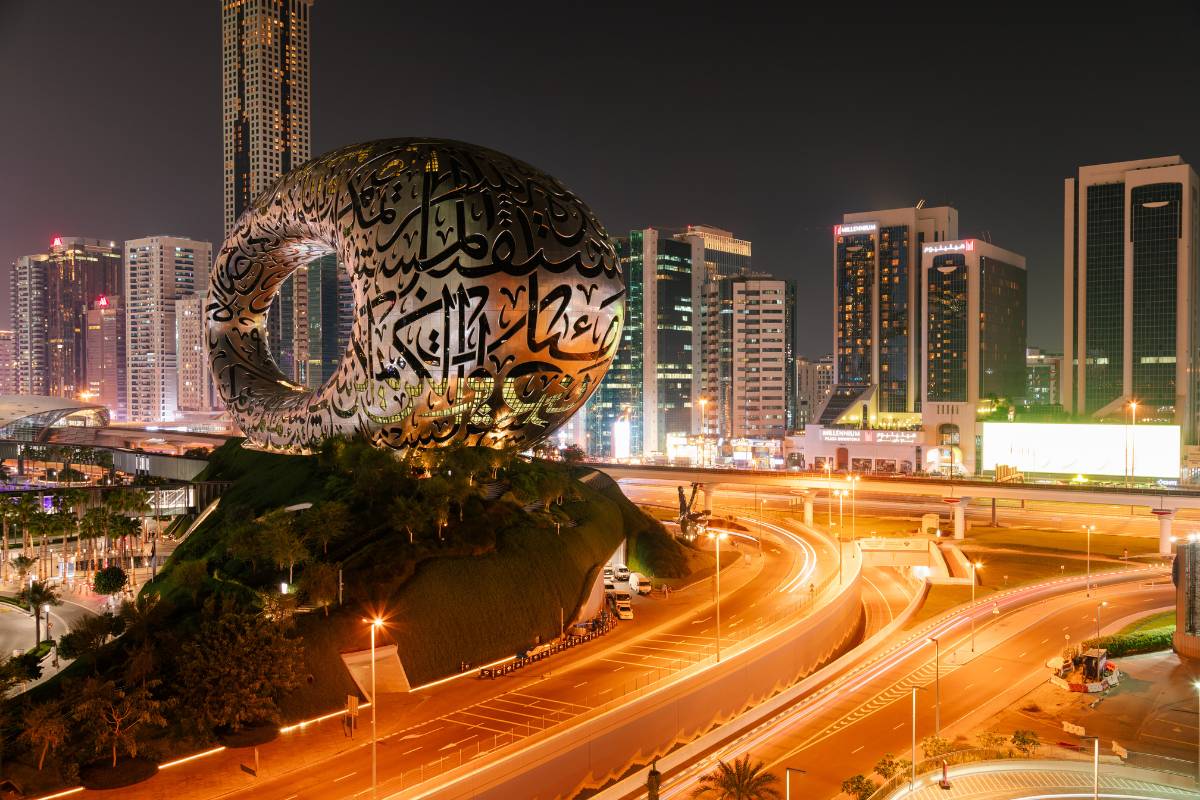
Dubai is a hub of innovation, constantly pushing the boundaries of architecture and design with its impressive developments and recognizable landmarks.

This legacy is extended by The Future Loop, a striking new endeavor revealed by Sheikh Mohammed bin Rashid Al Maktoum on December 7, 2024.

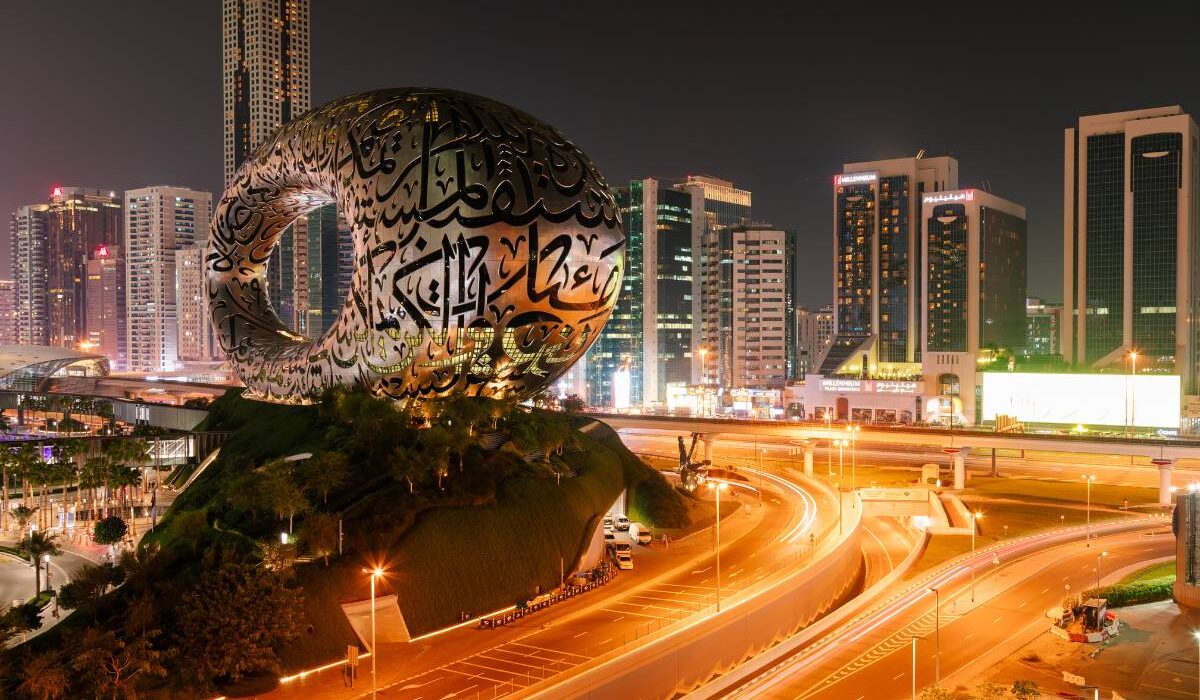
As part of the Dubai Walk Master Plan, a 2-kilometer elevated pathway is being developed to connect prominent landmarks including the Museum of the Future, Dubai World Trade Centre, and Emirates Towers. The Future Loop, with its focus on sustainable practices and pedestrian-friendly features, signifies a transformative development in Dubai’s pursuit of a connected, innovative future.

What is The Future Loop Project in Dubai ?

A revolutionary initiative, the Future Loop in Dubai, will create a 2-kilometer raised pathway connecting several of the city’s most celebrated points of interest. This ambitious undertaking, revealed on December 7, 2024, as part of the Dubai Walk Master Plan, was presented by His Highness Sheikh Mohammed bin Rashid Al Maktoum, Vice President, Prime Minister of the UAE, and Ruler of Dubai. The project seeks to transform urban mobility for both residents and tourists, fostering a more accessible, environmentally conscious, and integrated urban landscape.

Dubai’s Future Loop is designed to make getting around easier and less reliant on cars, reflecting the city’s progressive vision for urban development and sustainability. This enclosed, air-conditioned walkway offers a comfortable and enjoyable experience for people walking through the city at any time of year.

Key Features of Future Loop

A revolutionary initiative, the Future Loop in Dubai, will create a 2-kilometer raised pathway connecting several of the city’s most celebrated points of interest. This ambitious undertaking, revealed on December 7, 2024, as part of the Dubai Walk Master Plan, was presented by His Highness Sheikh Mohammed bin Rashid Al Maktoum, Vice President, Prime Minister of the UAE, and Ruler of Dubai. The project seeks to transform urban mobility for both residents and tourists, fostering a more accessible, environmentally conscious, and integrated urban landscape.

Dubai’s Future Loop is designed to make getting around easier and less reliant on cars, reflecting the city’s progressive vision for urban development and sustainability. This enclosed, air-conditioned walkway offers a comfortable and enjoyable experience for people walking through the city at any time of year.

Feature
Details
Length
2 kilometers
Purpose
The goal is to develop a sustainable urban space where pedestrians can easily and safely move between key landmarks.
Landmarks Connected
With nearby metro stations providing easy access, this area is conveniently located near prominent Dubai destinations including the Museum of the Future, the Dubai World Trade Centre, Emirates Towers, and the DIFC.
Design
These spaces are completely enclosed and climate-controlled with air conditioning, offering widths ranging from 6 to 15 meters.
Sustainability
Encourages pedestrian activity, reduces vehicle dependency, and incorporates natural green open areas.
Commercial Units
The development features 30,000 square meters of green open spaces, along with various commercial establishments.

Landmark Well-Connected

By strategically connecting Dubai’s most recognizable landmarks, the Future Loop improves pedestrian accessibility and fosters a seamless urban experience. Each landmark contributes to the loop’s overall mission of advancing innovation, sustainability, and mobility.

Landmark
Significance
Museum of the Future
Central to the loop, It embodies Dubai's dedication to innovation and its pursuit of a brighter future.
Dubai World Trade Centre
Enhances access to one of Dubai’s primary business and event hubs.
Emirates Towers
Situated in proximity to an iconic structure symbolizing Dubai's standing in the international business community.
Dubai International Financial Centre (DIFC)
With direct pedestrian access to Dubai's financial district, this location is perfectly integrated into the city's business core.
Metro Stations
Public transportation provides easy reach to the loop for everyone, including residents and tourists.

Key Highlights:

Centralized Connectivity: By linking Dubai’s central and most vibrant areas, the loop improves travel efficiency and promotes walking as a mode of transportation.
Tourism Enhancement: It offers visitors a unique walking experience, linking historical sites while showcasing Dubai’s urban innovation.
Ease of Movement: This will reduce or quite Eliminates the need for vehicles between major locations, reduce congestion and promote environmentally friendly travel.

The Future Loop goes beyond simple mobility; it’s a futuristic urban space that fundamentally changes the experience of Dubai’s most recognizable landmarks.

Invest in luxury: A beautiful villa is available in Dubai Land.

The vision behind the Dubai Walk Master Plan

The Dubai Walk Master Plan represents a significant effort to establish Dubai as a global leader in pedestrian-friendly urban design. This plan is consistent with Dubai’s commitment to sustainability, innovation, and the enhancement of urban living, while also ensuring that infrastructure development remains aligned with the city’s rapid growth and future vision.

Big goals of the Dubai Walk Master Plan

Comparing The Future Loop to Global Projects

While The Future Loop is unique to Dubai, it draws inspiration from similar elevated walkways around the world. However, its innovative features set it apart as a cutting-edge infrastructure project.

Comparison to Similar Walkways

Project

Location

Features

High Line

New York City

– A 2.3 km linear park built on a former rail line.
– Open-air design with gardens, art displays, and seating areas.

Garden Bridge

London (proposed)

– Conceptualized as a pedestrian bridge with lush greenery, connecting South Bank and Temple.
– Focus on eco-friendly urban space but faced challenges and was not built.

Unique Features of The Future Loop

  • Air-Conditioned Design: Unlike the High Line or Garden Bridge, The Future Loop offers a fully enclosed and air-conditioned walkway, ensuring comfort in Dubai’s climate.
  • Integration with Iconic Landmarks: It connects major attractions like the Museum of the Future and Emirates Towers, blending functionality with Dubai’s futuristic architecture.
  • Commercial and Green Spaces: Combines 30,000 square meters of greenery with integrated retail and dining units, creating a more vibrant and multifunctional environment.

Future Prospects and Challenges

Timeline and Key Milestones

  • Announcement: December 7, 2024, by His Highness Sheikh Mohammed bin Rashid Al Maktoum.
  • Phased Development: Construction will proceed in stages to ensure minimal disruption to the city’s daily activities.
  • Completion: Targeted for beyond 2040, in line with Dubai’s long-term urban development strategies.

Challenges in Execution

  1. Architectural Harmony:
    • Ensuring the design complements Dubai’s existing landmarks, such as the Museum of the Future and DIFC.
    • Balancing modern aesthetics with cultural and historical considerations.
  2. Minimal Disruption:
    • Constructing elevated walkways and transforming key areas like Trade Centre Roundabout without causing significant traffic or public inconvenience.
    • Managing environmental impact during the construction phase to align with sustainability goals.

Long-Term Vision for Expansion

  • Extending the Pedestrian Network:
    • Integration with the 6,500-meter pedestrian and cycling network under the Dubai Walk Master Plan.
    • Potential for future linkages to other areas, such as the Dubai Marina, Downtown, and emerging neighborhoods.
  • Incorporating Advanced Technology:
    • Smart sensors for monitoring pedestrian flow and energy-efficient systems to minimize operational costs.
  • Creating a Model for Future Cities:
    • As part of Dubai’s vision for 2040, The Future Loop will serve as a blueprint for sustainable urban living, inspiring other cities globally.

Key Takeaways

Aspect

Significance

Global Comparison

Reflects how The Future Loop builds on global ideas but offers features tailored to Dubai’s needs.

Execution Challenges

Highlights the importance of planning and innovation to minimize disruptions and maintain aesthetics.

Future Potential

Positions The Future Loop as a critical component of Dubai’s long-term urban strategy.

Public Reactions and Expert Opinions

The announcement of The Future Loop has garnered significant attention from urban planners, architects, residents, and tourists, highlighting its potential impact on Dubai’s urban landscape and lifestyle.

Expert Insights

Urban Planners and Architects

  • Baharash Bagherian, CEO of URB, emphasized the project’s role in transforming urban mobility: “Our role as urban planners has evolved to become changemakers. THE LOOP is the future of urban mobility infrastructures, which are more than sustainable transport systems.”
  • URB, the developer behind THE LOOP, envisions it as a climate-controlled structure that promotes cycling and walking as primary modes of transportation for Dubai residents throughout the year.

These perspectives underscore the project’s alignment with global trends toward sustainable and active urban living.

Public Reception

Residents

  • Positive Outlook: Many residents view The Future Loop as a progressive step toward a healthier and more connected city, appreciating the emphasis on walkability and reduced car dependency.
  • Concerns: Some express concerns about potential disruptions during construction and the project’s integration with existing infrastructure.

Tourists

  • Attraction Appeal: Tourists are intrigued by the prospect of an air-conditioned, elevated walkway connecting major landmarks, anticipating a unique and comfortable way to explore the city.
  • Sustainability Interest: The project’s focus on sustainability resonates with environmentally conscious travelers, enhancing Dubai’s appeal as a forward-thinking destination.

Overall, the public response reflects a blend of enthusiasm for the innovative aspects of The Future Loop and a desire for careful implementation to ensure minimal disruption and maximum benefit.

The Future of Urban Living in Dubai

Dubai is a city that continually pushes the boundaries of what is possible, and The Future Loop stands as a testament to this relentless pursuit of innovation and sustainability. As part of a larger vision for the city, this project encapsulates Dubai’s dedication to redefining urban living in ways that benefit both people and the environment.

Redefining Urban Spaces

  • Projects like The Future Loop illustrate how urban spaces can be reimagined to prioritize connectivity, sustainability, and comfort.
  • By integrating elevated, air-conditioned walkways with green spaces and commercial areas, Dubai is creating multifunctional environments that cater to the needs of residents and visitors alike.
  • This approach transforms pedestrian infrastructure into more than just a means of transportation—it becomes a vibrant, engaging part of city life.

Alignment with Dubai’s Vision 2040

  • The Future Loop fits seamlessly into the broader goals of the Dubai 2040 Urban Master Plan, which focuses on:
    • Sustainability as a core principle in urban development.
    • Enhanced quality of life for residents by creating walkable, people-centric communities.
    • Reducing the city’s carbon footprint through innovative, eco-friendly infrastructure.
  • Looking beyond 2040, projects like this set the stage for a future where Dubai is not only a hub of economic and cultural activity but also a global leader in sustainable urban design.

A Blueprint for the Future

  • The Future Loop is more than a walkway; it’s a blueprint for how cities can balance growth with environmental and social responsibilities.
  • By embracing cutting-edge technology and innovative planning, Dubai is setting an example for other global cities to follow.
  • As the city evolves, projects like The Future Loop will play a vital role in shaping a sustainable, connected, and inclusive future for everyone who calls Dubai home or visits its shores.

Dubai’s journey toward becoming a city of the future is well underway, and The Future Loop is a shining example of what lies ahead—an urban environment that seamlessly blends innovation, sustainability, and human-centered design to create a truly world-class living experience.

Live the Luxury in Downtown, Properties for Sale in Downtown Dubai

2222222

Frequently Asked Questions (FAQs)

Dubai continues to push the boundaries of urban development with a series of ambitious projects aimed at enhancing sustainability, connectivity, and innovation. Below are detailed insights into these initiatives:

1. What is The Future Loop and where is it located?

The Future Loop is a proposed 93-kilometer sustainable urban highway in Dubai, designed to facilitate walking and cycling as primary modes of transportation. Developed by URB, this climate-controlled pathway aims to connect key areas of the city, enabling residents to access essential services and locations within minutes.

2. How does it benefit Dubai’s residents and visitors?

The Future Loop offers numerous advantages:

  • Health and Well-being: Encourages physical activity by promoting walking and cycling.
  • Environmental Impact: Reduces reliance on cars, thereby decreasing carbon emissions.
  • Convenience: Provides quick access to key services and locations, enhancing daily commutes.
  • Comfort: Features a climate-controlled environment, ensuring usability throughout the year.

3. When will it be completed?

The project is currently in the research and development phase, with no specific completion date announced. It aligns with Dubai’s 2040 Urban Master Plan, aiming to make walking and cycling the primary modes of transport for 80% of residents by 2040.

4. What are the key landmarks connected by The Future Loop?

While the exact route is yet to be finalized, The Future Loop is expected to link significant areas such as:

  • Expo City
  • Al Quoz
  • Downtown Dubai
  • Academic City

This connectivity will facilitate easy access to major destinations across Dubai.

5. How does it align with Dubai’s sustainability goals?

The Future Loop is integral to Dubai’s sustainability objectives:

  • Promoting Eco-Friendly Transport: Encourages walking and cycling, reducing vehicle emissions.
  • Energy Efficiency: Designed to be powered entirely by renewable energy.
  • Urban Greening: Incorporates green spaces, contributing to environmental well-being.

These elements support Dubai’s vision of becoming a leading sustainable city.

6. What are the new projects coming in Dubai?

Dubai has several upcoming mega-projects:

  • Dubai Vertical City: A self-contained, vertical city integrating living, working, and recreational spaces.
  • Baccarat Hotel and Residences Dubai: A luxury development bringing the renowned Baccarat brand to the city.
  • Palm Jebel Ali: A new island project spanning 13.4 sq km, featuring over 80 hotels and resorts.

7. What is the future plan for Dubai?

Dubai’s future plans focus on:

  • Sustainable Development: Implementing projects like The Loop to promote eco-friendly transportation.
  • Urban Expansion: Developing new areas and infrastructures to accommodate growth.
  • Technological Innovation: Integrating smart technologies into urban planning.

These initiatives aim to enhance the quality of life and position Dubai as a global leader in sustainable urban development.

8. What is the future biggest building in Dubai?

The Burj Azizi is an upcoming skyscraper projected to become the world’s second-tallest building upon its completion in 2028, surpassing Malaysia’s Merdeka 118.

9. What is the Hyperloop project in UAE?

The UAE’s Hyperloop project aims to connect Dubai and Abu Dhabi via a high-speed transportation system, reducing travel time to approximately 12 minutes. Developed in partnership with Virgin Hyperloop, it represents a significant advancement in transit technology.

10. How much will the Dubai Hyperloop cost?

While exact figures are not publicly disclosed, the Dubai Hyperloop is a multi-billion-dollar project, reflecting its scale and technological complexity.

11. What happened to the Hyperloop project?

As of recent reports, the Dubai Hyperloop project is in the feasibility study phase, with plans to develop passenger lines in other regions potentially influencing its progress. The projected operational date is around 2030.

12. Which country has Hyperloop?

As of now, no country has a fully operational Hyperloop system. However, several nations, including the UAE, the United States, and India, are actively developing and testing Hyperloop technologies.

13. Why did Hyperloop fail?

The Hyperloop concept has not failed but faces challenges such as high development costs, regulatory hurdles, and the need for extensive testing to ensure safety and efficiency. These factors have delayed widespread implementation.

14. How much does a Hyperloop cost?

The cost of developing a Hyperloop system varies based on factors like route length, terrain, and technology used. Estimates suggest costs ranging from several hundred million to billions of dollars per project.

Dubai’s commitment to innovative and sustainable urban development is evident in projects like The Future Loop and the Hyperloop, positioning the city as a leader in futuristic infrastructure.

The Future Loop is a game-changer for Dubai’s urban landscape, blending sustainability, innovation, and connectivity. As part of the Dubai Walk Master Plan, it enhances pedestrian accessibility, reduces reliance on vehicles, and redefines urban living.

Projects like this solidify Dubai’s position as a global leader in futuristic development, showcasing its commitment to eco-friendly, cutting-edge infrastructure. Stay updated on The Future Loop, and don’t miss the chance to experience this iconic destination once completed!

Dubai’s booming real estate market offers a diverse range of properties to suit various preferences, from ready-to-move-in villas with convenient installment plans to luxurious apartments for sale in Downtown. Whether you’re looking for a prestigious home or flexible financing options, Dubai has it all. For those interested in high-end living, townhouses in iconre communities stand out for their elegance and prime locations.
iconre.co

You Need to Know Everything About Deposit Service by DLD

You Need to Know Everything About Deposit Service by DLD

For secure property transactions in Dubai, the Dubai Land Department (DLD) offers a Deposit Service designed to protect buyers’ investments. As Dubai becomes a more significant player in global real estate, understanding this service is vital for anyone involved in the market. This guide provides a comprehensive look at the DLD Deposit Service, including its processes, the advantages it offers, answers to common questions, upcoming developments, and practical guidance for navigating Dubai’s property market.

What is the Deposit Service by DLD?

The Dubai Land Department (DLD) Deposit Service is a government initiative to protect property buyers in Dubai. By requiring deposits to be paid directly to the DLD, this service reduces risks for buyers and sellers. This system ensures that buyers’ funds are safeguarded until the property transaction is complete, boosting confidence in Dubai’s real estate market.

Purpose of the Deposit Service

1. Buyer Protection:  The primary goal of the Deposit Service is to protect purchasers’ funds and prevent misuse by developers. It ensures that funds are held securely until the property transaction is complete.

2. Transparency in Transactions: The ability for purchasers to observe the status of their deposited funds cultivates responsible conduct among developers and enhances transparency within real estate transactions.

3. Encouraging Efficient Transactions: The DLD facilitates more rapid transactions by implementing a simplified deposit procedure, thereby mitigating the potential for delays arising from misunderstandings or administrative complexities.

4. Regulatory Compliance: The DLD facilitates more rapid transactions by implementing a simplified deposit procedure, thereby mitigating the potential for delays arising from misunderstandings or administrative complexities.

A Guide to: How Does the Deposit Service Work?

1. Purchase Initiation: Upon signing a sales agreement with a developer for a property purchase, the buyer initiates the deposit process. This usually requires a payment equal to approximately 10% of the total purchase price.

2. Payment to DLD: To ensure the secure holding of funds in escrow, buyers should make deposit payments directly to the Dubai Land Department (DLD) via their official website.

3. Issuance of Receipt: After payment processing is complete, the Dubai Land Department (DLD) issues a confirmation receipt to the buyer. This receipt serves as official transaction documentation and is essential for any subsequent related processes.

4. Developer Notification: Once the deposit is received, the Dubai Land Department (DLD) informs the developer that the buyer has fulfilled their obligations under the sales agreement.

5. Completion of Sale: The DLD protects buyers by ensuring the return of their deposit should a property purchase not proceed as planned. Once the sale is successfully completed, as per the sales contract, the deposit is then transferred to the developer.

Benefits of the Deposit Service by DLD

  •  Funds Security: Protecting buyer deposits until the sale is complete helps prevent fraud and financial problems.  
  • Regulatory Compliance: To ensure compliance with UAE regulations, the DLD oversees real estate transactions, providing legal protection for both buyers and sellers.  
  • Dispute Resolution Mechanism: The DLD acts as an unbiased mediator in the event that disagreements emerge over the deposit or the transaction itself. This guarantees a just and equitable resolution procedure that upholds the rights of all parties.  
 
  • Efficiency in Transactions: The streamlined deposit procedure, achieved through the reduction of administrative obstacles, accelerates transaction completion and enhances satisfaction among buyers and developers.

DLD Deposit Account FAQs

1. How can I place a deposit to secure a property I want to buy?

Start your deposit by going to the DLD’s official website. Look for the Deposit Service area, which provides clear guidance on how to securely submit your payment.

2. What are the deposit implications if I choose not to proceed with the purchase?

In the event that a buyer withdraws from a purchase after submitting a deposit, the provisions of the sales contract will determine the refund process. Prospective buyers are advised to familiarize themselves with these provisions prior to proceeding.

3. Is it a requirement to use the Dubai Land Department’s deposit service for every real estate transaction?

It’s important to check with your developer or real estate agent about deposit requirements, as they can vary depending on the type of transaction. While developers often recommend or even require a deposit service, it’s not always necessary.

4. What’s the procedure for handling deposits correctly?

To protect your deposit and ensure a smooth transaction, always use the Dubai Land Department’s official channels. Can the DLD’s deposit service be used for off-plan property investments?

5. Can I use the Deposit Service when buying off-plan?

Yes, The Dubai Land Department (DLD) has established a Deposit Service specifically to ensure the security of investments made in off-plan property purchases.

The Future of the Deposit Service by DLD

To remain effective in Dubai’s dynamic real estate landscape, the DLD’s Deposit Service will likely adapt to shifting market conditions. This could lead to future developments such as:

Enhanced Customer Support: To make the Deposit Service more accessible, the DLD is considering implementing stronger customer support resources, such as chatbots and dedicated support lines, to handle buyer inquiries.

Ongoing Developer Training: Developers will benefit from ongoing training designed to provide a deep understanding of Deposit Service processes and applicable laws. This practical knowledge will lead to fewer errors and better compliance.

integration with Other Real Estate Services: By combining the Deposit Service with other Dubai Land Department (DLD) resources, buyers can access a complete range of property-related services, such as title registration, property valuation, and dispute resolution.

Increased Awareness and Education: The DLD has the option to conduct workshops and informational programs designed to educate buyers regarding the Deposit Service and their associated rights and responsibilities within real estate transactions, thereby cultivating a more knowledgeable marketplace.

Tips for Navigating the Deposit Service by DLD

1. Understand the Terms: Before you sign on the dotted line for a sale, make sure you’re clear on the deposit. That means knowing how refunds work and what it might cost you if you change your mind.

2. Keep Documentation: It’s crucial to maintain detailed records of all deposit-related transactions. Be sure to keep copies of confirmation receipts and any emails or letters exchanged with the developer or the DLD.

3. Seek Professional Guidance: To avoid potential issues and ensure a clear understanding of your rights and obligations concerning the deposit, consider consulting a qualified real estate professional or legal advisor.

4. Stay Informed: Changes to the Dubai Land Department’s (DLD) Deposit Service regulations and procedures can have implications for your investments, so staying up-to-date is crucial.

5. Use Official Channels: To maintain the security of your investment and ensure compliance with Dubai’s real estate regulations, it is essential to make all deposit payments through the official channels provided by the Dubai Land Department. Avoid any private agreements or transactions that are not recorded with the DLD.

Real-Life Scenarios Involving the Deposit Service

To help you understand the DLD Deposit Service better, we’ve provided some real-life examples of how it’s used.

Scenario 1: First-Time Homebuyer

Imagine a first-time homebuyer in Dubai, ready to invest in an off-plan apartment. After choosing their ideal property and reviewing the purchase agreement, they discover the Dubai Land Department’s (DLD) deposit protection service. Reassured that their funds will be held securely by a trusted third party, the buyer confidently moves forward with the purchase, making their deposit payment directly through the DLD’s secure online portal. Should circumstances change and the buyer needs to withdraw from the purchase, the official DLD receipt simplifies the process of receiving a full refund of their deposit.

Scenario 2: Investor with Multiple Properties

To mitigate risk while expanding their real estate portfolio, an investor strategically invested in several off-plan properties from different builders. Utilizing the DLD’s deposit protection mechanism for all payments provided peace of mind and facilitated seamless transactions, safeguarding their investments.

Scenario 3: Dispute Resolution 

A homebuyer found themselves in a difficult situation when the developer failed to begin construction on their purchased property, despite repeated promises. Concerned about the security of their deposit, the buyer sought assistance from the Dubai Land Department (DLD). The DLD intervened, examining the relevant paperwork and confirming the protection of the buyer’s funds. Through DLD mediation, the buyer and developer reached a mutually agreeable outcome, offering the buyer the choice of a full deposit refund or the option to select a different property.

Conclusion

Dubai’s real estate market offers strong protections for buyers through a dedicated deposit management system overseen by the Dubai Land Department (DLD). This system provides transparency and security, giving investors confidence in their property purchases.

Understanding the Dubai Land Department’s (DLD) Deposit Service is crucial for making informed real estate decisions and protecting your investments. This service offers a secure and streamlined transaction process for all types of property purchases, from family homes and vacation properties to investment units.

For further assistance or inquiries about the Deposit Service by DLD, do not hesitate to reach out to the Dubai Land Department or consult with a qualified real estate professional. By arming yourself with the right knowledge and support, you can make the most of your property investment journey in Dubai’s thriving market, ensuring a successful and rewarding experience.

iconre.co

Dubai’s Indian Community: Lifestyle, Opportunity & More

Dubai’s Indian Community: Lifestyle, Opportunity & More

Indians make up a significant portion of the Emirates’ population, with roughly 30% of residents hailing from India. Dubai, Abu Dhabi, and Sharjah are the most popular cities for Indian expats. Beyond contributing to the workforce, Indians have enriched Dubai’s culinary and entertainment landscape. Its proximity to India has made Dubai a beloved second home for many Indians. Discover the allure of Dubai for Indian expats and why it’s the top choice for work and life.

Indian Expat Life in Dubai

Dubai has become a second home for many Indian expats, offering a wealth of familiar experiences. The city is brimming with entertainment options, restaurants, and stores that cater to the tastes and preferences of the Indian community.

ACCOMMODATION

Indian expats in Dubai have a diverse range of neighborhoods to choose from. Popular rental areas include Jumeirah Village Circle (JVC) and Al Nahda. For those seeking flats, Bur Dubai, Dubai Sports City, Al Furjan, and JVC are excellent options. Villa enthusiasts often gravitate towards Mirdif and Al Barsha.

Indian Restaurants in the UAE

Indian cuisine is well-represented in Dubai, with a variety of restaurants catering to different tastes. From humble street food vendors to sophisticated fine dining establishments, there’s a restaurant for everyone. Consider these popular choices:

  • Suja’s Kitchen
  • Barbeque Nation
  • Zafran Indian Bistro
  • Farzi Cafe
  • Indya by Vineet
  • Indigo by Vineet
  • Tresind

Dubai is home to a plethora of Indian restaurants, each offering a unique and authentic culinary experience.



INDIAN STORES IN DUBAI

Dubai is home to a diverse range of Indian shops, catering to the needs of the Indian expat community. From grocery stores like Malabar Supermarket in Deira and Madhoor Supermarket in Al Fahidi to jewelry stores like Anantha’s Indian Mart in International City, you can find it all.

Dubai’s tax-free status on gold and its reputation for high-quality gold make it a popular choice for Indian expatriates seeking to buy gold jewelry. The city’s gold markets, including Deira Gold Souk, offer a wide variety of designs and styles to cater to diverse preferences.

INDIAN SCHOOLS IN DUBAI

Parents in Dubai can choose from a variety of Indian schools. These schools offer ICSE and CBSE curricula, providing high-quality education that meets global standards. Some of the top Indian schools in Dubai include:

  • Indian High School
  • Delhi Private School Dubai (DPS)
  • GEMS Our Own Indian School
  • Springdales School

Many Indian families in Dubai opt for schools that follow the British, IB, or American curriculum. Education is a significant expense for Indian expatriates living in Dubai.

PLACES OF WORSHIP IN DUBAI

Indian expats can enjoy a comfortable life in Dubai, where religious diversity is celebrated. The city boasts a variety of places of worship, such as magnificent mosques, churches, a Sikh Gurudwara, and Hindu, Jain, and Buddhist temples.

ENTERTAINMENT OPTIONS

Dubai offers a diverse cinematic experience for Indian residents, with screenings of the latest Bollywood and Hollywood films. Additionally, Telugu, Tamil, and Malayalam movies are regularly shown in most cinema chains across the city. Indian entertainment enthusiasts can also enjoy live performances by actors, singers, musicians, and comedians who frequently visit Dubai for shows and concerts.

Meanwhile, Dubai’s Buzzing nightlife scene is a major draw for Indian tourists.Cricket fans can experience the thrill of live matches at the iconic Dubai International Cricket Stadium, a venue that has hosted world-class events such as the T20 World Cup, Asia Cup, and Indian Premier League. Additionally, the city serves as the global headquarters for the International Cricket Council.

OPPORTUNITIES FOR INDIANS IN DUBAI

Indians in Dubai are making significant contributions to various sectors, including healthcare, finance, education, and retail.
Additionally, Indian entrepreneurs in Dubai have established renowned brands and franchises such as Lulu Hypermarket, Landmark Group, Jumbo Electronics, Danube, and Aster DM Healthcare.

The emirate is a hub of opportunity for Indian professionals, with jobs available in every sector.

Indians can now invest in Dubai’s thriving real estate market. Foreign buyers can purchase properties in designated freehold areas, which include some of the city’s most sought-after residential developments.

Entrepreneurs and investors seeking to establish businesses in Dubai can apply for residency visas. These visas, often referred to as Golden Visas, can be granted for 5 or 10 years. They allow visa holders to reside in the UAE, own businesses, and travel freely within the country. Additionally, visa holders may bring their families and business partners to the UAE.

FAQS

Where to Find the Best Indian Food in Dubai Marina?
Looking for a taste of India in Dubai Marina? Many restaurants in the area offer delectable Indian dishes. Some popular choices include Indego by Vineet and Tresind.

In Dubai, which Indian schools are the best?
Thinking about Indian schools in Dubai for your kids? Check out this list of top-rated Indian schools in Dubai.

  • The Indian High School (IHS)
  • Delhi Private School
  • Primus Private School
  • GEMS Our Own Indian School Dubai
  • GEMS New Millennium School
  • Springdales School
  • GEMS Our Own English High School
  • Pearl Wisdom School
  • The Indian Academy, Dubai
  • Global International Indian School
  • ICSE Indian Schools in Dubai
  • Ambassador School
  • JSS International School
  • NEW INDIAN MODEL SCHOOL DUBAI

We hope this guide has been helpful in understanding life in Dubai for Indians! Dubai has taken strides to welcome the Indian community, making them a valued part of the city. With abundant opportunities, Dubai offers a bright future for Indian expatriates.

Thinking of relocating to Dubai? Before you make the move, it’s crucial to understand the visa process, cost of living, and other essential aspects of moving from India to the UAE.

Follow Iconre.co for the most recent property market insights and event announcements.

iconre.co

Myths about Dubai’s lifestyles

Myths about Dubai's lifestyles

Many misconceptions about life in Dubai can skew your perception. High rent, pet restrictions, and mandatory Arabic education for children are just a few of the common myths. Let’s dispel these false beliefs and uncover the truth.

Muth 1. It's very high rent in Dubai

This just isn’t true. There are many types of accommodation options, including both expensive and budget. It all depends on your personal preferences, financial abilities, the type and size of the property, the location, and the amenities available at the complex.

Let’s consider a family with one child and a monthly income of approximately AED 15,000 (USD 4,000). If they aim to spend around AED 3,600 (USD 1,000) per month on housing and prefer a 2-bedroom apartment in a neighborhood with good amenities like schools, kindergartens, parks, and shops, they could potentially find suitable options in the following areas:

Neighbourhood
Average yearly rental price for 2-bedroom apartments as of July 2023
Al Muhaisnah
AED 39K (USD 10.6K)
Al Qusais
AED 43K (USD 11.7K)
Al Warsan
AED 46K (USD 12.5K)
Al Quoz
AED 50K (USD 13.6K)
Dubai South
AED 55K (USD 14.9K)

Let’s calculate monthly expenses, if a family earns 15,000 UAE Dirhams (4,000 US Dollars) per month. After budgeting 3,600 UAE Dirhams (1,000 US Dollars) for housing, they have approximately 11,000 UAE Dirhams (3,000 US Dollars) remaining for other monthly expenses. this amount can cover costs such as groceries, clothing, entertainment, tuition fees, utilities, and other miscellaneous expenses With careful planning.

Dubai’s rental market provides more affordable options for 2-bedroom apartments than many other major cities. To illustrate, here’s a comparison of yearly rental prices as of July 2023:

Dubai
AED 46K (USD 12.5K)
Sydney
AED 132K (USD 36K)
London
AED 235K (USD 54K)
Hong Kong
AED 290K (USD 79K)
Niseko
AED 304K (USD 83K)

Myth 2. To get a work visa, you must be working in a Dubai company.

This isn’t mandatory, In addition to employer-sponsored work visas, foreign nationals can obtain a Green Visa. This visa category is available to freelancers, students, investors, and self-employed individuals.

A Green Visa is valid for five years and grants the following privileges:

    • to live, study, work, open a bank account, and avail of other services in the UAE
    • to sponsor parents, sons who are under 25 years of age, and unmarried daughters of any age
    • to circumvent the need for a local sponsor or employer

Note: To understand the Green Visa program better, its eligibility criteria, and learn how to apply for it.

Myth 3. Pet owners face limited housing options.

Although not all areas of Dubai allow pets, many communities welcome furry companions. If you’re moving to Dubai with your pet, consider these areas:

  • Jumeirah Village Circle;
  • Dubai Hills Estate;
  • Downtown Dubai;
  • Jumeirah Lake Towers;
  • Dubai Sports Cit

These neighborhoods offer a range of pet-friendly amenities, including parks for walks, veterinary clinics, pharmacies, pet shops, grooming salons, and pet-friendly establishments.

Note: Need help finding the best pet-friendly Communities? We can assist.

Myth 4. Dubai is one of the most expensive cities in the world.

A single person in Dubai can expect to spend approximately AED 3,600 (USD 1,000) per month on essential living expenses such as food, transportation, utilities, and entertainment. This estimate is based on data from Numbeo and does not include housing costs.

To estimate the cost of living for a household of three—two adults and one child—we must account for fundamental expenses including groceries, transportation, utilities, education fees, and clothing.

A single shopping cart of milk, bread, a 12 count carton of eggs, 2.2lbs of meat, 2.2lbs of potatoes, 2.2lbs of rice, 1.5 litres of water, and 2.2 lbs of apples
AED 84.4 (USD 23)
Public transport – monthly pass
AED 319.5 (USD 87)
1 litre of gas
AED 3 (USD 0.86)
Utility costs – electricity, heating, cooling, water, and garbage disposal – for a 915-sq.-ft apartment
AED 697 (USD 190)
Gym membership – monthly pass
AED 260 (USD 71)
Yearly tuition fees for one child at an international school
AED 46.2K (USD 12.6K)
Clothes and shoes from mass-market retailers
AED 778.6 (USD 212)

A three-person family can comfortably live on a monthly budget of around AED 8,600 (USD 2,300), excluding housing costs.

Myth 5. Arabic language proficiency is mandatory for enrollment.

Dubai offers a wide array of international schools. Instruction is provided in several languages, depending on the school and curriculum.

You can choose from various education systems, including European, British, and American.

School
Education System
Teaching Language
German International School Shrjah
German
English and German
Dubai British School
British
English
Al Mizhar American Academy
American
English
Russian International School
Russian
English and Russian
Our Own High School, Al Warqa
Indian
English
luxuryspaces.co

What You Need to Know About Moving

What You Need to Know About Moving

Introduction

Moving isn’t just about packing up your belongings and hiring a truck — it’s a major life event that marks the beginning of a new chapter. Whether you’re relocating for better opportunities, family needs, or simply a lifestyle upgrade, the process involves much more than shifting boxes. It’s emotional, logistical, and—if not handled properly—stressful.

In 2025, the way people move is evolving. With remote and hybrid work now a permanent fixture, many individuals and families are leaving high-density metro areas in favor of quieter, more affordable Tier-2 cities. This shift has increased property demand in emerging locations, reshaping how and where people choose to live. At the same time, urban migration remains strong, especially among young professionals looking for better infrastructure, connectivity, and community living.

Relocating to a new area can be a major life event, filled with both excitement and stress. From finding the right neighborhood to hiring reliable movers, there are numerous details to manage. Let’s explore practical tips to navigate the challenges and make your move as seamless as possible.

What You Need to Know About Moving

Here are some crucial tips to remember when relocating to a new place, whether it’s Dubai, Canada, or anywhere else in the world.

1. When relocating to a new area, do some research about the neighborhood.

Safety should be a top concern when exploring a new neighborhood. Consider using online tools such as police department websites or crime mapping services to gain insights into the area’s safety.

One of the best ways to acclimate to your new neighborhood is to interact with local residents. Feeling safe and supported in your new home is paramount, and a friendly community can add an extra layer of comfort and security.

Timing Your Move Smartly

When it comes to moving, timing is everything. The right move at the right time can save you money, reduce stress, and make the entire transition smoother—especially in today’s dynamic real estate environment.

Best Seasons & Months to Move (2025 Trends)

If you have flexibility, aim for the shoulder seasons: February–April and August–October. During these months, weather conditions across most of India are more favorable, and demand for packers, movers, and rental vehicles is moderate. This means better availability, lower rates, and fewer scheduling conflicts.

Peak summer months (May–June) tend to be busy, especially in northern India, and rates are often inflated due to school holidays. Meanwhile, the monsoon season (July–early August) can cause delays and damage during transit—especially in flood-prone areas.

For metro cities like Bangalore, Pune, or Hyderabad where IT and tech professionals move frequently, year-round activity is common—but prices spike during financial year-end (March) and festive months (September–November).

Weekday vs Weekend Moves: Pros & Cons

OptionProsCons
Weekday MovesLower rates, more mover availability, less trafficMay require taking leave from work
Weekend MovesConvenient for families, no work disruptionHigher demand, often pricier, limited slots

If you can afford a day off, mid-week moves (Tuesday–Thursday) are often the sweet spot—less rush, better service, and even lower quotes from logistics providers.

Consider School Calendars, Job Changes & Lease Deadlines

Timing your move around school schedules is crucial if you have kids. Aim for the April–May window, which aligns with most school summer breaks, giving children time to adjust before the new academic year begins.

For job relocations, coordinate your notice period, handover, and joining date to avoid last-minute panic. And if you’re in a rental, keep in mind that most leases require a 1-month notice—so plan your move accordingly to avoid paying double rent or losing your deposit.

Pro Tip: If you’re both selling and buying, align your closing dates and possession timelines smartly—so you don’t end up “between homes

Budgeting for the Move

Relocating to a new home in Dubai—whether within the city or from overseas—is a big financial step. While most people focus on rent or purchase costs, the actual moving expenses can add up quickly if not planned well. Let’s break down what to expect, what’s often forgotten, and how to decide between DIY and professional movers in today’s market.

Realistic Cost Breakdown (Dubai, 2025)

Here’s a typical estimate for a mid-range move within Dubai for a 1–2 bedroom apartment:

ItemEstimated Cost (AED)
Professional Movers & Packers800 – 2,500
Packing Materials100 – 300
Move-in Cleaning300 – 700
Move-out Cleaning (if required)250 – 600
DEWA Deposit (Water & Electricity)2,000 (refundable)
Internet Installation (e.g., Etisalat/Du)200 – 500
Tenancy Contract Registration (Ejari)195
Move Permit (for buildings/communities)0 – 500

Tip: Always confirm if your building or community requires a move-in permit—especially in freehold or gated communities like Jumeirah Village Circle or Dubai Marina.

Hidden Costs Many Buyers Forget

Moving isn’t just about trucks and tape. These less obvious expenses can catch you off guard if you’re not prepared:

    • Utility disconnection/connection fees
      (e.g., DEWA, air conditioning charges in chiller-free buildings)

    • Elevator booking or building access deposit

    • Painting or minor repairs in your old unit (often required before handing it over)

    • New furniture or appliances

    • Service charge adjustments (if you’re buying a property mid-year)

Pro Tip: Ask for a full cost sheet from your agent or relocation company before committing to the move.

DIY vs. Professional Movers – What’s Right for You?

Choosing between doing it yourself and hiring professionals depends on your budget, time, and complexity of the move.

TypeWhen It Makes SenseConsiderations
DIY MoveMoving a small studio or 1BHK; tight budgetRequires renting a vehicle, buying packing materials, heavy lifting, and handling building permits
Professional MoversFamilies, larger apartments or villas, high-value itemsFaster, safer, includes packing/unpacking; most offer insurance and permit coordination

In Dubai’s fast-paced lifestyle, professional movers are worth the investment—especially if you’re relocating with children, pets, or expensive furniture. Many offer same-day service with full unpacking, allowing you to settle in without chaos.


Moving is more than just transportation—it’s a financial transition too. Plan your budget early, add a buffer for surprises, and work with professionals who know the Dubai property landscape inside-out.

Choosing a Reliable Moving Company

Whether you’re moving from Downtown Dubai to Jumeirah or relocating internationally from the UAE, choosing the right moving company can make or break your experience. A professional mover doesn’t just transport your belongings — they ensure peace of mind during a major life change.

Here’s how to choose wisely in today’s fast-paced Dubai market:

What to Check Before Booking a Mover

  1. Valid Trade License:
    Ensure the company is registered with the Dubai Economic Department (DED) and has a valid license to operate moving or relocation services.

  2. Insurance Coverage:
    Ask whether they provide transit insurance and liability protection. In case of damage or loss, especially for international or high-value property moves, insurance is non-negotiable.

  3. Customer Reviews & Ratings:
    Check platforms like Google, Trustpilot, and ServiceMarket for real user experiences. Look for consistency in service quality, punctuality, and communication.

  4. Experience with Real Estate Moves:
    If you’re buying, selling, or renting in Dubai, it helps to hire a mover who understands community rules (e.g., Emaar, Nakheel), security gate passes, and move-in/move-out permits.


Red Flags to Avoid

    • Too-good-to-be-true quotes: Very low pricing often leads to hidden fees or poor handling of your belongings.

    • No physical address or office: Always verify the company’s location. Avoid WhatsApp-only operators with no business verification.

    • Lack of written contracts: Never agree to move without a detailed service agreement. Verbal commitments are risky.

    • Cash-only demands: This could indicate an unlicensed or untraceable operator.

How to Compare Quotes Fairly

When comparing quotes from different movers in Dubai, consider:

Preparing Your New Home

Moving into a new home is more than just shifting boxes—it’s about making sure the space is fully functional, safe, and ready for you to live comfortably from day one. Before your moving truck arrives, here are the key steps to ensure your new home is prepped and welcoming.


Do a Pre-Move Walkthrough

Before unpacking even a single box, take time to walk through your new home. This is your chance to inspect the property and confirm everything is in order.

Checklist:

    • Are repairs (promised by the seller or landlord) completed?

    • Do doors and windows open, close, and lock properly?

    • Are all appliances functioning as expected?

    • Are wall sockets, lights, and fans working?

    • Is there any visible damage or leakage?

Tip: If your home was purchased recently, this walkthrough should ideally happen before the final handover. Bring a notepad—or better, your phone—to take photos of anything that needs attention.

Set Up the Essentials: Electricity, Water, Internet

In today’s connected world, a functioning home means more than just walls and a roof. Your utilities need to be ready before moving in.

Electricity & Water

    • Make sure the utility bills are transferred to your name (if owned) or started fresh (if rented).
    • Check the water pressure and ensure both hot and cold systems are operational.
    • In some gated communities or urban areas, registration with the local society is required to activate services—plan this ahead.

Internet & Wi-Fi

    • Book your broadband installation 2–5 days in advance.

    • Choose fiber broadband if available in your area—it’s faster and more reliable.

    • Some ISPs offer express installation for new movers, especially in metro cities.

   Pro Tip: In cities like Bangalore, Pune, or Gurgaon, society-managed Wi-Fi is common—check with the RWA (Resident Welfare Association) for available providers.

Safety Checks: Better Safe Than Sorry

Before settling in, ensure your home is secure and equipped for emergencies.

Security Measures

    • Change the locks, especially if you’re moving into a resale property or previously rented home.

    • Install or test security systems (CCTV, doorbell cameras, or smart locks).

    • If you’re in an apartment, make sure the intercom works properly.

Fire & Electrical Safety

    • Confirm that fire alarms or smoke detectors are installed and functional.

    • Check the condition of the main circuit breaker.

    • Avoid using damaged extension cords or outdated switchboards—replace them immediately.

Family Safety

    • If you have kids or elderly parents, inspect for sharp corners, loose tiles, or slippery areas.

    • Install safety gates or grills on balconies if needed.

Preparing Your New Home

Congratulations, you’ve moved into your new Dubai home — now what? The unpacking might still be overwhelming, but this phase is where your new house begins to feel like home. Here’s how to settle in without the stress:


Quick Unpacking Strategy

Not everything needs to be unpacked in one go. Start smart by focusing on the three most essential areas:

    • Bedroom: Set up your bed, curtains/blinds, and essential clothing first. A good night’s rest is crucial after a tiring move.

    • Kitchen: Get the basics running — fridge, microwave, cutlery, water filter, and a few cooking utensils. You don’t need a full kitchen setup on day one.

    • Bathroom: Stock toiletries, towels, and cleaning supplies. Ensure water heaters and fittings are functioning, especially during Dubai’s cooler months.

Moving Timelines When Buying and Selling at the Same Time

Whether you’re upgrading to a new luxury apartment in Downtown Dubai or selling your villa in Arabian Ranches, timing your move right is crucial. Here’s what to keep in mind if you’re both buying and selling in today’s market:

In Dubai’s fast-paced market, property transfers often happen quickly—especially in freehold areas. If you’re selling one property while buying another:

    • Plan your handover timelines carefully. Most developers and communities (like Emaar, Nakheel, or Damac) have specific handover and clearance requirements.

    • Aim to sell before you buy unless you can financially manage owning both homes temporarily.

    • Consider using Form F (Sales Agreement) and MOU timelines strategically to align both transactions.

The Dubai Land Department (DLD) now offers streamlined digital transfers, so you can manage both sales in parallel more efficiently than before.

Working with Your Agent to Time Closings and Possession

Your agent is your biggest ally when timing a move between properties. Here’s how they can help:

    • Negotiate extended handovers with buyers or sellers if your timelines don’t perfectly align.

    • Use rent-back clauses (post-sale occupancy) when selling your home first but needing a few extra weeks to move out.

    • Secure pre-possession agreements when buying, allowing you to start moving in before full ownership—common in off-plan resale cases.

In Dubai, possession usually happens after NOC clearance, final payment, and DLD transfer—so involve your agent early to coordinate these steps.

Renting Temporarily vs. Bridge Loans

If there’s a gap between selling your current property and moving into the new one, you generally have two options in Dubai:

1. Short-Term Renting

    • Dubai’s booming short-stay market (Airbnb-style or serviced apartments) makes this option flexible.

    • Ideal for families who want to take time to settle or renovate the new property.

    • Many communities like JLT, Dubai Hills, and Business Bay offer fully furnished 1–3 month leases.

2. Bridge Financing (Less Common but Growing)

    • While traditional bridge loans are rare in the UAE, private banks and real estate-backed loans are emerging as alternatives.

    • These loans help you secure a down payment for your next property while waiting for your old one to sell.

    • Requires excellent credit and may involve higher interest, but some developers offer structured payment plans that work similarly

Conclusion

Moving to a new home doesn’t have to be overwhelming—especially when you’re equipped with the right knowledge and a smart plan. In today’s fast-paced real estate landscape, whether you’re relocating within Dubai, upgrading to a luxury apartment, or moving closer to work or schools, preparation is everything.

From understanding local moving costs to choosing the right time and partner for your move, each step plays a key role in ensuring a smooth transition. With Dubai’s real estate market offering diverse residential options—from waterfront villas to high-rise city living—having a trusted real estate expert by your side can make all the difference.

Let our team at Iconre guide you through every step—from property search to final move-in. Whether you’re buying, selling, or relocating, we’re here to help you make confident, well-informed decisions.

iconre.co

The Impact of Automated Renewal Services on Maximizing ROI

The Impact of Automated Renewal Services on Maximizing ROI: Revolutionizing Property Management

The Dubai real estate market is dynamic and competitive. To thrive in this environment, you need a partner who’s innovative, efficient, and forward-thinking. fäm Property Management has been providing top-notch property management services for 15 years. Our extensive knowledge of Dubai’s real estate market ensures your properties are well-managed.

Introducing Our Automated Renewal Service

Experience the future of property management with our exclusive automated renewal service. This in-house solution streamlines the renewal process, allowing landlords to maximize their investment returns.

What is the Automated Renewal Service?

Iconre Management offers an automated renewal service, powered by our in-house technology and CRM system.

Traditional property management often involves manual processes and a reactive approach. This service, on the other hand, leverages advanced automation to streamline lease renewals. From sending timely reminders and coordinating with landlords and tenants to finalizing agreements and ensuring compliance with Dubai’s real estate laws, every step is automated for maximum efficiency.

Traditional Renewal Challenges

In today’s fast-paced, tech-driven property market, manual lease renewal processes are no longer just inefficient—they’re costly. While many property managers still rely on phone calls, spreadsheets, and scattered email threads, these outdated methods pose several serious challenges:

1. Manual Follow-ups Lead to Delays and Errors

Chasing tenants manually for lease renewals is time-consuming and prone to errors. In a world where everything from food to finances is automated, tenants expect a smooth, digital experience. Missed reminders, delayed communications, or simple clerical mistakes can cause unnecessary confusion—and lost revenue.

2. Miscommunication Causes Friction

Without a structured, centralized system, renewal terms can get miscommunicated. Whether it’s a rent hike, policy change, or lease term clarification, tenants often receive incomplete or inconsistent information, resulting in dissatisfaction or disputes. And in the age of online reviews, one bad renewal experience can damage your reputation.

3. Tenant Attrition Due to Inconsistent Engagement

Renewals aren’t just paperwork—they’re an opportunity to rebuild tenant loyalty. When property managers fail to stay proactive and communicative as lease end dates approach, tenants feel neglected. This increases the chances they’ll explore other housing options, especially in competitive urban markets.

4. Revenue Loss from Vacancies and Unoptimized Lease Terms

Every day a property sits vacant is lost income. Traditional systems often fail to alert property managers well in advance of expiring leases, resulting in rushed negotiations or avoidable vacancies. Moreover, lease renewals handled manually often miss timely rent escalations, leaving potential gains on the table—especially during inflationary periods or rising market demand.

In short, traditional renewal methods are no longer aligned with tenant expectations or today’s business realities. As property portfolios grow, relying on old systems only magnifies inefficiencies—and chips away at ROI.

Benefits of Automated Renewal Systems

As the real estate and property management industry continues to digitise in 2025, automated renewal systems have emerged as one of the most impactful tools for landlords and property managers. These systems don’t just save time—they directly contribute to profitability, tenant satisfaction, and long-term ROI. Here’s how:

A. Higher Tenant Retention

One of the biggest reasons tenants leave a property is poor communication—especially around lease renewals. With automation, property managers can schedule timely reminders, send renewal notices in advance, and even personalise offers based on tenant history.

Instead of waiting until the last moment (or worse, forgetting), tenants receive clear, consistent updates—making the renewal process simple and stress-free. In today’s competitive rental market, this level of convenience can significantly boost retention rates.

Bottom line: Hassle-free renewals make tenants more likely to stay, which reduces turnover costs and keeps occupancy rates high.

B. Improved Operational Efficiency

Manual tracking of dozens—or even hundreds—of lease agreements is no longer sustainable. Automated renewal services eliminate repetitive tasks such as tracking expiration dates, preparing renewal letters, and following up with tenants.

For property managers and landlords, this means:

    • Fewer errors.

    • Less paperwork.

    • More time for strategic planning, portfolio growth, or tenant relationship-building.

In an era where efficiency directly affects competitiveness, automation is becoming less of a luxury and more of a necessity.

C. Optimised Lease Terms

Modern renewal systems often integrate with real-time market analytics, allowing managers to:

    • Adjust rental rates based on current demand and local trends.

    • Automate standard lease escalations (e.g., annual 5% increase).

    • Ensure lease terms reflect property value and market conditions.

This results in better revenue forecasting, smarter pricing strategies, and a consistent boost in long-term returns.

Today’s edge: Data-backed lease renewals not only keep properties profitable but also align pricing with the tenant’s willingness to stay.


D. Minimised Revenue Gaps

Every day a property sits vacant is lost revenue. With automated systems, you can act on expiring leases before they become a vacancy issue. Whether it’s renewing a current tenant or prepping a unit for listing, these systems allow you to stay ahead of the curve.

By proactively managing lease timelines:

    • You minimize idle periods.

    • Reduce dependency on last-minute decisions.

    • Create a smoother transition between tenancies.

Real-world impact: In 2025, with increased rental demand and market fluctuations, even a few days of saved vacancy time can significantly affect your monthly cash flow.

Direct ROI Impact – The Numbers

Automated renewal services are no longer just a convenience—they’re a strategic asset that directly enhances return on investment (ROI). Here’s how the numbers stack up in the current real estate and property management landscape:

Case Study: Boosting Revenue by 12–15%

A 2025 study conducted by PropertyTech Insights revealed that mid-sized property management firms using automated lease renewal systems saw an average revenue increase of 12–15% within 6–9 months of implementation.
One example:
“UrbanNest Properties”, a residential rental firm managing 300+ units in Bangalore, integrated auto-renewal with market-based rent escalations in early 2024. The result?

    • Revenue up by 14% within the first two quarters.

    • Vacancy rate dropped from 11% to 5%.

    • Retention rate rose from 68% to 82%.

Reduced Administrative Costs

Manual lease renewals often involve:

    • Repeated follow-ups,

    • Printing and mailing contracts,

    • Administrative oversight.

With automation, these processes are streamlined. A typical leasing team can reduce renewal-related admin time by up to 40%, saving costs on:

    • Labor hours,

    • Legal processing delays,

    • Missed escalations.

In monetary terms:
For a property firm managing 500 units, this translates into ₹3–5 lakhs saved annually on administrative efforts alone.

Higher Occupancy = Stable ROI

Vacancies are silent ROI killers. Automated renewal services help in:

    • Proactively initiating renewals 60–90 days before lease end.

    • Offering early incentives to lock in tenants.

    • Using predictive analytics to forecast potential exits.

Firms using automated systems report occupancy rates above 95%, compared to the 85–90% industry average for manually managed portfolios.

Summary of ROI Benefits (2024–2025 Trends):

Impact AreaManual ProcessAutomated RenewalROI Difference
Tenant Retention65–70%82–90%+15–20%
Vacancy Rate9–12%3–5%-6–8%
Admin Cost (per unit/year)AED 350–400AED 200–250-35–40%
Revenue Growth (Annual)Flat or 3–5%10–15%2–3x increase

Best Practices for Implementation

To effectively adopt automated renewal services and truly maximise ROI, property managers must go beyond simply installing software. Here are key practices tailored for today’s market:

Choose the Right Software

Not all property management platforms offer robust renewal automation features. In 2025, look for tools that:

    • Integrate seamlessly with your existing tenant portals and CRM.

    • Offer dynamic lease pricing based on local market data.

    • Provide customizable automation workflows (renewal notices, reminders, escalation options).

Popular options: AppFolio, Buildium, Propertyware, and custom cloud-based solutions with AI-powered lease optimization.

Ensure Tenant Transparency

Automation must not compromise clarity. Always:

    • Include auto-renewal terms in the lease agreement with clear opt-out clauses.

    • Send timely notifications before renewal dates (at least 60 and 30 days prior).

    • Allow tenants to digitally confirm or adjust lease terms.

Trust and transparency lead to better tenant retention — a core driver of ROI.

Regularly Audit Renewal Workflows

Even automation needs oversight. Conduct periodic reviews to ensure:

    • Renewal rules align with market conditions and rent control laws.

    • Communication templates stay professional and updated.

    • System errors or delays don’t go unnoticed (missed renewals = lost revenue).

Tip: Set quarterly audits and track renewal success metrics (conversion rate, tenant feedback, etc.).

Offer Tenant Flexibility — Without Sacrificing Profitability

While automation drives efficiency, a rigid approach can backfire. Offer options such as:

    • Flexible lease terms (monthly, 6-month, 1-year).

    • Personalized renewal incentives (e.g., rent freeze for early confirmation).

    • Hybrid renewals — partially automated but with human check-ins for high-value tenants.

Balance is key: Automation should empower, not replace, tenant relationships.

Conclusion

In today’s fast-paced property market, automation is no longer a luxury — it’s a necessity. Automated renewal services don’t just streamline operations; they unlock real, measurable ROI by reducing vacancy periods, improving tenant retention, and eliminating costly human errors.

What was once a manual, time-consuming task has now evolved into a smart, efficient system that works in the background — ensuring steady cash flow, stronger lease management, and higher tenant satisfaction.

As the real estate industry continues to embrace digital transformation, property managers who invest in automation are setting themselves up for long-term success. With market conditions constantly shifting, being proactive — not reactive — is the key to staying competitive.


iconre stands out not only for its innovative technology but also for its dedication to personalized service. We understand that every landlord has unique needs, so our automated renewal service is designed to fit seamlessly into your daily operations while being flexible enough to accommodate your specific requirements.

iconre stands out not only for its innovative technology but also for its dedication to personalized service. We understand that every landlord has unique needs, so our automated renewal service is designed to fit seamlessly into your daily operations while being flexible enough to accommodate your specific requirements.

iconre.co

A Comprehensive Guide to Property Insurance for Investors

Property Insurance: A Guide for Dubai Investors and Home Buyers

Protecting your investment in Dubai’s dynamic real estate market is paramount. Property insurance is essential for both homeowners and property investors. Whether you own a lavish mansion in The Oasis or a modern apartment in Emaar Beachfront, insurance ensures your asset is secure.

A Comprehensive Guide to Property Insurance in Dubai

Moreover, If you’re a member of Emaar’s Preferred Access Program, designed to offer exclusive investment opportunities to loyal customers, or if you’re considering off-plan property investments, comprehensive insurance is crucial to safeguard your asset from various risks.

Types of Property Insurance Available in Dubai

In Dubai, Protect your property with the right insurance. Many options are available to fit your specific needs.

Home Insurance

Home insurance, a comprehensive solution for homeowners in prestigious developments like Dubai Creek Harbour, safeguards both the property and its contents. This coverage protects against unforeseen events such as accidental damage, theft, and natural disasters, ensuring peace of mind.

House Insurance Dubai

To ensure the structural integrity of your home, house insurance is a valuable tool. This is particularly relevant for villa owners in areas like Arabian Ranches, where protecting against risks like fire or structural damage is essential.

Apartment Insurance Dubai

Apartment insurance in Dubai safeguards your belongings and protects you from liability claims if accidents occur in your rented or owned apartment. Residents of bustling urban areas like Rashid Yachts & Marina and Dubai Marina can find peace of mind with this essential coverage.

Landlord Insurance

Property investors who rent out their homes should consider landlord insurance. This coverage can protect your investment by safeguarding the building and ensuring continued rental income, even if unexpected events like tenant damage or natural disasters occur.

What does property insurance protect?

A standard property insurance policy in Dubai typically includes coverage for:

    • Structural Damage: Provides coverage for building damage resulting from fire, natural disasters, or accidental
    • Contents: Securing your precious items like electronics, furniture, and personal effects.
    • Liability:  Should someone be injured on your property, liability insurance can help cover the costs of medical treatment and legal expenses.
    • Loss of Rental Income: Landlords are granted financial protection against income disruption caused by property damage.

The Role of Dubai's In Property Protection Support System

Investing in a Dubai property means more than just buying a building; it’s an investment in a lifestyle. iconre developments like The Heights Country Club & Wellness and The Oasis offer premium amenities within vibrant communities, significantly increasing your property’s value. To protect both your home and this luxurious lifestyle, consider comprehensive house insurance in Dubai.

Dubai Property offers a pre-handover home orientation, allowing you to inspect your new property and address any concerns. To safeguard your investment after moving in, consider a comprehensive home insurance policy. This coverage can help protect your home from unexpected damage and provide financial security.

Premiums and Expenses

Insurance premiums for properties in Dubai can fluctuate based on factors like the property’s worth and location. Generally, premiums fall between 0.1% and 0.5% of the insured value per year. For high-value properties situated in premium areas like Dubai Hills Estate and The Valley, securing apartment or house insurance in Dubai is essential to safeguard your investment from potential financial losses.

Conclusion

Investing in a Dubai property, such as a villa in Arabian Ranches III or an apartment in Dubai Creek Harbour, is an exciting step towards a luxurious lifestyle. To ensure your investment is secure and your lifestyle is worry-free, consider comprehensive property insurance. It provides a safety net against unexpected events, allowing you to fully enjoy your Dubai property.

Protect your investment and secure your future by including property insurance in your Dubai real estate strategy. This safeguards your Emaar property, minimizing risks and ensuring a worry-free lifestyle in world-class communities.

iconre.co

A Complete Guide: How to Sub Leasing in Dubai

A Complete Guide: How to Sub-Leasing in Dubai?

Subletting, a common practice where a tenant rents out their leased space to another person for a specific timeframe, has gained popularity in Dubai. This dynamic city, with its vibrant real estate market and diverse expatriate community, provides an ideal setting for subletting. Many residents turn to subletting as a flexible and affordable option for various reasons, including temporary relocations, extended travel, or simply to share rental costs.

Although subleasing in Dubai is gaining traction, the process can be intricate due to the specific legal and regulatory framework governing rental agreements in the city. Understanding and complying with these regulations is essential for a hassle-free and legally sound subleasing experience. The complexities involved, from acquiring necessary permissions to drafting appropriate agreements, can be overwhelming for both new and experienced tenants.

This guide offers a clear and comprehensive overview of subleasing in Dubai. It provides step-by-step instructions and detailed information to help you navigate the process effectively. Whether you’re a tenant or a potential sublessee, this guide will empower you to manage the subleasing process successfully, ensuring a beneficial and legally sound sublease agreement for all parties involved.

Understanding Subleasing

Subleasing is a valuable option for those considering renting in Dubai’s real estate market. In a sublease arrangement, the original tenant (sublessor) rents out part or all of their leased property to another person (sublessee). This can be particularly beneficial in various situations. For example, if the original tenant needs to temporarily relocate for work or personal reasons, subleasing allows them to keep their lease active while the property is occupied.

Subleasing can be a mutually beneficial arrangement. For tenants, it can alleviate the financial pressure of renting, making it more feasible to live in their preferred neighborhood. In cities like Dubai, where rental costs can be steep, subleasing can offer significant cost savings. Meanwhile, for sublessees, it provides a more affordable and flexible housing solution, opening up opportunities that may not be accessible through traditional rental markets.

Subleasing offers a flexible and cost-effective solution for tenants in Dubai, accommodating temporary relocations and reducing rental costs. By understanding the nuances of subleasing, tenants can unlock new opportunities within Dubai’s dynamic rental market.

Legal Framework and Regulations

1. Check Your Lease Agreement:

Before subleasing your Dubai property, carefully review your original lease agreement. Many landlords in Dubai have specific clauses prohibiting subleasing without their consent. These clauses aim to maintain control over occupancy and ensure strict adherence to tenancy terms. By examining your lease agreement, you can determine if subleasing is outright forbidden or requires landlord approval. Understanding these terms is crucial to prevent legal issues or disputes arising from unauthorized subleasing. Always ensure you fully comprehend your lease agreement’s subleasing stipulations before proceeding.

2. Obtain Landlord Approval:

While subleasing may be permitted in your lease agreement, it’s always a good idea to get written permission from your landlord. This ensures everyone involved is aware of the situation and helps prevent future misunderstandings or conflicts. Written consent acts as a legal protection, shielding you from potential disputes that could arise if the landlord later questions the sublease. By obtaining this written approval, you establish a clear and legally binding agreement, fostering a sense of security and setting the stage for a successful subleasing experience.

3. Dubai Tenancy Law:

Understanding Dubai’s tenancy laws is essential when considering subleasing a property. The Dubai Rental Law (Law No. 26 of 2007) and its amendments outline the rights and responsibilities of both landlords and tenants. While the law doesn’t directly address subleasing, it emphasizes the need for landlord consent when modifying rental agreements, including subleasing. By familiarizing yourself with these legal guidelines, you can ensure your subleasing activities comply with local regulations, avoiding potential legal issues. This knowledge will empower you to navigate the subleasing process confidently and responsibly, safeguarding the interests of all parties involved.

4. Ejari Registration:

Registering your sublease with Ejari is crucial. As Dubai’s official tenancy contract registration system, Ejari provides legal recognition for your sublease agreement. By registering, you ensure your arrangement adheres to Dubai’s legal standards. This formalization process protects both the sublessor and sublessee, creating a legally binding record. It also enhances transparency and ensures local authorities recognize your sublease, minimizing potential disputes or tenancy-related issues.

Steps to Sublease in Dubai

1. Assess the Market:
Analyze the rental rates of comparable properties in your area to set a competitive price for your sublease.

2. Prepare Your Property:
Prioritize the property’s condition to ensure a positive tenant experience. Address any maintenance concerns and consider furnishing the space to create a welcoming environment.

3. Draft a Sublease Agreement:
Parties Involved: Clearly identify the sublessor (original tenant) and the sublessee (new tenant).
Property Description: Precisely describe the property being subleased, including its address and specific features.
Term of Sublease: Specify the start and end dates of the sublease, aligning with the original lease agreement’s term.
Rental Amount: State the monthly or annual rental amount and due dates.
Security Deposit: Outline the amount of the security deposit required and the conditions for its return.
Utilities and Services: Clarify who is responsible for paying utilities, such as electricity, water, gas, and internet.
Maintenance and Repairs: Determine who is responsible for maintaining the property, including routine maintenance and repairs. Consider creating a shared responsibility matrix.
Use of Property: Specify the intended use of the property and any restrictions or limitations.
Quiet Enjoyment: Ensure the sublessee’s right to peaceful and undisturbed occupancy.
Subletting Restrictions: Clearly state whether the sublessee can sublet the property to another party without the sublessor’s consent.
Indemnification: Include a clause outlining who is responsible for damages, liabilities, or legal claims arising from the sublease.
Default and Remedies: Define what constitutes a default, such as late rent payment or violation of the agreement, and the remedies available to the non-defaulting party.
Termination: Outline the conditions under which either party may terminate the sublease agreement early, such as breach of contract or mutual agreement.
Governing Law and Dispute Resolution: Specify the governing law and the preferred method for resolving disputes, such as mediation or arbitration.
Entire Agreement: Clearly state that the sublease agreement constitutes the entire understanding between the parties and supersedes any prior agreements or representations.


4. Advertise Your Sublease:
Advertise your sublease on multiple platforms. Consider popular websites like Dubizzle, Property Finder, and Bayut. Additionally, utilize social media and word-of-mouth to reach a wider audience.

5. Screen Potential Sublessees:
Conduct a comprehensive background check on potential sublessees. Confirm their employment status, rental history, and references to ensure they are reliable and can meet their financial obligations.

6. Finalize the Agreement:
Once you’ve identified a suitable sublessee, complete the sublease agreement. Both parties must sign the agreement and register it with Ejari to ensure its legal validity..

Key Considerations

1. Rent Payment:
Clearly outline the payment terms in the sublease agreement. Determine if the subtenant will pay the rent directly to you or to the landlord. Make sure rent payments are made promptly to avoid any issues.

2. Maintenance and Repairs:
The sublease agreement must clearly define maintenance and repair responsibilities. It should specify who is responsible for routine upkeep and provide a detailed plan for addressing major repairs.

3. Insurance:
The sublease agreement should include a detailed maintenance and repair plan, specifying who is responsible for routine upkeep and major repairs.

4. Duration and Renewal:
Define the specific timeframe for the sublease, including both the start and end dates. Address options for renewal or early termination within the agreement. Ensure that the sublease period aligns with the remaining validity of your primary lease.

Benefits of Subleasing

1. Financial Relief:
Subleasing can help alleviate financial burdens by allowing you to divide rental expenses or temporarily transfer rental responsibility.

2. Flexibility:
Subleasing provides a flexible solution for tenants with temporary relocation needs, whether for work or personal reasons. This option allows you to maintain ownership of your rental property while you’re away.

3. Maximized Property Use:
Maximize your rental property’s potential by subleasing extra space and earning additional income.

Potential Risks and Challenges

1. Legal Issues:
Renting out your leased space without your landlord’s knowledge can have serious legal repercussions, including eviction and financial penalties. Always seek your landlord’s approval and comply with all local laws and regulations.

2. Sublessee Reliability:
Renting out your leased property without your landlord’s consent can result in severe legal issues, such as eviction and financial penalties. Always obtain your landlord’s permission and adhere to all local laws and regulations.

3. Lease Violation:
Subleasing without adhering to your original lease agreement could lead to lease termination. Please verify that your sublease aligns with all applicable terms and conditions.

Conclusion

Subleasing in Dubai can be a practical choice for tenants seeking flexibility and financial advantages. Nevertheless, it’s crucial to navigate the legal framework carefully. By adhering to these steps, you can sublease your property confidently while minimizing potential issues. Always prioritize transparency, legal compliance, and a rigorous screening process for potential subtenants to ensure a smooth and beneficial subleasing arrangement.

In Summary, While subleasing can provide significant benefits, it’s crucial to navigate the process with caution and ensure adherence to legal regulations. By following the steps outlined in this guide and prioritizing transparency and legal compliance, you can successfully sublease your property in Dubai, maximizing your returns and minimizing potential risks.

iconre.co

Pros & cons of buying off plan properties in Dubai

Pros & cons of buying off plan properties in dubai

Off-plan Real Estate Market Booming in Dubai: A Buyer`s Guide

Dubai’s real estate market has experienced significant growth in recent years. The city’s allure as a major international real estate investment destination has been enhanced by freehold ownership and a flourishing off-plan market. Let’s explore the realm of off-plan properties in Dubai, considering recent trends, advantages, disadvantages, and tips for selecting the right investment.

What is an off-plan property, and how does it work?

Off-plan properties involve buying properties directly from developers while they are still under construction. These projects can range from early-stage planning to almost finished.

What is an off-plan property, and how does it work?

Dubai’s off-plan real estate market is thriving, fueled by increased transactions. Developers are responding by launching new projects with diverse options and enticing incentives. Government support has bolstered investor confidence, driving interest in luxury off-plan developments, even amidst rising interest rates and economic uncertainty. Ultimately, the off-plan sector remains attractive to investors seeking flexible payment plans, potential profits, and the long-term benefits of Dubai’s economic growth.

Advantages of Off-Plan Property Buying in Dubai

Lower Costs (Low Initial Investment): Buying off-plan can be more budget-friendly than purchasing a refurbished property in the same area. This approach gives you the freedom to design and personalize your new home.
Flexible Payment Plans: Development phase installment plans offer a more flexible financial approach compared to buying a finished property, which often requires significant upfront costs and rapid mortgage arrangements.
Owning a Brand New Property: Own a brand-new home and start fresh. Enjoy modern architecture, state-of-the-art amenities, and a pristine interior. Off-plan apartments often offer fantastic community features, stylish designs, and prime locations in developing areas.
Customization Options and Modern Amenities: Off-plan properties offer the flexibility to create your ideal home. Choose from a range of customization options for off-plan buildings, including interior finishes, layouts, and improvements. Off-plan villas provide even more personalization, allowing you to tailor finishes, layouts, and even add features like private pools. New constructions often come equipped with modern amenities like shared spaces, smart home technology, gyms, and pools.
Potential for Capital Appreciation: Off-plan property investments in Dubai can be a smart strategy for capital growth. By investing in promising locations, you can benefit from potential price increases as the market strengthens.
Financial Security: Dubai’s Real Estate Regulatory Agency (RERA) implements escrow account guidelines to safeguard buyers of off-plan properties.
Ideal for Long-Term Investment: Off-plan properties offer a promising long-term investment strategy. By investing in off-plan developments, you can capitalize on Dubai’s growing real estate market and potentially secure significant future returns.

Disadvantages of Off-Plan Property Buying in Dubai

Project Cancellations and Delays: Unexpected challenges can arise during construction, potentially delaying or halting projects entirely. Be flexible and prepared for adjustments to the project timeline.
Completion Risk: Although developer renderings offer a visually appealing representation, the realized project may exhibit minor variations in terms of materials, spatial arrangement, and finishing details.
Financial Risk: Market conditions can change during a project, which may lead to a lower property appraisal upon completion compared to the initial investment.
Issues with Location: The character of the neighborhood surrounding your chosen project may evolve unpredictably, potentially influenced by unforeseen construction or shifts in the overall atmosphere.
Market Fluctuations:  Economic downturns and market instability can significantly impact your projected return on investment, as property values are vulnerable to fluctuations in the real estate market.
Financing Complexities: Financing an unfinished off-plan property often involves additional hurdles and stricter criteria compared to a completed apartment.
Uncertainty About the Final Product: Although initial promises and visual representations can be compelling, the true nature of the finished property cannot be fully assessed until handover.
Less Room for Negotiation: While buyers of ready-to-occupy apartments may have more room for negotiation on pricing, off-plan properties, especially in high-demand areas, tend to have less flexibility.
Risk of Developer Default: Although infrequent, financial constraints experienced by developers can result in substantial project delays or, in some cases, unfinished projects. This underscores the criticality of selecting developers with a proven track record.
Sale and Restrictions: Developers may stipulate conditions that restrict the sale of off-plan units until a considerable amount of the purchase price has been paid. This may impede your ability to divest the asset expeditiously if necessary.

What steps should you take to invest in off-plan properties in Dubai (2024)?

Buying off-plan Properties in Dubai requires careful planning and astute judgment. Here are some crucial steps to guarantee the greatest results:

Thorough Research

The Developer`s Reputation:  Carefully Examine the developer’s track record, including past legal issues, project quality, customer satisfaction, and delivery timelines. Consult online reviews and forums to gain insights from previous clients.
Financial Stability and Performance History: Evaluate the developer’s financial stability, their experience in executing projects similar to yours, and their track record of successful project delivery within the Dubai real estate industry.
Project Details: Thoroughly research the project, including floor plans, layouts, square footage, promised amenities, completion dates, and payment schedules. Ensure the project aligns with your preferences and investment goals.
Location and Master Plan: Thoroughly examine the area’s existing amenities and opportunities for future expansion. Analyze the neighborhood’s infrastructure, planned developments, and accessibility to public transportation, educational institutions, and entertainment destinations. Carefully review the community’s master plan, particularly focusing on the project’s placement within it.

Financial Assessment

Realistic Budgeting: To ensure a smooth real estate journey, develop a comprehensive budget. This should include the upfront costs like the down payment, agency, and registration fees. Additionally, plan for ongoing expenses such as monthly or milestone-based installments. Don’t forget to set aside a small contingency fund for any unforeseen costs.

Looking to Rent ?
PROPERTY FOR RENT IN DUBAI
APARTMENTS FOR RENT IN DUBAI
VILLAS FOR RENT IN DUBAI
TOWNHOUSES FOR RENT IN DUBAI
SHORT TERM RENTALS IN DUBAI
STUDIO APARTMENTS FOR RENT IN DUBAI
Looking to Buy ?
PROPERTIES FOR SALE IN DUBAI
APARTMENTS FOR SALE IN DUBAI
VILLAS FOR SALE IN DUBAI
TOWNHOUSES FOR SALE IN DUBAI
PENTHOUSES FOR SALE IN DUBAI
OFF PLAN PROPERTIES DUBAI

Long-term Financial Planning: Before investing off-plan, consider your personal financial goals and how the property fits into your long-term plans. Will you use it as a primary residence, generate rental income, or sell it for a profit?
Consult a Professional: A knowledgeable financial advisor or real estate agent can help you navigate the complexities of appraisal, negotiation, and purchasing.

Additional Recommendations:

Recognize RERA policies:  RERA is your safeguard as an off-plan buyer in Dubai. Understand its policies to ensure a secure investment.
Site Visits:  Visit the project site to assess its location, surroundings, and construction progress.

Off-plan property investment presents an exciting opportunity. However, to maximize your returns, it’s vital to approach it with diligence and a clear understanding of the risks involved.

Frequently Asked Questions Regarding Off-Plan Property Investments in Dubai

1. What are off-plan properties?
Off-plan real estate involves buying properties directly from developers while they are still under construction. These properties can range from early-stage planning to almost finished projects.

2. Should I factor in risk when assessing the advantages and disadvantages of investing in off-plan Dubai properties?
Absolutely! It is important to weigh the pros and cons. Consider things like how much the market might change, whether there could be a delay and whether the developers are reliable.

3. What are the legal protections in place for buyers?
Dubai’s RERA ensures investor security in off-plan real estate developments.

4. What are the payment plan options for off-plan properties in Dubai?
Usually, Developers provide flexible payment plans that are structured to match the stages of construction. An initial down payment is followed by regular installments throughout the building process. The final payment is due upon completion and handover of the property.

5. Which area in Dubai are currently highest demand for off-plan properties?
Dubai’s real estate market boasts popular residential areas like Dubai Marina, Downtown Dubai, and Business Bay. Emerging neighborhoods like Jumeirah Village Circle (JVC) and other developing townships with high growth potential also attract buyers and investors.

6. What are the best ways to identify trustworthy developers for off-plan Dubai properties?
Examine the developer’s track record, including finished projects, assets, and industry reputation. Look for reviews or references to verify their credibility.

7. What are the risks involved in buying an off-plan property in Dubai?
Examine the following: Facing the risk of delays, unexpected changes to the final product, market shifts that could diminish its value, and limited room for strategic negotiation.

8. Can Foreigners Invest Off-Plan Dubai Property?
Dubai does welcome foreign investment in freehold areas.


9. What are the Steps to Purchase an Off-Plan Property in Dubai?
The process generally starts with a reservation agreement, followed by a down payment, signing the SPA, making construction payments, and finally, the property handover.

Conclusion

Dubai’s off-plan real estate market is a dynamic sector that offers early-bird advantages to investors and homebuyers. By investing in off-plan properties, you can benefit from competitive pricing, flexible payment plans, and the potential for significant capital gains. To ensure a successful investment, it’s essential to partner with experienced real estate agencies like Driven Properties and conduct comprehensive research.

iconre.co

Effective Property Management in Dubai: A Guide for Investors

Effective Property Management in Dubai: A Comprehensive Guide For Invester!

Introduction

Welcome to Dubai, a center of culture and trade on a worldwide scale. This guide is a great resource for investors or expats thinking about property management in this esteemed city. We will examine the complexities of the real estate market in Dubai and offer knowledgeable guidance to make the most of your property management experience.

Find the Best Property Management Available in Dubai

Dubai’s property market is diversified, with options ranging from the luxurious homes of Downtown to the tranquil villas of Palm Jumeirah. As such, it requires careful management. To optimize profits and reduce inconvenience, choosing an appropriate property management service is essential.

A reliable property management company in Dubai is your partner in optimizing your property’s performance. They provide comprehensive services, including tenant placement, lease management, and maintenance, to ensure your property is always in top condition and generating maximum returns.

Determine your property management needs. Do you require a full-service solution or specialized services like legal or marketing support? Top Dubai property management firms can customize their offerings to meet your specific needs and maximize your investment.

Invest in a Dubai property management company that has a proven track record of delivering results. Check client reviews and request case studies to ensure they can meet your specific needs. A reputable company should offer exceptional communication, access to a network of reliable contractors for property maintenance in Dubai, and a deep understanding of local market trends. This will help you maximize your property’s potential and minimize stress.

Moreover, leverage technology to enhance the property management experience. Premier Dubai property management services utilize advanced software to optimize performance, manage finances, and foster efficient communication with tenants. This tech-enabled approach ensures you stay informed and in control, while providing a superior experience for your tenants.

Why Are Property Management Companies in Dubai Your Best Option?

It can be difficult to navigate the Dubai real estate market, particularly if you’re managing properties from overseas or are new to the area. Here’s where property management Companies in Dubai can help. For the following reasons, they are your best option for a hassle-free property management experience:

Expertise and Local Knowledge: Dubai property management companies are well-versed in the intricacies of the local real estate market. They possess a deep understanding of Dubai’s regulatory landscape, tenant preferences, and emerging market trends. This expertise guarantees your property is managed in strict adherence to local laws, optimizing your investment returns.

Time and Stress Savings: Managing properties can be a demanding task. Dubai property management companies simplify this process by handling all the day-to-day operations, from tenant screening to rent collection. This frees up your time and energy for other priorities.

Access to a Network of Professionals: Established Dubai property management companies leverage their network of contractors, maintenance workers, and legal advisors to efficiently address property issues. This helps maintain your property’s value and attractiveness.

Optimized Financial Performance: A reliable property management company is more than just a service provider. They’re your partner in maximizing your property’s financial potential. By offering expert advice on rental pricing, occupancy strategies, and market trends, they help you make informed decisions that drive your investment’s success.

Comprehensive Services: Dubai property management firms offer comprehensive services, from marketing and tenant relations to maintenance and legal matters, ensuring a hassle-free property management experience.

By partnering with a reputable Dubai property management company, you’re ensuring that your property is in capable hands, allowing you to enjoy the benefits of property ownership without the associated hassles.

Simplify Your Investments with These Excellent Dubai Real Estate Management Tips

Investing in Dubai real estate is rewarding, but managing properties efficiently is essential. Let our expert property management services help you achieve success.

1. Conduct Thorough Research: To maximize your investment potential in Dubai real estate, delve into current market trends, property values, and demand in various areas. This in-depth research will empower you to make smart decisions and select properties with promising appreciation and rental income.

2. Choose the Right Property Management Service: To ensure your Dubai real estate investments thrive, partner with a reputable property management company. Look for one with a strong history of success, deep market knowledge, and a commitment to delivering exceptional service.

3. Optimize Property Maintenance: Safeguard your investment and tenant happiness with proactive property maintenance in Dubai. A comprehensive property management service should offer routine inspections, swift repairs, and preventative measures to avoid costly issues.

4. Utilize Technology for Efficiency: Leverage technology to optimize your property management. Employ property management software to streamline expense tracking, lease management, and tenant communication. By utilizing technology to analyze market trends, you can make informed decisions to enhance your investment strategy.

5. Build Strong Relationships with Tenants: Building strong relationships with your tenants can lead to extended lease agreements and fewer vacant units. Your property management service should handle tenant interactions professionally and respond to any concerns or issues in a timely manner. Happy tenants are more likely to care for your property and renew their leases.

6. Monitor Financial Performance:  Regularly assess the financial performance of your rental properties. Analyze rental income, operating costs, and return on investment to ensure they meet your financial objectives. Collaborate with your property management team to make necessary adjustments and maximize profitability.

By adhering to these guidelines and collaborating with experienced Dubai real estate management firms, you can enhance the efficiency of your investments and achieve significant success in the Dubai real estate market.

A Comprehensive Guide to Hassle-Free Property Management in Dubai

While being an expat in Dubai offers exciting opportunities, managing property remotely can be demanding. By employing effective strategies, you can maximize the potential of your Dubai property investments.

1. Leverage Local Expertise: Protect your Dubai investment by entrusting it to experienced local property managers. Their expertise in navigating the market and regulatory environment will safeguard your asset and deliver peace of mind.

2. Understand the Legal Landscape: Dubai’s property management laws may have specific requirements that differ from your home country. To ensure compliance, research these regulations or partner with a property management service experienced in Dubai’s legal landscape.

3. Choose a Reliable Property Management Partner: A reliable property management company is essential for expats. Look for firms with experience in managing properties for international clients. They should provide comprehensive services, including legal services, tenant relations, and property upkeep.

4. Embrace Technology for Remote Management: Leverage technology to streamline remote property management. Use specialized software to monitor performance, track expenses, and communicate with your property management team, ensuring you stay informed and in control.

5. Plan for Regular Communication: Effective communication is the cornerstone of successful property management. By establishing a clear communication plan with your property management service, you can stay informed, address issues promptly, and maintain a strong relationship with your tenants. This proactive approach will ultimately lead to a smoother and more profitable property management experience.

6. Budget for Property Maintenance: A reliable property management service should include routine maintenance as a core service. Regular upkeep is essential for maintaining your property’s value and keeping tenants happy. Allocate funds for maintenance and work closely with your property manager to address any issues proactively.

Following these guidelines, expat property owners in Dubai can effectively manage their investments and enjoy a seamless and profitable property management experience.

Conclusion

Dubai’s dynamic real estate market offers significant opportunities. However, effective property management is crucial to maximize returns. By leveraging the expertise of a reliable Dubai property management company, you can streamline operations and achieve your investment goals.

This guide empowers you to navigate Dubai’s property management landscape with ease. By leveraging local expertise, embracing technology, nurturing tenant relationships, and adhering to regulations, you can achieve a seamless and profitable property management experience.

So, Discover the keys to simple property management and confidently enter the Dubai real estate market. Your path to prosperous real estate ownership begins right now!